
Results
-
 £24.95
Lloyd (Brass Band - Score and Parts) - Howard, Cuthbert - Coles, Bramwell
The first presentation of the theme can be used for the purpose of accompanying congregational singing. At Section A the second presentation of the tune appears in the key of the dominant, the melody being given throughout to Solo Horn, with First Horn, First Trombone, Soprano and Flugel reinforcing the melody in the various phrases. Incidentally, see that the players do not break these phrases; it should be possible to take the four bars in one breath quite easily. Take due care of the light and shade which should be delicately applied. In the last bar the music gathers strength as we pass back into the original key for the last verse; pay particular attention to the part allotted to Second Baritone and Euphonium which needs to be slightly stressed. For the last appearance of the tune at Section B the full Band is used, apart from the third phrase which is given solo by Solo Comet with a light accompaniment above a bass pedal. Notice the rit. operating from the end of the eleventh bar and also the short swell effect on the fourth beat of the fourteenth bar.
Estimated dispatch 7-14 working days
-
£12.50
Lloyd (Brass Band - Score only) - Howard, Cuthbert - Coles, Bramwell
The first presentation of the theme can be used for the purpose of accompanying congregational singing. At Section A the second presentation of the tune appears in the key of the dominant, the melody being given throughout to Solo Horn, with First Horn, First Trombone, Soprano and Flugel reinforcing the melody in the various phrases. Incidentally, see that the players do not break these phrases; it should be possible to take the four bars in one breath quite easily. Take due care of the light and shade which should be delicately applied. In the last bar the music gathers strength as we pass back into the original key for the last verse; pay particular attention to the part allotted to Second Baritone and Euphonium which needs to be slightly stressed. For the last appearance of the tune at Section B the full Band is used, apart from the third phrase which is given solo by Solo Comet with a light accompaniment above a bass pedal. Notice the rit. operating from the end of the eleventh bar and also the short swell effect on the fourth beat of the fourteenth bar.
Estimated dispatch 7-14 working days
-
 £59.99
Aria (Tenor Horn Solo with Brass Band - Score and Parts) - Sparke, Philip
Aria was commissioned by and written for the remarkable tenor horn player, Sheona White. The work opens with an accompanied recitative, which leads to a change of key where the main melody is presented. This, in turn, serves as an introduction to another melodic idea, marked calmato. The band takes up this theme and then takes centre stage with a passionate repeat of the main theme, which is completed by the soloist. A cornet then plays the calmato theme against which the soloist plays a counter melody. This leads to a return of the opening recitative which brings the work to a peaceful close. A fantastic new addition to the solo repertoire for this much neglected solo instrument.Duration: 6:00
Estimated dispatch 7-14 working days
-
 £34.95
Away in a Manger (Flugel Horn Solo with Brass Band - Score and Parts) - Graham, Peter
The traditional carol in a beautiful yet simple setting for flugel horn (or Bb cornet) and band. (Also available with piano accompaniment).
Estimated dispatch 7-14 working days
-
 £84.95
Purcell Variants (Brass Band - Score and Parts) - Meechan, Peter
Purcell Variants is based on Purcell's Queen Mary's Funeral Music, which consists of four canzonas (for brass), two elegies and an anthem.The first movement begins by sounding some of Purcell's original music in the trombones, underpinned by a timpani roll with the cornets articulating the beginnings and endings of the phrases. This leads into a cadenza for cornet and horn before the movement heads in different directions, leading us to its mysterious end, where the original music is sounded this time in the 'stabs' of the muted cornets.Originally composed for the funeral of Queen Mary in 1695, Purcell's original funeral music was used later that same year for Purcell's own funeral - he died aged only 34. The second movement is an elegy, inspired by this story. After an introduction (started by cornets sounding a last post), the main melody of the movement is introduced by the solo euphonium, with other solo roles for an off-stage soprano cornet, and trombone. This is then taken over by the cornets who lead us into the middle section of the movement. This is a quasi-funeral march, inspired by the image of Purcell's coffin being taken to its final resting point. The main melody returns in the euphonium, flugel horn and soprano cornet, this time more elaborated. The movement ends with a snare drum fading away - perhaps a metaphor. The Finale is a fast and furious movement combining thematic material from the two previous movements with new rhythmical ideas. This takes us through to the final passage - the triumphant return of Purcell's original theme.Duration: 13.00
Estimated dispatch 7-14 working days
-
 £30.95
Hora Staccato (Tenor Horn Solo with Brass Band - Score and Parts) - Dinicu, Grigoras - Wainwright, Andrew
Arrangement of Grigoras Dinicu's virtuosic violin showpiece, here arranged for tenor horn.
Estimated dispatch 7-14 working days
-
 £56.00
My Lady Dreams (Tenor Horn Solo with Brass Band - Score and Parts) - Clarke, Herbert L. - Smith, Sandy
Romanza for Eb Horn
Estimated dispatch 7-14 working days
-
 £35.00
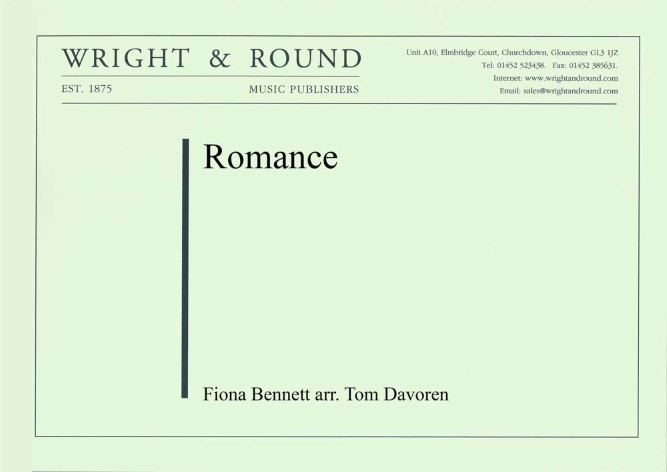
Romance (Tenor Horn Solo with Brass Band - Score and Parts) - Bennett, Fiona - Davoren, Tom
Composed by Classic FM Hall of Fame composer Fiona Bennett, this lovely melody features the lyrical tenor horn.Suitable for 2nd Section Bands and aboveDuration: 4.00
Estimated dispatch 7-14 working days
-
 £59.70
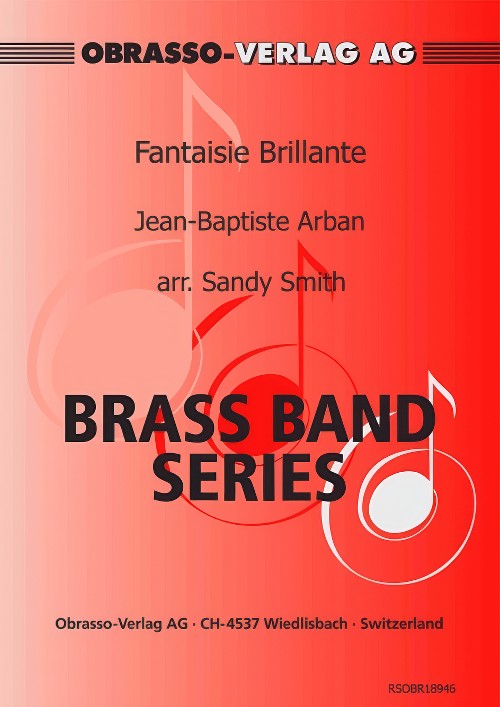
Fantaisie Brillante (Tenor Horn Solo with Brass Band - Score and Parts) - Arban, Jean-Baptiste - Smith, Sandy
Feature your star Solo Horn player with this Arban classic, dedicated to Owen Farr.
Estimated dispatch 7-14 working days
-
 £56.00
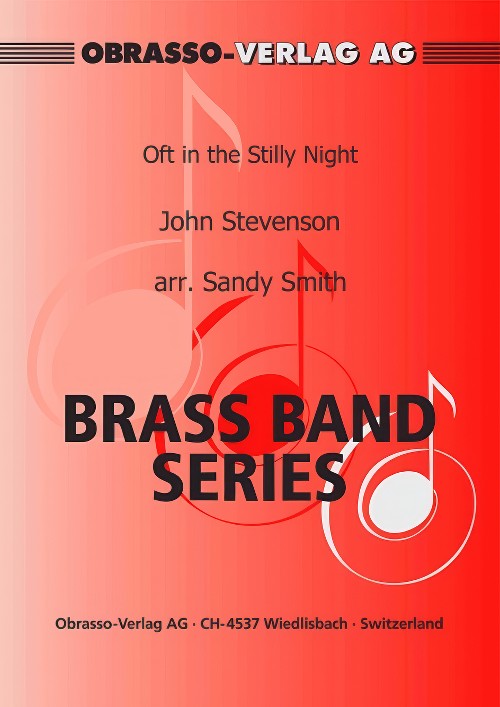
Oft in the Stilly Night (Flugel Horn Solo with Brass Band - Score and Parts) - Stevenson, John - Smith, Sandy
This beautiful scottish air provides an ideal opportunity to feature you flugel horn player
Estimated dispatch 7-14 working days
 View Music