
Results
-
 £36.30
Will You Love Me Tomorrow
This haunting song from the early 1960's was sung by The Shirrelles, and is better remembered as "Will you still love me tomorrow".Tim Paton writes:This arrangement features the Tenor Horns and Baritones, although there is still plenty to do for the rest of the band. Also, I have made sure that, if your band were unfortunately missing a 2nd Horn or/and 2nd Baritone, I have cued any important parts elsewhere so that they are covered.
In Stock: Estimated dispatch 3-5 working days
-
 £33.62
Love Divine (Blaenwern) (Brass Band) William Rowlands arr. Kenneth Downie
This delightful setting for brass band by Kenneth Downie is based on the much loved hymn Love Divine, All Loves Excelling, alternatively known as Blaenwern. An optional organ part which will enhance the last verse is included. Kenneth Downie writes: 'It has been a delight to work on this wonderful Welsh hymn tune called Blaenwern, a tune which perfectly suits the majestic words by Charles Wesley, 'Love divine, all loves excelling'. This hymn is all about a big, expansive, all-embracing God, and I have tried to capture this aspect of the words. The rising interval in the introduction is an important feature in developing the notion of a 'big God', and its reappearance near the end is intended to be very significant. The hymn is full of memorable phrases which will hopefully inspire players, singers and conductors as they contemplate the text in preparation for any performance. 'Joy of Heaven, to earth come down', 'Enter every longing heart', 'Finish then thy new creation', and then the last amazing four lines: 'Changed from glory into glory, Till in Heaven we take our place, Till we cast our crowns before thee, Lost in wonder, love and praise'. The addition of the organ in the last verse, by special request of Peggy and Scott Thomas who commissioned the arrangement, should add to the majesty of the music, but of course, it is not fundamental to any performance. May this music bring honour to our amazing God!' To view a video of the Melbourne Staff Band playing the piece please visit www.youtube.com/watch?v=BUszRQh40lQ A rolling score video can be viewed here: www.youtube.com/watch?v=y4dM0fZaVug Sheet music available from www.brassband.co.uk Difficulty Level: 4th Section + Length: 4.00 minutes Instrumentation: Soprano Cornet Eb Solo Cornet Bb Repiano Cornet Bb 2nd Cornet Bb 3rd Cornet Bb Flugel Horn Bb Solo Horn Eb 1st Horn Eb 2nd Horn Eb 1st Baritone Bb 2nd Baritone Bb 1st Trombone Bb 2nd Trombone Bb Bass Trombone Euphonium Bb Bass Eb Bass Bb Timpani Percussion 1-2 Organ (optional)
In Stock: Estimated dispatch 1-3 working days
-
 £30.00
Voi Che Sapete (from The Marriage of Figaro) (Euphonium Solo with Brass Band - Score and Parts) - Mozart, Wolfgang Amadeus - Littlemore, Phillip
Mozart's opera, The Marriage of Figaro, was based on what was a rather scandalous play by Pierre Beaumarchais, because the drama involves an incompetent nobleman being upstaged by a crafty, quick-witted servant named Figaro, in their quest for the same woman. The action takes place in just one day and offers a series of awkward and humorous situations, complete with a vibrant dialogue between the all the main characters. Voi Che Sapete?is performed by Cherubino, who is about to be sent off to the army because the Count finds him a nuisance. When Cherubino appears before the Countess and Susanna to tell them of his fate, this aria is sung at the request of Susanna for a love song. Cherubino is characterized as a young adolescent who is in love with every woman he meets, and because his voice is yet unbroken, he is always played by a female singer.?Duration: 2:30
Estimated dispatch 7-14 working days
-
 £30.00
Voi Che Sapete (from The Marriage of Figaro) (Vocal Solo (Soprano) with Brass Band - Score and Parts) - Mozart, Wolfgang Amadeus - Littlemore, Phillip
Mozart's opera, The Marriage of Figaro, was based on what was a rather scandalous play by Pierre Beaumarchais, because the drama involves an incompetent nobleman being upstaged by a crafty, quick-witted servant named Figaro, in their quest for the same woman. The action takes place in just one day and offers a series of awkward and humorous situations, complete with a vibrant dialogue between the all the main characters. Voi Che Sapete?is performed by Cherubino, who is about to be sent off to the army because the Count finds him a nuisance. When Cherubino appears before the Countess and Susanna to tell them of his fate, this aria is sung at the request of Susanna for a love song. Cherubino is characterized as a young adolescent who is in love with every woman he meets, and because his voice is yet unbroken, he is always played by a female singer.?Duration: 2:30
Estimated dispatch 7-14 working days
-
 £54.99
The Lion King (Can You Feel the Love Tonight) (Brass Band - Score and Parts) - John, Elton - Sebregts, Ron
The Lion King was a smash-hit box office success all over the world, and is still the highest grossing 2D animated film in the US. Can You Feel The Love Tonight, is a delightful concert band arrangement of the song from this Walt Disney classic, sung and composed by Elton John. A Disney favourite for young and old alike, your musicians will look forward to playing this piece both in rehearsal and in concert!Duration: 3:30
Estimated dispatch 7-14 working days
-
 £29.50
Love Story - Taylor Swift - Gavin Somerset
Released in September 2008, this hit shot Taylor Swift to fame both in the pop and country music industry. The song still holds the record for being the most downloaded country song in history. With words based on a modern day Romeo & Juliet, however this time, with a happy rather than tragic ending. This arrangement by Gavin Somerset remains faithful to the original in every way, with cues and some doubling of parts allowing most levels of bands to perform this work. A perfect piece for younger bands and for summer and gala concerts where this piece shows the younger members of your audiences that Brass Bands are incredibly versatile and even gives the chance to sing along!
In Stock: Estimated dispatch 1-3 working days
-
 £37.50
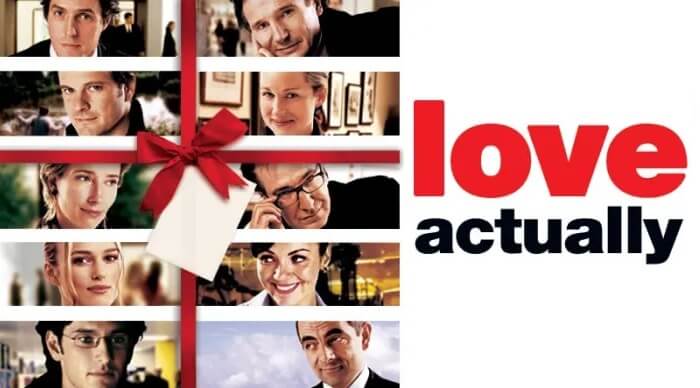
Love Actually - David Arnold - Gavin Somerset
This hit British comedy film set in the build up to Christmas, features just about every emotion you can imagine which helped to make it one of the most popular films of all time. With an all-star cast, the film is backed with a stunning soundtrack by David Arnold, tugging at the heartstrings and uplifting the audiences simultaneously. Also featured in this selection, is the title 'Christmas Is All Around Us' featuring the trombone section in this comic number. Beautifully arranged, this title is a must have for your festive concerts this year giving you a work that audiences will remember with the smiles, laughter and tears that the film evokes.
In Stock: Estimated dispatch 1-3 working days
-
 £54.95
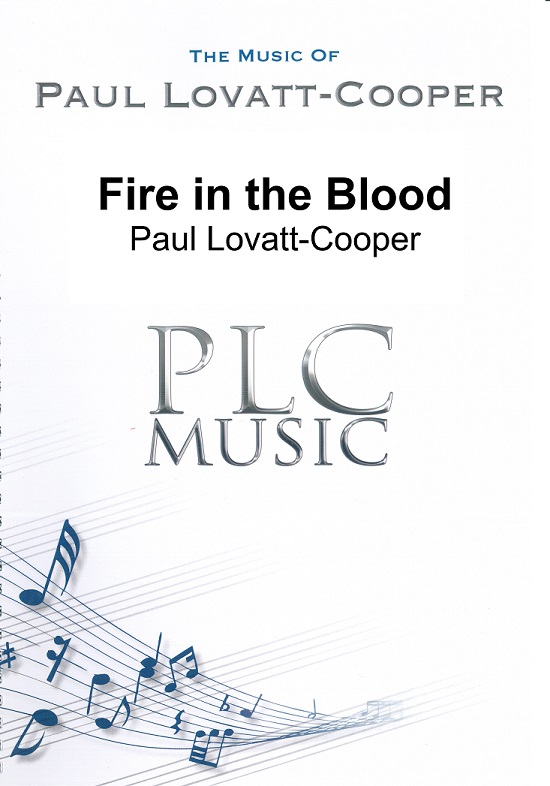
Fire in the Blood (Brass Band - Score and Parts)
Fire in the Blood was commissioned by Dr Stephen Cobb for the 120th anniversary of the International Staff Band of the Salvation Army. The piece was composed for the celebration concert where the ISB were joined by several other staff bands from around the world to perform independently to a sell-out capacity crowd at Britain's most famous concert hall The Royal Albert Hall. Fire in the Blood received its world premier at the 'ISB 120' concert at the Royal Albert Hall on June 4th 2011.With this piece I wanted to acknowledge music that had an impact on me through my Salvation Army upbringing. When thinking of a title for this piece I had no hesitation than to reflect and re-word the Salvation Army's motto under their famous crest 'Blood and Fire'.When composing Fire in the Blood I wanted to use three songs of worship that have been prevalent in the Salvation Army's services over a number of years. Opening with Richard Phillips' setting of Psalm 95, 'Sing for Joy', the music is vibrant and full of energy, I wanted to capture the spirit of the well known words of Scripture. The music then moves into a more reflective section that includes Howard Davies' emotive song melody 'Lord, you know that we love you' and Laurie Klein's worship song 'I love you Lord'.A re-statement of the opening Psalm setting follows and this, in turn, leads into a dramatic and powerful finale that combines two pivotal statements drawn from the slower, reflective section: I love you lord, and I lift my voice to worship you, O my soul rejoice and Lord, you know that we love you with a final flourish from Psalm 95: Come let us sing joy to the Lord!Paul Lovatt-Cooper
Estimated dispatch 7-14 working days
-
 £24.95
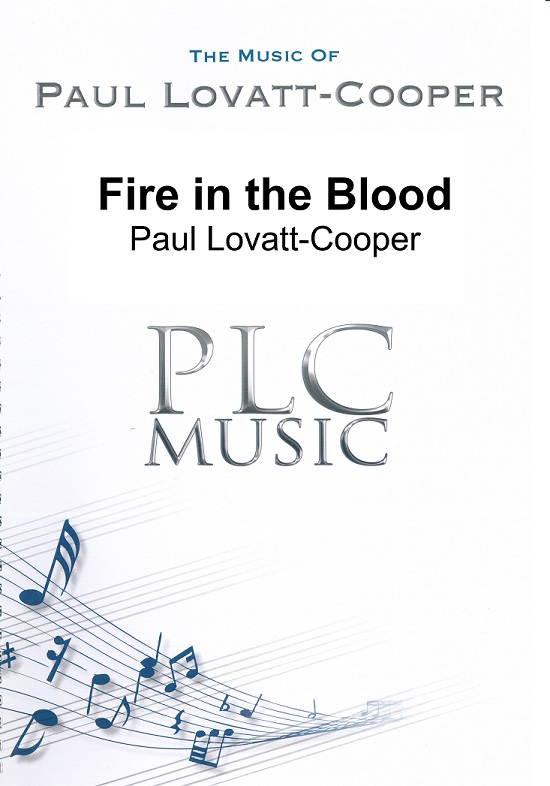
Fire in the Blood (Brass Band - Score only)
Fire in the Blood was commissioned by Dr Stephen Cobb for the 120th anniversary of the International Staff Band of the Salvation Army. The piece was composed for the celebration concert where the ISB were joined by several other staff bands from around the world to perform independently to a sell-out capacity crowd at Britain's most famous concert hall The Royal Albert Hall. Fire in the Blood received its world premier at the 'ISB 120' concert at the Royal Albert Hall on June 4th 2011.With this piece I wanted to acknowledge music that had an impact on me through my Salvation Army upbringing. When thinking of a title for this piece I had no hesitation than to reflect and re-word the Salvation Army's motto under their famous crest 'Blood and Fire'.When composing Fire in the Blood I wanted to use three songs of worship that have been prevalent in the Salvation Army's services over a number of years. Opening with Richard Phillips' setting of Psalm 95, 'Sing for Joy', the music is vibrant and full of energy, I wanted to capture the spirit of the well known words of Scripture. The music then moves into a more reflective section that includes Howard Davies' emotive song melody 'Lord, you know that we love you' and Laurie Klein's worship song 'I love you Lord'.A re-statement of the opening Psalm setting follows and this, in turn, leads into a dramatic and powerful finale that combines two pivotal statements drawn from the slower, reflective section: I love you lord, and I lift my voice to worship you, O my soul rejoice and Lord, you know that we love you with a final flourish from Psalm 95: Come let us sing joy to the Lord!Paul Lovatt-Cooper
Estimated dispatch 7-14 working days
-
 £36.30
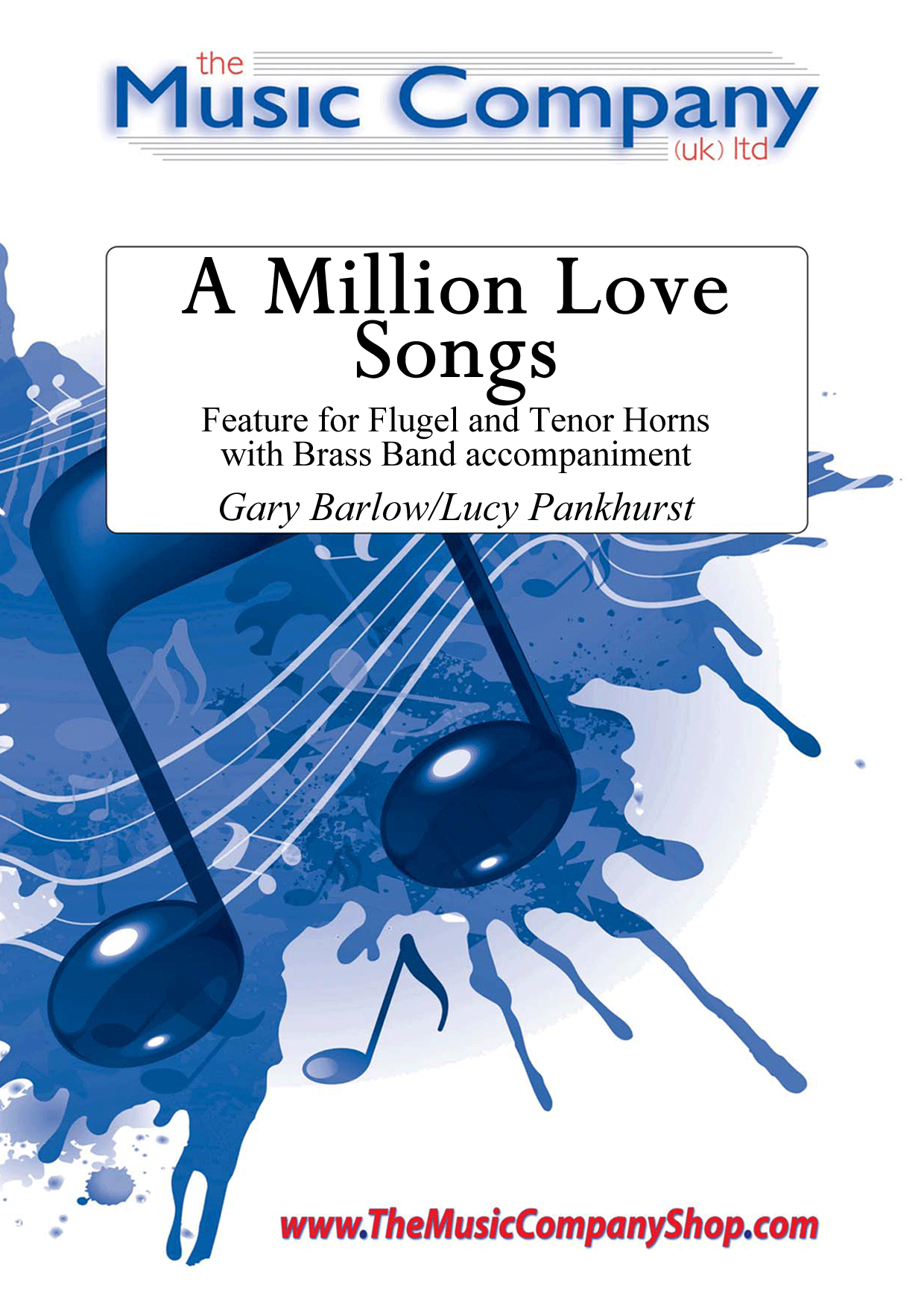
A Million Love Songs - Gary Barlow
Made famous by the boy band 'Take That', this fantastic new angle on the song from Lucy Pankhurst, creatively features the flugel and tenor horn section with full support from the accompanying band.Take That's Gary Barlow wrote 'A Million Love Songs' when he was 15. He also recorded a rough demo of the track, and was one of the songs he gave to music manager Nigel Martin-Smith on a cassette tape as part of his audition to join a boy-band.In his autobiography A Better Me, Gary revealed that Martin-Smith was so impressed by the tape, that he didn't realise it was Gary singing. As legend has it, the conversation went like this:Martin-Smith: "This tape, who has written the songs?"Barlow: "Me"Martin-Smith: "Who wrote the words, then?"Barlow: "Me. And the music and the backing track."Martin-Smith: "Wow, you'd better come back and see me tomorrow."The ballad became one of the group's most popular songs, and is often voted among the greatest love songs of all time. It peaked at No. 7 in the UK charts, and remains a firm favourite, not just for its sentiment, but for the beautiful melody Barlow created.Lucy's arrangement for brass band brings a whole new dynamic to the music and offers the flugelhorn and tenor horns a golden opportunity to shine.
In Stock: Estimated dispatch 3-5 working days
 View Music