
Results
-
 £116.40
Decennium - Eric Swiggers
'Decennium' was composed in 2003 as a commission by the municipality of Berheze for its tenth anniversary. The composition describes the history of this town in the Province of Brabant, consisting of 6 different villages: Heesch, Heeswijk, Dinther, Nistelrode, Loosbroek and Vorstenbosch. The composition starts with a slow introduction, Adagio Misterioso, suggesting the atmosphere in long-ago days when the area consisted mainly of swamps, meres and low woods. (The word 'Bern' is a synonym of 'Born' meaning source or water, whereas 'Hese' is derived from 'Haisjo' meaning brushwood ). Above the dark sounds we hear far away trumpet signals announcing the Middle Ages. After a piercing crescendo, we hear the full sound of festive trumpets. A medieval dance, as was to be heard in the Heeswijk castle, follows. This dance gets a more and more stirring character and finally turns into a merry popular dance ending with a burst of laughter reproduced by descending scales with the muted trombones and trumpets. A slow transition with a quotation from a Gregorian plainsong (Domine Deus) and church bell ringing, referring to the Abbey of Berne, brings us to a romantic Larghetto. This part describes the quiet rural life in a beautiful natural surrounding. The last dying note contrasts with the threatening ostinato, referring to the rise of the industrialization, which provoked quite some resistance with the local people. Once more we hear the 'Domine Deus' but much more powerful this time. When the resistance calms down, the work concludes with an Alla Marcia. The first notes of the main theme could be heard all through the composition and now we hear the complete main theme again. The new town is born. A festive conclusion refers both to the tenth anniversary and the optimism and confidence as to the future.
Estimated dispatch 5-14 working days
-
 £84.50
The Heroes Rise Again - Andrew Pearce
As the title suggests, the piece is heroic and olympic in feel. One might imagine an Olympic Games opening ceremony where the athletes assemble to compete on the world stage. The Heroes Rise Again is an exciting and memorable piece that your band will love performing and is sure to give a tingle down the spine, leaving your audience wishing for more as they whistle the tune out the door!
Estimated dispatch 5-14 working days
-
 £47.80
Movin' Up! - Dean Jones
The beat just rolls on! Movin' Up! is very much a sequel to Dean Jones' previous work Hangin' On! There are the usual sounds you'd expect from a swing band piece: vibrant sounding from the trumpets and trombones and then a layered harmonious texture from the horns and baritones. There's also scope for some top class solo work too around the band. There is one twist at the end... the pace is slowed down, the 'top button and bow tie loosened', but the scene is set and concluded with exciting brass sounds.
Estimated dispatch 5-14 working days
-
 £115.60
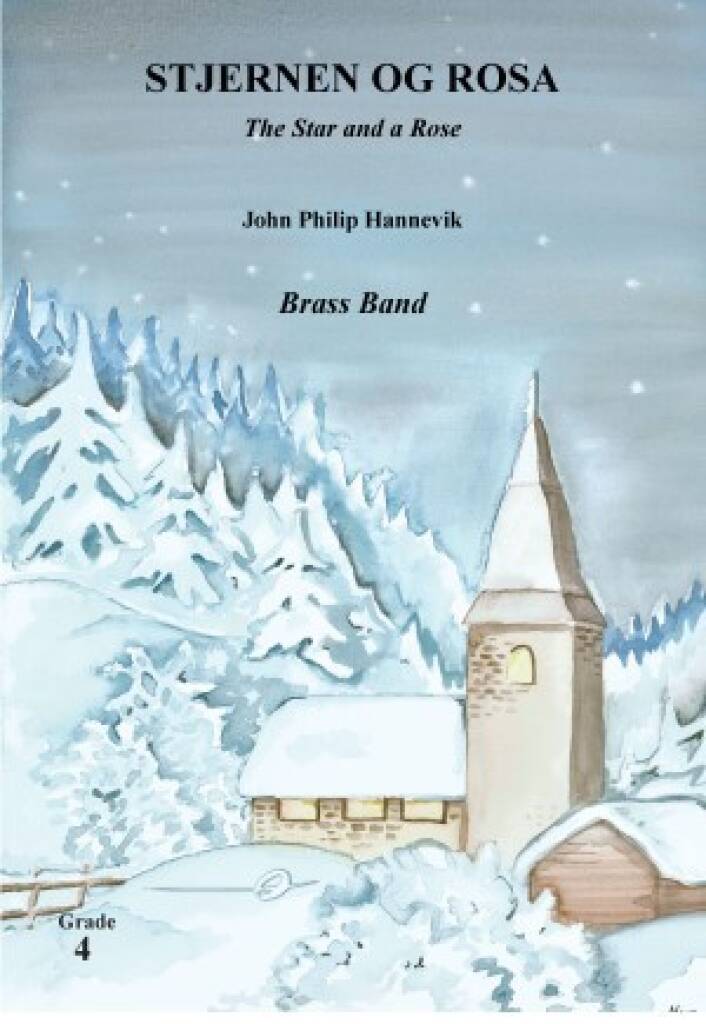
Stjernen og Rosa - John Philip Haqnnevik
The Star and a Rose is a big-scale Christmas piece for band, featuring four seasonal chorales.The first is a Gregorian-like chant Hodie Christus natus est.In this section of the piece, a soloist can be placed away from the band, maybe on a gallery. The soloist can be a tenor instrument, maybe trombone, or you can feature a vocal soloist.After this, the music leads us on to the old German Christmas chorale Lo, how a rose e'er blooming. This song is given a fairly rhythmical treatment, but make sure that the melody is presented in a cantabile style.An interlude follows, before the piece presents one of the most used and loved Scandinavian Christmas chorales, Mitt hjerte alltid vanker (My Heart will always wander), composed by the Danish bishop Hans Adolph Brorson around 1732. This song is building towards a climax, before the solo horn brings it all down to the Stable view described in the lyrics.Then comes a transition that brings us in to the final section of the piece, which presents the international Christmas Carol Adeste Fideles. As many will notice, I have borrowed a section from David Wilcocks majestic harmonization towards the end.The title of the piece has its background form the lyrics in My heart will always wander, where the text speaks about the stars in the sky. But also in the latin text for Adeste Fideles:Stella duce, Magi, Christum adorantesThe Rose is of course from the lyrics in the chorale Lo, how a Rose.
Estimated dispatch 5-14 working days
-
 £102.60
Cherubic Hymn of Ukraine - Yakiv Yatsynevych - John Philip Hannevik
Ukraine was invaded on February 24, 2022, and the world again became spectators to a conflict between unequal opponents. Once again we saw lies, injustice and brutality up close.I must admit that a feeling of powerlessness arose when experiencing this, an empty feeling of not being able to do anything useful.One early Monday morning, a few weeks into the conflict, I sat down to listen to Ukrainian music.I hardly knew any Ukrainian music, but I was familiar with the composer Mykola Leontovych, the man who composed "Carol of the Bells". He was a member of the Ukrainian liberation movement, and he was assassinated by a Soviet agent in 1921.One of his contemporary colleagues was the composer, teacher and conductor Yakiv Yatsynevych (1869-1945). He wrote church music and choral music, and I became very taken by his Hymn to the Cherubim, a part of the Orthodox Mass.I could not find any sheet music for this. But I have listened to numerous choral recordings, and I have tried to notate the music as I believe the composer himself has done originally.I chose to do the arrangement for a solo group of 4 players. These players can be placed at a distance from the ensemble, maybe on a gallery or at the back of your concert hall.The arrangement was made for Brottum Brass for their participation in the Oslo Brass Festival in April 2022.The performance in the church this particular night was met with a long-lasting silence after the last note. The warm respect, the moving response and love we felt from the audience is a memory I will carry with me for a long time.In the lyrics to this psalm, one finds the phrase:Let us now lay aside all earthly cares- John Philip Hannevik -
Estimated dispatch 5-14 working days
-
 £72.99
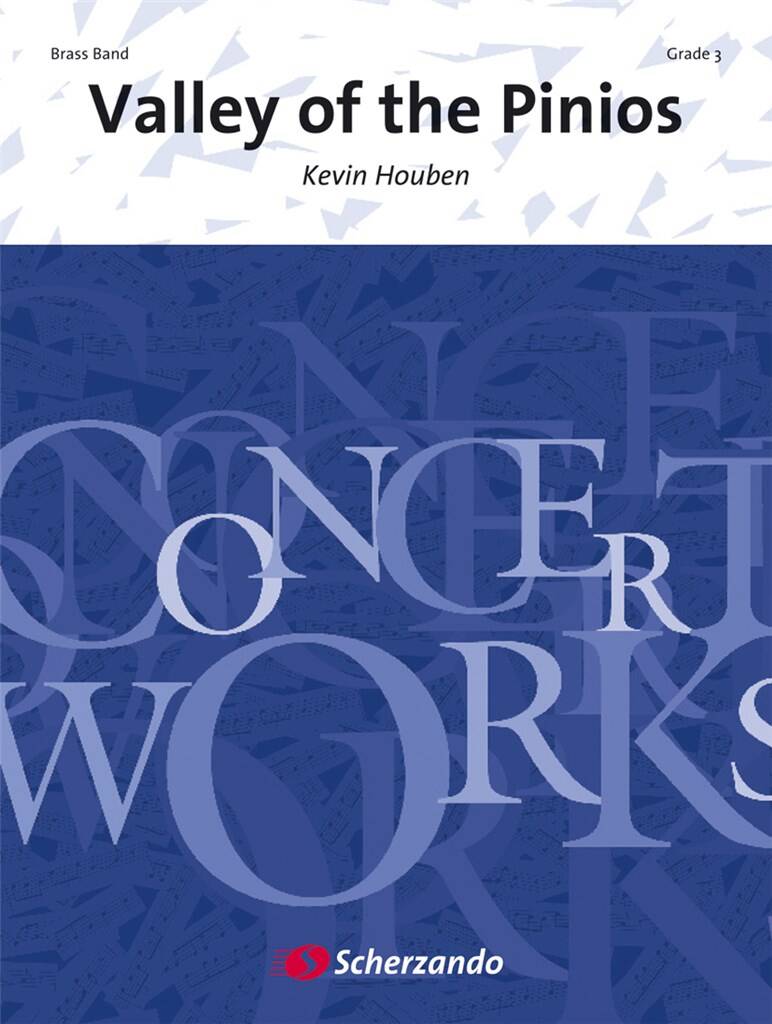
Valley of the Pinios - Kevin Houben
Lying on high, calcareous sandstone rocks are the monumental monasteries of Meteora, a region in northcentral Greece which look down over the valley of the Pinios River. This region inspired Kevin Houben to compose Valley of the Pinios. You can almost hear the wind swirl around the chalk rocks. The sacred atmosphere of the monasteries, the prayers, the solitude, the grandness of the valley and the splendour of nature are all reflected in this inspirational composition.
Estimated dispatch 5-14 working days
-
 £11.95
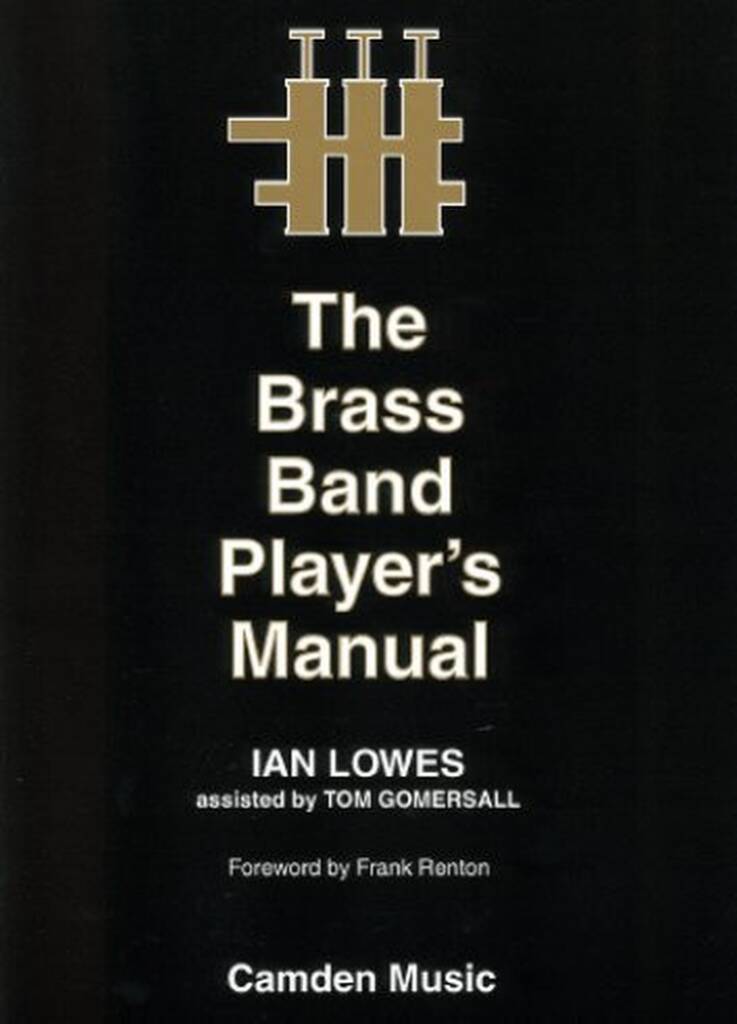
The Brass Band Player's Manual - Ian Lowes
This is the 'Haynes manual' of technique for the brass player. It breaks down all areas of preparation and performance into easy to understand sections and provides valuable exercises to improve all aspects of playing. Completewith a quick reference 'fault diagnosis chart'.IntroductionThis tutor is intended as a self-help tutor for all band players. It is laid out in the manner of a DIY car manual where technical explanationsare combined with fault diagnosis and suggestions for corrective solutions. Explanations range in depth to suit playing standards from beginner to championship level.64 pages.
Estimated dispatch 5-14 working days
-
 £59.99
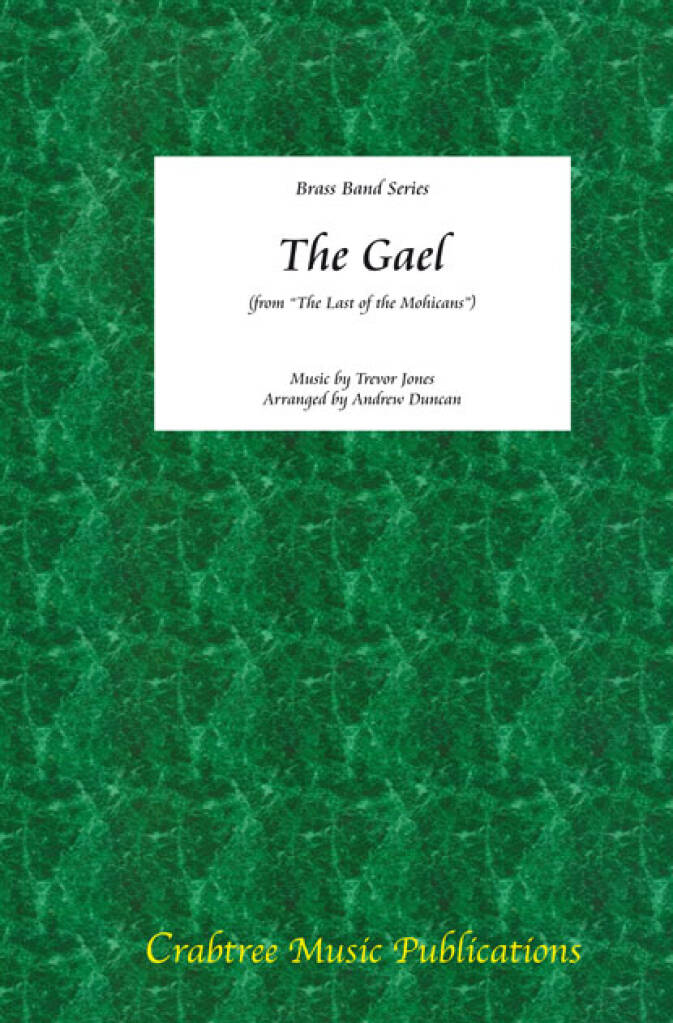
The Gael from Last of the Mohicans - Trevor Jones - Andrew Duncan
Who can forget the epic 1992 movie, The Last of the Mohicans, starring Daniel Day Lewis. The soundtrack was written by Trevor Jones and Randy Edelman with both men on record as saying this soundtrack is one of their greatest pieces of work to date. This scintillating and powerful arrangement of the main theme, The Gael, is one not to be missed and is guaranteed to 'bring the house down' at every performance. A work that no band would want to be without!
Estimated dispatch 5-14 working days
-
 £60.99
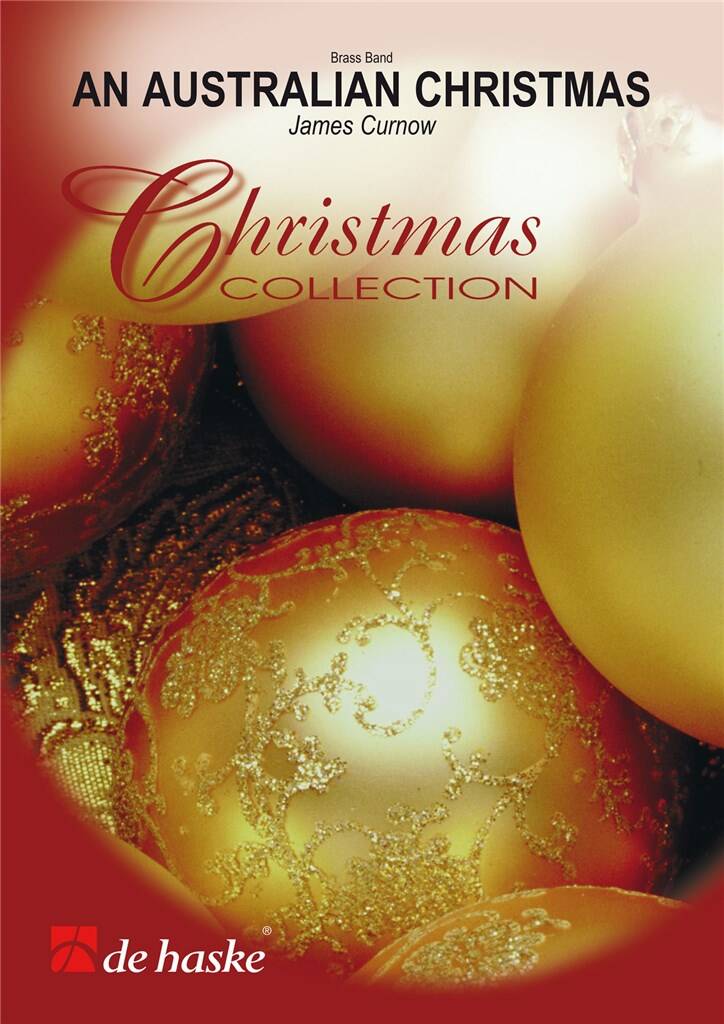
An Australian Christmas - James Curnow
How do you fancy spending Christmas down under on the beach in the searing heat? You can now escape from the cold with this suite of Australian Christmas carols. Includes Carol of The Birds, The Silver Stars in the Sky, Christmas Day and The Three Drovers.
Estimated dispatch 5-14 working days
-
 £60.99
Trumpets of Jericho - Enrique Crespo - Klaas van der Woude
This programmatic piece tells the biblical story of the fall of Jericho. The music paints a vivid picture of the procession of armed men and seven priests marching around the city for seven days, before blowing their trumpets and to the cheers of the crowds watching as the walls came tumbling down. A dazzling opening work for any concert.
Estimated dispatch 5-14 working days
 View Music