
Results
-
 £29.50
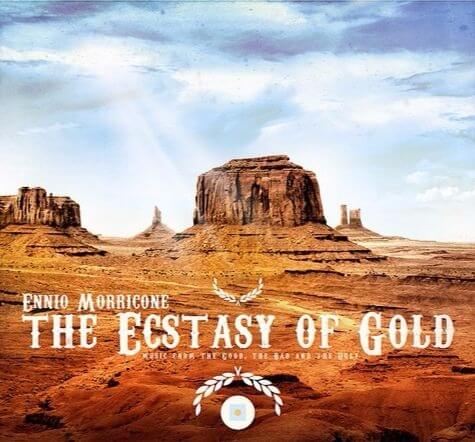
Ecstasy Of Gold - Ennio Morricone - Andi Cook
This energetic piece, one of the many qualities of Ennio Morricone's music, has recently been brought back into the public eye with its use in the new 'Health Lottery" Adverts and many other TV appearances. The music comes from the iconic picture "The Good, The Bad & The Ugly" while the character Tuco searches for the $200,000 hidden in a graveyard. Since then, its been a hit world wide, being used in several media campaigns. its success can be attributed to the strong, powerful melody that last long in the memory. Now for the first time, arranged for band by Andi Cook, the brass band can enjoy the powerful piece that follows its delicate opening for Solo Horn. To download the Solo Cornet part, please CLICK HERE . To download the Solo Horn part, please CLICK HERE . To download the Solo Euphonium part, please CLICK HERE . To download the playback audio to play along to, please RIGHT CLICK HERE & Save As .
In Stock: Estimated dispatch 1-3 working days
-
 £29.50
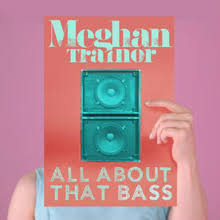
All About That Bass (Tuba!) - Kevin Kadish & Megan Trainor - Gavin Somerset
If you're looking to spice up your concert programme with something a little different, then look no further! It isn't too often that the lower brass get to take the limelight, however, this toe-tapping arrangement of the Meghan Trainor hit does just that! The work has become a huge hit and with a 50's & 60's 'Doo-Wap' feel, it works incredibly well for brass band. With the lower brass being kept busy, the big-band feel to the chorus and plenty of areas in which choreography would work well, this piece can't help but bring a smile to your face. The ultimate entertainment item and one that is enjoyed by all ages! A must have piece for your concerts this year. To download the Solo Cornet part, please CLICK HERE . To download the Solo Horn part, please CLICK HERE . To download the Solo Euphonium part, please CLICK HERE . To download the playback audio to play along to, please RIGHT CLICK HERE & Save As .
In Stock: Estimated dispatch 1-3 working days
-
 £29.50
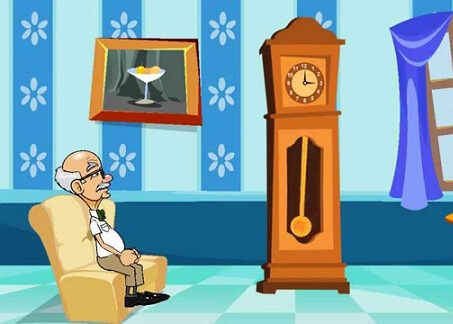
Grandfather's Clock - G Doughty - Gavin Somerset
One of the most popular Euphonium solos in the Brass Band repertoire has now been transcribed and re-arranged for the Eb Instruments of the band. Originally arranged for Michelle Ibbotson on Soprano for Black Dyke, this transcription makes the solo perfect for Soprano Cornet, Tenor Horn or even Eb Bass. New percussion parts have also been added for this arrangement. Most bands have the original Euphonium solo in their library, and now is the chance to revive this old classic in a new light, with new soloists.
In Stock: Estimated dispatch 1-3 working days
-
 £29.50
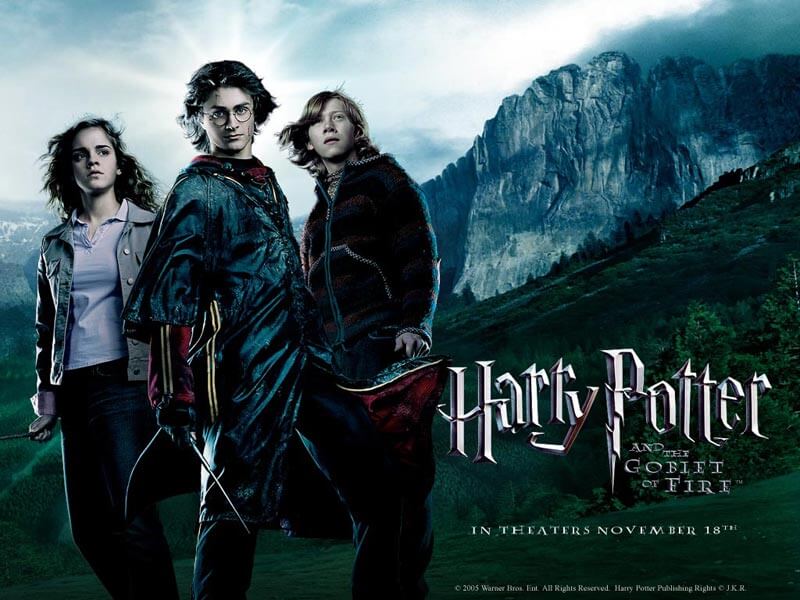
Hogwart's March - Patrick Doyle - George Marshall
From the fourth installation of the Harry Potter series comes 'Harry Potter & The Goblet of Fire'. This was the first of the Harry Potter films not to be scored by John Williams. Instead, Scottish Composer, Patrick Doyle was handed the gauntlet and he produced a gem of a score that lived up to the magic on screen. Although darker than the previous three films, the light-hearted 'Hogwart's March' featured predominantly at the Triwizard tournament. Now available for band, this work is perfect for band's looking to add a little magic to their programme. Instantly recognisable by the younger players and audience, and a different take on the traditional Brass Band march. To download the Solo Cornet part, please CLICK HERE . To download the Solo Horn part, please CLICK HERE . To download the Solo Euphonium part, please CLICK HERE . To download the playback audio to play along to, please RIGHT CLICK HERE & Save As .
In Stock: Estimated dispatch 1-3 working days
-
 £29.50
Icelandic Hymn - Thorkell Sigurbjornsson - Neil Brownless
Based on a poem written in 1208 by chieftain Kolbeinn Tumason on his death bed, the title translates as 'Hear, Smith of Heavens'. It has become one of the most popular hymns in Iceland and has recently been used in the TV series Handmaid's Tale. The music also went viral following an impromptu performance by a choir at a German train station, accumulating over 4 million views. This arrangement brings something totally different to your concerts with an atmospheric setting for brass band, featuring the flugel horn in the opening and closing bars over sung chords from the rest of the band.
In Stock: Estimated dispatch 1-3 working days
-
£29.50
Quanta Qualia - Patrick Hawes - David Hollins
This moving piece of music, composed by the British composer Patrick Hawes, was featured on Hayley Westenra's album 'Odyssey'. The words "Quanta Qualia" translate to "How great & how wonderful". Now, scored for brass band by David Holling, a quintet (2 cornets, Horn, Baritone & Euphonium) lead the band throughout this stunning piece that brings a sense of tranquility to your concerts. This is the perfect item for those reflective, tender moments within your concert program that every band should have in their repertoire.
In Stock: Estimated dispatch 1-3 working days
-
£24.50
Arioso - J.S Bach - Steven Hague
A modern brass band arrangement of the "Arioso" from J.S. Bach's Cantata No. 156 arranged by Steven Hague, with a nice feature for the horn section, and tuneful duets from the two solo cornets.
In Stock: Estimated dispatch 1-3 working days
-
 £37.50
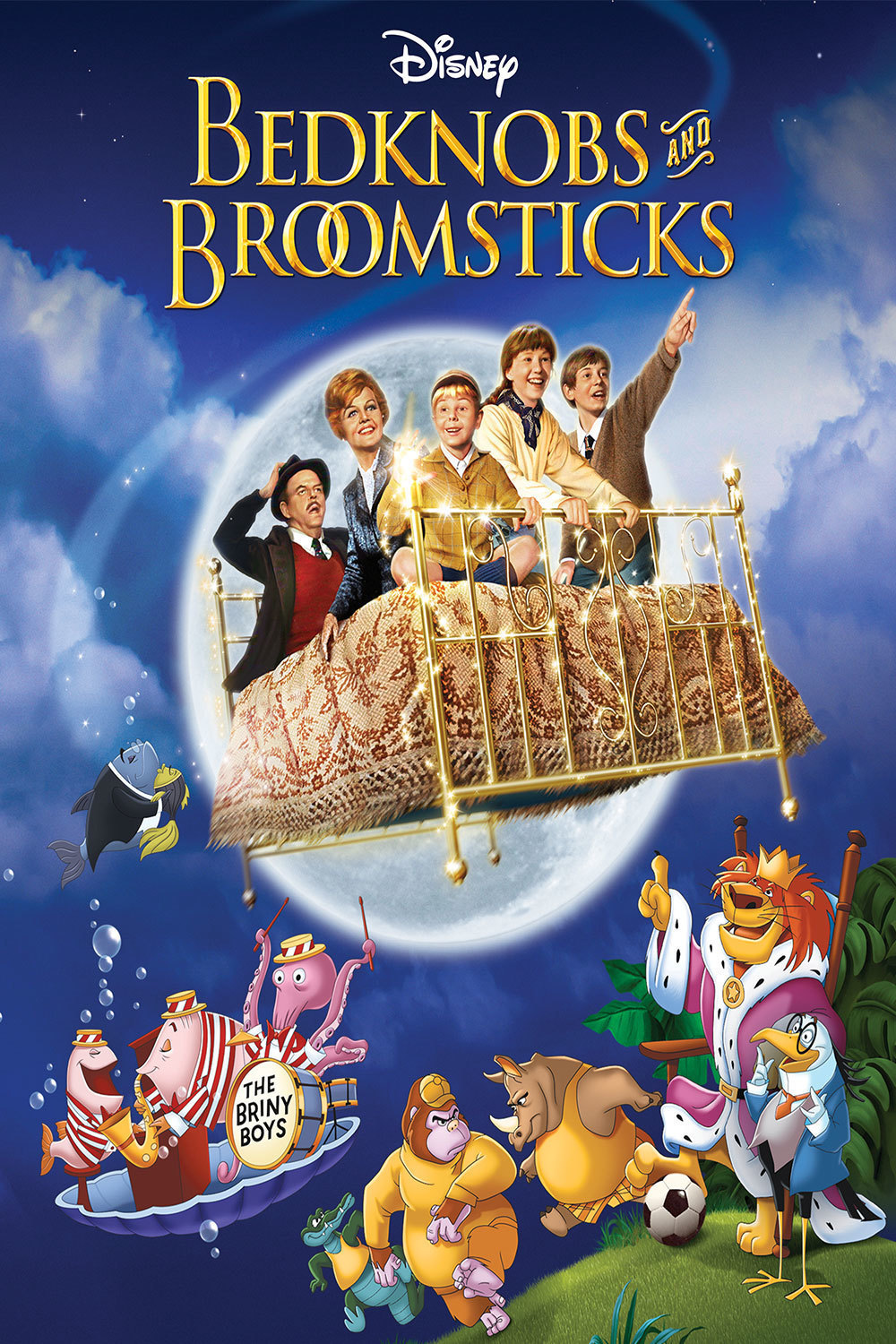
Bedknobs & Broomsticks - Sherman & Sherman - Gavin Somerset
After the success of Mary Popping in 1964, Disney once again had a hit on their hands seven years later with the release of 'Bedknobs & Broomsticks'. Set in 1940, the film told the story of Eglantine Price, a spinster who was learning the ways of witchcraft to help Britain with the War effort. Richard & Robert Sherman provided another excellent score, with memorable songs that now for the first time, are available for Brass Band. This toe-tapping new work features The Old Home Guard, The Age of Not Believing, Portabello Road and, The Beautiful Briny Sea (with added bubbles!). Audiences of all ages will appreciation this title and is a great addition to any concert programme. Whilst rehearsals are suspended due to Covid-19, we are making some parts available to download FREE for home use and practice, alongside a downloadable backing track to play along to. To download the Solo Cornet part, please CLICK HERE . To download the Solo Horn part, please CLICK HERE . To download the Solo Euphonium part, please CLICK HERE . To download the Eb Bass part, please CLICK HERE . To download the playback audio to play along to, please RIGHT CLICK HERE & Save As .
In Stock: Estimated dispatch 1-3 working days
-
 £33.62
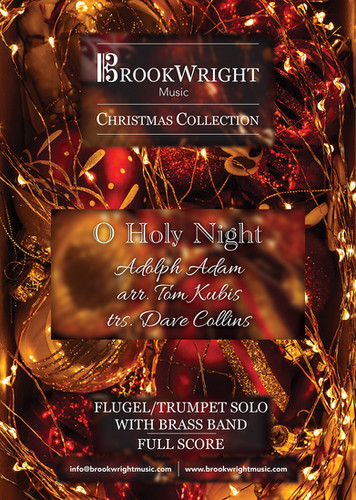
O Holy Night (Flugel/Trumpet Solo with Band) arr. Tom Kubis trs. Dave Collins
This stunning arrangement of O Holy Night, showcases the lyrical and expressive potential of the Flugel Horn or Trumpet, arranged by acclaimed jazz composer Tom Kubis and transcribed by Dave Collins. Originally made famous by the legendary Wayne Bergeron with the Tom Kubis Big Band, this arrangement has since become a favourite among brass soloists worldwide. It received its concert premiere with the North York Temple Band (Canada) under Bandmaster Glenn Barlow, featuring the virtuosic talents of Marcus and Harrington Venables. The piece was later recorded by the International Staff Band, conducted by Dr. Stephen Cobb, on their 2016 album Celebrate the Season. The featured soloist on that recording was the world-renowned Philip Cobb. This arrangement offers flexible performance options - it can be presented as a solo feature or as a duet for Flugel Horn and Soprano Cornet (cued into the parts), making it ideal for both concert settings and festive performances. To view a video of Philip Cobb performing the solo with the International Staff Band, please visit www.youtube.com/watch?v=1x_hjZyDjrA&list=RD1x_hjZyDjrA&start_radio=1 Duration: approx. 3.45 minutes Difficulty Level: 3rd Section + PDF download includes parts and score. Sheet music available at www.brassband.co.uk (UK) or https://satradecentral.org (USA) Instrumentation: Flugel Horn/Trumpet Soloist Bb Soprano Cornet Eb Solo Cornet Bb Repiano Cornet Bb 2nd Cornet Bb 3rd Cornet Bb Flugel Horn Bb Solo Horn Eb 1st Horn Eb 2nd Horn Eb 1st Baritone Bb 2nd Baritone Bb 1st Trombone Bb 2nd Trombone Bb Bass Trombone Euphonium Bb Bass Eb Bass Bb Bass Drum Percussion 1-3
In Stock: Estimated dispatch 1-3 working days
-
 £8.50
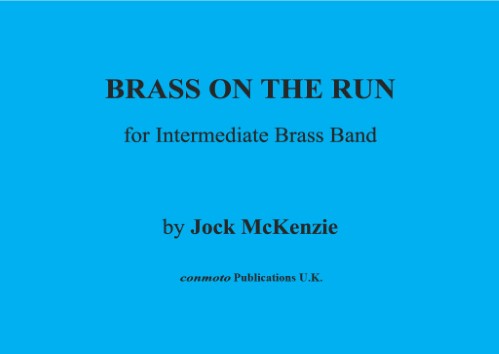
£8.50BRASS ON THE RUN (score) - McKenzie, Jock
Grade 4-5 standard, with parts also included for Orchestral Brass and Flute. Full band scoring apart from 2 Horn parts & 2 Trombone/Baritone parts.
In Stock: Estimated dispatch 1-3 working days
 View Music