
Results
-
 £65.50
Windsor Variations - Gavin Somerset
The first major Concert Work/Test Piece by Gavin Somerset for brass band takes the familiar tune, St. George's Windsor (Elvey) and gives us a highly enjoyable opus, full of music with which players & MDs can fully express themselves. Often sang to the harvest hymn, Come, Ye Thankful People Come, Its majesty and motifs make this an enjoyable piece to both play and listen to. The work's primary focus is on melody and music with all sections of the band involved in bringing this piece to life. At harvest time or any other, this is a great new feature work for the brass band repertoire. GET THE PARTS FREE TO REHEARSE AT HOME Whilst Brass Band rehearsals continue to be suspended, we are offering FREE downloads of any of the instrumental parts for this new work*. A downloadable playback of the work is also available for you to play along to with a click track included where deemed appropiate to aid your home practice. To download your free instrumental part, please send us a quick email to [email protected]. Once we have received your request, you shall be emailed your free music. Please allow up to 24hrs for this to arrive. Thank you. To download the playback audio to play along to, please RIGHT CLICK HERE & Save As . *A maximum of 2 parts per email address allowed
In Stock: Estimated dispatch 1-3 working days
-
 £29.50
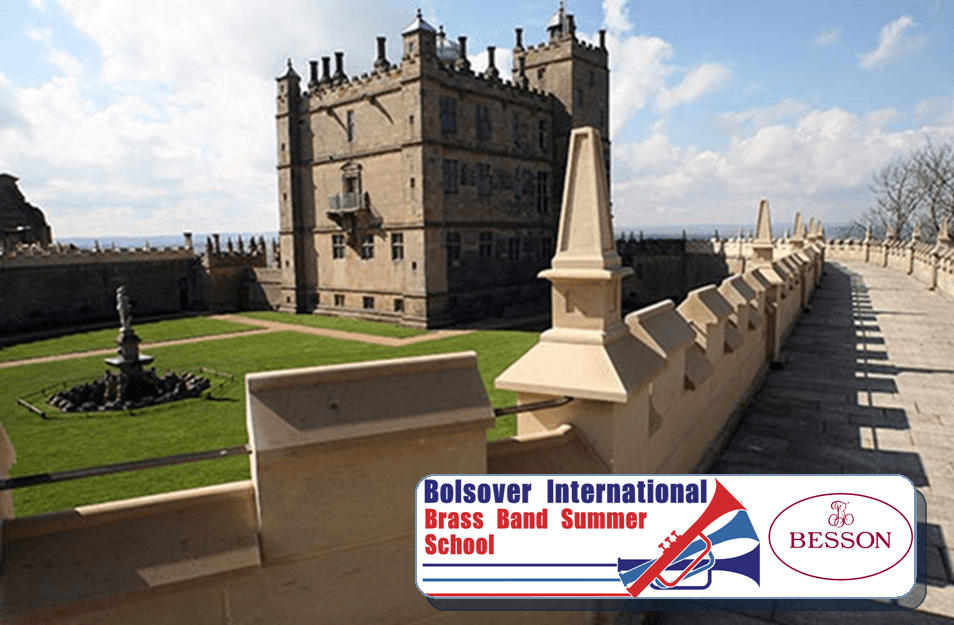
Bolsover Castle - Gavin Somerset
This work was commissioned by the Bolsover International Brass Band Summer School in memory of David Morris, a valued member of both the Summer School and Festival of Brass team. The light-hearted, traditional style March is playable by most levels of bands and following its popularity, has been declared the BIBBSS's signature tune. A donation from each sale of this title is being made to fund the 'Dave Morris Bursary Fund', to aid young people that need financial support to attend the Summer School. Course leader, Steven Mead describes the work as, "A really outstanding composition, based on the traditional March format, but with a freshness and excellent thematic material. It is a brisk march in 6/8 that is a delight to play and to listen to."
In Stock: Estimated dispatch 1-3 working days
-
 £29.50
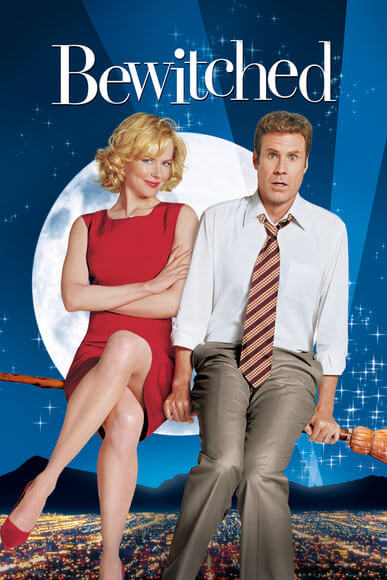
Bewitched - Howard Greenfield - Gavin Somerset
In 1964, the pilot to the new American sitcom 'Bewitched' was completed. The original screening used Frank Sinatra's 'Witchcraft' as the music for the opening titles, however, the production company did not want to pay the large fee to use this track and so, Greenfield & Keller were asked to compose an alternative. The foot-tapping swing piece they produced was reduced to an instrumental version with a light orchestra for the opening credits. However, the song has now been recorded several times. The most famous recording by Steve Lawrence was also featured in the film 'Bewitched' released in 2005. Since then, it has also appeared on the X-Factor a number of times. This fantastic swing item now comes arranged for brass band with the option of playing it at the Steve Lawrence song tempo, or the fast, big band instrumental tempo used in the TV Series. An optional, lower pitched part is also included between letters E-F for the cornet section & flugel to make the item more accessible to lower section bands. This item is a great swing number that audiences of all ages will recognize, a great piece for your new program & a must for every band looking to inject some life into their concerts.
In Stock: Estimated dispatch 1-3 working days
-
£37.50
Cinderella (Overture) - Rossini - Julian M Blakestone
Rossini's Overtures are very distinct in their style, fanfares, heavy scoring and more memorably, the themes which he creates. For years, the Brass Band movement has enjoyed his well known "William Tell" & "Barber Of Seville" Overtures, yet the Overture to Cinderella has seemingly gone unnoticed. Now comes an arrangement by Julian Blakeston of this work, which has all the magic and excitement of his more "famous" overtures, although sadly until now has not been at the forefront of the Brass Band program.
In Stock: Estimated dispatch 1-3 working days
-
£24.50
Danse Lithuanienne - Rimsky-Korsakov - Lee Rogers
Mlada was the vision of Stepan Gedeonov in 1870 originally to be performed as a ballet, however it was not until two years later in 1872 that four of the most famous Russian composers were brought on board to score the music for the production (CA(c)sar Cui, Modest Mussorgsky, Nikolay Rimsky-Korsakov and Aleksandr Borodin being the composers in question). Much of the score was created, however the ballet never saw a production and no workable edition is currently in use. Lee Rogers has taken the light hearted 'Danse Lithuanienne' from Rimsky-Korsakov's part of the score and arranged it for brass band. The work requires dexterity from the band and is the perfect showpiece to add to any programme.
In Stock: Estimated dispatch 1-3 working days
-
 £29.50
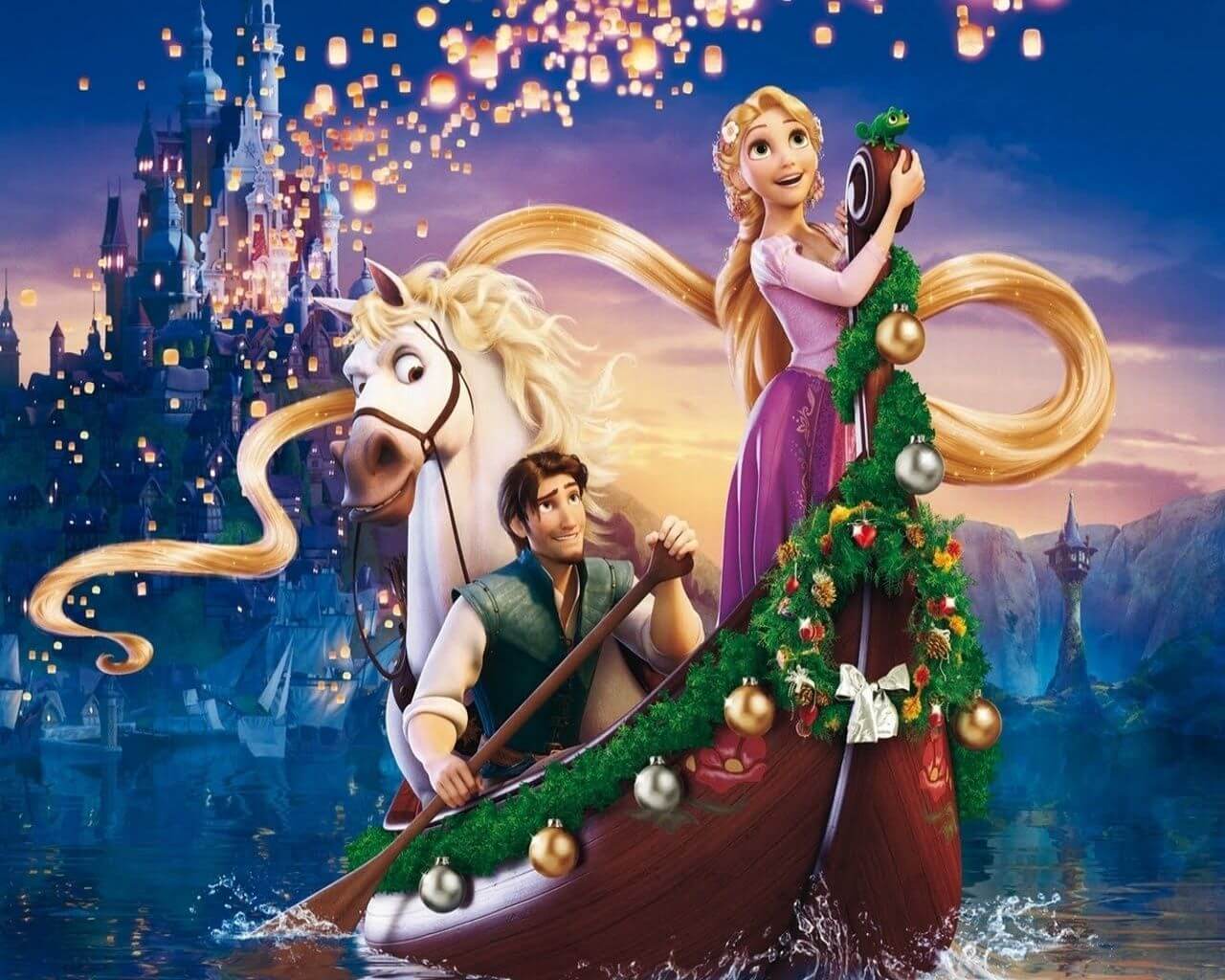
I See The Light from 'Tangled' - Alan Menken - Adrian Horn
Disney's take on the story of Rapunzel saw veteran Disney composer, Alan Menken score the film and from it, came the hit, 'I See The Light'. A lyrical ballad, out of all the tracks produced for the film, Alan stated that this was his favourite of them all. Now arranged by Adrian Horn for solo cornet and band, this release is perfect for soloists looking to perform something popular with general audiences of all ages. With little in the way of technical difficulty, this would be a great item for younger players to enjoy. One not to be missed this Summer.
In Stock: Estimated dispatch 1-3 working days
-
£24.50
Sailor's Hymn - Amber Hooton
Sailor's Hymn depicts a scene of sailors preparing to depart from the port of Liverpool, looking out over the docks as the Blue Peter flag flies,beckoning the sailors aboard to begin their long journey. It is a piece about saying goodbye to what was once familiar, moving on and pushing towards new horizons.This piece was written for a cultural exchange between brass and wind bands from St Helens (Valley Brass Band) and Normandy (Harmonie Courselles Sur Mer), culminating in a massed bands concert in Normandy during April 2024. The piece was one of several arrangements and original compositions written especially for the exchange, supported by grants from the Victoria Wood Foundation and Johnson Foundation. The concert celebrated the local cultures of Merseyside and Normandy, as well as the wider national cultures of the United Kingdom and France.
In Stock: Estimated dispatch 1-3 working days
-
 £29.50
Albion Treasures - Gavin Somerset
A stunning hymn-like medley that takes you on a trip around the British Isles. Starting in Scotland with "Highland Cathedral" which continues to make appearances throughout, and then into "Amazing Grace" whilst "Danny Boy" (Londonderry Air)" flows underneath. Whilst "Danny Boy" continues to build, "Swing Low, Sweet Chariot" is heard ringing over the top as the piece builds to its emotional climax. Afterwards, a quiet calm of all the pieces skilfully woven together softly flow whilst the tune to Parry's "Dear Lord & Father Of Mankind (Repton)" leaves us with a delicate, soft finish to the journey. Suitable for any standard of Brass Band.
In Stock: Estimated dispatch 1-3 working days
-
 £29.50
The Avengers - Laurie Johnson - Gavin Somerset
This hit T.V theme by Laurie Johnson is now finally available for Brass Band. Commissioned by a championship section band, this piece is the perfect opener for any concert and perfectly suited for an entertainments contest. With heavy chords and a big band swing, this gem of a piece has everything. The arrangement by Gavin Somerset faithfully recreates the opening of the 1960's UK cult TV program. A must for every bands library.
In Stock: Estimated dispatch 1-3 working days
-
£44.50
Brass Monkey's Ensemble Workout - David White
This selection of music is the perfect all-in-one workout for your training band. Each piece contained within the selection serves a definite purpose (all of which are given below and are printed in the score). The "Ensemble Workout" balances musical exercises and pieces of music to ensure that the end result is a better ensemble performance over all. The pieces keep the players entertained whilst ensuring they listen and work with the other players around them. Drum Kit and Percussion parts are also included. The pieces (and their objectives) included areaA UNISON WARM UP & HYMN TUNEA MINOR TUNE - no key or time signature, no dynamics, accidentals for some (sharp)PLODDING ON - time signature but no key signature, no dynamics, accidentals for some (sharp, flat natural) staccato / legato playingLITTLE WALTZ - time signature & key signature, accidentals & dotted minims & ties D.S. al Fine & repeats with 1st & 2nd time bars no dynamicsLAZY LATIN - time & key signature, dynamics & accidentals, staccato / legato playing styles, sectional repeats with 1st & 2nd time barsTHE AIKIN DRUM - 6/8 compound time, March style playing, D.C. al Coda
In Stock: Estimated dispatch 1-3 working days
 View Music
 Listen to MP3