
Results
-
£29.50
How Great Thou Art - Trad - Edward Knowles
Every year, bands up and down the country perform joint concerts with choirs around the UK & across the globe. Joint items between the two ensembles are wonderful viewing (& listening) for the audience and can work as a terrific finale. Now, with the release of this arrangement, bands and choir* can join together and perform this wonderful work. Featuring a Baroque fanfare to open and a fugue towards the end, this is a simply stunning way for band and voices to be brought together. The arrangement also features an optional cut which allows the work to be performed without a choir. However, this arrangement invites the band to sing the melody in 4 part harmony, giving a fantastic new dimension to your bands versatility. Full choir parts & a piano part (for choir rehearsal purposes) are included with this publication. This really is a fantastic item that can make the hairs on your neck rise.
In Stock: Estimated dispatch 1-3 working days
-
 £44.50
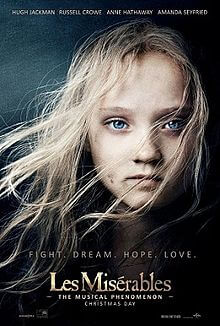
Les Miserables (Concert Suite) - Alain Boublil and Claude-Michel Schonberg - Gavin Somerset
Based on the book by Victor Hugo, Les Misrables has been entertaining audiences around the world since its first performance in London in 1985. Whilst the initial critical reviews were not favourable, the paying public disagreed and the success of the West End musical led to a Broadway production. The show had a big revival in 2012 with the release of the hit film. In this new specially arranged Concert Suite, which features a built in encore - the Epilogue to the show (should you wish to use it) and an optional cut omitting the more difficult sections (making the work accessible to lower section bands), this work gives your band the chance to bring a touch of Broadway to your audience. The Suite features the Prologue, On My Own, Bring Him Home, Master of the House, One Day More & Can You Hear The People Sing? A great audience pleaser and grand concert or contest work that belongs in every bands library.
In Stock: Estimated dispatch 1-3 working days
-
£24.50
Fakenham Fair - Traditional - A. Cook
The origins of the song Fakenham Fair are somewhat obscure. It was collected by Peter Bellamy, who performed it unaccompanied on his first solo LP, "Mainly Norfolk" in 1968, giving credit to a Peter Bullen of Norwich from whom he had learned it, Bullen in turn giving credit to his grandfather. But beyond that, other than it definitely being a Norfolk folk song, the rest is a mystery.Over the years, Fakenham Fair has become a firm favourite among folk audiences, probably the most famous version being the 2008 recording by folk supergroup 'Bellowhead' which this setting for brass band pays tribute to. A bright, quirky, and bouncy 5:4/10:8 waltz, the band parts dance back and forth from simple time to compound time and back again, giving a constant flow that somehow always feels natural despite the irregular rhythm... but which will also keep your audience guessing where the beat will land next! With solos and features for principal chairs around the band, nobody is left out of the fun. Engaging to listen to and even more so to play, Fakenham Fair is a perfect light concert item for the band that likes to show off their rhythmic and lyrical sides at the same time.
In Stock: Estimated dispatch 1-3 working days
-
 £29.50
Albion Treasures - Gavin Somerset
A stunning hymn-like medley that takes you on a trip around the British Isles. Starting in Scotland with "Highland Cathedral" which continues to make appearances throughout, and then into "Amazing Grace" whilst "Danny Boy" (Londonderry Air)" flows underneath. Whilst "Danny Boy" continues to build, "Swing Low, Sweet Chariot" is heard ringing over the top as the piece builds to its emotional climax. Afterwards, a quiet calm of all the pieces skilfully woven together softly flow whilst the tune to Parry's "Dear Lord & Father Of Mankind (Repton)" leaves us with a delicate, soft finish to the journey. Suitable for any standard of Brass Band.
In Stock: Estimated dispatch 1-3 working days
-
£29.50
Brass Monkey's American Tour - Gavin Somerset
It is well known that our learners learn much quicker if they can recognise the music that they are playing. The 'Brass Monkey's American Tour' ensures that your ensemble, whatever its size, will have fun and learn, whilst playing these well-known American classics. Melodies are passed around the band (with appropriate doubling up on parts) to ensure that every player has a chance to shine and contribute to the music. This selection is the perfect choice for teaching and performing.OH SUZANNAYANKEE DOODLE DANDYHOME ON THE RANGEWHEN JOHNNY COMES MARCHING HOME
In Stock: Estimated dispatch 1-3 working days
-
 £29.50
Countryfile - David Lowe - Guy James
First broadcast in 1988, the popular BBC programme airs weekly visiting various locations reporting on rural, agricultural, and environmental issues in the United Kingdom. With millions of viewers around the world (as far as New Zealand), the Coutryfile Calendar remains one of the highlights of the year with sales from the calendar raising millions of pounds for BBC Children In Need. This driving theme tune from composer David Lowe is an audience friendly work that that will be recognised across the country by listeners and players alike.
In Stock: Estimated dispatch 1-3 working days
-
£24.50
Hail, Smiling Morn! - Reginald Spofforth - Sam Fisher
For bands around the Yorkshire region, this title immediately conjures up images of Christmas and local carols, particularly in Sheffield. The song is a glee written in the early 19th Century by Reginald Spofforth and usually sang at both Easter & Christmas, has recently seen its popularity grow across the nation. Sam Fisher has taken the lively 6/8 dance and created a concert march from the raw material that fits the more traditional brass band march format.
In Stock: Estimated dispatch 1-3 working days
-
 £24.50
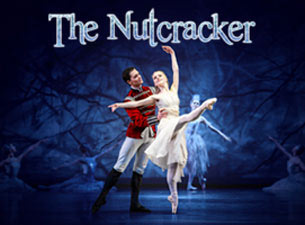
Nutcracker March - Tchaikovsky - Geoff Colmer
First performed in 1882, the Nutcracker Suite (which included this march) was a huge success and became highly popular. The march features in the ballet when the children march around the tree on Christmas eve, filled with excitement and anticipation of the next morning. Some great lip slurs for the Solo Cornets whilst Basses have moving staccato quavers to keep them occupied.
In Stock: Estimated dispatch 1-3 working days
-
£24.50
Sobre Las Olas - Juventino Rosas - Chris Gorman
This is possibly one of the best-known tunes around the world and is speculated to heard in more motion pictures than any other song. However, if you asked someone to "name that tune", then most would probably struggle. This classic Waltz has mistakenly in the past thought to be Viennese and has frequently thought to be the work of Johann Strauss II. The music is the most famous work of the composer and has long been associated in the US with fair ground rides and trapeze artists. This arrangement of the original work by Chris Gorman makes a perfect classical "Overture" work for your concert program.
In Stock: Estimated dispatch 1-3 working days
-
£24.50
Using Your Mobile - Various - Stephen Tighe
Its happened to most bands, in the middle of a quiet moment in the music, an audience member's mobile phone rings (or worse, a band members!!!). Now, all can be forgiven in the fantastic "tongue-in-cheek" piece of music. Based around the music of Johann Strauss, this lively arrangement pokes fun at the Grand Waltz (Nokia's preferred ring tone!), as well as some of the other often heard ring tones (William Tell etc). Fantastic entertainment value, working well in just about any concert.
In Stock: Estimated dispatch 1-3 working days
 View Music
 Listen to MP3