
Results
-
 £104.99
Cantabile (Brass Band - Score and Parts) - Harper, Philip
As long as we live there is never enough singing. - Martin Luther. Philip Harper composed this piece in response to his personal concern about the direction of new music for brass band. His goal with this 5 movement Cantabile, was to compose a piece which fully complied with all that is asked of a top-level test piece in the 21st Century, but also to reconnect with more traditional values such as lyricism in melody and richness of blended brass sound. Each of the 5 parts seek to capture this idea. Duration: 16.00
Estimated dispatch 7-14 working days
-
 £50.00
Keystone Kops (Brass Band - Score and Parts) - Davis, Carl - Littlemore, Phillip
The Keystone Kops was a series of silent comedies featuring an incompetent group of policemen. They first appeared in the 1912 film Hoffmeyer's Legacy but it was the 1913 feature The Bangville Police that confirmed their popularity. The Keystone Kops were renowned for making mistakes, particularly with a great deal of energy and activity, and all done with a major lack of coordination. Carl Davis's 3-minute tour de force is a fine encore piece!Recorded on Polyphonic QPRL218D Master Brass (Volume Fourteen)Duration: 3:00
Estimated dispatch 7-14 working days
-
 £29.95
Rosehill (Brass Band - Score and Parts) - Jakeway, Albert H.
The Salvation Army Assurance Society Band was the first Salvation Army band to take part in the Lord Mayor's Show, in 1928. The Society relocated from London to Reading at the beginning of World War Two and the title of this march is derived from the name of the Reading property. Rosehill is a fine march containing all the drama and pyrotechnics that make it suitable for a Whit Friday type march contest.
Estimated dispatch 7-14 working days
-
£14.95
Rosehill (Brass Band - Score only) - Jakeway, Albert H.
The Salvation Army Assurance Society Band was the first Salvation Army band to take part in the Lord Mayor's Show, in 1928. The Society relocated from London to Reading at the beginning of World War Two and the title of this march is derived from the name of the Reading property. Rosehill is a fine march containing all the drama and pyrotechnics that make it suitable for a Whit Friday type march contest.
Estimated dispatch 7-14 working days
-
 £60.99
Everybody Needs Somebody (Brass Band - Score and Parts) - Oud, Thijs
Sadly Solomon Burke, King of Soul and outstanding rhythm-and-blues singer, passed away in 2010, leaving behind many unforgettable hits. One of his most well-known songs is Everybody Needs Somebody. Thijs Oud's arrangement captures all the swing and funk that was the spirit of Burke!Duration: 2:45
Estimated dispatch 7-14 working days
-
 £29.50
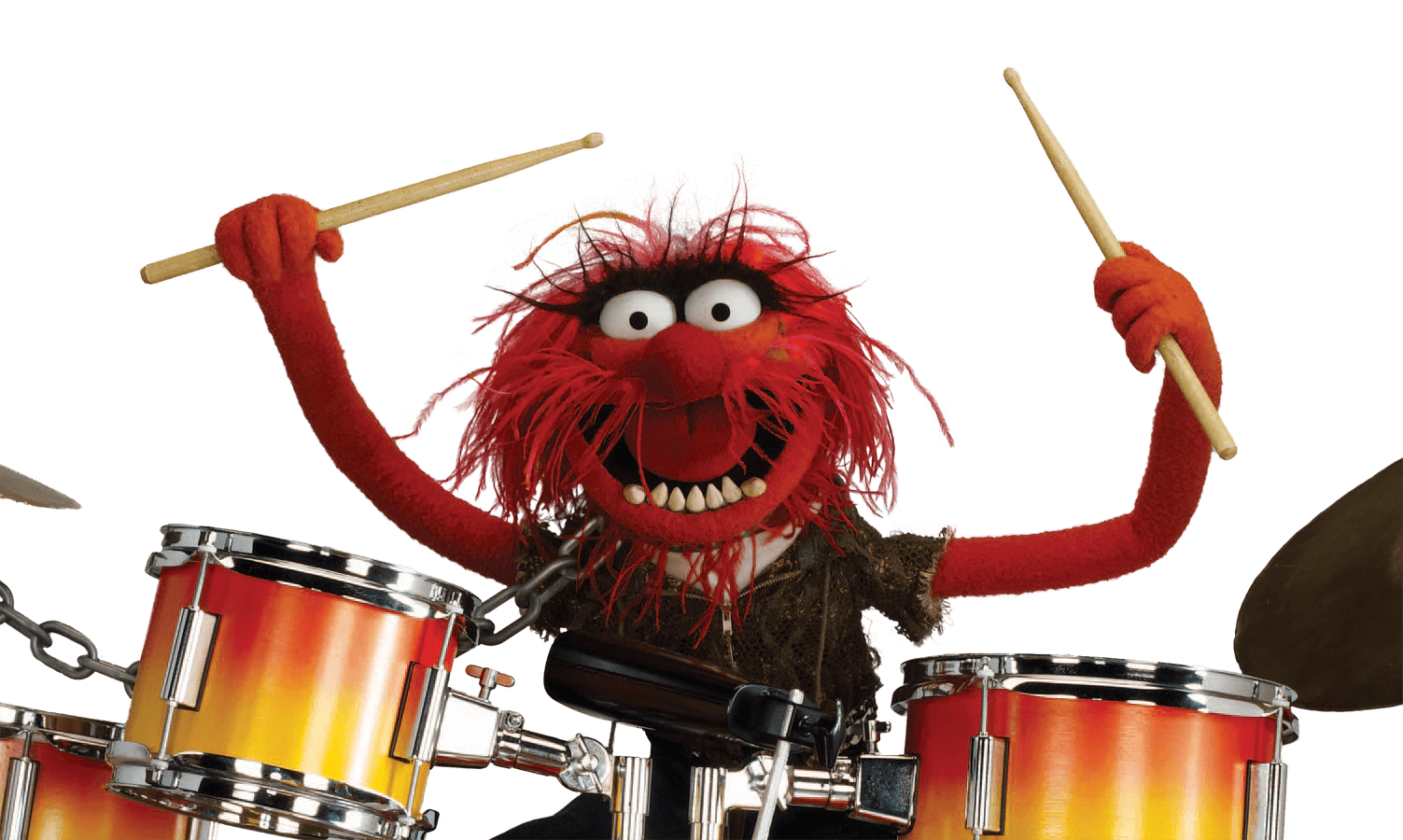
A Kit Of Fun - Gavin Somerset
Drummers are now an integral part of the modern brass band that they accompany. However, there are not too many chances for your drummer to take the limelight. All that can now change with this light-hearted new release. A light swing piece in style, this entertaining work offers drummers the chance to show off their skills and more importantly, is accessible to players of many levels. Whilst a drum part is clearly written out, the soloist is advised to 'ad lib' throughout, allowing the player to make their part as easy or as complex as they wish. This is great showcase item that is just something different from the norm and suits all concert programmes.
In Stock: Estimated dispatch 1-3 working days
-
 £37.50
Stories From The Steel City - Jonathan Bates
In 2013, Deepcar Brass Band, based in the north of Sheffield at the foot of the Pennines, celebrated their 25th Anniversary year. To that end, they commissioned the upcoming composer Jonathan Bates to pen a new work for the band that reflected not only the band's triumphant milestone, but also the history of the steel city. This exciting work features a variety of styles and has an interlude that hears the sounds of metal being clanged to conjure up images of the cities steelwork heritage. Jonathan Bates has since gone on to compose for many of the country's top bands and all his works see success with melodic lines and skilful use of the brass band colours.
In Stock: Estimated dispatch 1-3 working days
-
 £29.50
Run - Snow Patrol - Gavin Somerset
Very few songs covered by other artists are greeted with the same reception as Leona Lewis' cover version of this hit song. Whilst already a hit for Snow Patrol back in 2004, when Leona Lewis performed the song on BBC Radio One's 'Live Lounge', the DJ's and producers there on the day were reported to be tears. This highly emotional song lends itself well to the brass band sound and this arrangement by Gavin Somerset ensures your band can encapsulate audiences both on the bandstand and in the concert hall. The song's title may not be too familiar, however after just a few bars, the tune is instantly recognisable. A hit with the younger members of your band and one that people of all ages will know. A perfect addition to your concert programme and one that could see some of your audience singing!
In Stock: Estimated dispatch 1-3 working days
-
 £24.50
Seren Fach - Nigel Lawless
Meaning Little Star, this work is so beautiful and simplistic that is raises smiles from all who hear it. Whilst playing with James Shepherd Versatile Brass, Euphonium & trombone player, Nigel Lawless penned this new work as a gift to Rob & Claire Westacott on the birth of their daughter, Jessica. Now cleverly scored for full band, the work combines the two famous melodies of Twinkle, Twinkle Little Star and Brahms lullaby. Playable by most standards of bands, this slow melodic piece fits easily into any concert programme and provides a chance to showcase lyrical soloistic playing and delicate accompanying skills. The work was recorded on the JSVB final CD release, Legacy.
In Stock: Estimated dispatch 1-3 working days
-
 £10.00
The Once and Future King
DescriptionThe Once and Future King is a suite of three movements; each movement was inspired by an Arthurian legend. The first movement, 'Tintagel', concerns the famous Cornish promontory said to be the birthplace of King Arthur. In Arthur's time, Tintagel was part of the court of King Mark of Cornwall and the music imagines a visit by the King of the Britons to his Cornish neighbour and the place of his birth, reflecting the ceremony and drama of such an occasion; the music is strongly antiphonal, contrasting the more strident fanfares of the cornets and trombones with the warmth of the saxhorns and tubas.The second movement, 'Lyonesse', takes its inspiration from the mythical land which once joined Cornwall to the Isles of Scilly. One legend claims that after the disastrous battle of Camlan where Arthur and Mordred were both killed, the remnants of Arthur's army were pursued across Lyonesse to Scilly, whereupon Merlin cast a spell to sink Lyonesse behind them and drown the pursuers. Some say the bells of the 140 churches inundated that day can still be heard ringing. All the material in this movement derives from two short motifs heard in counterpoint at the very beginning, which are intentionally dissonant and bitonal in character.The final movement, 'Badon Hill', takes its title from the legendary site of Arthur's last battle with the Saxons and is a lively toccata based on the medieval secular song L'Homme Armee ('The Armed Man'). The music uses a number of medieval devices including "hocketing" (passing melody from one voice to another). The actual site of Badon Hill is unknown but it has been associated with Badbury Rings in Dorset and a lot of evidence now points towards the town of Bath. Arthur's victory at Badon Hill was the last great victory for Celtic Britain over the Saxon invaders, but in the end only set the conquest back by a few decades. Arthur himself was dead by then, betrayed and defeated by his nephew Mordred, but it is said that Arthur only sleeps and will return in a time of dire need - hence the legend that Arthur's dying words were: Bury me in Britain, for I am the Once and Future King.Performance NotesWhere space and practicality permits the opening movement should be played with cornets and trombones standing behind the band facing the audience; they should retake their seats for the second and third movements.PercussionConcert Bass Drum (ideally NOT Kit/Pedal Bass Drum), Suspended Cymbal, pair of Clash Cymbals, Glockenspiel, Snare Drum, Tambourine, 2 x Timpani (Eb-G, Bb-D), 2 x Tom-toms, Triangle, Tam-Tam* (only if available), Tubular Bells *(only if available).MutesBaritones, all cornets and trombones will require metal straight mutes; all trombones and cornets will require cup mutes.*The Once and Future King was set as the test-piece for the 3rd section of the Swiss National Championships in 2007. The score was then slightly revised in July 2008, the main alteration being the exclusion of the tubular bells part for the Regional Championships of Great Britain in 2009. Some parts which were optional (or cued on other instruments) at the request of the Swiss Brass Band Association were restored to their original octaves and instruments. In 2015 the tubular bells part was restored in the optional Percussion 3 part; all parts in Percussion 3 are optional, although some are cued in the percussion 1 & 2 parts (and the cues should be played if only two players are available).Listen to a preview and follow along with the score below!
Estimated dispatch 7-14 working days
 View Music