
Results
-
 £56.00
 -
 £54.00
THREE GIFTS FOR CINDERELLA - Svoboda Karel - Burki Mario
Estimated dispatch 7-14 working days
-
£40.00
Three Impromptus for Brass Band - Boodle, C
In Stock: Estimated dispatch 1-3 working days
-
 £29.50
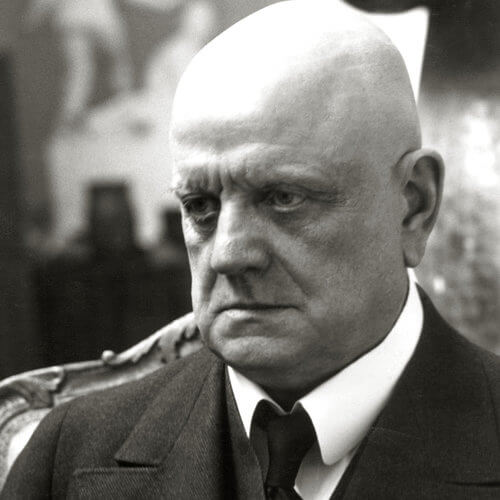
Sibelius Fantasy - Gavin Somerset
Composed in 2003 for a composition competition, this work uses elements of three major work by the Finnish composer Jean Sibelius (1865-1957). The three being... Symphony No.5, Finlandia, Karelia Suite (March) The piece starts with an atmospheric opening before setting of in bar 10 with a tempo that will remain for most of the piece. The main original theme is brought in at A before the famous sequence from Sibelius' Symphony No.5 enters at B and then very distinctly at C. The music then rollercoasts through keeping all sections of the band busy, until we reach J when the solo Euphonium can shine, helped along by Flugel and Repiano. The Molto Vivo before K sets off with dazzling trills from the cornet section, and bringing with it the theme from Finlandia in bar 165, followed shortly by the March from the Karelia Suite. From N to the end, all three pieces are brought to a final climax together. A rousing piece and makes an interesting change to a direct transcription.
In Stock: Estimated dispatch 1-3 working days
-
£29.50
Celebration - Lawrence Killian
Celebration for Brass Band is a suite of music in three movements.The piece's overall aim is to provide both the players and the audience with a positively uplifting and fun musical showcase. The listener is taken on a journey through the various moods and feelings associated with three types of celebration: birthday, anniversary, and jubilee. The music is generally light in character, a subtle blend of the familiar and not-so-familiar, with a few 'cheesy bits' to make you smile in between.The first movement is 'Birthday Treat', a light-hearted look at the fun and games surrounding a birthday party for any age. Opportunity is given within the music for the players and audience to join in and echo the sounds of a live party with exclamations of: "Happy Birthday!", "Congratulations!", "Well done!".The second movement in the suite is 'Anniversary', a touching musical tableau recalling memories of bygone days.The final movement, 'Jubilee', is precisely that. Full of jubilation, energy, and carnival, the music will engage the listener from the start. Listen out for musical snippets recalling the musical moods heard earlier in the first two movements.
In Stock: Estimated dispatch 1-3 working days
-
 £37.50
A Small Christmas Suite - Jonathan Mead
This fresh new Christmas Suite is an upbeat 'festive suite' from the pen of Welsh Composer, Jonathan Mead. It features three well known carols that have been given an overhaul concerts this year. The three movements can be played as one continuous suite, or separated and performed individually if time doesn't permit for the full suite to be performed. The first Movement features a 'jazzed up' version of O Come All Ye Faithful. Movement 2 allows the bands soloists to shine if a stunningly reflective setting of See Amid the Winter's Snow. The final movement sees Silent Night in a way you've never heard before and has all the 'razzmatazz', and big finish that your concert needs. A must for your band and audiences this Christmas Season.
In Stock: Estimated dispatch 1-3 working days
-
£29.50
Isle of Music - Max Stannard
This piece was written for the Friezland Band tour of the Isle of Man in 2025. It was performed as part of all three concerts the band gave in Douglas, Onchan and Castletown. It consists of three Manx traditional melodies which begins with a setting that incorporates driving energy into the song 'Arrane ny Niee', followed by the more plaintiff and reflective 'Arrane Oie Vie', before a lively finale of 'Hunt the Wren'. Duration c. 5 minutes
In Stock: Estimated dispatch 1-3 working days
-
£24.50
Brandenburg Concerto No. 2 (allegro) - J.S Bach - John Abbott
The "Brandenburg Concertos" were composed and dedicated to Christian Ludwig, Margrave of Brandenburg in 1721, however it seems now they were never actually played for him. This 1st movement has been kilfully arranged as a trio for Soprano Cornet and 2 Bb Cornets (solo cornet, and repiano). This is sure to test the strongest of players, utilising the soprano's high register and making work of the low register on the Bb cornets. As well as keeping the band entertained with running semi-quavers (and some wonderful intervals for the basses!!!) This certainly is a hard piece to perform for the three soloists, but its well worth the challenge.
In Stock: Estimated dispatch 1-3 working days
-
 £37.50
A Coventry Rhapsody - Karl Whelan
For bands searching for an 'Overture' kind of work to programme into their Christmas concerts, look no further. "The Coventry Carol" dates back to the 16th century and is one of three songs from a nativity play entitled "Pageant of the Shearman and Tailors" which was traditionally performed in Coventry. The carol itself depicts the "Massacre of the Innocents" in the nativity narrative from the "Gospel of Matthew", in which King Herod, orders the execution of all baby boys under the age of two in the vicinity of Bethlehem. In this Rhapsody, Karl Whelan takes the familiar tune and turns it into an impressive showcase for bands looking to give the audience something different and very enjoyable for their festive concerts.
In Stock: Estimated dispatch 1-3 working days
-
£24.50
Brandenburg Concerto No. 2 (allegro assai) - J.S Bach - John Abbott
The "Brandenburg Concertos" were composed and dedicated to Christian Ludwig, Margrave of Brandenburg in 1721, however it seems now they were never actually played for him. This 3rd movement has been kilfully arranged as a trio for Soprano Cornet and 2 Bb Cornets (solo cornet, and repiano). This is sure to test the strongest of players, starting with the famous trumpet opening. The Baritones, Euphoniums and Basses also play a very important role in this arrangement. This certainly is a hard piece to perform for the three soloists, but its well worth the challenge.
In Stock: Estimated dispatch 1-3 working days
 View Music
 Listen to MP3