
Results
-
 £45.00
This is the Moment
ABOUT THIS PIECE: Capture the drama and passion of Broadway with this stunning arrangement of This Is the Moment from the musical Jekyll and Hyde. Originally composed by Frank Wildhorn with lyrics by Leslie Bricusse, this powerful ballad has become a defining anthem of triumph and self-realisation, performed by countless artists around the world. This arrangement brings the emotional intensity of the original, offering a rich and rewarding experience for both players and audiences. With an unforgettable melody, This Is the Moment is a perfect choice for concerts, entertainment contests, or special occasions where you want to make an unforgettable impact. Whether you're a fan of musical theatre or simply looking for a piece that showcases the full expressive range of your band, this arrangement of This Is the Moment is sure to inspire and captivate. ENSEMBLE: Standard British Brass Band (with adaptations) WHEN YOU BUY THIS PRODUCT, YOU GET: High-quality printed score and parts LEVEL: 2 LISTEN: Click here (Cornet Solo Version) DURATION: 4 minutesEXAMPLE SCORE: Coming soon Looking for the cornet solo version of this piece? Click here. LEVEL GUIDE: Level 1- Accessible to all Level 2 - c. UK third section and higher Level 3 - c. UK second section and higher Level 4 - c. UK first section and higher Level 5 - c. UK championship section level
Estimated dispatch 5-7 working days
-
 £29.50
A Quiet Moment - Darrol Barry
There is a place in every concert programme for a piece of music that allows both the band and audience a moment to reflect. This composition by Darrol Barry is suitable for all bands and will make a perfect addition to your repertoire as bands look to commemorate the several anniversaries taking place over the next few years in relation to WWI and WWII. A lovely moving work that makes a great alternative to a hymn tune.
In Stock: Estimated dispatch 1-3 working days
-
 £67.20
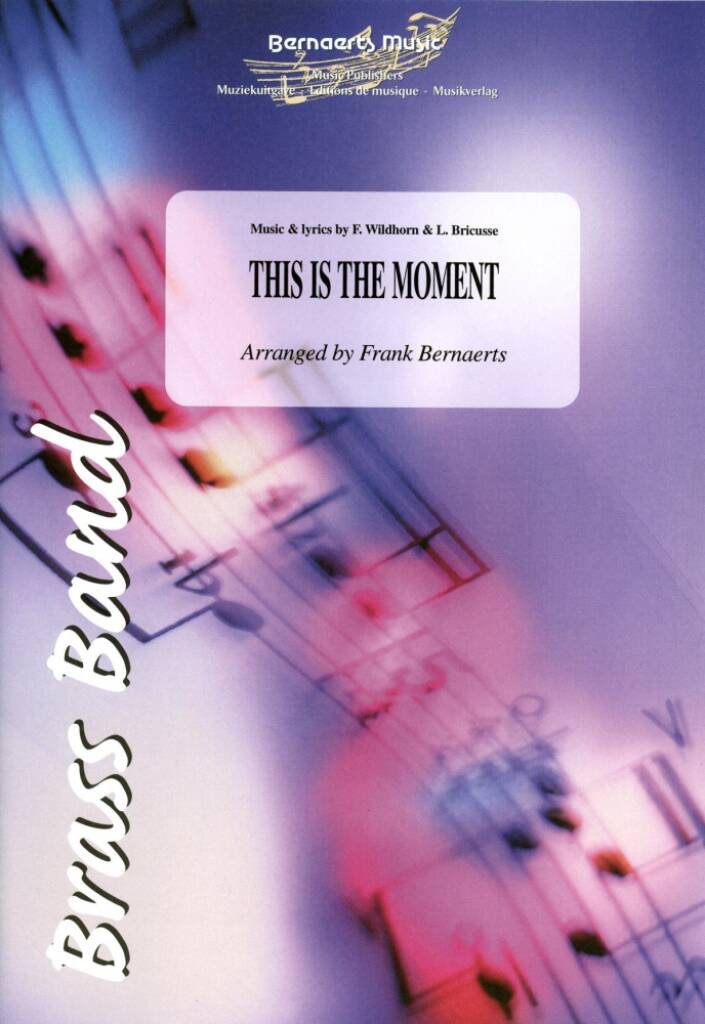
This Is The Moment - Frank Wildhorn - Jan van Kraeydonck
Estimated dispatch 5-14 working days
-
£24.50
Brass Chorale: Reflections - Daniel. A.D. Robinson
"Brass Chorale: Reflections" is a contemplative and emotive piece for brass band, lasting approximately four minutes. It begins with sombre, chant-like themes, evoking a deep sense of grief and introspection. As the music unfolds, a central theme emerges, offering a sense of hope and renewal. This hopeful melody is momentarily overshadowed by a bold and contrasting idea, before seamlessly blending into a soaring reprise of the central theme. The euph/bari shine in this climactic moment, soaring above rich, moving harmonies, and leading to a powerful and uplifting finale. Perfect for reflective concerts, memorials, or moments of profound expression in any brass band program.
In Stock: Estimated dispatch 1-3 working days
-
 £59.99
A Quiet Moment (Brass Band - Score and Parts) - Sparke, Philip
A Quiet Moment was written in memory of James Philip Krofta, a highly respected American conductor who died in the year 2006. This calm, wilful composition of Philip Sparke is equally at home on the concert platform as in the contest arena or at significant remembrance events when a quiet moment is required.Duration: 4:30
Estimated dispatch 7-14 working days
-
 £96.60
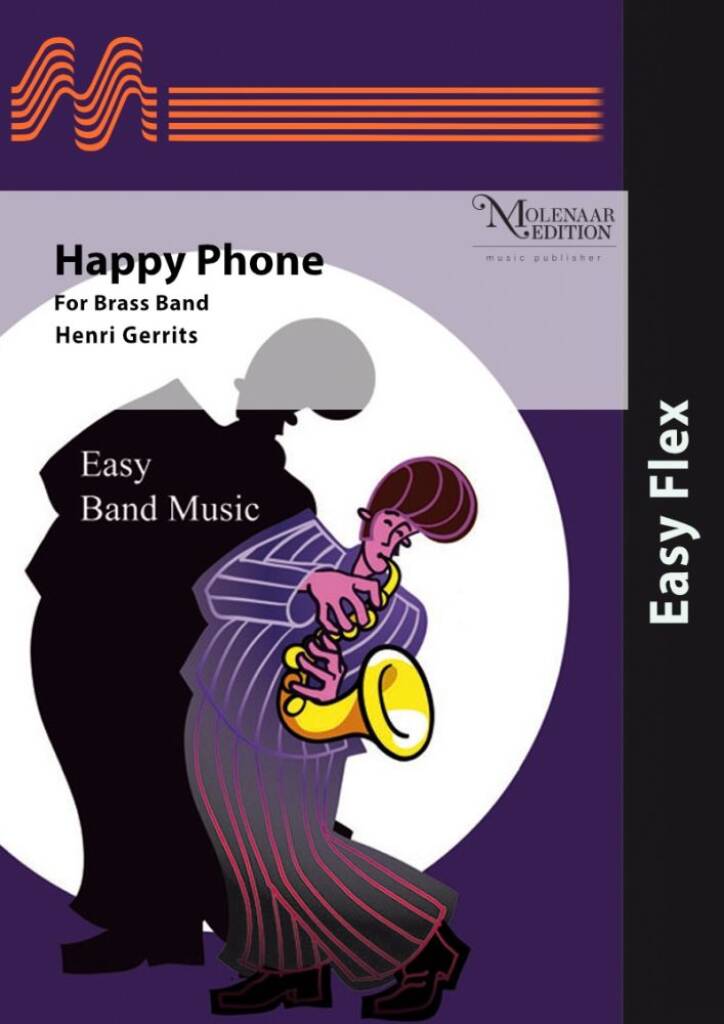
Happy Phone - Henri Gerrits
In this sparkling work, the conductor is interrupted in the middle of a musical adventure by a spontaneous phone call from a member of the orchestra. This unexpected moment adds an extra layer of liveliness and humour to the performance, creating a unique experience every time. This piece is perfect for training orchestras looking for a challenging and inspiring addition to their epertoire. A masterpiece that breaks the boundaries of traditional orchestral music and leaves unforgettable impression at every performance.
Estimated dispatch 5-14 working days
-
£69.99
Twins - Jan Hadermann
Twins is a composition about two children, born at the same moment, growing up together yet with totally different characters. One twin is sensitive and introverted whilst the other is much more lively and energetic. This is reflected in the musical motifs of the piece. The quiet first melody which gains tension through continuous transposition is succeeded by the joyous rocking melody of the second twin.
Estimated dispatch 5-14 working days
-
 £168.50
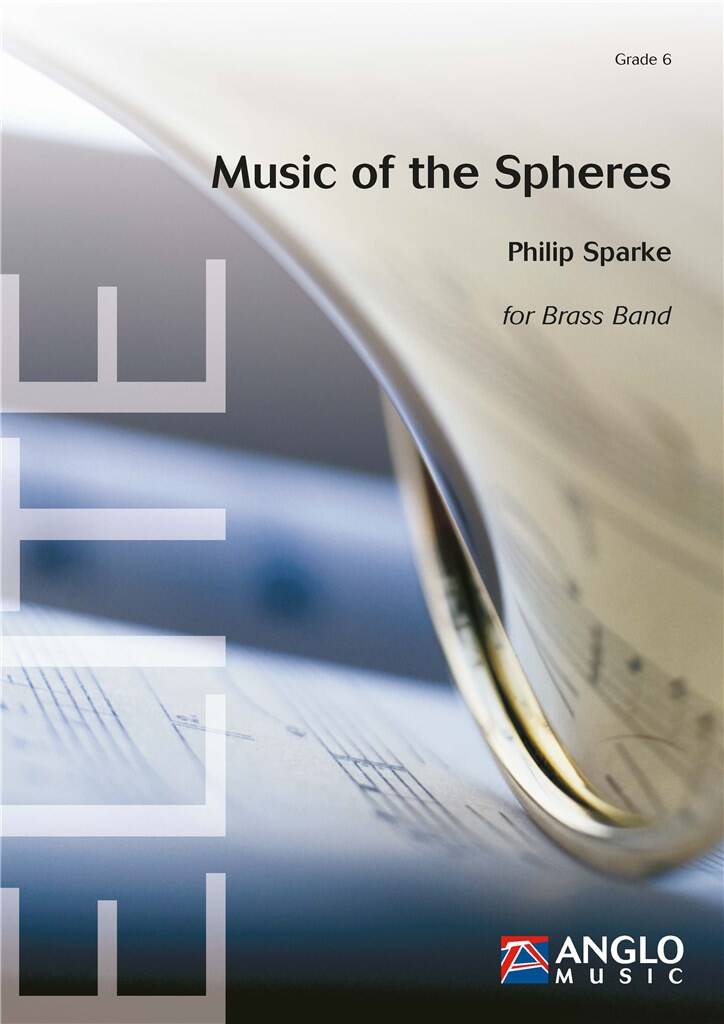
Music of the Spheres - Philip Sparke
Music of the Spheres was commissioned by the Yorkshire Building Society Band and first performed by them at the European Brass Band Championships in Glasgow, May 2004.The piece reflects the composers fascination with the origins of the universe and deep space in general. The title comes from a theory, formulated by Pythagoras, that the cosmos was ruled by the same laws he had discovered that govern the ratios of note frequencies of the musical scale. ('Harmonia' in Ancient Greek, which means scale or tuning rather than harmony - Greek music was monophonic). He also believed that these ratios corresponded to the distances of the sixknown planets from the sun and thatthe planets each produced a musical note which combined to weave a continuous heavenly melody (which, unfortunately, we humans cannot hear). In this work, these six notes form the basis of the sections Music of the Spheres and Harmonia.The pieces opens with a horn solo called t = 0, a name given by some scientists to the moment of the Big Bangwhen time and space were created, and this is followed by a depiction of the Big Bangitself, as the entire universe bursts out from a single point. A slower section follows called The Lonely Planet which is a meditation on the incredible and unlikely set of circumstances which led to the creation of the Earth as a planet that can support life, and the constant search for other civilizations elsewhere in the universe. Asteroids and Shooting Stars depicts both the benign and dangerous objects that are flying through space and which constantly threaten our planet, and the piece ends with The Unknown, leaving in question whether our continually expanding exploration of the universe will eventually lead to enlightenment or destruction.
Estimated dispatch 5-14 working days
-
 £68.99
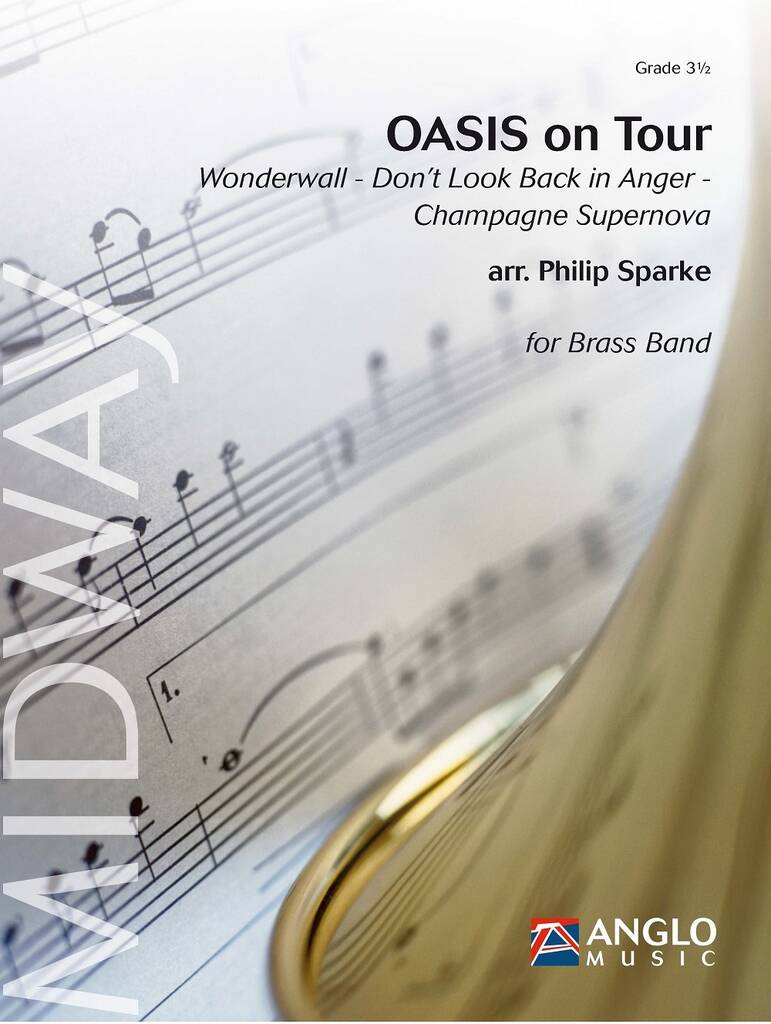
OASIS on Tour - Philip Sparke
The legendary English rock band Oasis reunites after fifteen years! Brothers Liam and Noel Gallagher will once more work their musical magic in a spectacular reunion tour in 2025. This is the moment that fans worldwide have been waiting for.With timeless classics like Wonderwall, Don't Look Back in Anger, and Champagne Supernova, the brothers return to the stage, touching a chord in a new generation and taking old fans back to the heyday of the 1990s.For this occasion, Philip Sparke has arranged a breathtaking medley. The nostalgia and raw energy of these iconic songs are guaranteed to give every musician and listener goosebumps. And so, this unique arrangement will add a new dimension to your concert programme.
Estimated dispatch 5-14 working days
-
 £74.99
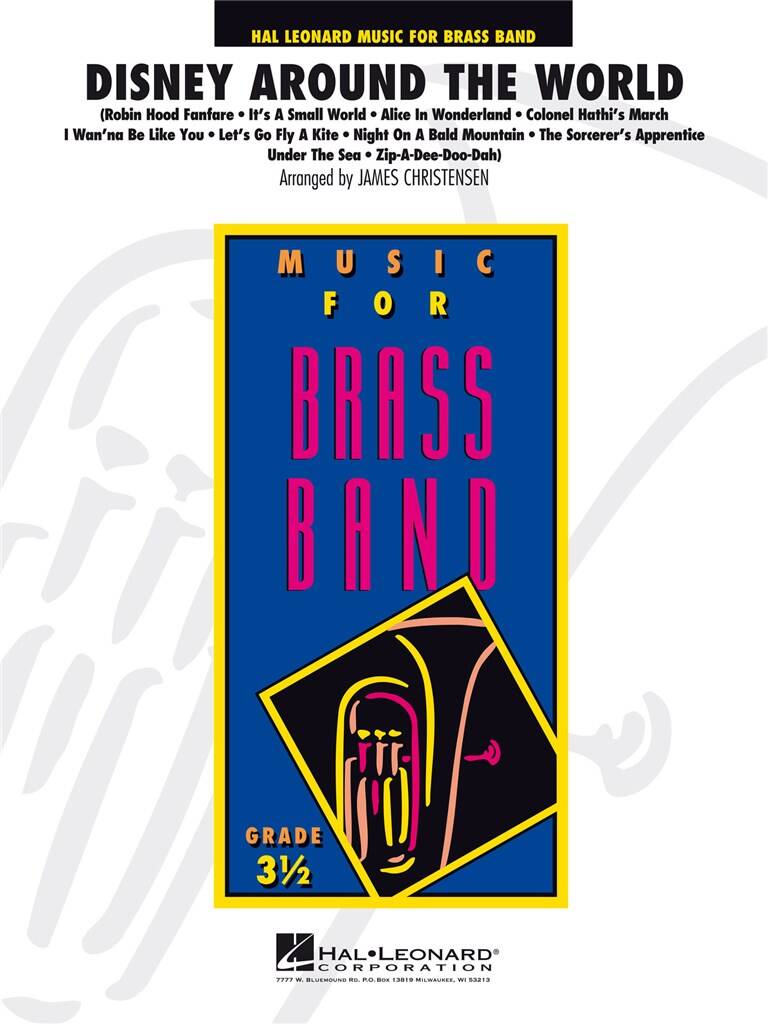
Disney Around the World - James Christensen
If you're a Disney fan, this is your moment! This medley for brass band by James Christensen contains many of the great hits from the rich Disney repertoire: Alice in Wonderland, Colonel Hathi's March, I Wanna Be Like You (Jungle Book), It's A Small World, Let's Go Fly A Kate (Mary Poppins), Night on Bald Mountain, Robin Hood, The Sorcerer's Apprentice, Under the Sea and Zip-A-Dee-Doo-Dah.
Estimated dispatch 5-14 working days
 View Music
 Listen to MP3