
Results
-
£48.00
Queen of the Ballet - Gilbourne, J
Includes a full band set (no score)
In Stock: Estimated dispatch 1-3 working days
-
£32.00
Queen of the South - Rimmer, W
Includes a full band set (no score)
In Stock: Estimated dispatch 1-3 working days
-
 £40.00
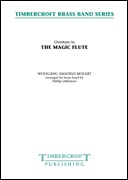
Magic Flute Overture, The (Brass Band - Score and Parts) - Mozart, Wolfgang Amadeus - Littlemore, Phillip
Mozart's The Magic Flute is a two-act opera composed in 1791, the year of his death. It was the culmination of a period of increasing involvement by Mozart with Emmanuel Schikaneder's theatrical troupe, which since 1789 had been the resident company at the Theater auf der Wieden. The Magic Flute is noted for its prominent Masonic elements; both Schikaneder and Mozart were believed to be Masons and also lodge brothers. Much of Mozart's Masonic music is written in the key of E flat. This key, with 3 flats is indicative of Masonic symbolism. There are other examples of the number three in the opera as well. The opening chords of the introduction sound three times, which also happens during the Temple scenes. Also represented in threes are the three temples of Wisdom, Reason and Nature. Tamino tries to open the three doors of the temple. There are three ladies, the attendants to the Queen of the Night, and three boys who serve as guides to Tamino and Papageno. Duration: 6:30
Estimated dispatch 7-14 working days
-
 £59.70
The Yiddish Snail (Bb & Eb Bass Duet with Brass Band - Score and Parts) - Ratnik, Peter
Two mighty warrior elephant snails stand at the ready to do battle, both seasoned campaigners in the art of snail war, both dreaming about their own speed and grander in art of battle. The battle begins at a snail's pace, with both mighty warriors slivering towards each other, neither is paying attention of where they are sliding, only caring for their snail statues. They slide into each other and bop heads, both are knocked out! Dreaming commences with both warrior snails believing that they are fast and the Queen of Sheba's champion. They battle in a comical fashion with banter between them more so than actual fighting, still convinced that they are great warriors. They suddenly wake from their bump induced knockout and slow back down to a snail's pace. These two Yiddish Snails, alas are just slow old Yiddish Snails - never the great warriors they dreamed of.
Estimated dispatch 7-14 working days
-
 £57.99
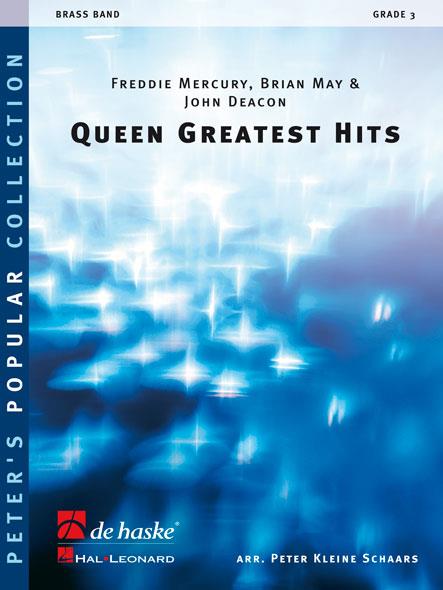
Queen Greatest Hits (Brass Band - Score and Parts)
Queen Greatest Hits is a veritable feast of fantastic melodies from one of the worlds largest supergroups. Includes: Bohemain Rhapsody, Another One Bites the Dust, Crazy Little Thing Called Love, We Will Rock You and We Are the Champions. Queen at their best!Duration: 6:25
Estimated dispatch 7-14 working days
-
 £19.95
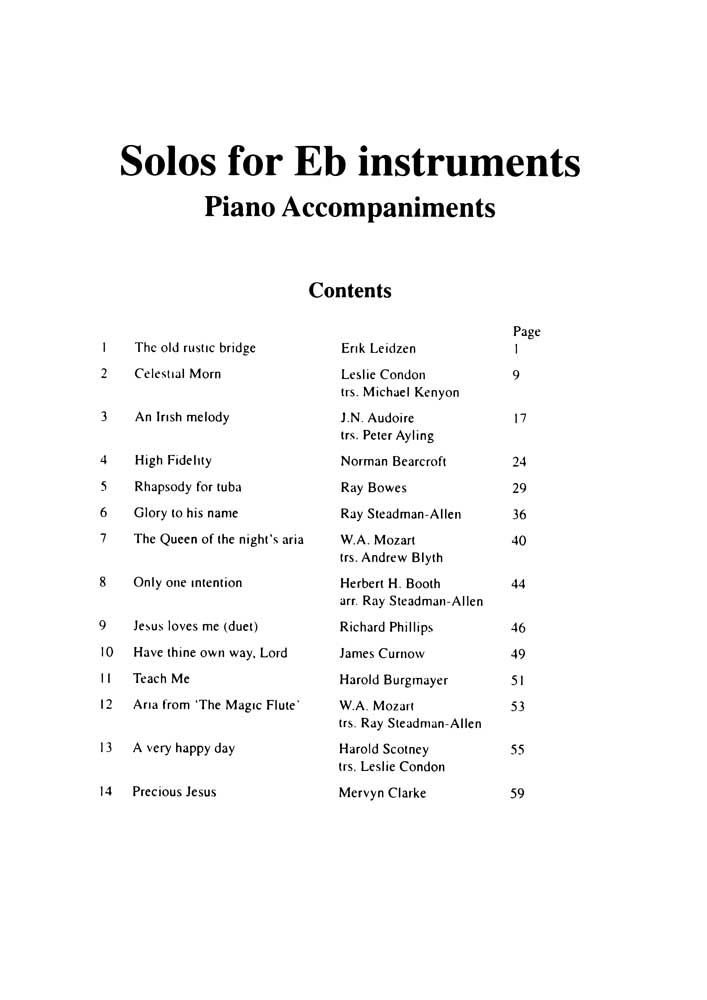
Eb Solos Album
Includes: The old rustic bridge; Celestial Morn; An Irish melody; High Fidelity; Rhapsody for tuba; Glory to his name; The Queen of the night's aria; Only one intention; Jesus loves me (duet); Have thine own way, Lord; Teach me; Aria from 'The Magic Flute'; A very happy day; Precious JesusInstrumentation: Solos for Eb Soprano Cornet, Eb Tenor Horn & Eb Bass with Piano Accompaniment
Estimated dispatch 7-14 working days
-
 £69.99
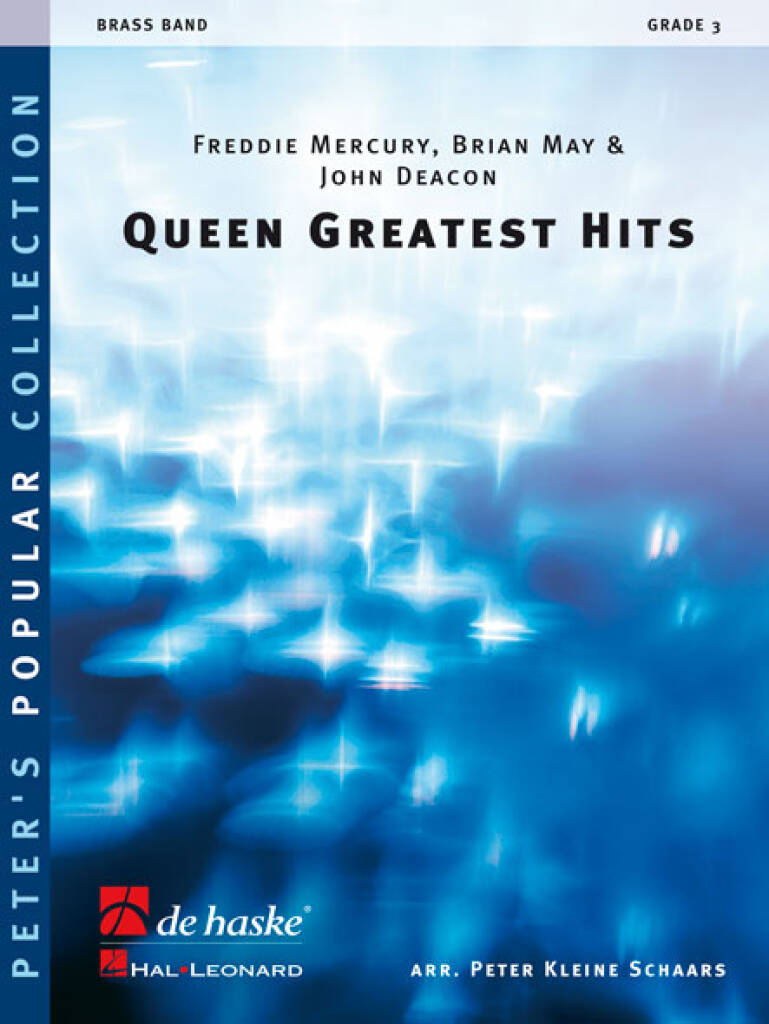
Queen Greatest Hits
Queen Greatest Hits is a veritable feast of fantastic melodies from one of the worlds largest supergroups. Includes: 'Bohemain Rhapsody', 'Another One Bites the Dust', 'Crazy Little Thing Called Love', 'We Will Rock You' and 'We Are the Champions'. Queen at their best!
Estimated dispatch 5-14 working days
-
 £127.30
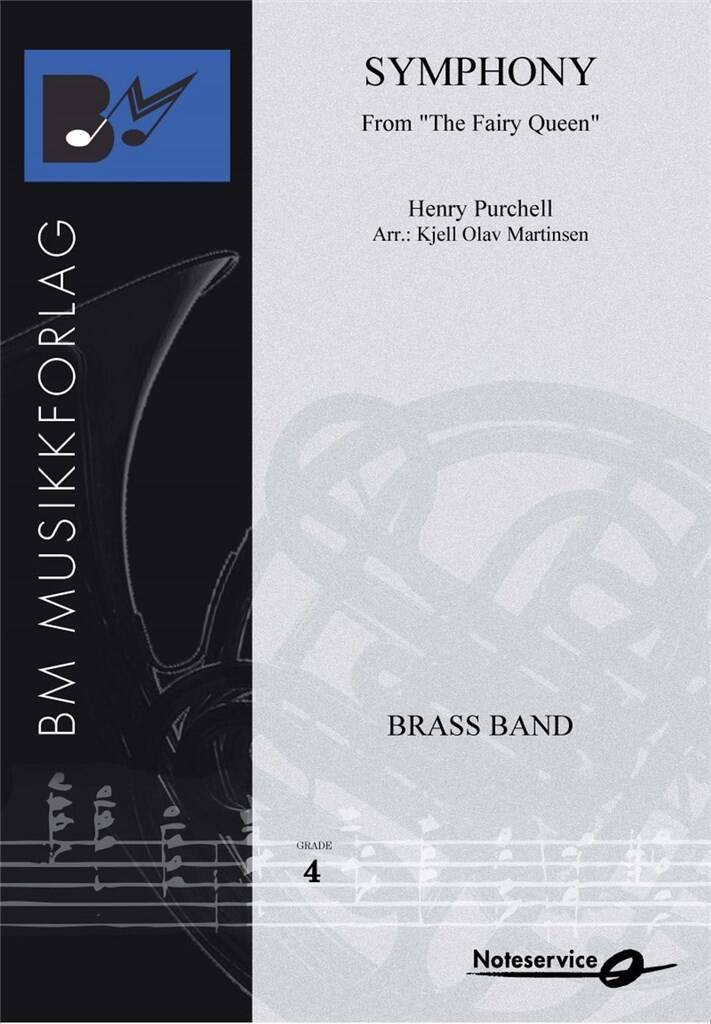
Symphony from The Fairy Queen - Henry Purchell - Kjell Olav Martinsen
Henry Purcell (1658 1695) is generally considered as one of the greatest English composers. He incorporated Italian and French stylistic elements into his compositions and made uniquely English baroque music. He has a rich production as composer, with works for orchestra, church, scene and vocal. In 1692, three years before his dead, he composed music to The Fairy Queen, who is a masque or semi opera who is a revised version of William Shakespeare's wedding comedy A Midsummer Night's Dream. This arrangement of Symphony is the overture to act number four.
Estimated dispatch 5-14 working days
-
 £60.99
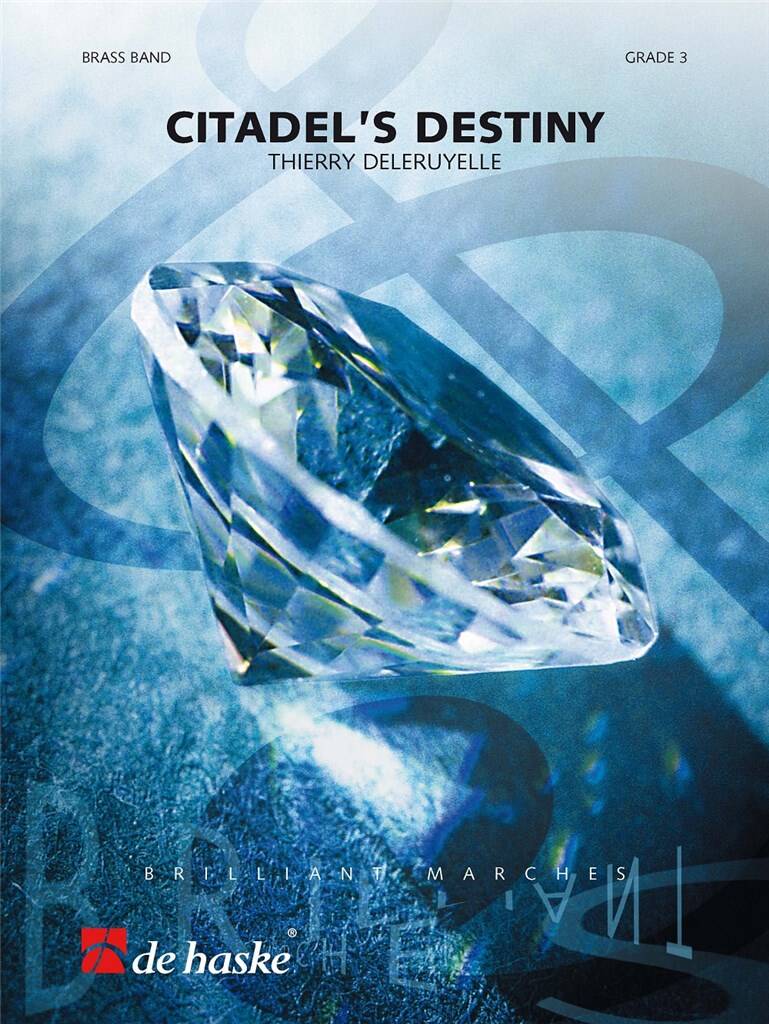
Citadel's Destiny - Thierry Deleruyelle
Citadel's Destiny is a march that can be performed either in concert or on parade. It was commissioned by the Musique de l'Infanterie de Lille. A special feature is that it adheres to the conventional codes of military marches, albeit with a modern twist. The title refers to the citadel built by Vauban in Lille, "The Queen of Citadels", with which the band shares a destiny. This march is still performed by the Infantry Band as part of their traditional concert repertoire.
Estimated dispatch 5-14 working days
-
 £87.99
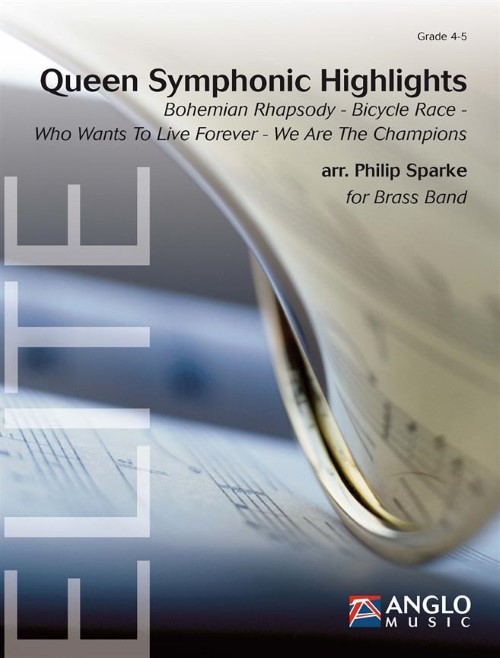
Queen Symphonic Highlights (Brass Band - Score and Parts) - Sparke, Philip
The British rock band Queen, formed in 1970, are one of the most popular bands of all time. The music of Queen already exists in numerous instrumental arrangements at all kinds of levels. However, arranger Philip Sparke has taken a unique approach: he has created an exceptional medley in a challenging, symphonic style from four of their greatest hits: Bohemian Rhapsody; Bicycle Race; Who Wants to Live Forever; We Are the Champions.Duration: 8.15
Estimated dispatch 7-14 working days
 View Music