
Results
-
 £125.00
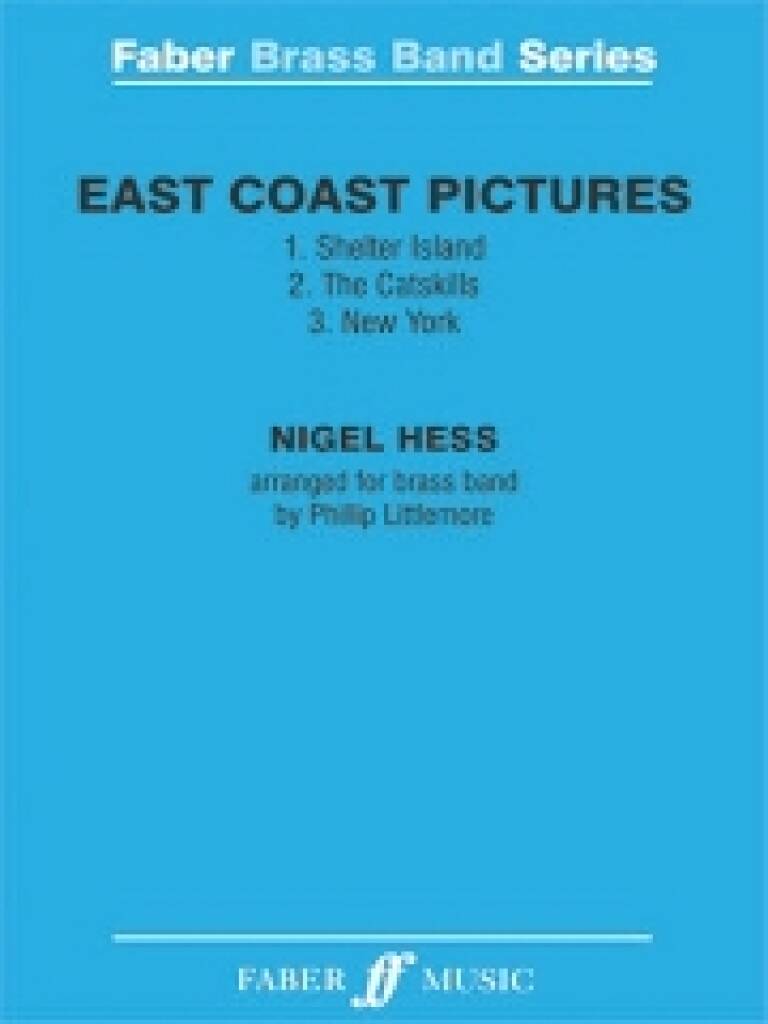
East Coast Pictures. - Nigel Hess
East Coast Pictures, originally written for wind band, have now been transcribed by Phillip Littlemore, introducing these exciting programmatic pieces to a wider audience. These three short 'pictures' wereinspired by several visits by the composer to a small part of the USA's East Coast, an area that provides great extremes in the geography and the people. Shelter Island is a small island situated almost at the end of LongIsland, a few hours' drive east of New York. In the summer it becomes a crowded tourist trap, but in the winter it is gloriously deserted, and bravely faces the onslaught of the turbulent Atlantic, shrouded in sea mistsanddriving rain. In upstate New York lie the Catskill Mountains, an extraordinary combination of tranquillity and power, peace and majesty. Once seen they call you back again and again. New York ...or, to be precise, Manhattan.For anyone who is familiar with this bizarre and wonderful city, this 'picture' needs no explanation. For those not yet hooked, here is a foretaste of things to come.
Estimated dispatch 5-14 working days
-
 £55.00
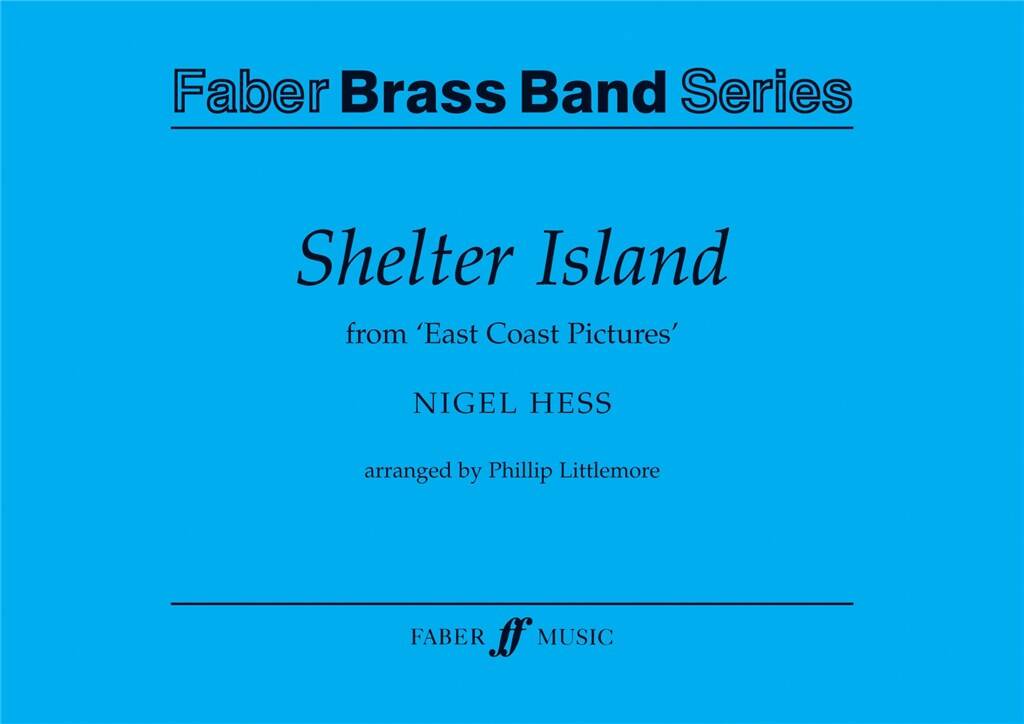
Shelter Island. - Nigel Hess
Shelter Island is a small island situated near the end of Long Island, a few hours drive east of New York. In the summer it becomes a crowded tourist trap but in the winter it is gloriously deserted, and bravely facesthe onslaught of the turbulent Atlantic, shrouded in sea mists and driving rain. This brass band transcription, by Phillip Littlemore, is of the first movement of East Coast Pictures, originally written for wind band, and wascommissioned in 1985 by the British Youth Wind Orchestra with funds from National Westminster Bank plc. These three short 'pictures' were inspired by several visits by the composer to a small part of theUSA'sEast Coast, an area that provides great extremes in the geography and the people.
Estimated dispatch 5-14 working days
-
 £109.99
Nordic Moods - Tom Brevik
The composer:1st movement: Reflections by the Fjord.Overlooking one of the mighty fjords of Norway, my mind and thoughts are with an old religious Norwegian folk-tune, with words by the famous parson Peter Dass.The majestic fanfare-likeopening reflects the power of God our Father, the choral itself heard for the first time on flugelhorn. The choral is repeated a few times, separated only by some short variations. The movement ends in thriumph, with fanfares and the choral broughttogether.2nd movement: Reflections in the Old Church.In this movement my associations of a summer day, finding myself alone in an old deserted stone church. From the old walls I hear folk songs, perhaps like the ones sung in the church bypoor fishermen and farmers in days gone by. Suddenly the light from the sun breakes through the small circular window above the altar, and a lovely melody is heard, before the original figures take us to the end of the movement.3rd movement:Festive Reflections.Any festive occasion can be reflected in this movement. from the bonfire at midsummer-night to the children celebrating the return of the sun in the northern part of Norway. from the traditional sleigh-riding at Christmas tothe Celebrations of the National Day on the 17th of May each year.
Estimated dispatch 5-14 working days
-
 £55.40
Three Russian Folk Songs - Andrew Pearce
Three popular Russian folk songs, including: 1. 'Kalinka', a Russian song written in 1860 by the composer and folklorist Ivan Larionov, first performed in Saratov as part of a theatrical entertainment that he'd composed. It has a bright, speedy tempo, featuring soloists from each section. 2. 'Krasny Sarafan' (The Wedding dress or Red Summer Dress) is a beautiful, slow and lyrical song. 3. 'My Little Gypsies' ends the suite at a brisk pace with vigour and vitality, featuring every section of the ensemble!
Estimated dispatch 5-14 working days
-
 £69.30
Hangin' On! - Dean Jones
This swinging composition from the popular composer Dean Jones is a tribute to the much loved 'Light Walk' from Barry Gott. This is a delightful interlude during a heavy concert, and perfect for a summer evening's performance.
Estimated dispatch 5-14 working days
-
 £184.00
The Maestro - Andrew Pearce
The Maestro, a concertino voor trompet en band, was commissioned by Philip Cobb, principal trumpet of the London Symphony Orchestra. I spent most of Summer 2011 in Prague and London composing this demanding piece, for this was a wonderful opportunity to write a large scale work for one of the world's finest Trumpet virtuosos and I accepted the assignment with great enthusiasm. I also felt a great responsibility to deliver a tour de force for this world class player that was both challenging and enjoyable. Phil was seeking melodies and themes in the piece and had enjoyed my album 'Cinema Symphony', and the dramatic vistas it conjured up. Before writing began, I listened to his beautiful album 'Life Abundant' many times, ensuring I had his sound in my head while writing. The piece represents the many aspects of a contemporary trumpeter's musical life from; brass band chorale (a homage to Phil's musical roots), to the symphonic concert hall to the film recording studio. I am delighted to have had Phil and the International Staff Band record this work under the baton of Dr Stephen Cobb. Its a tour de force not only for the soloist but also for the band and should be an exciting challenge for the very best bands out there.
Estimated dispatch 5-14 working days
-
 £92.20
Go Far - Svein Fjermestad
The Title Go Far is a word play referring to what the players are going to (GO FAR!) and the musical inspiration from the TV-series Fargo (Mr. Wrench & Mr. Numbers). The piece is very groovy and especially the drum kit needs to lead the band and preferably sound like good, old John Bonham (drummer in the band Led Zeppelin). The melody is inspired by cool Native Americans and the band really needs to bring their primal roar! The piece was written for Eikanger-Bjorsvik Musikklag and their annual summer band camp Feriespel in 2017
Estimated dispatch 5-14 working days
-
£54.99
Barcelona '92 - Horst Schelcke
The Olympic Games from the summer of 1992, officially known as theGames of the XXV Olympiad of the modern era, were held in the sunnySpanish city of Barcelona. This was the first time the Olympic Gameshad been held in Spain, and to celebrate this Horst Schelke composedthis rousing concert march with a typically Spanish feel. Relive theexcitement of this great event with this superb march.
Estimated dispatch 5-14 working days
-
 £59.99
Lairg Muir - Philip Sparke
The River Alladale provides the inspiration for this lyrical piece which has a lilting melody with an unmistakeable Scottish feel. The trio of Flugel Horn, Tenor Horn and Baritone provide a wonderful sense of flowing with the river which, as the piece progresses, broadens and grows stronger as it nears the outlet to the sea by the Summer Isles. Bring a touch of Scots magic to your concert with this delightful piece.
Estimated dispatch 5-14 working days
-
 £69.99
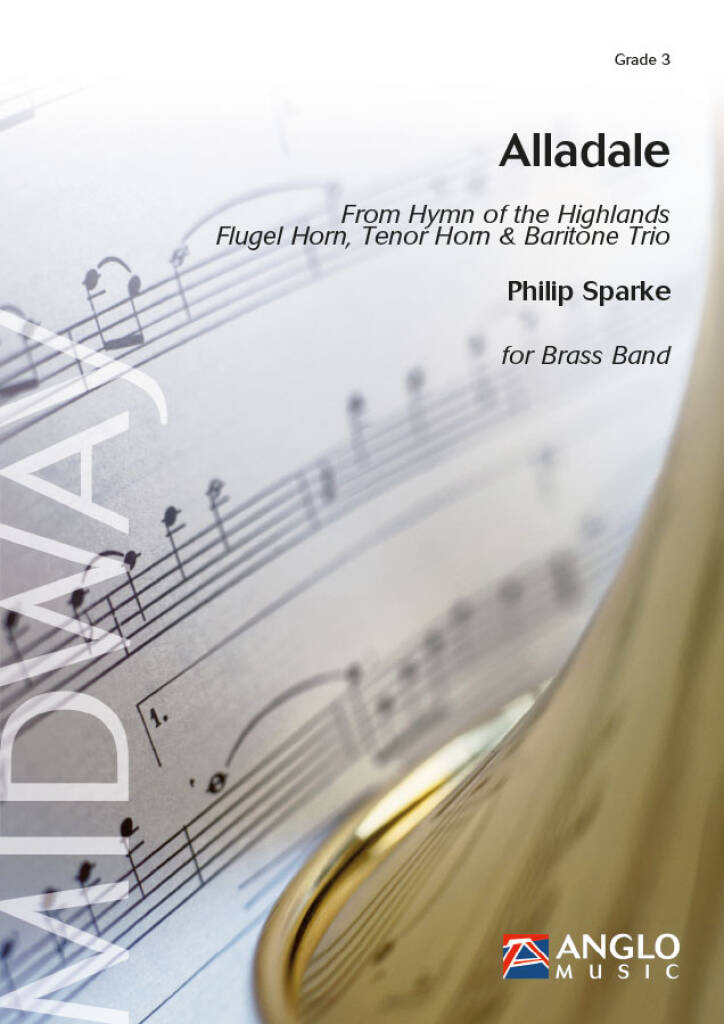
Alladale - Philip Sparke
The River Alladale provides the inspiration for this lyrical piece which has a lilting melody with an unmistakeable Scottish feel. The trio of Flugel Horn, Tenor Horn and Baritone provide a wonderful sense of flowing with the river which, as the piece progresses, broadens and grows stronger as it nears the outlet to the sea by the Summer Isles. Bring a touch of Scots magic to your concert with this delightful piece.
Estimated dispatch 5-14 working days
 View Music