
Results
-
 £127.30
What Now My Love - Gilbert Becaud - Ray Farr
What Now, My Love was written in 1961 by composer Gilbert Becaud and lyricist Pierre Delanoe with the original title Et Maintenant.Very many top, internationally renowned artists have recorded this song including Elvis Presley, Frank Sinatraand Shirley Bassey.Ray Farr has set the emotional song to the ostinato of Ravel's Bolero, and features several soloists from within the band.
Estimated dispatch 5-14 working days
-
 £127.30
Song for Frances - Øystein Olsen Vadsten
"Song for Frances" is a classic love ballad, written for concert band and brass band, with a soloist on euphonium.The piece always has the soloist in focus and gives him plenty of room to show off, both a warm sound and technical skills. In the first part of "Song for Frances", the basic melody is clearly presented, while the rest of the piece is more of a written "as if improvisation" with various melodic and technical "whims". The piece will be perfect for any euphoniumist looking for a challenge.
Estimated dispatch 5-14 working days
-
£54.99
All You Need Is Love - John Lennon - Thijs Oud
The Beatles remain the biggest-selling British group of all time with their countless hits and timeless classics written by John Lennon and Paul McCartney.All You Need Is Love is one such song that recently made it into the top 40 pop songs of all time. In this arrangement Thijs Oud has utilised all the original Beatles elements whilst, at the end, integrating 'snippets' of many more of their hits.Perfect for all concert programmes this will also make an excellent finale to your events.
Estimated dispatch 5-14 working days
-
 £60.99
Love and Marriage - James Van Heusen - Klaas van der Woude
Frank Sinatra had a massive hit with his interpretation of this classic song, singing directly to the hearts of the audience, so ensuring its popularity with listeners of all ages. In a similar way this arrangement will appeal to audiences young and old alike. Bring the sparkle of 'Old Blue Eyes' to any concert with this classic song.
Estimated dispatch 5-14 working days
-
 £45.99
L-O-V-E - Christopher Bond
L-O-V-E was written by Milt Gabler and Bert Kaempfert for the final album of the same name by the American singer and pianist Nat King Cole. This album, released in 1965, is largely regarded as a classic. Over the years, many cover versions have been made, including one by Michael Buble. In 2007, the English soul singer and songwriter Joss Stone recorded the song for the promotion campaign around the Coco Mademoiselle perfume by Chanel. Christopher Bond arranged this catchy music for brass band.
Estimated dispatch 5-14 working days
-
£60.99
Love Can Build a Bridge - Ron Sebregts
This arrangement for brass band of the successful song Love Can Build a Bridge includes a beautiful cornet solo. A splendid addition to any concert.
Estimated dispatch 5-14 working days
-
 £54.99
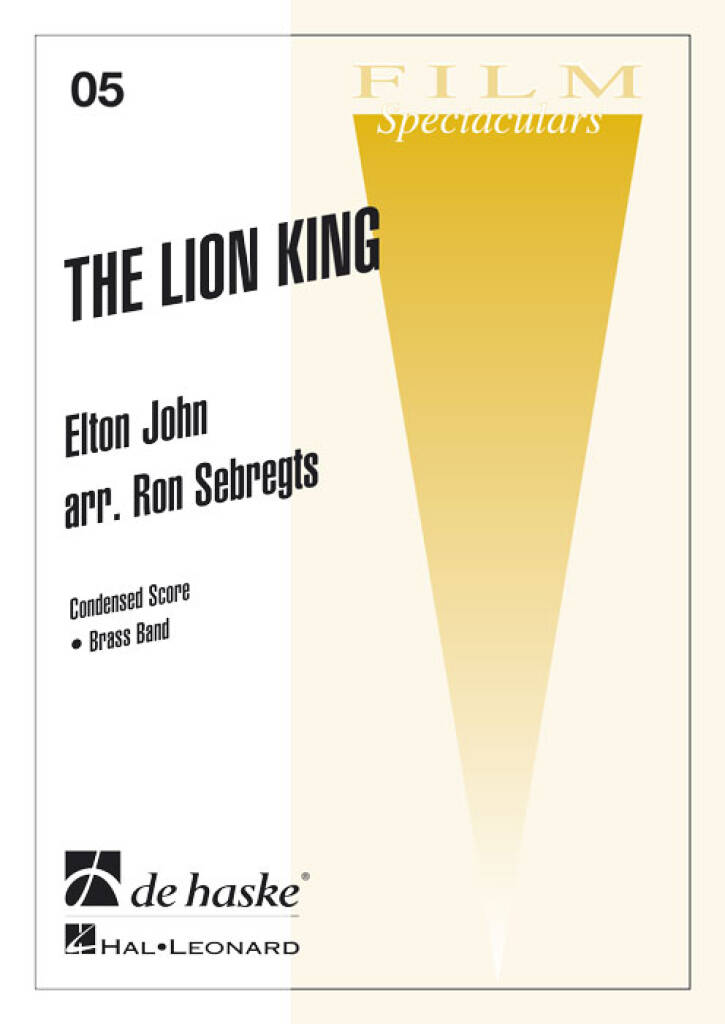
Can You Feel the Love Tonight - Alan Mencken - Ron Sebregts
The Lion King was a smash-hit box office success all over the world, and is still the highest grossing 2D animated film in the US. Can You Feel The Love Tonight, is a delightful concert band arrangement of the song from this Walt Disney classic, sung and composed by Elton John. A Disney favourite for young and old alike, your musicians will look forward to playing this piece both in rehearsal and in concert!
Estimated dispatch 5-14 working days
-
 £127.30
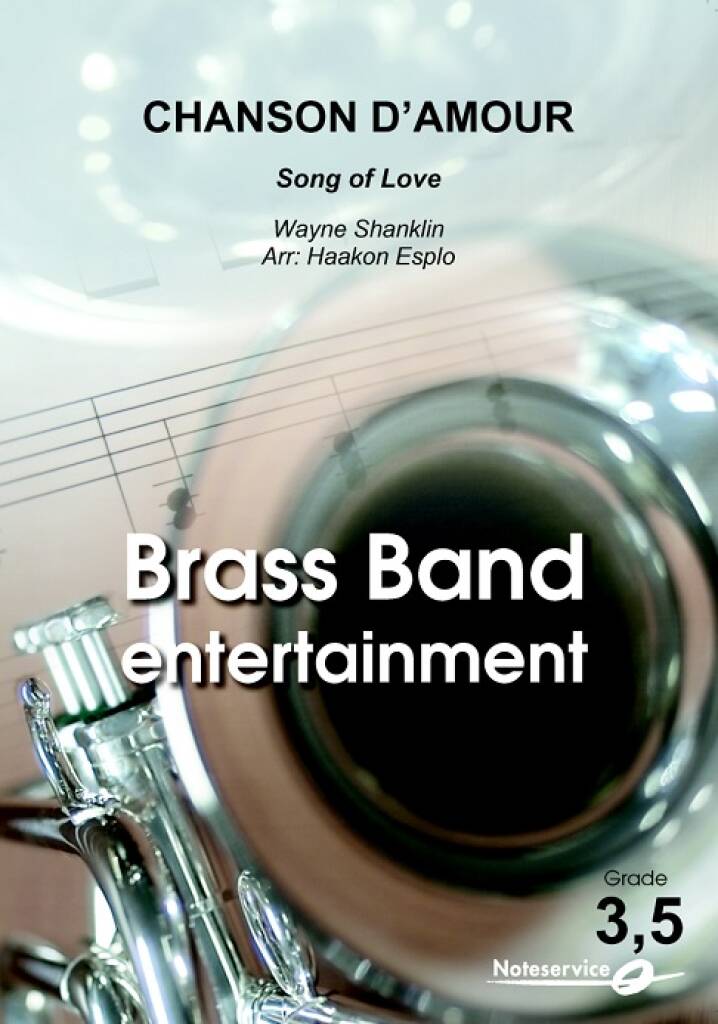
Chanson D'Amour - Wayne Shanklin - Haakon Esplo
Chanson DAmour ("Song of love") is a popular song written by Wayne Shanklin. It became a Top Ten hit in 1958 performed by Art and Dotty Todd. The married couple were the resident act at the Chapman Park Hotel in Los Angeles at the moment.A1977 recording by the Manhattan Transfer was an international hit, reaching no 1 in the UK Singles Chart and in Australia. The recording sold 1,8 million albums in Europe alone. Many artists worldwide has recorded Chanson d'amour in Englishand in native languages.
Estimated dispatch 5-14 working days
-
 £105.20
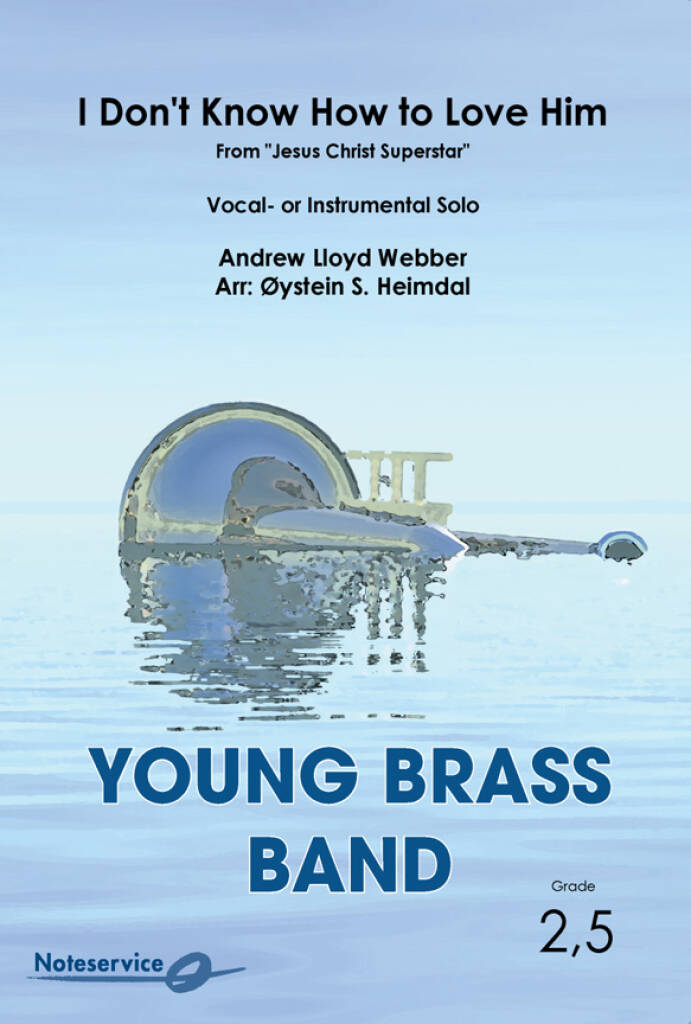
I Don't Know How to Love Him - Andrew Lloyd Webber - Øystein Sjøvaag Heimdal
This is a ballad from the rock-opera "Jesus Christ Superstar" written by Andrew Lloyd Webber (Music) and Tim Rice (Lyrics). Together with the title song, this ballad is the most popular tune from Jesus Christ Superstar. It's recorded and performedlive by many artists since the music saw the light of day in 1971.This arrangement can be performed with a vocal- or instrumental solist. In addition to the vocal solo part, there are also solo-options for the followinginstruments:Eb-Cornet Bb-Cornet Eb-Horn Flugelhorn Baritone - Euphonium - Trombone
Estimated dispatch 5-14 working days
-
 £84.99
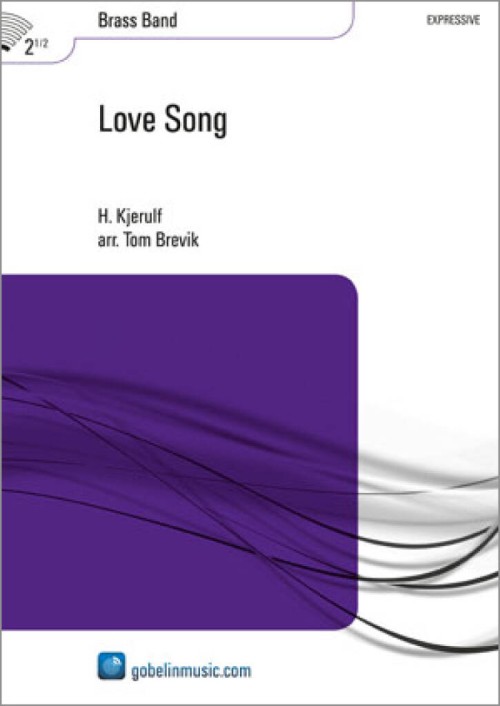
Love Song (Brass Band - Score and Parts) - Kjerulf, Halfdan - Brevik, Tom
Melancholy and romance in a contemporary setting. A small but brilliant gem of sonority based on a melody by the Norwegian composer Halfdan Kjerulf (1815-1868). Romance and a full command of timbre are the challenging cornerstones of any successful interpretation of Love Song. An ideal moment of tranquillity in your programme.Duration: 3.30
Estimated dispatch 7-14 working days
 View Music