
Results
-
 £29.50
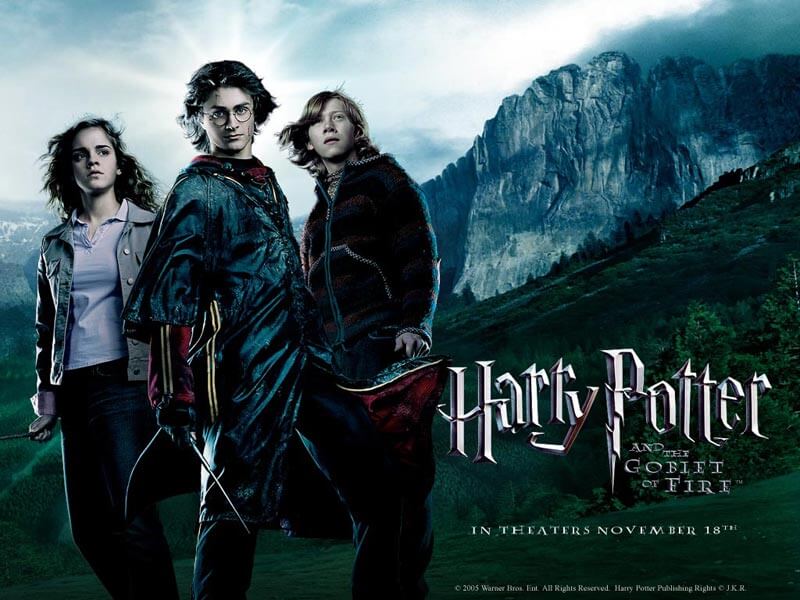
Hogwart's March - Patrick Doyle - George Marshall
From the fourth installation of the Harry Potter series comes 'Harry Potter & The Goblet of Fire'. This was the first of the Harry Potter films not to be scored by John Williams. Instead, Scottish Composer, Patrick Doyle was handed the gauntlet and he produced a gem of a score that lived up to the magic on screen. Although darker than the previous three films, the light-hearted 'Hogwart's March' featured predominantly at the Triwizard tournament. Now available for band, this work is perfect for band's looking to add a little magic to their programme. Instantly recognisable by the younger players and audience, and a different take on the traditional Brass Band march. To download the Solo Cornet part, please CLICK HERE . To download the Solo Horn part, please CLICK HERE . To download the Solo Euphonium part, please CLICK HERE . To download the playback audio to play along to, please RIGHT CLICK HERE & Save As .
In Stock: Estimated dispatch 1-3 working days
-
 £37.50
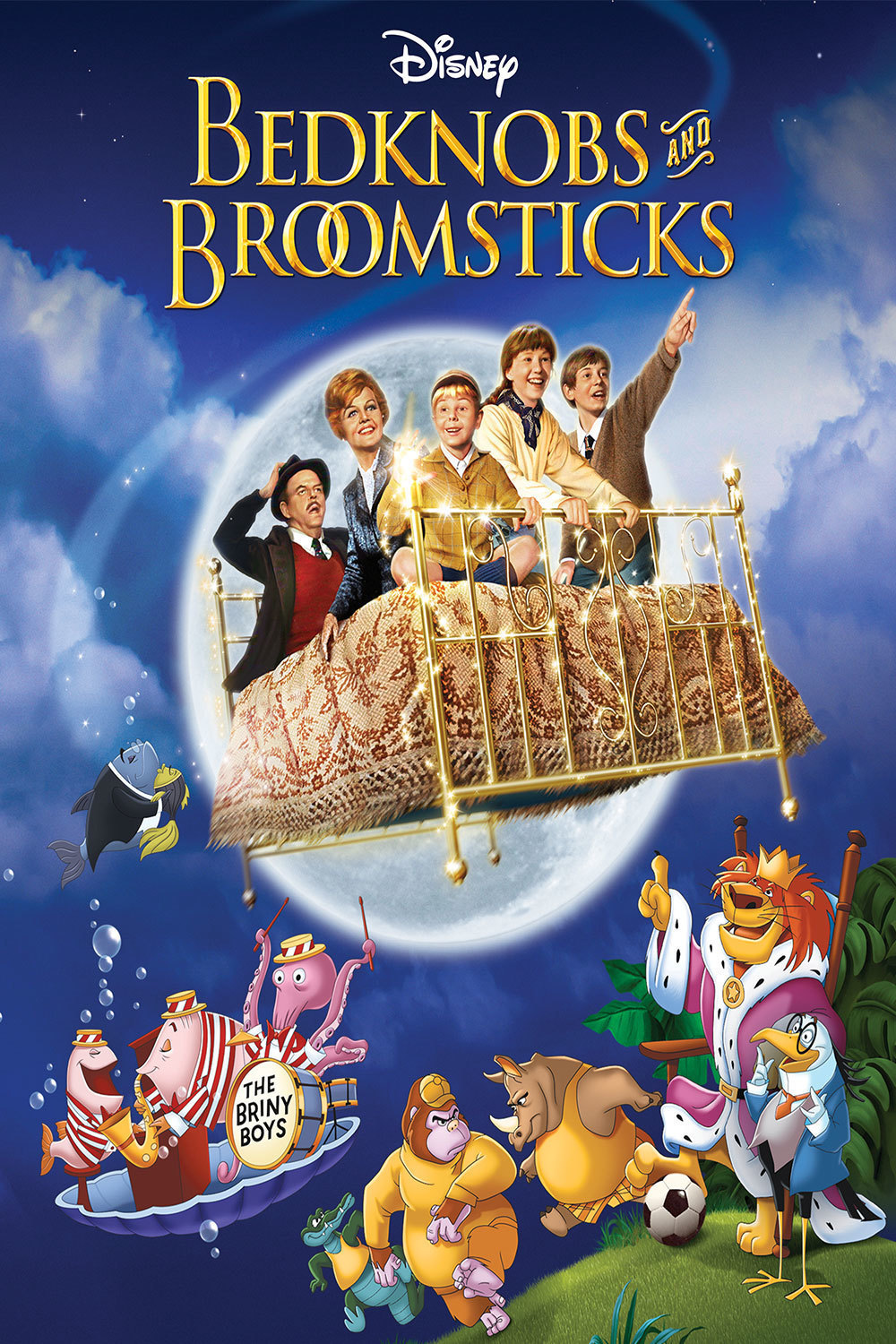
Bedknobs & Broomsticks - Sherman & Sherman - Gavin Somerset
After the success of Mary Popping in 1964, Disney once again had a hit on their hands seven years later with the release of 'Bedknobs & Broomsticks'. Set in 1940, the film told the story of Eglantine Price, a spinster who was learning the ways of witchcraft to help Britain with the War effort. Richard & Robert Sherman provided another excellent score, with memorable songs that now for the first time, are available for Brass Band. This toe-tapping new work features The Old Home Guard, The Age of Not Believing, Portabello Road and, The Beautiful Briny Sea (with added bubbles!). Audiences of all ages will appreciation this title and is a great addition to any concert programme. Whilst rehearsals are suspended due to Covid-19, we are making some parts available to download FREE for home use and practice, alongside a downloadable backing track to play along to. To download the Solo Cornet part, please CLICK HERE . To download the Solo Horn part, please CLICK HERE . To download the Solo Euphonium part, please CLICK HERE . To download the Eb Bass part, please CLICK HERE . To download the playback audio to play along to, please RIGHT CLICK HERE & Save As .
In Stock: Estimated dispatch 1-3 working days
-
 £29.50
Grandfather's Clock - G Doughty - Gavin Somerset
One of the most popular Euphonium solos in the Brass Band repertoire has now been transcribed and re-arranged for the Eb Instruments of the band. Originally arranged for Michelle Ibbotson on Soprano for Black Dyke, this transcription makes the solo perfect for Soprano Cornet, Tenor Horn or even Eb Bass. New percussion parts have also been added for this arrangement. Most bands have the original Euphonium solo in their library, and now is the chance to revive this old classic in a new light, with new soloists.
In Stock: Estimated dispatch 1-3 working days
-
£24.50
Deep Harmony - Handel Parker - Alan Beaumont
Composed in 1854 By Handel Parker, this tune has become a favorite within the Brass Band world. Many have said that no other ensemble can perform a hymn tune quite like a Brass Band. Now this favorite has been arranged by Alan Beaumont and allows the Solo Cornet play to shine, before all the cornets join him in a fanfare whilst the hymn tune rides underneath. Suitable for any occasion.
In Stock: Estimated dispatch 1-3 working days
-
 £24.50
Kathleen Mavourneen - Frederick Crouch - Andi Cook
Composed by Frederick Crouch with lyrics by Marion Crawford, this easy listening piece was popular during the American Civil War years. The term "Mavourneen" is derived from Irish Gaelic "My Beloved.". Now skilfully arranged as a cornet solo by Andi Cook, the work is open to soloists of most standards and was recently recorded on the final James Shepard Versatile Brass CD, Legacy which has increased it's popularity again within the Brass Band movement.
In Stock: Estimated dispatch 1-3 working days
-
£29.50
Home Away From Home - Phil Coulter - Steven Hague
This gorgeous melody has been made famous by the virtuoso flautist James Galway, popularised on Classic FM and now arranged for brass band with a solo cornet taking the starring role. A perfect concert item, such a simple melody, but heart warming and playable by most bands.
In Stock: Estimated dispatch 1-3 working days
-
 £24.50
Rondo - Allegretto (from Clarinet Concerto) - Von Weber - Andi Cook
Born in Oldenburg, Germany, Weber composed his first two operas aged just 16. Being one of the finest pianists around, his music is filled with vigour and spirit. Weber wrote three concertos for clarinet in 1811 at the age of 25, for the Munich clarinettist, Heinrich Barmann. The most famous movement from the first concerto has been skilfully arranged for solo cornet and brass band. A perfect showcase of a piece.
In Stock: Estimated dispatch 1-3 working days
-
 £15.00
My Love is Like a Red, Red Rose - Helen Douthwaite
Robert Burns' beautiful melody is brought to life as a euphonium solo with brass band accompaniment in this simple, yet highly effective, arrangement by Helen Douthwaite.Originally arranged by Helen for the Kirkintilloch Youth Band, the piece not only features the soloist with a carefully crafted, accessible solo line, but also enables the rest of the band to shine through the tutti elements.Set includes score and parts for:Solo CornetRepiano Cornet2nd Cornet3rd CornetFlugelhornSolo Eb Tenor Horn1st Eb Tenor Horn2nd Eb Tenor Horn1st Baritone2nd Baritone1st Trombone2nd TromboneBass TromboneEuphoniumEb BassBb Bass (optional)GlockenspielPercussionAdditional world parts also provided include F Horn 1/2/3, Baritone 1/2 in bass clef, Trombone 1/2 in bass clef, Euphonium in bass clef, Tuba.
In Stock: Estimated dispatch 3-5 working days
-
 £35.00
Bumble Beecroft - Alan Morrison
The upbeat, ragtime cornet solo with brass band, composed by Alan Morrison and featured on his solo CD Memorable Melodies.It's a lively number with a great lilt to it from the solo line. A highly listenable piece which spotlights the talents of the cornet star and takes the audience on a wonderful little jaunt of toe-tapping musicality.
In Stock: Estimated dispatch 3-5 working days
-
 £89.95
Partita (Score and Parts)
Partita was written in 1989 to a commission from Eikanger/Bjrsvik Musikklag (Norway) who were European Champions at the time.There are three movements.1 The first movement is almost a miniature concerto for band. It opens with a relentless quaver passage in the basses, which builds until the whole band is involved. Horns and baritones are first to take centre-stage in close harmony and the euphoniums and basses follow them. These forces combine to introduce the cornets that have a 10-part fanfare to themselves before the trombones interrupt. The opening quaver figure returns, somewhat ominously, and, after the full band recalls previous material, brings the movement to a close.2. Starts with a cornet solo over a pulsating accompaniment after which the band builds to a noble tune on the trombones. The full band takes over and brings back the opening cornet tune with which the soloist, with the aid of a euphonium counter-melody, quietly ends the movement, leading directly into:3. A sparkling vivo, which opens with the fanfare-like figures throughout the band until a solo cornet, emerges with an acrobatic tune. The whole band takes this up until horns; baritones and trombones introduce an energetic second subject, which leads to a full band climax in the form of a jubilant chorale. This died away to reintroduce the opening fanfare against a new theme from the trombones, which eventually leads back to a recapitulation. We are then thrown headlong into a 12/8 presto, which hurtles to a coda, which recalls the opening themes.
Estimated dispatch 7-14 working days
 View Music