Results
-
 £37.50
Violin Concerto (Adagio) - Max Bruch - Steven Hague
Skilfully arranged by Steven Hague for Kirsty Abbots of Carlton Main Frickley Brass Band, this beautiful second movement will not only keep the cornet soloist on their toes, but the rest of the band too, with some tricky rhythms and articulation. Although much of the work of Max Bruch remains unknown to modern audiences, his G Minor Concerto enjoys widespread popularity.
In Stock: Estimated dispatch 1-3 working days
-
 £29.50
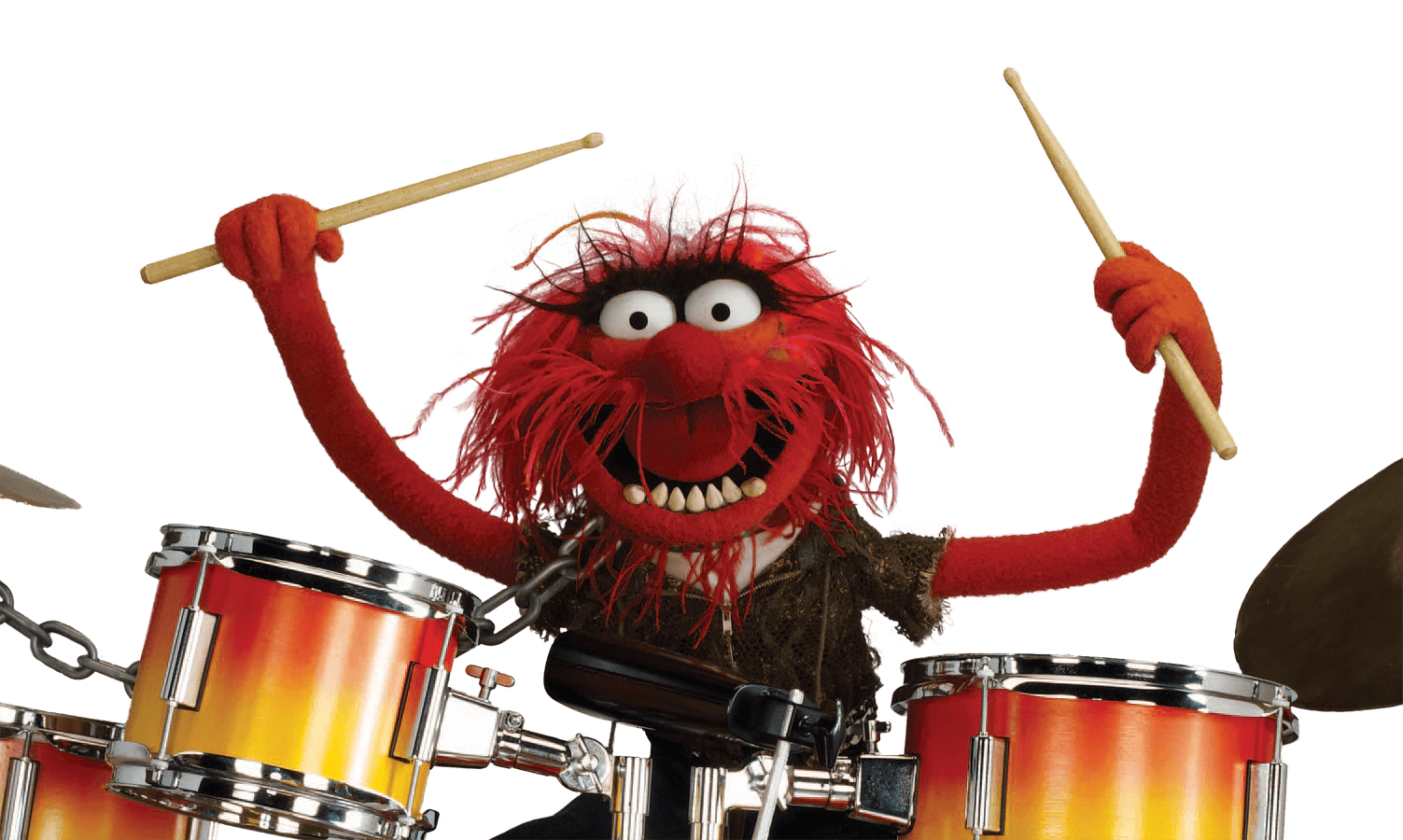
A Kit Of Fun - Gavin Somerset
Drummers are now an integral part of the modern brass band that they accompany. However, there are not too many chances for your drummer to take the limelight. All that can now change with this light-hearted new release. A light swing piece in style, this entertaining work offers drummers the chance to show off their skills and more importantly, is accessible to players of many levels. Whilst a drum part is clearly written out, the soloist is advised to 'ad lib' throughout, allowing the player to make their part as easy or as complex as they wish. This is great showcase item that is just something different from the norm and suits all concert programmes.
In Stock: Estimated dispatch 1-3 working days
-
£24.50
Arioso - J.S Bach - Steven Hague
A modern brass band arrangement of the "Arioso" from J.S. Bach's Cantata No. 156 arranged by Steven Hague, with a nice feature for the horn section, and tuneful duets from the two solo cornets.
In Stock: Estimated dispatch 1-3 working days
-
 £115.60
Norge i rodt, hvitt og blatt - Lars-Erik Larsson - Petter S. Kragstad
Norge i rodt, hvitt og blatt ("Norway in Red, White and Blue") was commissioned by the Oslo Fagott Choir (yes, that is indeed a gay men's choir) for a concert with The Staff Band of the Armed Forces in 2015. I was given artistic licence to write a more modern and somewhat 'eclectic' arrangement for this originally Swedish melody written by Lars-Erik Larsson, which became something of a national liberation anthem when Nazi occupation ended in May 1945 - then with new lyrics by Finn Bo, Bias Bernhoft and Arild Feldborg.After the premiere in Oslo, and a music video with Oslo Fagott Choir and The Staff Band, broadcasted by Norwegian Broadcasting Corporation (NRK) on Constitution Day during coronavirus lockdown in 2020, I was approached by many to write an instrumental version of the arrangement for concert band. This version is now available through Norsk Noteservice. Reid Gilje has made this instrumentation for Brass Band.
Estimated dispatch 5-14 working days
-
 £137.70
Why Not? - Michel A. Camilo - Lars Erik Gudim
"Why Not?" is the most well-known piece by Dominican Republic pianist/composer Michel Camilo. It appeared for the fist time on his 1984 album record "French Toast". He re-recorded it in 1985 for the "Why Not?"-album whoich is among his best-selling to date. The song has also been recorded by other artist like the vocal group The Manhattan Transfer. "Why Not?" ia a modern latin-jazz classic and this demaning arrangement for Brass Band captures the featureless and musical challenges of the original piece.
Estimated dispatch 5-14 working days
-
 £69.99
Irish Dances - Stephen Bulla
The rich musical heritage of Ireland represents some of the greatest traditional melodies. These melodies somehow retain the flavour of the culture and its traditions, which at times can be as lively as they are enchanting. This setting for Brass Band features a familiar selection of contrasting dance-like tunes that are drawn from the modern era of traditional Irish songs.
Estimated dispatch 5-14 working days
-
 £53.50
Mr Cool's Swing - Etienne Crausaz
This piece is in line with the tradition of works by Louis Prima and performances by Benny Goodman. It attempts to reproduce a similar "feel", adapted from the music of these two artists, for brass band. The result is a swing with a sustained tempo and modern harmonies, as well as solo passages highlighting the cornet, the trombone and the euphonium with effervescent riffs. Mr Cool's Swing will absolutely find success with your audience! This music forms part of the musical tale La Malediction d'Aragne (Aragne's Curse), commissioned by the Lyre de Courtion (conductor Dominique Morel) on the occasion of its 100th anniversary.
Estimated dispatch 5-14 working days
-
 £154.99
From Ancient Times - Jan Van der Roost
From Ancient Times is a major work for brass band, inspired largely by the music of the Franco-Flemish School of the Renaissance. Hints of Gregorian chant and middle age dances pay tribute to music from even earlier times. The foundation of this spectacular work rests on truly 'ancient times' while the tonal language is of a much more modern nature!
Estimated dispatch 5-14 working days
-
 £70.00
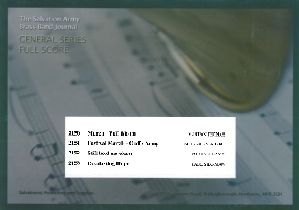
General Series Band Journal April 2016 Numbers 2154-2157
No. 2154 Cornet Solo - The victory cry! (Andrew Blyth)This solo features the popular song by Stuart Townend and Keith Getty entitled 'Power of the Cross', along with an original song by the composer, 'The Cross of hope'. It was originally written at the request of Staff Bandsman Gerry Todd and the Melbourne Staff Band.No.2155 Mission Force (Stephen Bulla)This is programmatic music, portraying the determination and forward vision of the modern church's mission. It includes two well-known hymns, 'Trentham' (T.B.159) and 'Slane' (T.B.831), using their words as metaphors that describe this quest into a spiritual future.No.2156 Prelude on 'Lavenham' (Geoffrey Nobes)An arrangement of a hymn, written by the composer with words by Reverend Nick Fawcett. The three statements of the melody correspond to three verses of the hymn and seek to reflect their meaning.No. 2157 On we march (Kevin Larsson)This piece was written for the Pasadena Tabernacle Band for their 120th anniversary. It includes a number of tunes closely connected with the Corps including 'Everything's coming up roses' from Gypsy, a song closely associated with the Rose Parade, and 'Hooray for Hollywood' as the Corps was previously called Hollywood Tabernacle. Continuing on the Rose Parade theme, 'On we march' (T.B.788) and the well-known hymn tune, 'Rachie' (T.B.190), are also featured.
Estimated dispatch 7-14 working days
-
£22.00
The Catskills - Nigel Hess
The Catskills is one of Nigel Hess's East Coast Pictures and was commissioned in 1985 by the British Youth Wind Orchestra. This suite, arranged here for brass band, has become a modern classic.Brass Band Grades 4/5: Premier Youth and 2nd SectionThe bass clef Euphonium parts can be purchased as individual downloads here.Duration: 6 minutes
In Stock: Estimated dispatch 1-3 working days
 View Music