
Results
-
 £137.99
Klezmer Discovery - Sjaak van der Reijden
The Yiddish word 'Klezmer' has been derived from the Old Hebrew words 'Kley' (tool, instrument) and 'Zemer' (song, singing, making music).Klezmer is the traditional music of Jews from Eastern Europe.Yiddish musicians (Klezmorim) were regularly invited to come and play at Yiddish weddings as well as several other Jewish celebrations and festive occasions. Despite its close connection with traditional Eastern European folk music, Klezmer music has succeeded in preserving its distinctive Jewish character. 'Klezmer Discovery' is a voyage of discovery through the richly varied music of the Jewish people from Eastern Europe.The introduction consists of a number of motives from differenttraditional melodies (a Mitzve Tenzel and L'cha Dodi), followed by a melody in 3/8th time (Kandel's Hora). This dance melody originally came from Bessarabia (present-day Moldavia) and was taken along to America by Jewish musicians round 1900. Subsequently, 'Der Terk in Amerika', a composition by famous clarinet player Naftule Brandwein can be heard. A number of fast, cheerful dance melodies (bulgars) form the finale of 'Klezmer Discovery' (Lebedyk un Freylekh, Lomir sich iberbetn and Sherele).
Estimated dispatch 5-14 working days
-
 £91.99
Three Klezmer Miniatures - Philip Sparke
Three Klezmer Miniatures is Philip Sparke's third work based on traditional Jewish klezmer melodies, after Shalom! and A Klezmer Karnival. Klezmer music originated in the 'shtetl' (villages) and the ghettos of Eastern Europe, where itinerant Jewish troubadours, known as 'klezmorim', had performed at celebrations, particularly weddings, since the early Middle Ages. In Three Klezmer Miniatures Philip Sparke used the traditional tunes Sham Harei Golan Nigun Shel Yossi, Tumbalalaika, and Hava Nagila.
Estimated dispatch 5-14 working days
-
 £59.99
A Klezmer Karnival - Philip Sparke
Klezmer music originated in the 'shtetl' (villages) and the ghettos of Eastern Europe, where itinerant Jewish troubadours, known as 'klezmorim', had performed at celebrations, particularly weddings, since the early Middle Ages. Since the 16th century, lyrics had been added to klezmer music, due to the 'badkhn' (the master of ceremony at weddings), to the 'Purimshpil' (the play of Esther at Purim) and to traditions of the Yiddish theatre, but the term gradually became synonymous with instrumental music, particularly featuring the violin and clarinet. In recent years it has again become very popular and in A Klezmer Karnival Philip Sparke has used three contrastingtraditional tunes to form a suite that will bring a true karnival atmosphere to any concert.
Estimated dispatch 5-14 working days
-
 £91.99
Three Klezmer Miniatures (Brass Band - Score and Parts) - Sparke, Philip
Three Klezmer Miniatures is Philip Sparke's third work based on traditional Jewish klezmer melodies, after Shalom! and A Klezmer Karnival. Klezmer music originated in the 'shtetl' (villages) and the ghettos of Eastern Europe, where itinerant Jewish troubadours, known as 'klezmorim', had performed at celebrations, particularly weddings, since the early Middle Ages. In Three Klezmer Miniatures Philip Sparke used the traditional tunes Sham Harei Golan Nigun Shel Yossi, Tumbalalaika, and Hava Nagila.Duration: 7:30
Estimated dispatch 7-14 working days
-
 £59.99
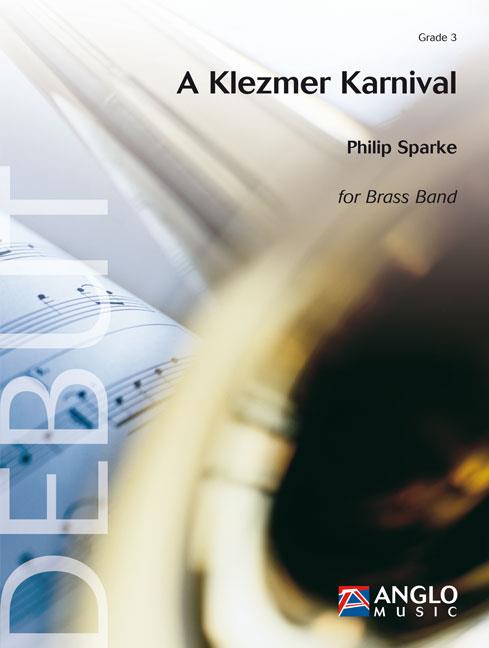
A Klezmer Karnival (Brass Band - Score and Parts) - Sparke, Philip
Klezmer music originated in the 'shtetl' (villages) and the ghettos of Eastern Europe, where itinerant Jewish troubadours, known as 'klezmorim', had performed at celebrations, particularly weddings, since the early Middle Ages. Since the 16th century, lyrics had been added to klezmer music, due to the 'badkhn' (the master of ceremony at weddings), to the 'Purimshpil' (the play of Esther at Purim) and to traditions of the Yiddish theatre, but the term gradually became synonymous with instrumental music, particularly featuring the violin and clarinet. In recent years it has again become very popular and in A Klezmer Karnival Philip Sparke has used three contrasting traditional tunes to form a suite that will bring a true karnival atmosphere to any concert.Duration: 4:30
Estimated dispatch 7-14 working days
-
 £78.20
 -
 £124.20
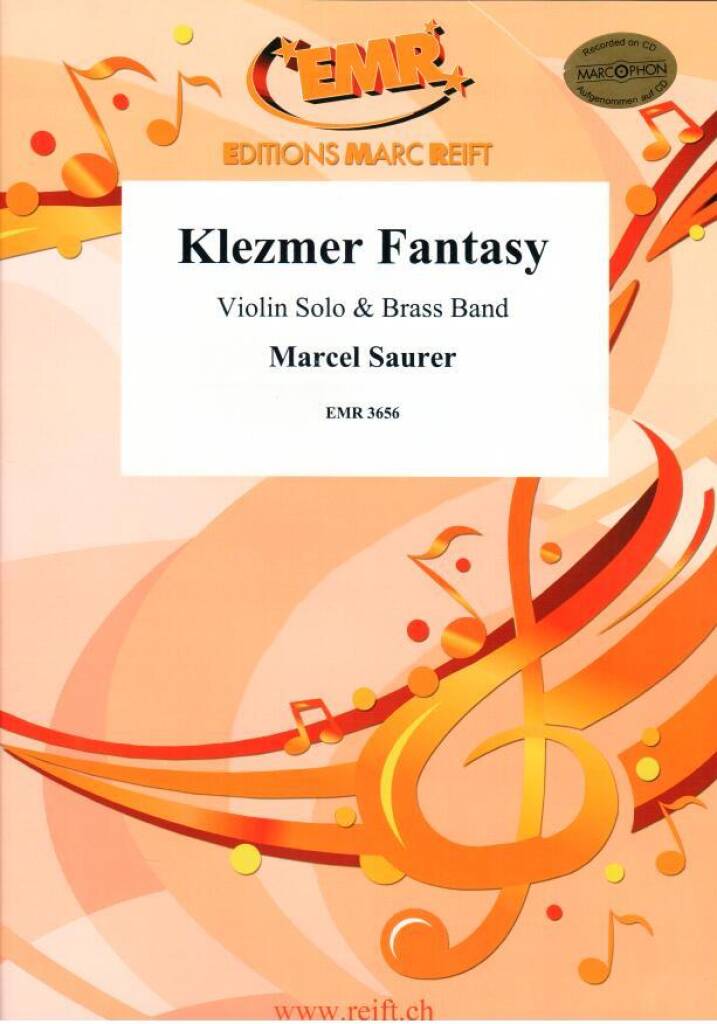
Klezmer Fantasy (Violin Solo) - Marcel Saurer
Estimated dispatch 5-14 working days
-
 £124.20
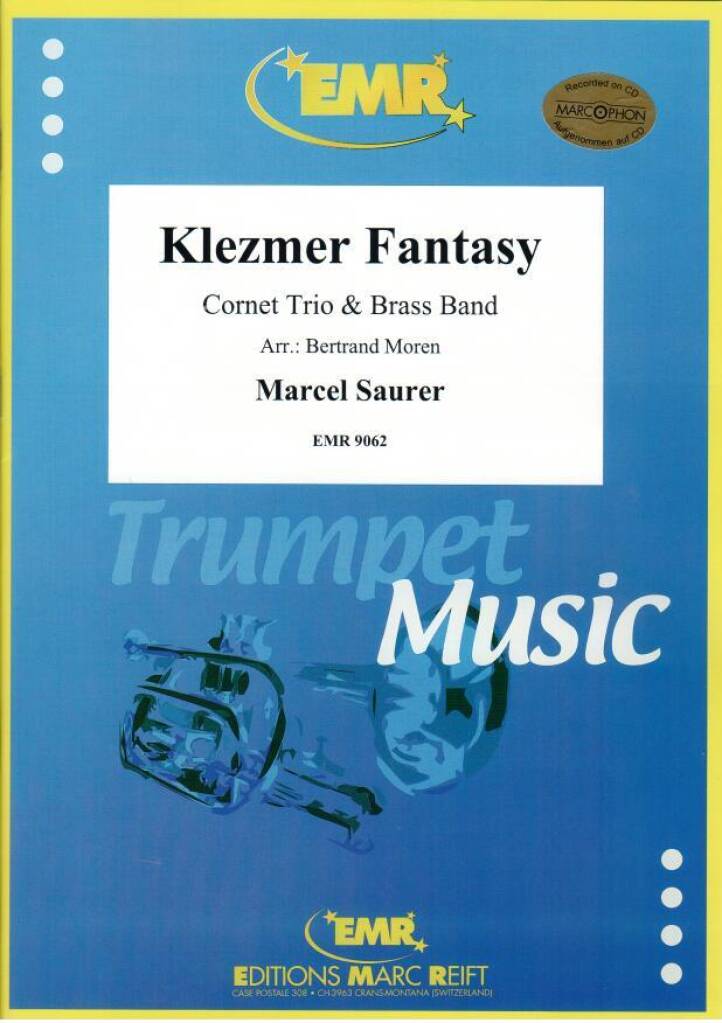
Klezmer Fantasy - Marcel Saurer - Bertrand Moren
Estimated dispatch 5-14 working days
-
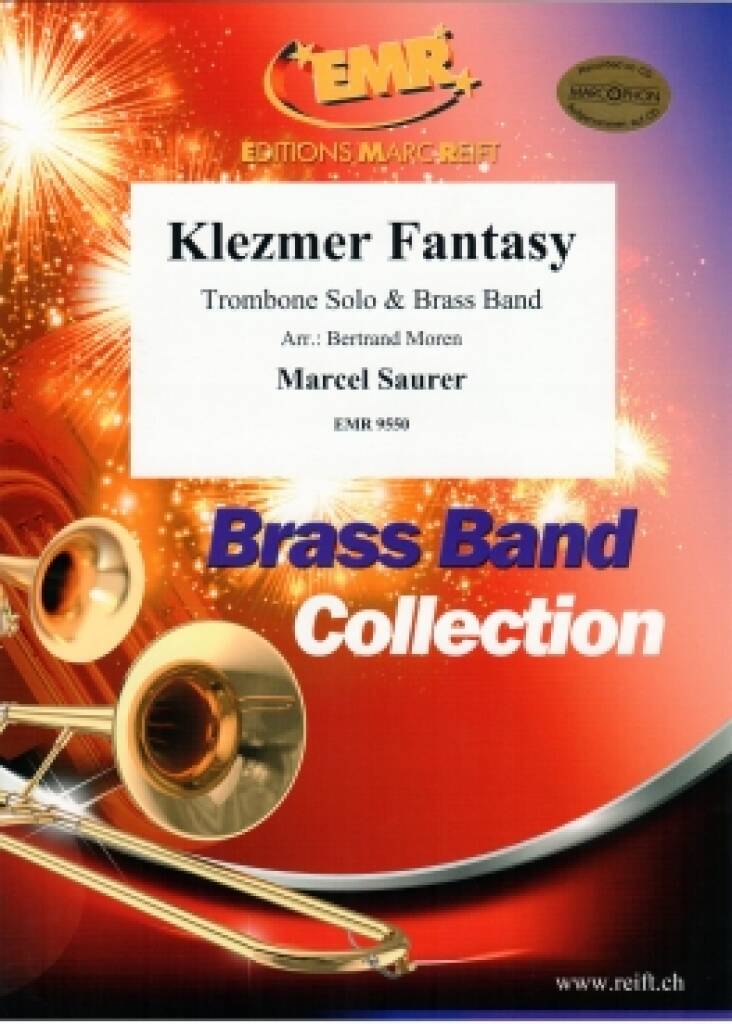 £124.20
Klezmer Fantasy - Marcel Saurer
Estimated dispatch 5-14 working days
-
£40.00
Four Freilachs from "The Art of Klezmer" - Stanley Friedman
Estimated dispatch 7-14 working days
 View Music