
Results
-
£40.00
Tubilation
A fantastic tuba feature with brass band backing. Driving semiquaver rhythms push this piece forwards whilst remaining away from the centre of attention which is undoubtedly the big old tuba! Full of semiquavers and scales rushing up to the top of the range of the instrument, there can be no doubt that the tuba is the star of the show. The solo part is carefully thought through with enough rests to make it approachable, while the syncopatino in the other parts give the music an energy that is maintained to the very final flourish, instigated by a demisemiquaver scale run on the tuba! Intermediate and above ensemble parts, but the solo tuba part needs a fairly skilled and confident player to get the most out of this piece.
-
 £40.00
Born on the Fourth of July. Solo for Trumpet (or cornet) & Brass band
Recommended for - Championship to 2nd Section bands The theme music from the original motion picture, Born on the Fourth of July, starring Tom Cruise. The music was composed by John Williams and this arrangement (as a feature for solo trumpet or cornet and brass band) is by Andrew Duncan.
-
 £40.00
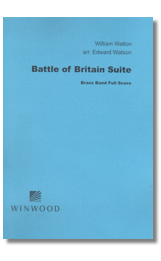
Battle of Britain Suite (Score only) - William Walton
It takes a special ability to compose film scores which serve the images perfectly yet translate into first class concert music. William Walton was such a talent as the continuing popularity of his brilliantly evocative film music shows. This suite includes the famous Dog Fight and majestic March - used for the end titles of the film - along with the Siegfried Music which parodies Wagner's horn call. You can practically feel the buzzing of Spitfires in the air! Winwood Music are delighted to make this music available to the brass band world in a fabulous arrangement by Edward Watson which captures the essence of the original while translating it seamlessly to the new idiom. Duration: 12:15
Estimated dispatch 7-9 working days
-
 £59.95
ISAIAH 40 (Brass Band Set - Score and Parts) - Redhead, Robert
2007 National Championships Area Qualifying Contest - Championship Section.
Estimated dispatch 7-14 working days
-
 £72.70
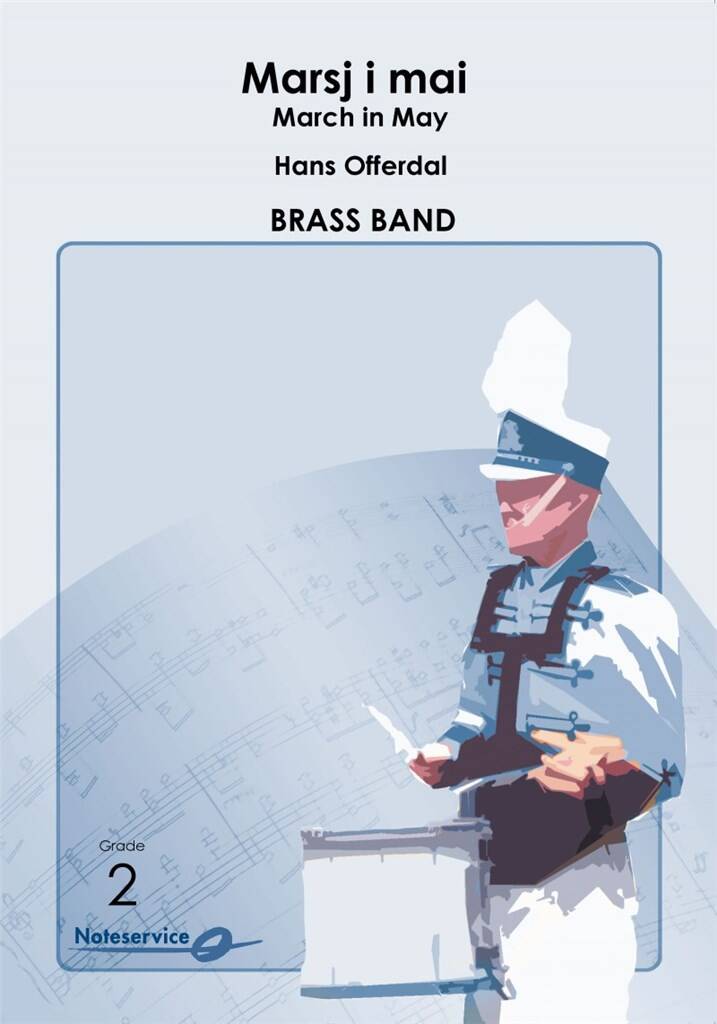
Marsj i mai - March in May - Hans Offerdal
March in May is a fun and joyful march with challenges in all instrumental groups! Composed for Haugen skolekorps and their 40 years anniversary in 2017. Playing time: approx. 2:10 min
Estimated dispatch 5-14 working days
-
£88.40
Classical Quiz - Stephen Roberts
40 Classic Topics in Quiz Format
Estimated dispatch 5-14 working days
-
£54.99
All You Need Is Love - John Lennon - Thijs Oud
The Beatles remain the biggest-selling British group of all time with their countless hits and timeless classics written by John Lennon and Paul McCartney.All You Need Is Love is one such song that recently made it into the top 40 pop songs of all time. In this arrangement Thijs Oud has utilised all the original Beatles elements whilst, at the end, integrating 'snippets' of many more of their hits.Perfect for all concert programmes this will also make an excellent finale to your events.
Estimated dispatch 5-14 working days
-
 £69.60
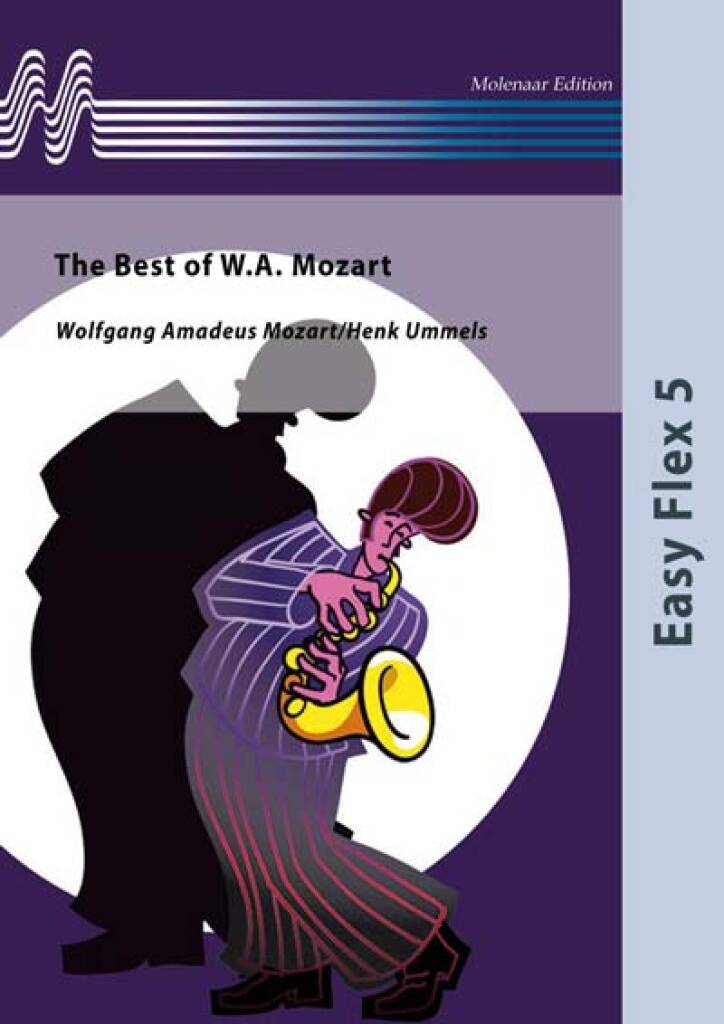
The Best of W.A. Mozart - Wolfgang Amadeus Mozart - Henk Ummels
Now the masterful music of the most influential composer of all time, Wolfgang Amadeus Mozart, is also available for your student orchestra. This arrangement includes highlights from the classics 'The Magic Flute', 'Symphony #40', 'Concerto for Clarinet', 'Elvira Madigan' and 'Eine Kleine Nachtmusik'. This work was written for Molenaar's 'Flexible Winds' Series. It uses a 5 part flexible setting, whereby any student orchestra can quickly create a full, rich sound.
Estimated dispatch 5-14 working days
-
 £54.99
Go West - Ron Sebregts
The Pet Shop Boys are one of the finest examples of an English electro pop group. Since their formation in the early 1980s they have had 38 top 40 hits in the UK and are still often in the charts today. This highly inventive duo owes their long-term career to the ability to bridge melodic pop and dance music with intelligence and style. Go West was one of their hits from 1993 and this arrangement by Ron Sebregts retains all the splendor of the original. A fantastic pop arrangement which will have all your audience dancing in the aisles.
Estimated dispatch 5-14 working days
-
 £40.00
DIAMONDS ARE FOREVER (Brass Band) - Barry, John - Wormald, Christopher
From the 1971 film featuring Sean Connery, this was the second Bond theme recorded by Shirley Bassey (after?Goldfinger). Starting with solos for trombone and horn, this arrangement is designed for all levels of bands and is faithful to the original.. Grade: 4th section +. Duration: 2:40
Estimated dispatch 7-14 working days
 View Music