
Results
-
£37.50
Polish Adventures - Gavin Somerset
Composed for the All Saints Wind Band, Sheffield after their trip to Poland in the summer of 2003. This work reflects the different parts of the tour in four continuous movements... PROGRAM NOTES AS THEY APPREAR ON SCORE COVER I don't wish to ramble on with the program notes, do I do believe that if you know the story behind a piece of music, it just puts that extra something into the players performance. In 2002, the All Saints Wind Band, Sheffield, embarked on a 10 day tour of Poland. The group spent 28hrs on a couch packed with instruments, only to arrive finding Poland experiencing its worst summer in 70 years. In 2003, they decided to go back for another go! This time, luxury all the way, no 28hr coach journey, just a 1 1/2hr flight. This piece tells the story of the 2nd tour of Poland in four continuous movements... First the introduction. Early one morning, prepared for the drive to the airport, everyone tired, but excited. A day prior to this, some parents of the children set off in a van driving the instruments to the hotel, some 300 miles away. Bar 13 introduces the "Van" theme. Once arriving at the airport, the movements begin... 1. MORNING FLIGHT A very self explanatory part of the piece, and impressionist in its writing. Flying high over England and the channel, giving a sense of speed we were travelling at (compared to the poor lads in the van somewhere below us!) The Largo before F tells of the short coach journey to the hotel, and settling into what was our new home for 10 days. 2. IN THE STORM The weather was definitely an improvement on last year. So much so, that it became a regular event of the day to go and play rounders in a nearby field. This particular day however, with everyone concentrating hard on the game, it escaped everyone's attention that there was a very large storm creeping over the high mountain range near us. As the title of the movement suggests, the scene involved 25 of us running as fast as we could back to the hotel. Unfortunately, the heavy rain ran faster than us. 3. LAST MEMORIES As most of the people in the band were 18 this year, it was apparent that this would be their last event with the band. Many of the group had grown up together for the last 7 years and so, as the tour came to a close, there was a sense of sadness in the air, but everyone would always have the memories. 4. FINALE & HOME The van and the brave volunteers that went with it, set off the day before the rest of us flew home. This last movement reflect the whole tour, bringing back all the main themes from the different movements before arriving back at the school, just in time to see the van pull up. The "Van" theme makes its presence heard again towards the end. This piece was performed by the Wind Band at the leaving concert of many of the players in the band. I dedicate this piece to the band which is still functioning with new players, and to all those who took part on this tour.
In Stock: Estimated dispatch 1-3 working days
-
 £29.50
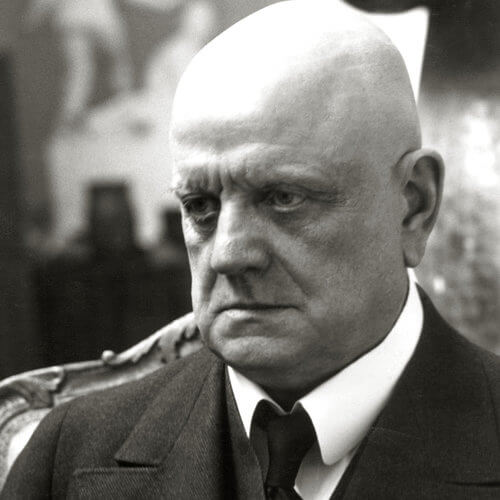
Sibelius Fantasy - Gavin Somerset
Composed in 2003 for a composition competition, this work uses elements of three major work by the Finnish composer Jean Sibelius (1865-1957). The three being... Symphony No.5, Finlandia, Karelia Suite (March) The piece starts with an atmospheric opening before setting of in bar 10 with a tempo that will remain for most of the piece. The main original theme is brought in at A before the famous sequence from Sibelius' Symphony No.5 enters at B and then very distinctly at C. The music then rollercoasts through keeping all sections of the band busy, until we reach J when the solo Euphonium can shine, helped along by Flugel and Repiano. The Molto Vivo before K sets off with dazzling trills from the cornet section, and bringing with it the theme from Finlandia in bar 165, followed shortly by the March from the Karelia Suite. From N to the end, all three pieces are brought to a final climax together. A rousing piece and makes an interesting change to a direct transcription.
In Stock: Estimated dispatch 1-3 working days
-
 £44.50
Wicked (Selections From) - Stephen Schwartz - Gavin Somerset
Since 2003, this smash hit musical telling the untold stories of the witched of Oz, has been entertaining audiences across the globe. The show has achieved worldwide success and broken box office records for weekly-gross-takings in New York, Los Angeles, Chicago, St. Louis, and London as well as holding the record for the biggest opening in the West End (�100,000 in its first hour on sale!) The music by Stephen Schwartz is a hit amongst audiences of all ages. Now, for the first time, the music is available for Brass Band in an arrangement personally approved by the composer. The arrangement by Gavin Somerset includes the well-known items "What Is The Feeling", "Dancing Through Life", "Popular" and the dazzling "Defying Gravity", of which "Defying Gravity" can be played as a stand-alone item, perfect for entertainments contests & encores etc. This is a feast of music, bringing variety to your concerts and a must for every bands library.
In Stock: Estimated dispatch 1-3 working days
-
 £59.99
Magga - Philip Sparke
The Four Noble Truths was commissioned by the Dutch National Brass Band Championships for their 2003 competition.The Four Noble Truths are the most basic expression of the teaching of Buddha and therefore still form the guidelines for Buddhists to this day. They concern themselves with Dukkha, which has no exact translation but can mean suffering, stress or sadness etc. Magga is The Noble Truth of the Path Leading to the Cessation of Dukkha - the Fourth Noble Truth - which gives us a description of eight disciplines which can help us eliminate the origins of stress from our lives.
Estimated dispatch 5-14 working days
-
 £106.99
Manhattan - Philip Sparke
Manhattan was commissioned by the United States Army Band for their solo cornet player Woodrow English and first performed by them in Carnegie Hall, New York, in November 2003. The two-movement work demonstrates both the lyrical and technical abilities of this outstanding player. The 'theme' is a weekend in New York and the opening bluesy movement, Saturday Serenade, describes the city on a Saturday night. While writing the second movement, Sunday Scherzo, the composer pictured an early morning jog in Central Park. This vivaciously rhythmic second movement ends with an even quicker coda bringing the work to a brilliant close. Each movement can also be playedindividually when a shorter solo is required.
Estimated dispatch 5-14 working days
-
£60.99
Everest - Jacob de Haan
Everest is the name of a restaurant on the 40th floor of a skyscraper in Chicago. In 2003 the composer Jacob de Haan had dinner there together with his publishers and other fellow composers. The idea of composing a march to honour the excellent cuisine, the magnificent view of the skyline and the pleasant atmosphere in the restaurant arose during the visit. The results can be heard in this delightful and unusual work.
Estimated dispatch 5-14 working days
-
 £109.99
Suite Celebration - Bruce Fraser
Bruce Fraser composed this test piece for the 'Gouden Spiker Festival' 2003 (The Netherlands). Suite Celebration was inspired by events in his recent family life. The first movement celebrates the marriage of his daughter and reflects her bubbly personality and vitality. The melodies and harmonies of the whole work are based on a note row which came up during a discussion with the publisher. The second movement celebrates the birth of his grand-daughter 'Rebecca Aileen' and takes the form of a ballad featuring expressive opportunities for the soloists. The final movement is more of a look into the future and hope of success and a good life for hisfamily. Who knows what is coming?
Estimated dispatch 5-14 working days
-
 £104.99
Kefas - Rob Goorhuis
The composition Kefas was written for the brass band 'Apollo' from Grou (The Netherlands), by order of the Unisono Foundation, the organisation for wind music in The Netherlands.The assignment was given on account of earning the Champions Title during the Dutch Brass Band Championships in the year 2001 (4th division). The theme of the composition links the tradition of the village Grou, not to celebrate Sint Nicolaas but Sint Pieter.By this typical Dutch festivity (in December) the holy Nicolaas gives presents to the children. It is a popular custom where young and old participate. Grou is the only place where this is not done by Sint Nicolaas but by Sint Pieter.Apart from that, on the 22th of Februari, a lot of festivities that take place,resemble those of the Sinterklaas celebration. In the composition two Sint Pieter songs are processed, set through bible scenes, wherein in among others the visit of Christ to the house of Peter's Mother-in-law and the calling of Peter are depicted. The title refers to the pronouncement of Christ, where he named Peter the rock on which he shall build his church. The Hebrew word for rock is Kephas. Kefas was premiered in 2003.
Estimated dispatch 5-14 working days
-
£54.95
Northern Landscapes - Peter Graham
The four movements of Northern Landscapes provide musical mood pictures of various aspects of Northern working life. 1) Industry opens the suite with the bustle of factory machinery, followed attacca by 2) Seascapes which evokes the calmness of local waters during a fishing expedition. 3) Earth Dance references the mining industry where the blackness of the environment is mirrored by the darkness of the music while 4) Flight evokes the path of an aircraft on its maiden journey in this tribute to the aircraft industry. Northern Landscapes has its origins in music written for the Ulster Orchestra Brass Quintet. This revised and updated version for brass band was commissioned by the Boarshurst (Greenfield) Silver Band, with National Lottery funds, supported by the Arts Council of England. It was set as the 2003 National Brass Band Championships Area Third Section Test-Piece.
Estimated dispatch 5-14 working days
-
 £119.99
Amsterdam - Rob Goorhuis
Rob Goorhuis schreef de compositie Amsterdam voor Amsterdam Brass in 2002. Het werk beleefde haar premi?re in 2003 in een uitvoering van de opdrachtgever. De componist, zelf Amsterdammer van geboorte, heeft in dit werk zijn herinneringen aan de toen ook al bruisende stad muzikaal verwerkt in een combinatie met het heden. De geluiden van de stad zoals Goorhuis die in de 50-er jaren hoorde zijn al dan niet abstract weergegeven in Amsterdam. Amsterdam bestaat uit drie in elkaar overgaande delen. Het eerste deel (Allegro Moderato) beschrijft de grote drukte in de Nederlandse hoofdstad die altijd leeft, beweegt, zindert en schijnbaar nooit 'slaapt'. Devoortdurende zestiende beweging in de diverse instrumenten benadrukken die immer aanwezige drukte in de stad die in de volksmond bekend staat als 'Mokum'. Zelfs de klanken van een Amsterdams draaiorgel zijn goed hoorbaar in dit eerste gedeelte. De karavaan vuilnisauto's die elke ochtend om 5 uur door de straat van de nog jonge Rob Goorhuis reed is een hoorbare herinnering aan vervlogen tijden. Het tweede deel brengt ons in het Vondelpark aan de rand van het centrum. Het thema wordt voorgesteld door de bugel en voert via variaties op dit thema in diverse andere instrumenten naar een drukker gedeelte van het stadspark om vervolgens weer kort terug te keren naar de oase van rust.Het tempo en de begeleidende beweging zijn bepalend voor het bijzondere karakter van dit middendeel. Het derde deel zet ons weer met beide benen in het bruisende hart van de stad. De euphonium introduceert het grillige thema, met karakteristieke toonladderfiguren en kwartsprongen, dat in de verschillende stemmen canonisch wordt verwerkt. Halverwege duikt onopvallend het thema van het middendeel weer op dat steeds opvallender naar voren komt resulterend in een verrassend slot. Verplicht werk Nederlandse Brassband Kampioenschappen 2004 - 1e divisie.
Estimated dispatch 5-14 working days
 View Music