
Results
-
 £29.95
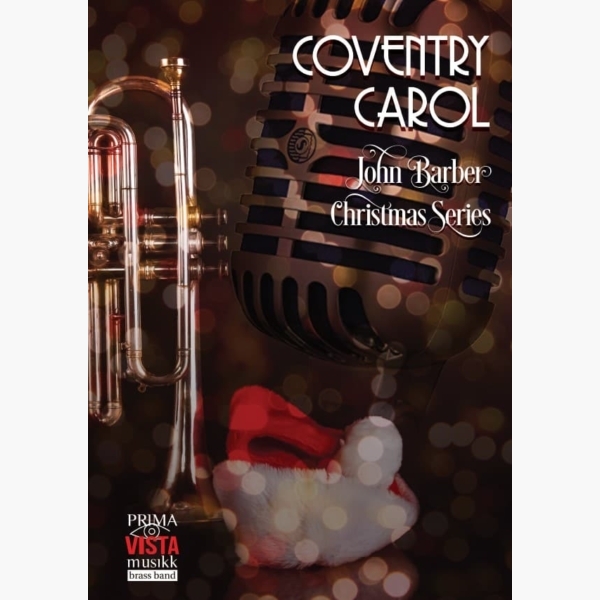
Coventry Carol - 16th Century English Traditional - John Barber
Coventry Carol dates from the 16th Century. Traditionally sung 'a capella', the carol refers to the Christmas story from chapter two in the Gospel of Matthew and the Massacre of the Innocents, in which Herod ordered all male infants under...
Estimated dispatch 5-7 working days
-
 £64.50
 -
£59.70
Music from The 16th Century - Tielman Susato, Giovanni Gastoldi, William Byrd - Alan Fernie
Estimated dispatch 7-14 working days
-
 £37.50
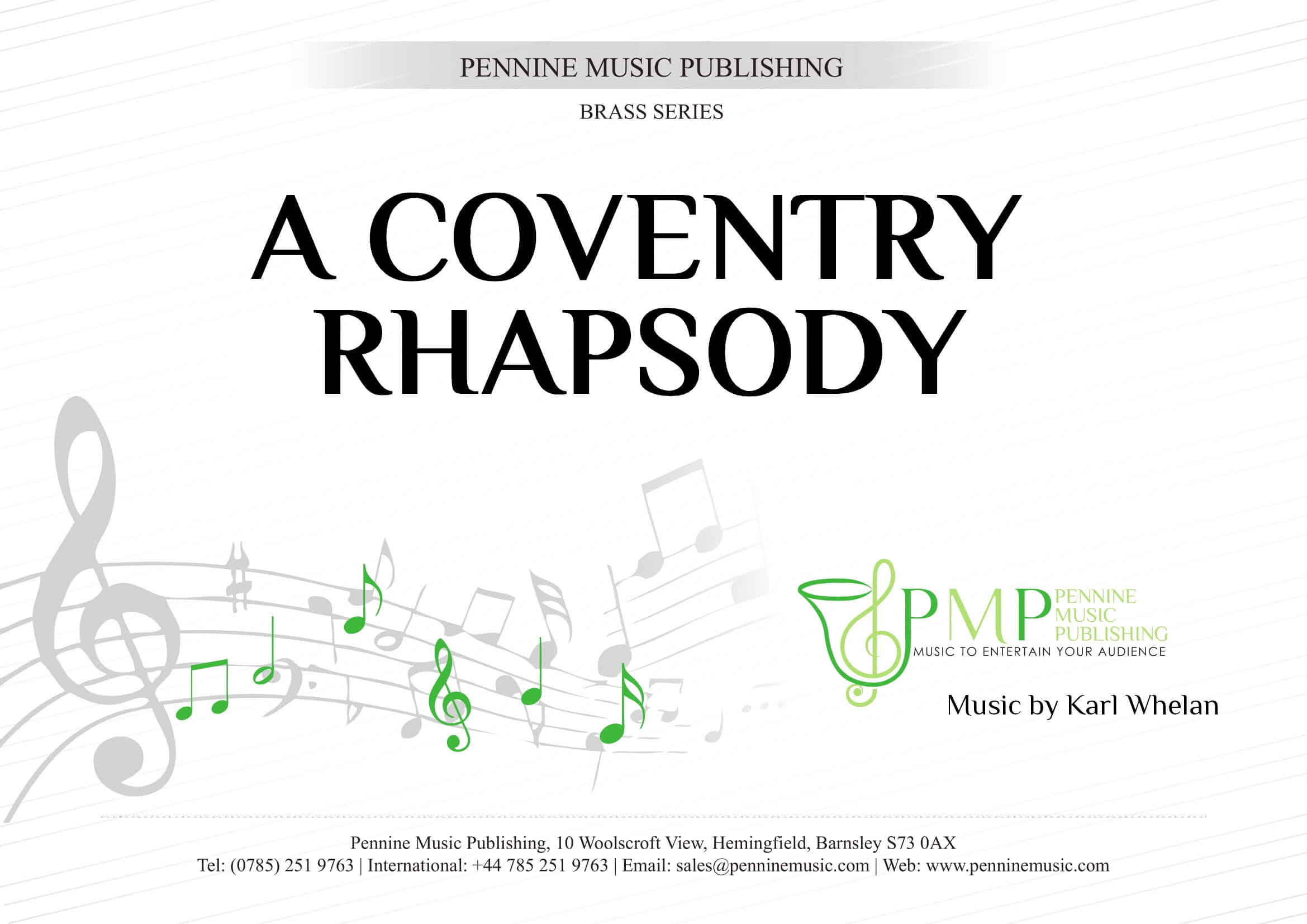
A Coventry Rhapsody - Karl Whelan
For bands searching for an 'Overture' kind of work to programme into their Christmas concerts, look no further. "The Coventry Carol" dates back to the 16th century and is one of three songs from a nativity play entitled "Pageant of the Shearman and Tailors" which was traditionally performed in Coventry. The carol itself depicts the "Massacre of the Innocents" in the nativity narrative from the "Gospel of Matthew", in which King Herod, orders the execution of all baby boys under the age of two in the vicinity of Bethlehem. In this Rhapsody, Karl Whelan takes the familiar tune and turns it into an impressive showcase for bands looking to give the audience something different and very enjoyable for their festive concerts.
In Stock: Estimated dispatch 1-3 working days
-
 £58.60
 -
£54.20
MUSIC FROM THE 16TH CENTURY (Brass Band) - Fernie, Alan
Medium/Easy
Estimated dispatch 7-14 working days
-
 £60.99
Gelobet seist du, Jesu Christ - John Blanken
Gelobet Seist Du Jesu Christ (We Praise You Jesus Christ) is an old Christmas hymn dating from the 16th century, which can still be found in many hymnbooks today. John Blanken has created a varied and imaginative arrangement on four verses of the hymn. A perfect item for you next Christmas concert.
Estimated dispatch 5-14 working days
-
£54.99
Ballets - Giovanni Giacomo Gastoldi - Robert van Beringen
During the second half of the 16th century, Giovanni Giacomo Gastoldi composed almost entirely sacred works, however it was with his Balletti, not published until 1591 and 1594, that he gained fame and recognition. The homophonic structure and simple melodies conveyed a charming sense of naivety that became so popular during this period. Robert van Beringen has arranged Amor Vittorioso, La Sirena, L'Innamorato and L'ardito with five part flexible instrumentation.
Estimated dispatch 5-14 working days
-
 £59.80
Suite "Aus Dem Lustgarten" - Hans Leo Hassler - Jan van Beekum
German composer Hans Leo Hassler composed this suite at the end of the 16th century. Hassler was a student of the famous composer Gabrieli who mainly wrote for brass ensembles. This is the reason why Hassler, while only composing a relatively smaller amount of work, composed mainly for the same type of ensemble. This arrangement from Jan van Beekum is characteristic of it's time and is for a 5 voice, flexible setting and percussion.
Estimated dispatch 5-14 working days
-
 £69.99
Pastime with Good Company - King Henry VIII - Philip Sparke
The English King, Henry VIII (1491-1547), is mainly remembered for disposing of his wives on a regular basis and breaking with the Catholic Church when the Pope Clement VII refused to grant him a divorce so he could marry Anne Boleyn. He was, however, a gifted athlete, dancer and composer, writing many songs, poems and consort pieces (though not Greensleeves, as is often believed). Pastime with Good Company is undoubtedly the best-known of these, written in the first years of the 16th century while he was still a handsome prince, newly married to Catherine of Aragon and the envy of Europe. The lyrics tell of the joys of hunting, dancing and singing andwould have been sung as part of the court entertainment.
Estimated dispatch 5-14 working days
 View Music