
Results
-
 £19.95
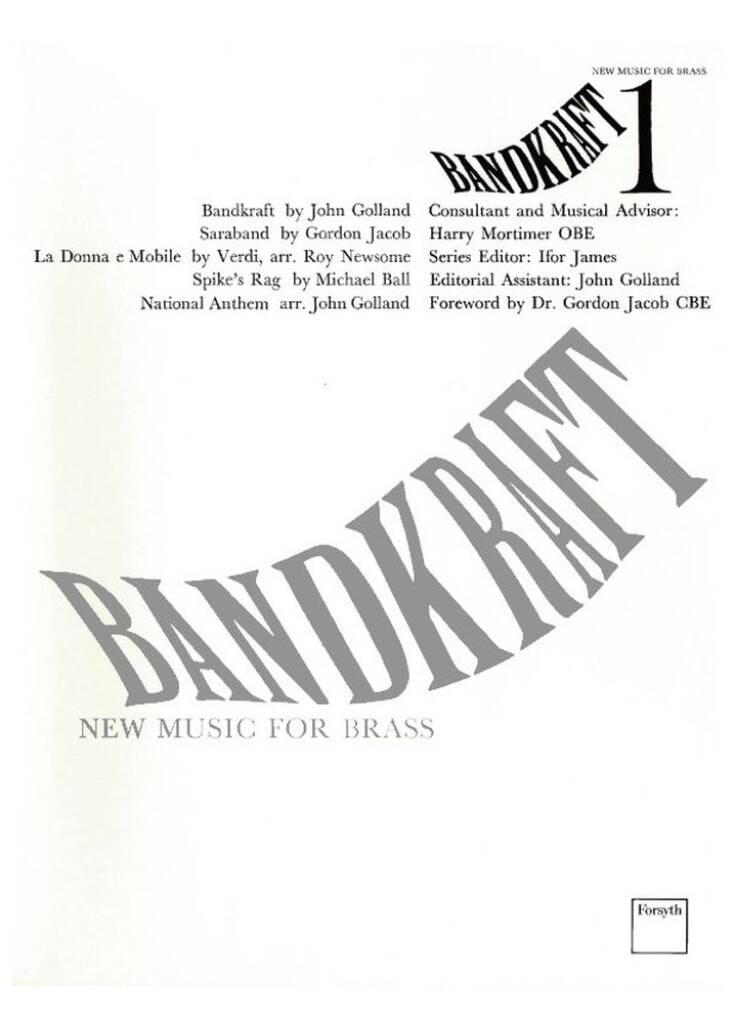
Bandkraft 1
The first of three superb sets of new music and arrangements for brass ensemble, edited by John Golland.1. Bandkraft - John Golland: A substantial piece with an exciting syncopated rhythm introduced in the opening bars and referred to throughout in a fanfare-like manner, to which a hint of dissonance adds extra thrill to the sound.2. Saraband - Gordon Jacob: A stately Elizabethan dance of great beauty, utilising modal harmony in Jacob's characteristic style. Constant speed, full note values and careful playing will achieve a beautiful, delicate effect.3. La Donna E Mobile - Verdi, arr. Roy Newsome: An amusing arrangement of this popular favourite by a conductor and adjudicator of international acclaim. Easy and enjoyable to play and to listen to.4. Spike's Rag - Michael Ball: A skilfully written piece in the true tradition of Scott Joplin, with the ragtime rhythm the backdrop to an unfolding conversation between the sections of the band. Really persuasive entertainment.5. National Anthem - arr. John Golland: A simple first verse setting the scene for the colourful and majestic second, utilising chromatic harmonies and an optional tenor counter melody for added splendour.
Estimated dispatch 5-14 working days
-
 £19.95
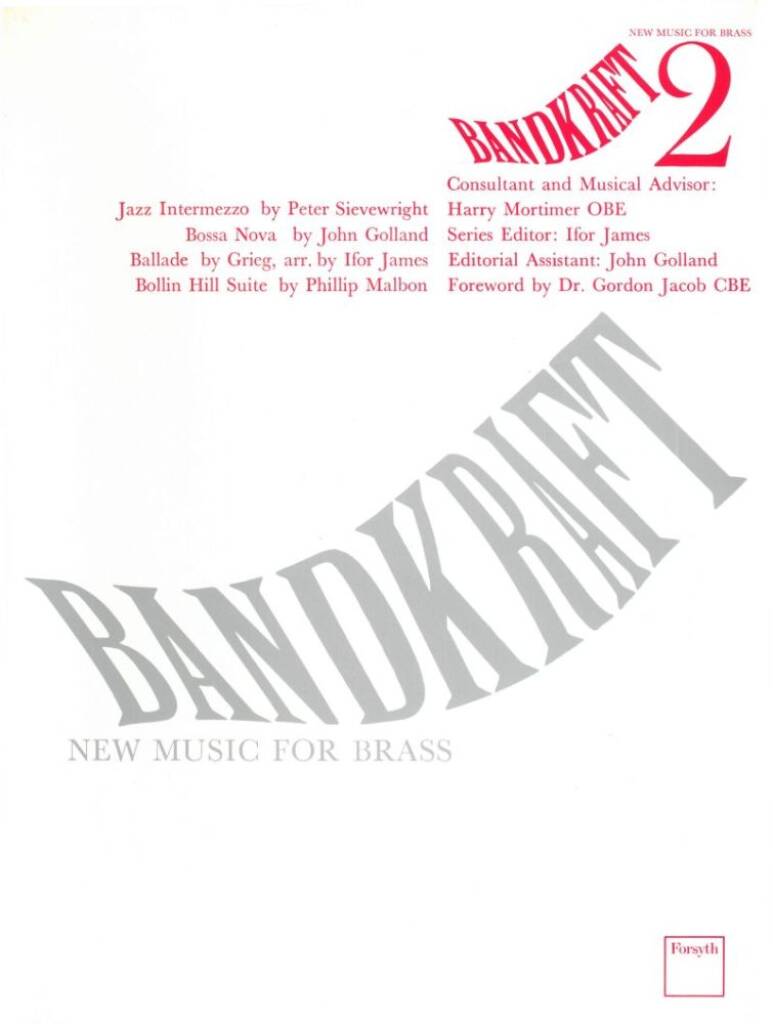
Bandkraft 2
The second of three superb sets of new music and arrangements for brass ensemble.Jazz Intermezzo - Peter Sievewright: Very close harmonies produce thick luscious tone colours, beneath an intriguing jazz theme.Bossa Nova - John Golland: A memorable tune, enjoyable and relaxed as a Bossa Nova should be, with much fun to be had in mastering the Bossa Nova rhythm.Ballade - Grieg, Arr. Ifor James: A simple enough melody, but a marvellous test for the phrasing and intonation of the horn section of the band.Bollin Hill Suite (Hoe Down, Passacaglia and March) - Phillip Malbon: A classic suite for brass band, concise yet complete.
Estimated dispatch 5-14 working days
-
 £147.10
Rainforest Concerto - Saskia Apon
Rainforest Concerto has been commissioned by the Brass Band Rijnmond. This double concerto for two trombones and wind band consists of three parts with the cadenza in the slow niddle movement. Saskia Apon was inspired by the threat of the destruction of the rainforest. In the first part, Creation, we hear an accelerated reproduction of the birth of this impressive natural phenomenon. We hear the first birds, we see the growth of the mangrove trees and we witness the struggle for light and the force necessary to keep the realized equilibrium in a perpetual balance.The second part, Ode, is a tribute to the wonder and splendour of the rainforest. By means of subtle and extremely delicate sonorities we hear how nature adds an inestimable value to the rainforest. However it is also extremely fragile and this engenders a certain melancholy due to the awareness of man's impotence to respect this beautiful nature.In the last part, Contra Demolition, we hear the threatening decline, but also the revolt against this possible ruin. It is a heartfelt cry to leave nuture in peace and to work hard for the preservation of the beauty and the value of the rainforest.
Estimated dispatch 5-14 working days
-
£39.99
English Carol Fantasy - James Curnow
Contrasting colors and varied orchestration techniques make this majestic setting of OH LITTLE TOWN OF BETHLEHEM come alive for Christmas. Of the three different tunes that are commonly associated with the original carol text, this arrangement uses the melody that's best known in England. ENGLISH CAROL FANTASY remains entirely accessible to bands at this level and plenty of cueing makes sure it's useful for ensembles of all shapes and sizes. Feature your deserving young cornet section leader on the easy solo, or let the entire first cornet section play it soli. The low brass also get some "well doubled" exposure, so playing this one will be fun for all.Try it!
Estimated dispatch 5-14 working days
-
 £69.99
Jubilation! - James Curnow
In 1868 William Francis Allen published a collection of spirituals, songs sung by slaves whilst they worked. This book started a flood of enthusiasm for the spiritual which continues to this day. Jubilation (a time for celebration) uses the spiritual 'My Lord, What A Morning' as the main melody for transitions and modulations throughout and to introduce three further spirituals: I'm Gonna Sing, Steal Away and Ev'ry Time I Feel the Spirit.
Estimated dispatch 5-14 working days
-
 £55.00
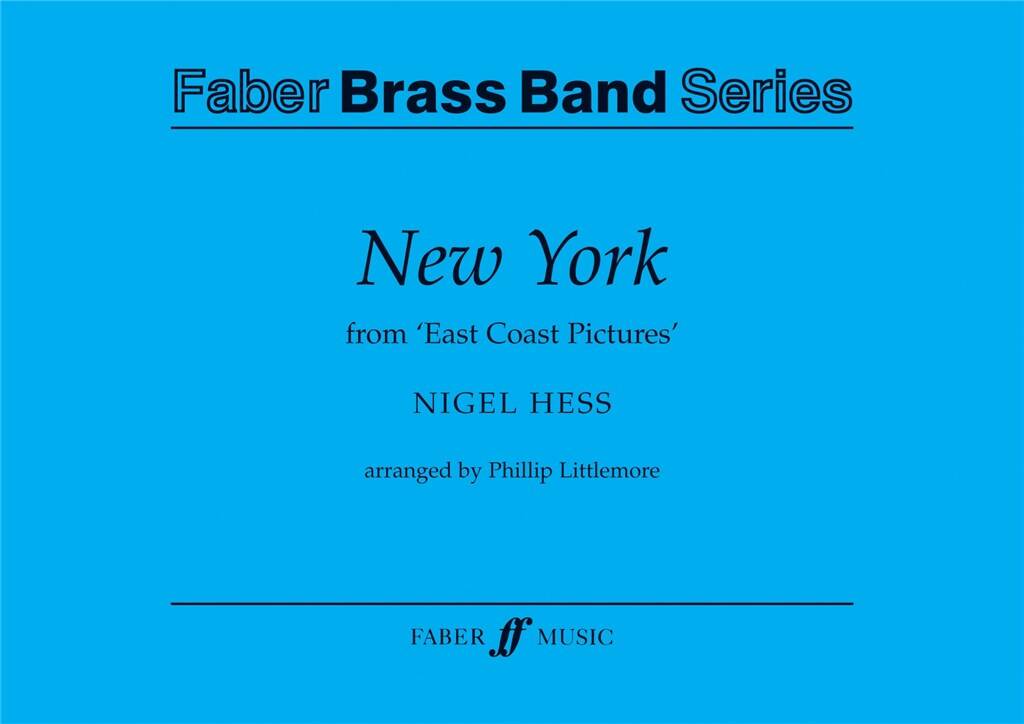
New York. - Nigel Hess
'New York'... or to be more precise, Manhattan. For anyone who is familiar with this bizarre and wonderful city, this piece needs no explanation. This brass band transcription has been made by Phillip Littlemore and provides adriving and punchy 4 minute work for brass band. 'New York' is the third movement of 'East Coast Pictures', originally written for wind band, commissioned in 1985 by the British Youth Wind Orchestra with funds from NationalWestminster Bank plc. These three short 'pictures' were inspired by several visits by the composer to a small part of the USA's East Coast, an area that provides great extremes in the geography and thepeople.This work has recently been recorded on the CD 'East Coast Pictures' by the Leyland Band, conducted by Michael Fowles, and is available from this site (catalogue number: 0-571-52109-6).
Estimated dispatch 5-14 working days
-
 £94.99
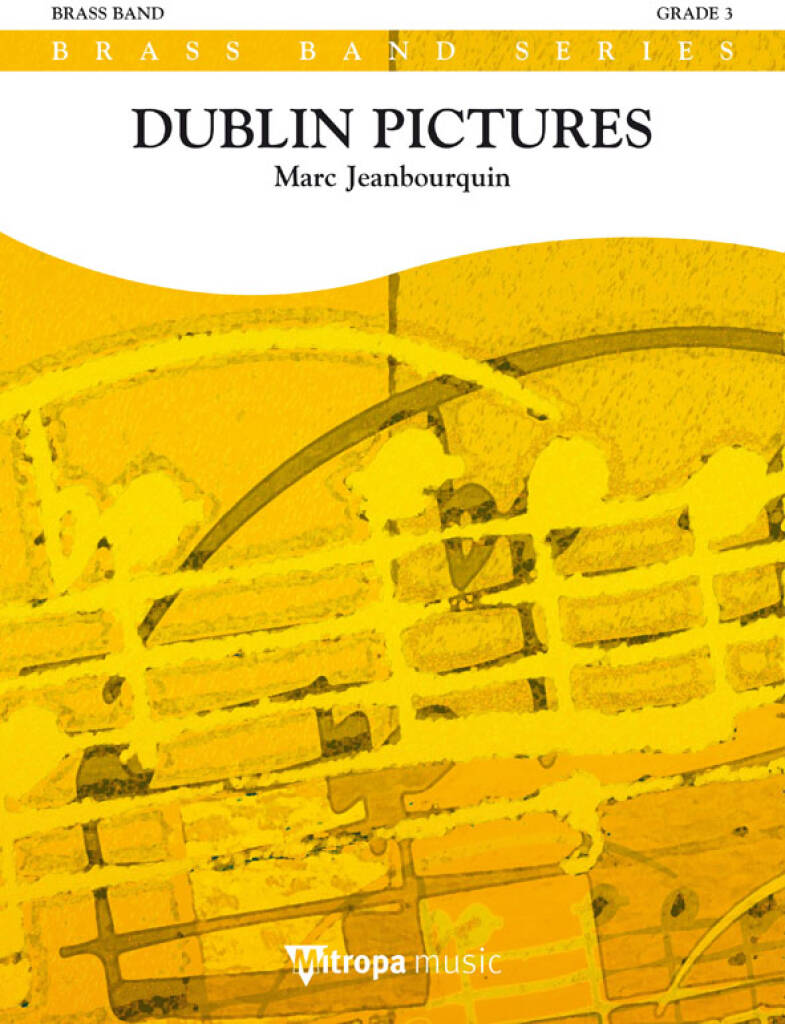
Dublin Pictures - Marc Jeanbourquin
Ireland is a multi-faceted country that has developed a popular and distinctive musical culture. The first movement of Dublin Pictures reflects Irish festivals where there is dancing and traditional beer flowing.More tranquil in its feel, the second movement illustrates the landscape that can be seen from the Ha'penny Bridge, a bridge that crosses the River Liffey in Dublin. This movement highlights the wide range of the orchestra's sound colours as the musicians' voices combine with the wind and percussion to accompany the soloist. The lively and joyful rhythms of the last movement take the listener to Temple Bar, the famoustourist quarter of the city, well known for its vibrant nightlife.The music's energy and virtuosic motifs are in contrast to the previous movement and provide a spirited and festive finale.Marc Jeanbourquin wrote this piece in three movements for Azimuts Brass in 2011. He then arranged it for Concert, Fanfare or Brass Band.
Estimated dispatch 5-14 working days
-
 £379.99
Tranquil Abiding - Paul Mealor
An 18-minute work for brass band, written for the world renowned Foden's Band. This is a melodic work divided into three movements. All sections of the band are featured with solo parts. Each movement is headed by a line from a poem by James Agee, the American novelist and poet. 'Tranquil Abiding', often referred to as 'Shamatha' in Buddhist traditions, signifies a state of peaceful and calm mental stillness, achieved through focused meditation, where the mind rests peacefully and without agitation."The term has always resonated with me particularly during my long, regular walks into, around and along the amazingly beautiful woodlands, mountains and streams of North Wales at night lit only by the stars. It's during these walks that my meditative focus is at its most emotive and I am at one with the 'it' that surrounds us", says Paul Mealor. "Often on these walks and meditations I am reminded of the American poet, James Agee's pantheistic vision of the natural world and the stars above, 'Sure on this Shining Night' which conjures a serene and harmonious image of a summer night, illuminated by celestial bodies and bathed in kindness. The poem evokes a sense of peace and tranquillity as nature heals and the earth is rejuvenated".
Estimated dispatch 5-14 working days
-
 £154.60
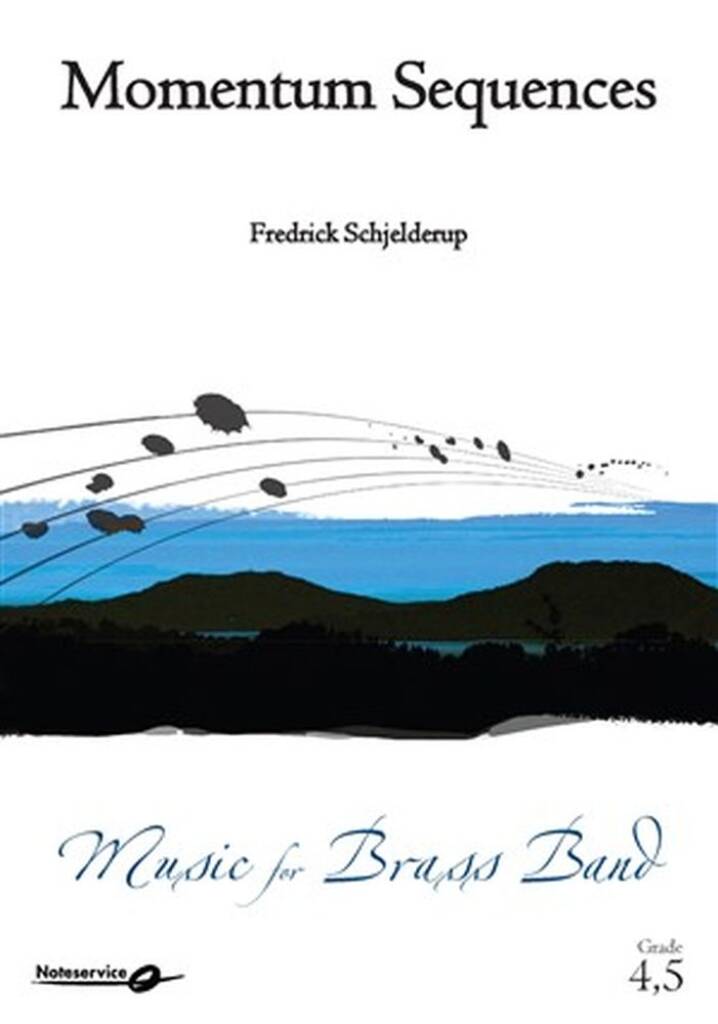
Momentum Sequences - Fredrick Schjelderup
Momentum Sequences was commissioned by Skjold Skoles Musikkorps (Norway) for their 60th Anniversary in 2021 (later adapted for brass band to Smoras Skolemusikk).The title of the term Momentum can be explained by an event that creates extra energy, or the driving force of a moving object. In this case, both the driving force,The energy and the object can be translated to the music, the conductor and the band.The piece is divided in three movements; I.Signals, II.Light and III.Finale which builds up the Momentum of the piece' character and theme.
Estimated dispatch 5-14 working days
-
 £137.99
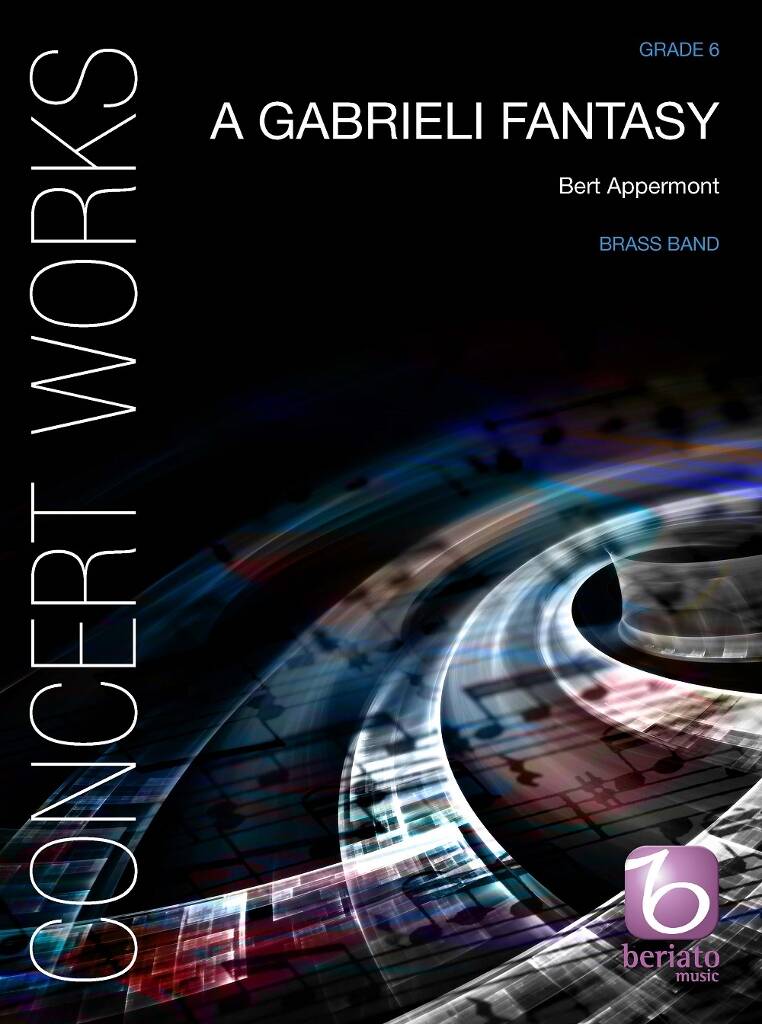
A Gabrieli Fantasy - Bert Appermont
In this five-movement work, Bert Appermont explores the possibilities that three choruses within a brass band have to offer. For this, he used the Canzon a 12 in echo by Giovanni Gabrieli, which he also used in 2018 for a double chorus trombone octet of the same name. There's a lot to be enjoyed in this fantasy, with its range of motifs, melodic cells and chords plus counterpoint techniques like the canon and imitations. An atmospheric piece of music that presents variation in sound and in stage arrangement as well!
Estimated dispatch 5-14 working days
 View Music