
Results
-
 £127.30
Stealing Apples - Fats Waller - Reid Gilje
Stealing Apples is an old swing-tune written by Fats Waller. Performances by Benny Goodman and his big band made the song very popular. In this arrangement for brass band, the mallet percussion is very essential. Mallet Percussion presents the melody from letter A and is also featured as soli-instruments from letter L to P. These parts can alternatively be played as vibraphone solo. Please be aware of the balance at letter A. Horn and Trombones must play piano but well articulated. Letter D must sound sparkling and fresh with articulated and powerful trombones and cornets (using straight-mute). Make shue that the 8th-notes are not played too dotted two bars before letterG. Almost even 8th-notes accentuated on the start of the slur is a good tip. Watch the balance at letter H. This part have to sound homogeniously. The soloistic Soprano Cornet at letter Q must be played in the style of Benny Goodan. The accompaniment must not be too powerful from letter R to S. Best of luck with the performance!
Estimated dispatch 5-14 working days
-
 £105.20
I Don't Know How to Love Him - Andrew Lloyd Webber - Øystein Sjøvaag Heimdal
This is a ballad from the rock-opera "Jesus Christ Superstar" written by Andrew Lloyd Webber (Music) and Tim Rice (Lyrics). Together with the title song, this ballad is the most popular tune from Jesus Christ Superstar. It's recorded and performedlive by many artists since the music saw the light of day in 1971.This arrangement can be performed with a vocal- or instrumental solist. In addition to the vocal solo part, there are also solo-options for the followinginstruments:Eb-Cornet Bb-Cornet Eb-Horn Flugelhorn Baritone - Euphonium - Trombone
Estimated dispatch 5-14 working days
-
 £127.30
Venner - Halvdan Sivertsen - Øystein Sjøvaag Heimdal
This pop-song written and performed by Halvdan Sivertsen was first released on the record album "Hilsen Halvdan" in 1991. Since then, is has been a classic song in Norway. The lyrics is about the benefits of having a lifelong friendship. This arrangement can be performed with SATB choir but works very well also as an instrumental piece. Choir parts are available for purchase separately.
Estimated dispatch 5-14 working days
-
 £60.99
All Night Long - Lionel Richie - Thijs Oud
The famous American singer-songwriter Lionel Richie, who had many hits with his group The Commodores, as well as many international hits as a solo artist, released the single All Night Long at the start of the eighties.It was a huge success and in 1984 Richie sang his hit for an audience of millions during the closing ceremony of the Olympics in Los Angeles. Today, this song is a dance floor classic.
Estimated dispatch 5-14 working days
-
£54.99
O Mio Babbino Caro - Giacomo Puccini
Giacomo Puccini composed Gianni Schicchi in 1918. It was the third opera of Il trittico (a trilogy). O mio babbino caro is a famous arietta sung by Gianni Schicchi's daughter Lauretta. The song is very melodic and it has a beautiful harmonization. This arrangement is ideal for smaller bands or bands missing certain players as it offers alternatives for many parts and will make an ideal encore.
Estimated dispatch 5-14 working days
-
£54.99
Only Time - Ron Sebregts
For many years Enya has been selling as many records as pop goddesses like Madonna and Britney Spears. But it was the events of September 11, 2001 that truly brought this Irish singer to the world stage with CNN broadcasting her ballad Only Time with the tragically dramatic images around the World Trade Center in New York. Ron has arranged this moving song in his own familiar creative way
Estimated dispatch 5-14 working days
-
£60.99
Cantique de Noel - Roland Kernen
The French composer Adolphe Charles Adam's (1803- 1856) carol Cantique de No l (better known in France as Minuit, Chretiens, and also widely known as O Holy Night) was initially criticised by church authorities who observed a lack of musical taste and the absence of religious perception. How wrong they were is now clear as the song is popular worldwide and is often performed in churches as well as carol concerts. Roland Kernen has produced this beautiful version of Cantique de Noel for brass band.
Estimated dispatch 5-14 working days
-
£105.20
This is Halloween - Danny Elfman
This Is Halloween is a song by composer Danny Elfman from the 1993 film, "The Nightmare Before Christmas". In the movie it's performed by the residents of the fictional "Halloween Town", which is the films main setting, and introduces thetowns Halloween-centered lifestyle. Differently from the vast majority of Disney movies, in several countries The Nightmare Before Christmas was released only with subtitles, since the movie was originally considered to be "too dark and scary forkids", and was thus released as a film for adults.
Estimated dispatch 5-14 working days
-
 £105.20
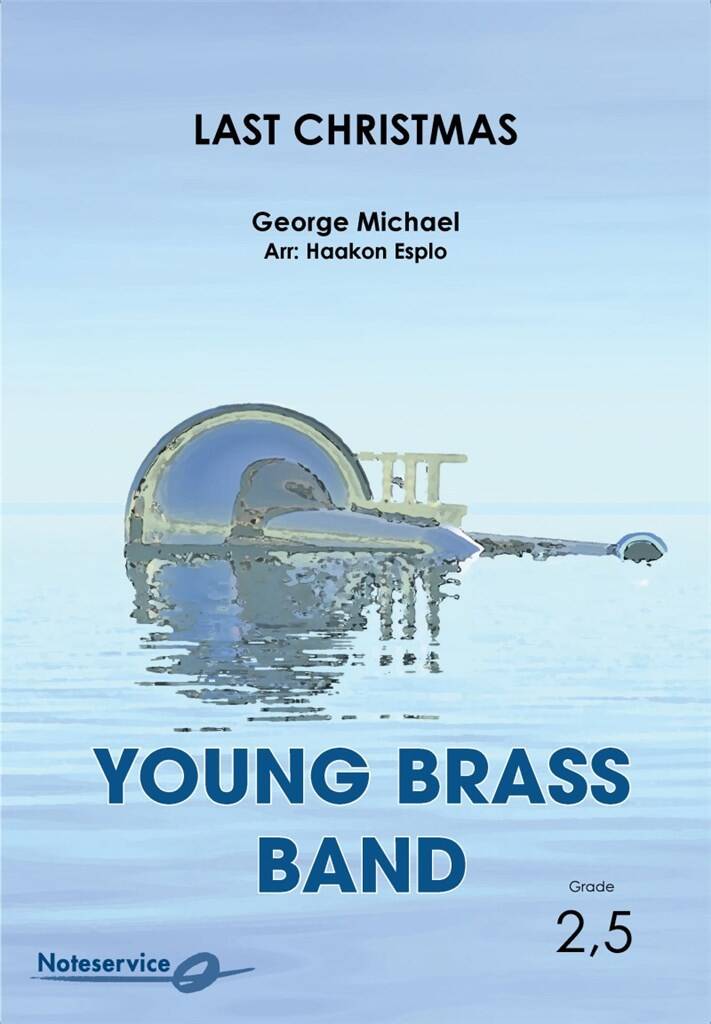
Last Christmas - George Michael - Haakon Esplo
Who does not know the big hit Last Christmas from the pop group Wham! The duo sold 25 million albums between 1982 until they dissolved in 1986. The front figure, vocalist George Michael and guitarist/singer Andrew Ridgeley is also known for hits such as Club Tropicana and Wake Me Up Before You Go-Go which was their first song to reache the top on both the UK and US hitlists. Last Christmas is a natural choice for the next Christmas concert. And the audience will definitely sing along....
Estimated dispatch 5-14 working days
-
 £115.60
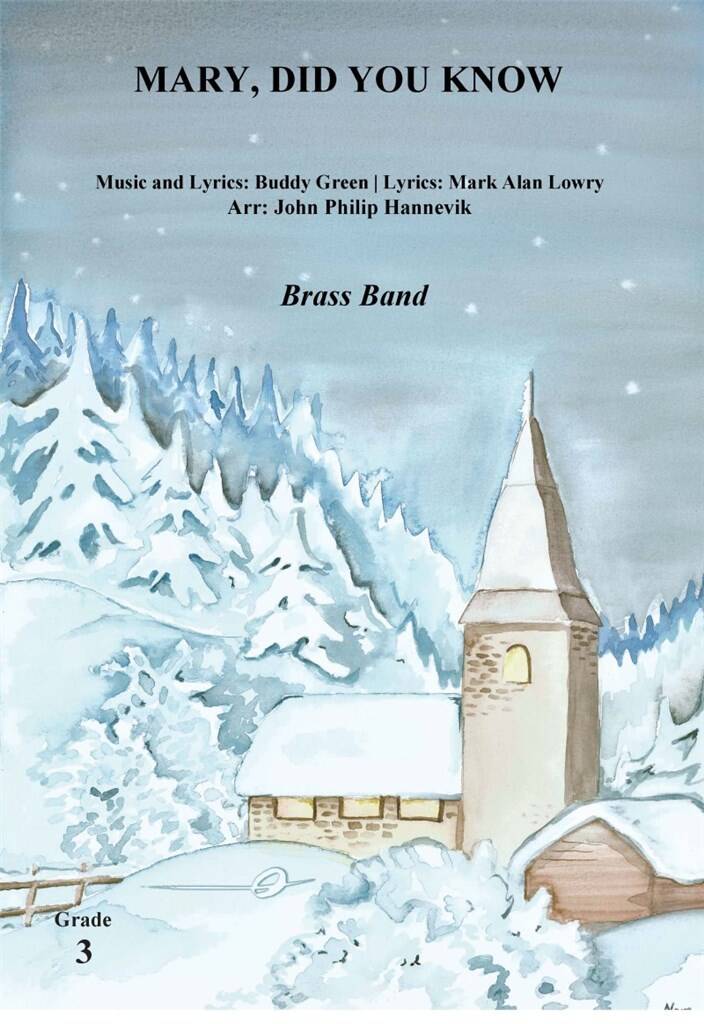
Mary, Did You Know? - Green - John Philip Hannevik
Mark Lowry wrote the lyrics for Mary, did you know in 1984, but the melody was created in 1991, when Marks colleague and friend Buddy Greene composed what turned out to be a modern Christmas Classic. Since then, the song has been recorded by numerous artists from all over the world.
Estimated dispatch 5-14 working days
 View Music