
Results
-
£91.40
Elsa's Procession to the Cathedral - Richard Wagner - Howard Lorriman
Estimated dispatch 5-14 working days
-
 £85.80
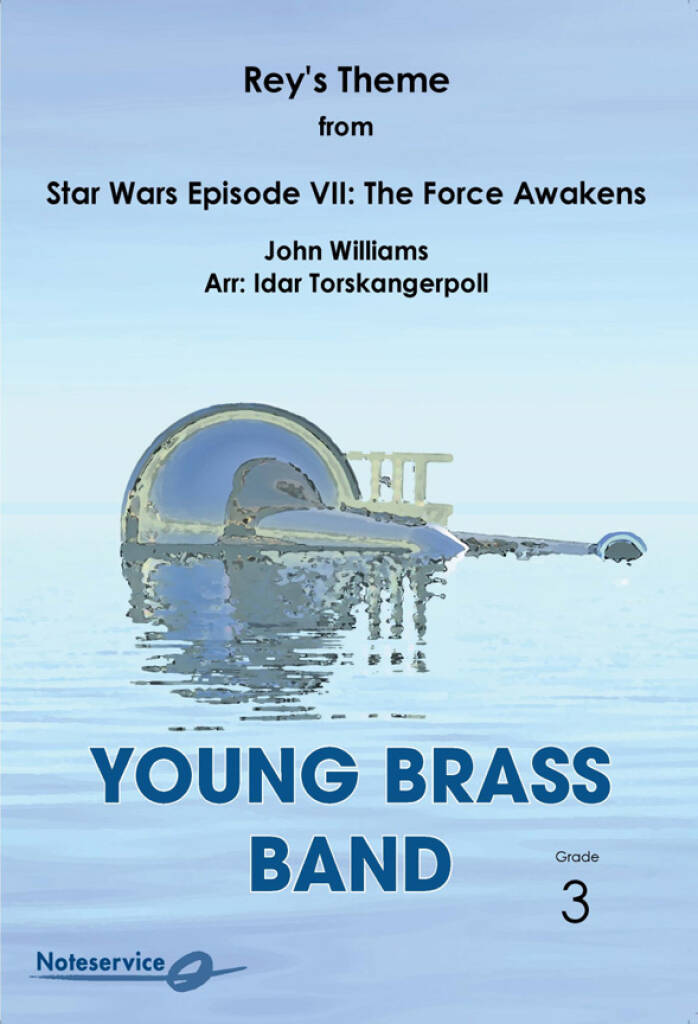
Star Wars Episode VII: The Force Awakens - John Williams - Idar Torskangerpoll
The iconic soundtrack composed by John Williams continues with "The Force Awakens", the seventh Star Wars movie. This arrangement for Young Band tries to capture the rich timbre of the original orchestral music. It is very important to be aware ofthe balance in the band when performing this music. The horns should stand out dynamically when they plays the melody. Also make shure that the rhythmic are played as clear as possible, especially in the bass tubas and other low instruments. You maychoose whether to play the upper or lower octave in the cornet parts.
Estimated dispatch 5-14 working days
-
 £87.99
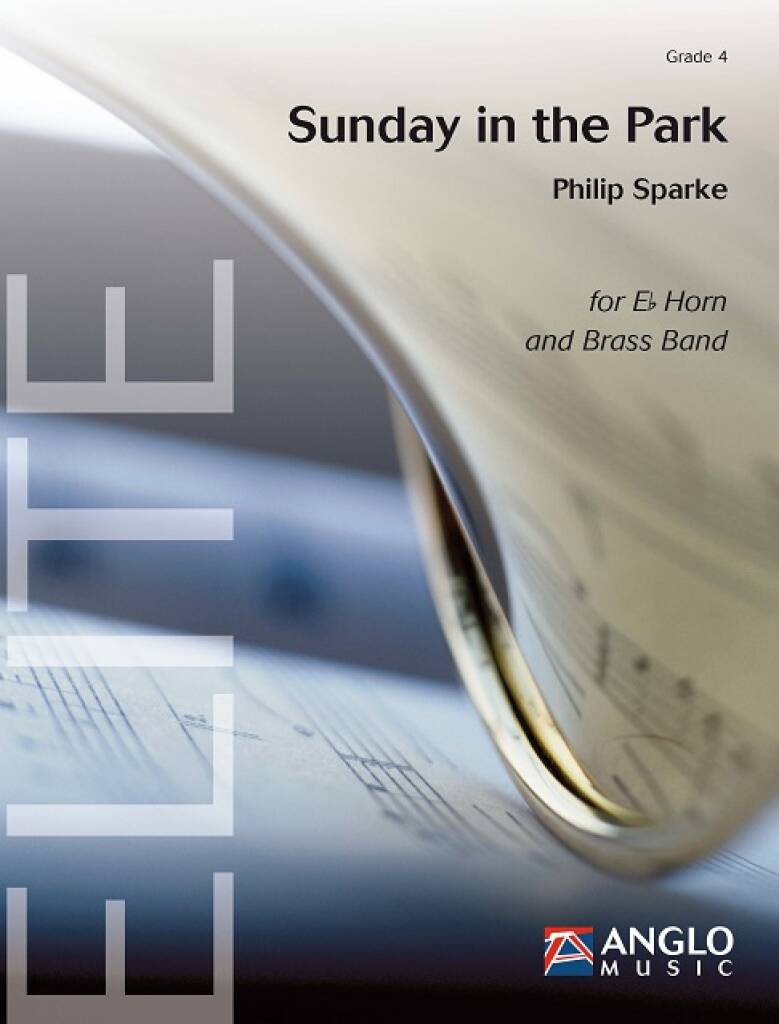
Sunday in the Park - Philip Sparke
Sunday in the Park was written for tenor horn virtuoso Sheona White, and commissioned by her partner, Matt Wade, as a Christmas present.Composer Philip Sparke had known and admired Sheona's playing for many years, having produced her first solo CD and written pieces for her previously.Both composer and performer are huge fans of the late Karen Carpenter, Sheona in part modelling her sound on the singer's sultry voice; so it was decided that this new solo would be a piece which, whilst not being a 'Carpenters' pastiche, paid tribute to their relaxed style and rich harmonic language. Sunday in the Park openswith an accompanied cadenza for the soloist, which leads to a gentle rhythmic melody with a laid-back feel. This is taken up by the band but the soloist sparks a change of mood by introducing a faster light rock interlude. This reaches a climax, at which point the music unwinds until the original mood returns.A variation on the original melody leads to a short cadenza from the soloist, which brings the work to a peaceful close.
Estimated dispatch 5-14 working days
-
£76.99
Haexdonck - Guido De Ranter
This work was commissioned by the municipality of Kapelle-op-den-Bos on the occasion of the 150th anniversary of canon Jaak Muyldermans. Haexdonck is the old spelling of the present day region of "Oxdonk" where Jaak Muyldermans lived. In this three-part work the composer describes the different human aspects of canon Muyldermans' rich life. The first part, slow and dreamy, describes the writer/poet. The second dissonant part with much percussion describes his time as an army chaplain during the Great War. The third hymn-like part depicts his time as a priest. This work by Guido De Ranter, a newcomer to composition,is suitable for competitions or concerts.
Estimated dispatch 5-14 working days
-
£54.99
The Seminar Hymn - Jacob de Haan
This flexible piece in 4 parts was written by Jacob de Haan as a 'theme tune' for the Yamaha teaching method seminars in Germany. The solemn and dignified hymn-like melody will add a touch ofgrandeur to any performance. Its simplicity and rich harmonies suggest overtones of Land of Hope and Glory and this would be a good item to bring a deep and uplifting sense of occasion to your concert.
Estimated dispatch 5-14 working days
-
 £105.80
Royal Duchy - Goff Richards
Estimated dispatch 5-14 working days
-
£47.50
Christmas Fancies - James Curnow
Combine holiday favorites with just a touch of Eurpean flair! Including the songs: Christ Is Born (Il Est Ne); Fum Fum Fum and Hark The Herald Angels Sing, you can't help but capture the joy these carols bring! Richly varied and full sounding, it will appeal to all!
Estimated dispatch 5-14 working days
-
 £47.90
2001 A Space Odyssey - Richard Strauss
Estimated dispatch 5-14 working days
-
£69.99
Wonderful Party - Richard Comello
Estimated dispatch 5-14 working days
-
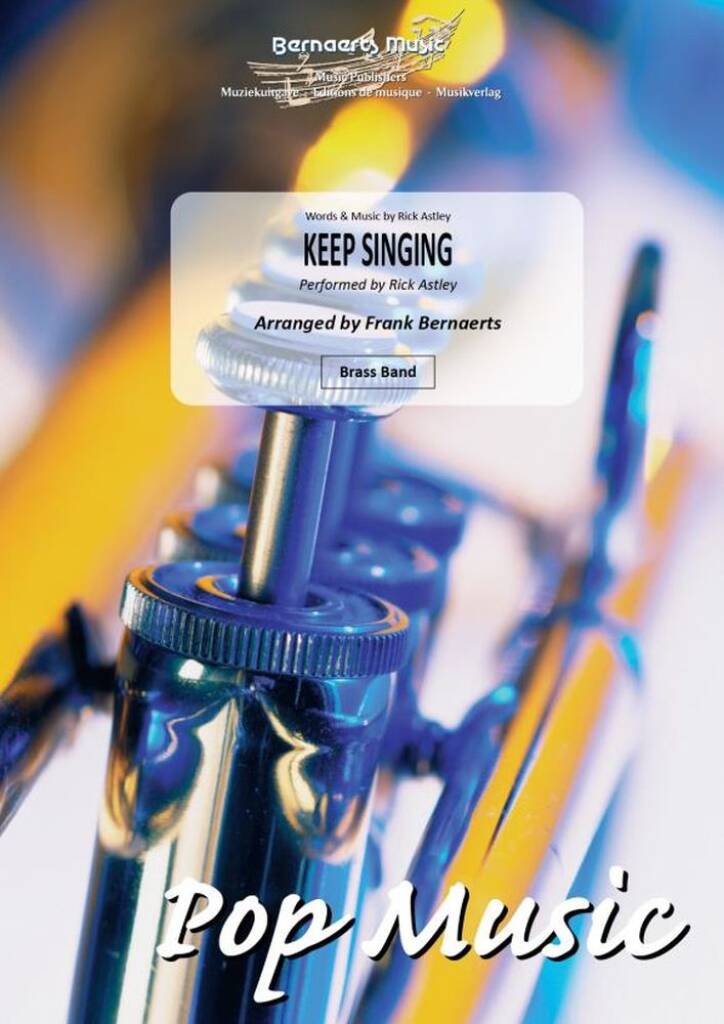 £67.20
keep Singing - Rick Astley - Frank Bernaerts
Estimated dispatch 5-14 working days
 View Music