
Results
-
 £45.00
Cuban Overture (Brass Band - Score and Parts) - Gershwin, George - Littlemore, Phillip
Originally entitled Rumba, the?Cuban Overture?was a was written some time following a two-week holiday which Gershwin took in Havana in February 1932. The overture is dominated by Caribbean rhythms and Cuban native percussion, with a wide spectrum of instrumental colour and technique. It is a rich and exciting work with complexity and sophistication, illustrating the influence of Cuban music and dance. Although it received it's premi?re under the title Rumba, it was renamed Cuban Overture three months later at a benefit concert conducted by Gershwin at the Metropolitan Opera to avoid giving audience the idea that it was simply a novelty item. The new title provided, as the composer stated, "a more just idea of the character and intent of the music". Duration: 6:20
Estimated dispatch 7-14 working days
-
 £40.00
William Tell Overture, Finale from (Brass Band - Score and Parts) - Littlemore, Phillip
The overture to Rossini's opera?William Tell?is a fairly large scale work in four sections and lasting some twelve minutes. However, it is the finale of the overture which is one of ?the most iconic pieces of music. This 'March of the Swiss Soldiers' is a dynamic cavalry charge and galop often used in popular media to denote galloping horses, a race, or a hero riding to the rescue. Its most famous use in that respect is as the theme music for the radio and TV show?The Lone Ranger. It was also used to great comic effect by Spike Jones and his City Slickers and it also finds it's way into the first movement of Shostakovich's 15th Symphony! Duration: 3:20
Estimated dispatch 7-14 working days
-
 £40.00
Magic Flute Overture, The (Brass Band - Score and Parts) - Mozart, Wolfgang Amadeus - Littlemore, Phillip
Mozart's The Magic Flute is a two-act opera composed in 1791, the year of his death. It was the culmination of a period of increasing involvement by Mozart with Emmanuel Schikaneder's theatrical troupe, which since 1789 had been the resident company at the Theater auf der Wieden. The Magic Flute is noted for its prominent Masonic elements; both Schikaneder and Mozart were believed to be Masons and also lodge brothers. Much of Mozart's Masonic music is written in the key of E flat. This key, with 3 flats is indicative of Masonic symbolism. There are other examples of the number three in the opera as well. The opening chords of the introduction sound three times, which also happens during the Temple scenes. Also represented in threes are the three temples of Wisdom, Reason and Nature. Tamino tries to open the three doors of the temple. There are three ladies, the attendants to the Queen of the Night, and three boys who serve as guides to Tamino and Papageno. Duration: 6:30
Estimated dispatch 7-14 working days
-
£29.50
Masquerade - Carl Nielson - Bill Willis
The opera, Masqurade, plot revolves around Leander and Leonora, two young persons who meet fortuitously at a masquerade ball, swear their undying love for each other and exchange rings. The following day, Leander tells a servant of his newfound love. He soon becomes distraught when informed by the servant that his parents have betrothed him in marriage to a neighbour's daughter. Things get complicated when Leonard, the neighbour whose daughter is the other part of the previously unknown arrangement, comes complaining to Leander's father that his daughter is in love with someone she met at the masquerade last night. In the third act, all is resolved when the various parties slip off to the night's masquerade, where all is revealed to everyone's mutual satisfaction. The overture is a stunning work, very entertaining for audiences and players alike.
In Stock: Estimated dispatch 1-3 working days
-
 £74.95
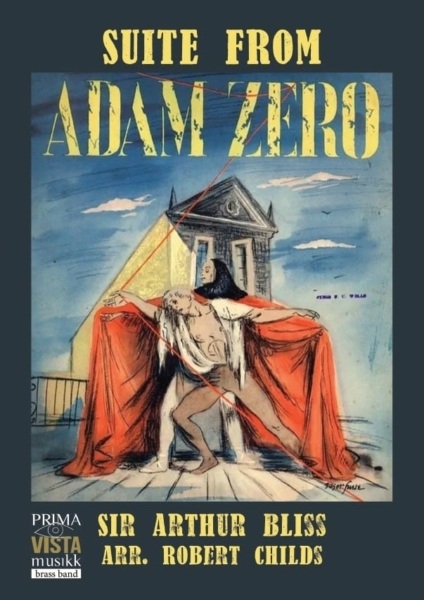
Adam Zero, Suite from (Brass Band - Score and Parts)
Selected as the Section 2 test piece for the National Brass Band Championships of Great Britain 2025Following his ballet Checkmate, Bliss composed another score for the, by then, Sadler's Wells Ballet, Miracle in the Gorbals, which was choreographed by Robert Helpmann, to a scenario by Michael Benthall. Premired in 1944, the ballet made a considerable impact and was a box-office success. It was followed in turn by a further collaboration with Helpmann and Benthall, Adam Zero. This would serve Helpmann, in the eponymous role, as a vehicle in two respects: demonstrating his gifts as a dancer-actor and as a choreographer. First performed at the Royal Opera House, Covent Garden, on 8 April 1946, Adam Zero was conducted by Constant Lambert, the work's dedicatee. Bliss considered it 'his most varied and exciting ballet score'. Benthall provided a synopsis for the programme:There is a philosophy that life moves in an endless series of timeless cycles. As Nature passes through Spring, Summer, Autumn and Winter, so man is born, makes a success in his own particular sphere, loses his position to a younger generation, sees his world crumble before his eyes and only finds peace in death. This age-old story is told in terms of a Company creating a ballet and calling on the resources of the theatre to do so. Lighting, stage mechanism, dance conventions, musical forms and costumes and scenery of all periods are used to symbolize the world of 'Adam Zero'.Apart from Adam, as the Principal Dancer, other main roles included the Stage Director (representing Omnipotence), and Adam's Fates (Designer, Wardrobe Mistress, and Dresser). 'The Woman in this allegory', wrote Bliss, 'under the symbol of the Choreographer, was both the creator and destroyer of Adam: his first love, his wife, his mistress, and finally the figure of beneficent Death.' When the curtain rose, the 'audience saw the Covent Garden stage right back to the wall, completely empty except for the protagonists, 'the Company poised, still and expectant, as they await the birth of... Adam Zero.'Unfortunately, soon after the premire, Helpmann injured himself and had to withdraw from the remaining performances. Despite generally positive reviews, the ballet did not capture the imagination of audiences and, to Bliss's considerable disappointment, was not revived. Seventy years would elapse before its first major return to the stage, in 2016, performed by the ballet company of Stadttheater Bremerhaven with choreography by Sergei Vanaev.Bliss extracted a concert suite from the ballet, conducting its first performance with the City of Birmingham Symphony Orchestra on 28 October 1948. For his own suite, arranged for brass band in 2023, Dr Robert Childs chose three dances linked to the seasons, book-ending them with the ebullient 'Fanfare Overture' and 'Fanfare Coda'. After Adam has grown to manhood, his Fates clothe him in a costume synonymous with confident youth, appropriate for the virile, ardent 'Dance of Spring'. In the 'Approach of Autumn', Adam, now wearing a sombre costume, has grown older: his Fates have streaked grey in his hair and put lines on his face. But they had earlier raised Adam to the zenith of his power, and the 'Dance of Summer' depicts him in the prime of life, in music of sweeping grandeur. The 'Fanfare Coda' signals that the next cycle of life is about to begin.Duration: 10.30
Estimated dispatch 7-14 working days
-
£31.95
Adam Zero, Suite from (Brass Band - Score only)
Selected as the Section 2 test piece for the National Brass Band Championships of Great Britain 2025Following his ballet Checkmate, Bliss composed another score for the, by then, Sadler's Wells Ballet, Miracle in the Gorbals, which was choreographed by Robert Helpmann, to a scenario by Michael Benthall. Premired in 1944, the ballet made a considerable impact and was a box-office success. It was followed in turn by a further collaboration with Helpmann and Benthall, Adam Zero. This would serve Helpmann, in the eponymous role, as a vehicle in two respects: demonstrating his gifts as a dancer-actor and as a choreographer. First performed at the Royal Opera House, Covent Garden, on 8 April 1946, Adam Zero was conducted by Constant Lambert, the work's dedicatee. Bliss considered it 'his most varied and exciting ballet score'. Benthall provided a synopsis for the programme:There is a philosophy that life moves in an endless series of timeless cycles. As Nature passes through Spring, Summer, Autumn and Winter, so man is born, makes a success in his own particular sphere, loses his position to a younger generation, sees his world crumble before his eyes and only finds peace in death. This age-old story is told in terms of a Company creating a ballet and calling on the resources of the theatre to do so. Lighting, stage mechanism, dance conventions, musical forms and costumes and scenery of all periods are used to symbolize the world of 'Adam Zero'.Apart from Adam, as the Principal Dancer, other main roles included the Stage Director (representing Omnipotence), and Adam's Fates (Designer, Wardrobe Mistress, and Dresser). 'The Woman in this allegory', wrote Bliss, 'under the symbol of the Choreographer, was both the creator and destroyer of Adam: his first love, his wife, his mistress, and finally the figure of beneficent Death.' When the curtain rose, the 'audience saw the Covent Garden stage right back to the wall, completely empty except for the protagonists, 'the Company poised, still and expectant, as they await the birth of... Adam Zero.'Unfortunately, soon after the premire, Helpmann injured himself and had to withdraw from the remaining performances. Despite generally positive reviews, the ballet did not capture the imagination of audiences and, to Bliss's considerable disappointment, was not revived. Seventy years would elapse before its first major return to the stage, in 2016, performed by the ballet company of Stadttheater Bremerhaven with choreography by Sergei Vanaev.Bliss extracted a concert suite from the ballet, conducting its first performance with the City of Birmingham Symphony Orchestra on 28 October 1948. For his own suite, arranged for brass band in 2023, Dr Robert Childs chose three dances linked to the seasons, book-ending them with the ebullient 'Fanfare Overture' and 'Fanfare Coda'. After Adam has grown to manhood, his Fates clothe him in a costume synonymous with confident youth, appropriate for the virile, ardent 'Dance of Spring'. In the 'Approach of Autumn', Adam, now wearing a sombre costume, has grown older: his Fates have streaked grey in his hair and put lines on his face. But they had earlier raised Adam to the zenith of his power, and the 'Dance of Summer' depicts him in the prime of life, in music of sweeping grandeur. The 'Fanfare Coda' signals that the next cycle of life is about to begin.Duration: 10.30
Estimated dispatch 7-14 working days
-
£21.95
Adam Zero, Suite from (Brass Band - Study Score)
Selected as the Section 2 test piece for the National Brass Band Championships of Great Britain 2025Following his ballet Checkmate, Bliss composed another score for the, by then, Sadler's Wells Ballet, Miracle in the Gorbals, which was choreographed by Robert Helpmann, to a scenario by Michael Benthall. Premired in 1944, the ballet made a considerable impact and was a box-office success. It was followed in turn by a further collaboration with Helpmann and Benthall, Adam Zero. This would serve Helpmann, in the eponymous role, as a vehicle in two respects: demonstrating his gifts as a dancer-actor and as a choreographer. First performed at the Royal Opera House, Covent Garden, on 8 April 1946, Adam Zero was conducted by Constant Lambert, the work's dedicatee. Bliss considered it 'his most varied and exciting ballet score'. Benthall provided a synopsis for the programme:There is a philosophy that life moves in an endless series of timeless cycles. As Nature passes through Spring, Summer, Autumn and Winter, so man is born, makes a success in his own particular sphere, loses his position to a younger generation, sees his world crumble before his eyes and only finds peace in death. This age-old story is told in terms of a Company creating a ballet and calling on the resources of the theatre to do so. Lighting, stage mechanism, dance conventions, musical forms and costumes and scenery of all periods are used to symbolize the world of 'Adam Zero'.Apart from Adam, as the Principal Dancer, other main roles included the Stage Director (representing Omnipotence), and Adam's Fates (Designer, Wardrobe Mistress, and Dresser). 'The Woman in this allegory', wrote Bliss, 'under the symbol of the Choreographer, was both the creator and destroyer of Adam: his first love, his wife, his mistress, and finally the figure of beneficent Death.' When the curtain rose, the 'audience saw the Covent Garden stage right back to the wall, completely empty except for the protagonists, 'the Company poised, still and expectant, as they await the birth of... Adam Zero.'Unfortunately, soon after the premire, Helpmann injured himself and had to withdraw from the remaining performances. Despite generally positive reviews, the ballet did not capture the imagination of audiences and, to Bliss's considerable disappointment, was not revived. Seventy years would elapse before its first major return to the stage, in 2016, performed by the ballet company of Stadttheater Bremerhaven with choreography by Sergei Vanaev.Bliss extracted a concert suite from the ballet, conducting its first performance with the City of Birmingham Symphony Orchestra on 28 October 1948. For his own suite, arranged for brass band in 2023, Dr Robert Childs chose three dances linked to the seasons, book-ending them with the ebullient 'Fanfare Overture' and 'Fanfare Coda'. After Adam has grown to manhood, his Fates clothe him in a costume synonymous with confident youth, appropriate for the virile, ardent 'Dance of Spring'. In the 'Approach of Autumn', Adam, now wearing a sombre costume, has grown older: his Fates have streaked grey in his hair and put lines on his face. But they had earlier raised Adam to the zenith of his power, and the 'Dance of Summer' depicts him in the prime of life, in music of sweeping grandeur. The 'Fanfare Coda' signals that the next cycle of life is about to begin.Duration: 10.30
Estimated dispatch 7-14 working days
-
 £112.00
Zampa (Brass Band - Score and Parts) - Herold, Ferdinand - Wilkinson, Keith M.
The opera, Zampa, was first performed in Paris in 1831 and over the next 50 or so years enjoyed frequent performances and remained extremely popular. Since the dawn of the 20th century the popularity of the opera has waned somewhat but the overture has continued to be one of the composer's most famous works and is a staple of the orchestral repertoire.This brass band transcription was prepared for Brass Band Of The Western Reserve and it has been extremely well-received on their concerts.
Estimated dispatch 7-14 working days
-
 £31.95
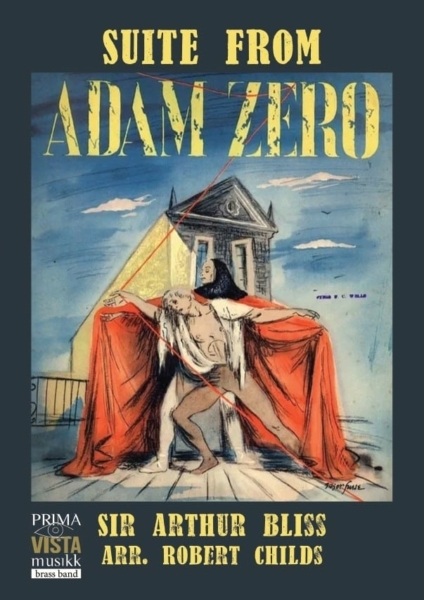
Adam Zero, Suite from (Brass Band - Score only) - Bliss, Arthur - Childs, Robert
Selected as the Section 2 test piece for the National Brass Band Championships of Great Britain 2025Following his ballet Checkmate, Bliss composed another score for the, by then, Sadler's Wells Ballet, Miracle in the Gorbals, which was choreographed by Robert Helpmann, to a scenario by Michael Benthall. Premired in 1944, the ballet made a considerable impact and was a box-office success. It was followed in turn by a further collaboration with Helpmann and Benthall, Adam Zero. This would serve Helpmann, in the eponymous role, as a vehicle in two respects: demonstrating his gifts as a dancer-actor and as a choreographer. First performed at the Royal Opera House, Covent Garden, on 8 April 1946, Adam Zero was conducted by Constant Lambert, the work's dedicatee. Bliss considered it 'his most varied and exciting ballet score'. Benthall provided a synopsis for the programme:There is a philosophy that life moves in an endless series of timeless cycles. As Nature passes through Spring, Summer, Autumn and Winter, so man is born, makes a success in his own particular sphere, loses his position to a younger generation, sees his world crumble before his eyes and only finds peace in death. This age-old story is told in terms of a Company creating a ballet and calling on the resources of the theatre to do so. Lighting, stage mechanism, dance conventions, musical forms and costumes and scenery of all periods are used to symbolize the world of 'Adam Zero'.Apart from Adam, as the Principal Dancer, other main roles included the Stage Director (representing Omnipotence), and Adam's Fates (Designer, Wardrobe Mistress, and Dresser). 'The Woman in this allegory', wrote Bliss, 'under the symbol of the Choreographer, was both the creator and destroyer of Adam: his first love, his wife, his mistress, and finally the figure of beneficent Death.' When the curtain rose, the 'audience saw the Covent Garden stage right back to the wall, completely empty except for the protagonists, 'the Company poised, still and expectant, as they await the birth of... Adam Zero.'Unfortunately, soon after the premire, Helpmann injured himself and had to withdraw from the remaining performances. Despite generally positive reviews, the ballet did not capture the imagination of audiences and, to Bliss's considerable disappointment, was not revived. Seventy years would elapse before its first major return to the stage, in 2016, performed by the ballet company of Stadttheater Bremerhaven with choreography by Sergei Vanaev.Bliss extracted a concert suite from the ballet, conducting its first performance with the City of Birmingham Symphony Orchestra on 28 October 1948. For his own suite, arranged for brass band in 2023, Dr Robert Childs chose three dances linked to the seasons, book-ending them with the ebullient 'Fanfare Overture' and 'Fanfare Coda'. After Adam has grown to manhood, his Fates clothe him in a costume synonymous with confident youth, appropriate for the virile, ardent 'Dance of Spring'. In the 'Approach of Autumn', Adam, now wearing a sombre costume, has grown older: his Fates have streaked grey in his hair and put lines on his face. But they had earlier raised Adam to the zenith of his power, and the 'Dance of Summer' depicts him in the prime of life, in music of sweeping grandeur. The 'Fanfare Coda' signals that the next cycle of life is about to begin.Duration: 10.30
Estimated dispatch 7-14 working days
-
£21.65
Adam Zero, Suite from (Brass Band - Study Score) - Bliss, Arthur - Childs, Robert
Selected as the Section 2 test piece for the National Brass Band Championships of Great Britain 2025Following his ballet Checkmate, Bliss composed another score for the, by then, Sadler's Wells Ballet, Miracle in the Gorbals, which was choreographed by Robert Helpmann, to a scenario by Michael Benthall. Premired in 1944, the ballet made a considerable impact and was a box-office success. It was followed in turn by a further collaboration with Helpmann and Benthall, Adam Zero. This would serve Helpmann, in the eponymous role, as a vehicle in two respects: demonstrating his gifts as a dancer-actor and as a choreographer. First performed at the Royal Opera House, Covent Garden, on 8 April 1946, Adam Zero was conducted by Constant Lambert, the work's dedicatee. Bliss considered it 'his most varied and exciting ballet score'. Benthall provided a synopsis for the programme:There is a philosophy that life moves in an endless series of timeless cycles. As Nature passes through Spring, Summer, Autumn and Winter, so man is born, makes a success in his own particular sphere, loses his position to a younger generation, sees his world crumble before his eyes and only finds peace in death. This age-old story is told in terms of a Company creating a ballet and calling on the resources of the theatre to do so. Lighting, stage mechanism, dance conventions, musical forms and costumes and scenery of all periods are used to symbolize the world of 'Adam Zero'.Apart from Adam, as the Principal Dancer, other main roles included the Stage Director (representing Omnipotence), and Adam's Fates (Designer, Wardrobe Mistress, and Dresser). 'The Woman in this allegory', wrote Bliss, 'under the symbol of the Choreographer, was both the creator and destroyer of Adam: his first love, his wife, his mistress, and finally the figure of beneficent Death.' When the curtain rose, the 'audience saw the Covent Garden stage right back to the wall, completely empty except for the protagonists, 'the Company poised, still and expectant, as they await the birth of... Adam Zero.'Unfortunately, soon after the premire, Helpmann injured himself and had to withdraw from the remaining performances. Despite generally positive reviews, the ballet did not capture the imagination of audiences and, to Bliss's considerable disappointment, was not revived. Seventy years would elapse before its first major return to the stage, in 2016, performed by the ballet company of Stadttheater Bremerhaven with choreography by Sergei Vanaev.Bliss extracted a concert suite from the ballet, conducting its first performance with the City of Birmingham Symphony Orchestra on 28 October 1948. For his own suite, arranged for brass band in 2023, Dr Robert Childs chose three dances linked to the seasons, book-ending them with the ebullient 'Fanfare Overture' and 'Fanfare Coda'. After Adam has grown to manhood, his Fates clothe him in a costume synonymous with confident youth, appropriate for the virile, ardent 'Dance of Spring'. In the 'Approach of Autumn', Adam, now wearing a sombre costume, has grown older: his Fates have streaked grey in his hair and put lines on his face. But they had earlier raised Adam to the zenith of his power, and the 'Dance of Summer' depicts him in the prime of life, in music of sweeping grandeur. The 'Fanfare Coda' signals that the next cycle of life is about to begin.Duration: 10.30
Estimated dispatch 7-14 working days
 View Music