
Results
-
 £37.50
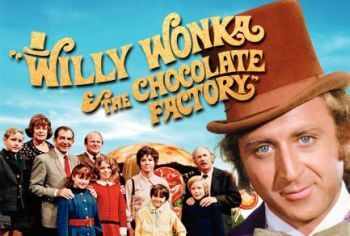
Willy Wonka (Selections From) - Leslie Bricusse & Anthony Newman - Gavin Somerset
Few people have not seen the 1971 film starring Gene Wilder as the eccentric chocolatier, offering tours of his chocolate factory to those lucky enough to find the hidden golden ticket. Whilst initialy a box office failure, the film went on to become a favourite in households across the world, years after its initial release. Now for the first time, your band can enjoy the music from the film in this selection that includes 'Golden Ticket', 'The Candy Man' and of course, the unforgettable 'Pure Imagination'. The music of Leslie Bricusse & Anthony Newley has been a hit for many years and continues to make TV and radio appearances. 'The Candy Man' was perhaps best known when covered by Sammy Davis Jr where it made it to number one in the USA. 'Pure Imagination' has been used countless times in adverts in the media and more recently, recorded by Jamie Callum for his album 'Momentum'. 'Pure Imagination' can also be performed as a stand-alone item. This is truly an all-time classic filled with a feast of musical variety that fits well into just about any concert. A must for all band libraries. To download the Solo Cornet part, please CLICK HERE . To download the Solo Horn part, please CLICK HERE . To download the Solo Euphonium part, please CLICK HERE . To download the playback audio to play along to, please RIGHT CLICK HERE & Save As .
In Stock: Estimated dispatch 1-3 working days
-
 £29.50
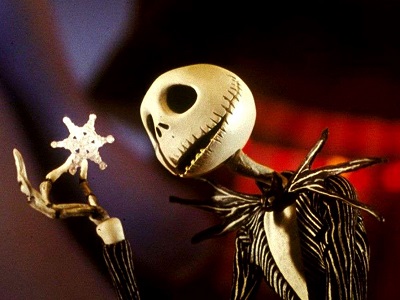
What's This? - Danny Elfman - Naomi Styles
Tim Burton's Nightmare Before Christmas needs little introduction, as it is regularly hailed of one of the greatest Christmas films of all time. The originality of stop motion animation at a time where many were turning to computer animations, helped the movie on its way to great critical acclaim and financial success. The score for the movie was provided by Danny Elfman (of Simpsons & Batman fame) who also provided the singing voice for the character, Jack. Now, for the first time ever, the energetic and memorable track, 'What's This', is now available for band. The film and soundtrack finds favour with audiences of all ages and is a must for bands looking for something different to inject some life into their Christmas concerts this year. For Christmas 2020, we have made backing tracks of this title for you to download. These can be used either for personal playback use, or to create a virtual performance of the piece with your full band. To download the backing track, please RIGHT CLICK HERE & Save As .
In Stock: Estimated dispatch 1-3 working days
-
£29.50
Yakety Sax - Randolph & Rich - Neville Buxton
Made famous in its use on the Benny Hill Show, Yakety Sax has long been associated with comedy scenes. Now, arranged for the first time by Neville Buxton as a solo for any Bb instrument, some of that hilarity can now feature in your concerts! There's plenty of room for choreography to add to the spectacle, yet even without, this is one solo item that will have the audience wanting more!
In Stock: Estimated dispatch 1-3 working days
-
 £29.50
Ye Morning Stars of Light - Andi Cook
This composition takes the well-known hymn tune Diadem and turns it into an epic concert work that all bandsmen will enjoy getting their teeth stuck into. Big organ like chords fill the opening stanza's before the work sets off full of life with fragments of the familiar tune hinted at throughout. There is a great energy to this piece and makes a great way to begin or finish a concert. Certainly one not to be missed.
In Stock: Estimated dispatch 1-3 working days
-
£29.50
March - Civic Society - Various - Alexander Scaife-McGee
Civic society is a March written by Alexander Scaife-McGeethat came to their mind on last year's Remembrance Parade. the band of the South Wales Police. It struck me that on parade were representatives of all the Armed Forces, the emergency services and the numerous varieties of Scouts, from Brownies to Venture Scouts. This March is therefore a celebration of all of those who make up Civic Society on these important occasions.Melodies included;British GrenadiersColonel BogeyThe RAF March PastRule BritanniaHeart of OakA Policeman's Lot is not a Happy OneGing Gang Goolie
In Stock: Estimated dispatch 1-3 working days
-
£29.50
Rhapsody On a Theme of Paganini - Rachmaninorff - Ed Keeley
Almost everyone will know and recognise this work simply as the Eighteenth Variation of a Theme by Paganini. Is one of the most beautiful melodies that known throughout the world & regularly features on Classic FM. Now the famous work by Rachmaninoff is available as a lyrical slow melody solo for Euphonium. Featuring intricate parts for the band and a challenging euphonium solo that needs empathetic and expressive accompaniment. Free solo part is available to download below.
In Stock: Estimated dispatch 1-3 working days
-
£29.50
Journey in the Jungle - Max Stannard
This piece was written to book end the performance of Friezland Band at the inaugural Red Admiral Entertainment Contest where they won the Most Entertaining Programme Award. The composition starts with an exciting jungle feel, which has different sections starting one at a time, giving the option of players walking on stage whilst playing. The lively start is followed by the more menacing section as night begins to fall. There is then a frantic dash to the end in an attempt to escape the jungle.
In Stock: Estimated dispatch 1-3 working days
-
£29.50
Dance of the Troglodytes - Naomi Styles
If your resident tuned percussionist hasn't had much to do of late, then why not present him or her with Dance of the Troglodytes? While not strictly a xylophone solo, it features this instrument strongly with fast arpeggios over a steady tune that gradually rises in intensity and excitement. 'Dance of the Troglodytes' is one of a modern day 'Carnival of the Animals' - a series of brass band tunes inspired by Christopher Lloyd's book 'What on Earth evolved?' which ranks the species which have most influenced planet Earth. The music celebrates Homo Sapiens, ranked by Lloyd as the 6th most influential species. Emerging from Africa about 160,000 years ago from Homo erectus stock, Homo Sapiens' quick thinking, manual dexterity and increasingly complex tool making skills made it the only surviving human species. Now we humans have spread to every corner of the globe, shaping it through agriculture, transportation and industry. Dance of the Troglodytes echoes the rise of humans as they emerge from primitive life and gradually create the complex world we live in today.
In Stock: Estimated dispatch 1-3 working days
-
£24.50
Sailor's Hymn - Amber Hooton
Sailor's Hymn depicts a scene of sailors preparing to depart from the port of Liverpool, looking out over the docks as the Blue Peter flag flies,beckoning the sailors aboard to begin their long journey. It is a piece about saying goodbye to what was once familiar, moving on and pushing towards new horizons.This piece was written for a cultural exchange between brass and wind bands from St Helens (Valley Brass Band) and Normandy (Harmonie Courselles Sur Mer), culminating in a massed bands concert in Normandy during April 2024. The piece was one of several arrangements and original compositions written especially for the exchange, supported by grants from the Victoria Wood Foundation and Johnson Foundation. The concert celebrated the local cultures of Merseyside and Normandy, as well as the wider national cultures of the United Kingdom and France.
In Stock: Estimated dispatch 1-3 working days
-
 £54.99
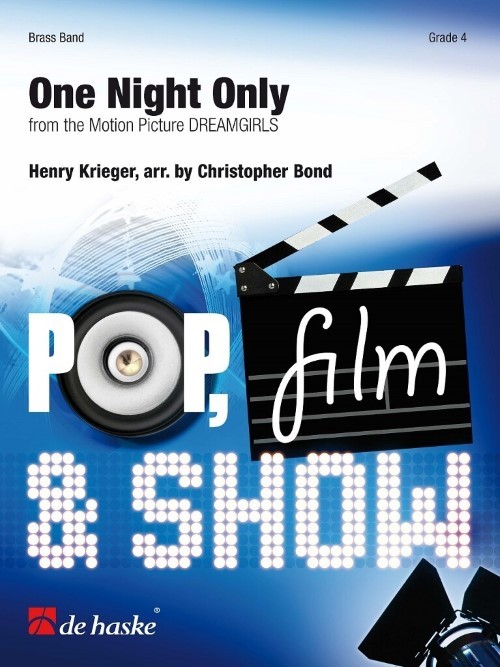
One Night Only (from Dreamgirls) (Brass Band - Score and Parts) - Eyen & Krieger - Bond, Christopher
From the movie musical Dreamgirls, this arrangement begins as a slow and emotional ballad, later kicking into high gear for a fast and powerful rendition. This absolutely fantastic and spectacular arrangement by Christopher Bond will surely create a positive vibe within the band and will undoubtedly be liked by the audience.Duration: 3.15
Estimated dispatch 7-14 working days
 View Music
 Listen to MP3