
Results
-
 £24.50
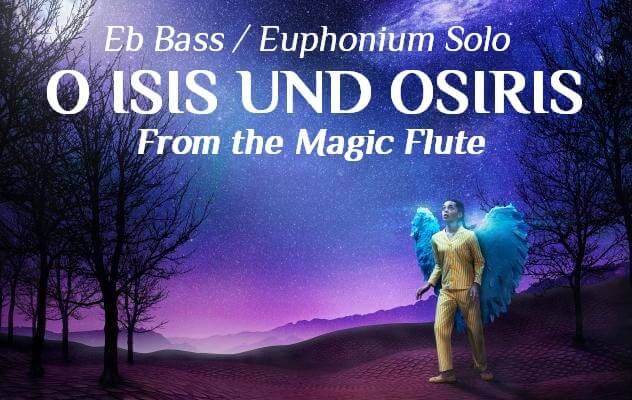
O Isis Und Osiris - W.A. Mozart - Andi Cook
The Magic Flute (Die Zauberflote) is one of Mozart's most successful operas, premiered only 2 months before the composer's early death. Skilfully arranged now as an Eb Tuba solo (with an Euphonium solo part as an alternative option), this is a chance for your band's tuba player to show the instruments in a new light, not often seen on the concert stage. The Aria O Isis Und Osiris is performed at the start of the second act of the opera and allows the soloist to show off the more lyrical and operatic side of the instrument.
In Stock: Estimated dispatch 1-3 working days
-
 £65.50
Phoenix - David Holling
Phoenix is a programmatic study depicting the life of the fascinating fictitious bird. The opening is dramatic and yet joyous, followed by the first theme that represents the bird in flight; light in style but relentless all the same. A touch of Latin imposes on a small part of the opening section before returning to the theme once again. The 'Tranquillo' section represents the calm dignity of the bird's fate before the tender slow movement conveys the Phoenix's death with a new theme. This is chance for the soloists to demonstrate musical and technical skill and should be treated interpretively, not mechanically. A fanfare then bursts forth followed by a serious but short fugal section as the Phoenix is reborn. The bird takes flight again in the closing section of music where the melodic content should always be at the forefront of the ensemble.
In Stock: Estimated dispatch 1-3 working days
-
 £24.50
Silent Stars Go By - R.V Williams - Gavin Somerset
The title "The Silent Stars Go By" is the 4th line from the very popular carol "O Little Town Of Bethlehem". Arranged now as a simple cornet solo, the melody is brought out by both the soloist and the band is such a way, that this simply melody can warm hearts on the coldest of nights. This is a fantastic item for all cornet players and playable by most levels of bands, perfect also for the younger soloist. For Christmas 2020, we have made backing tracks of this title for you to download. These can be used either for personal playback use, or to create a virtual performance of the piece with your full band. To download the backing track, please RIGHT CLICK HERE & Save As .
In Stock: Estimated dispatch 1-3 working days
-
 £37.50
Willy Wonka (Selections From) - Leslie Bricusse & Anthony Newman - Gavin Somerset
Few people have not seen the 1971 film starring Gene Wilder as the eccentric chocolatier, offering tours of his chocolate factory to those lucky enough to find the hidden golden ticket. Whilst initialy a box office failure, the film went on to become a favourite in households across the world, years after its initial release. Now for the first time, your band can enjoy the music from the film in this selection that includes 'Golden Ticket', 'The Candy Man' and of course, the unforgettable 'Pure Imagination'. The music of Leslie Bricusse & Anthony Newley has been a hit for many years and continues to make TV and radio appearances. 'The Candy Man' was perhaps best known when covered by Sammy Davis Jr where it made it to number one in the USA. 'Pure Imagination' has been used countless times in adverts in the media and more recently, recorded by Jamie Callum for his album 'Momentum'. 'Pure Imagination' can also be performed as a stand-alone item. This is truly an all-time classic filled with a feast of musical variety that fits well into just about any concert. A must for all band libraries. To download the Solo Cornet part, please CLICK HERE . To download the Solo Horn part, please CLICK HERE . To download the Solo Euphonium part, please CLICK HERE . To download the playback audio to play along to, please RIGHT CLICK HERE & Save As .
In Stock: Estimated dispatch 1-3 working days
-
£24.50
Fakenham Fair - Traditional - A. Cook
The origins of the song Fakenham Fair are somewhat obscure. It was collected by Peter Bellamy, who performed it unaccompanied on his first solo LP, "Mainly Norfolk" in 1968, giving credit to a Peter Bullen of Norwich from whom he had learned it, Bullen in turn giving credit to his grandfather. But beyond that, other than it definitely being a Norfolk folk song, the rest is a mystery.Over the years, Fakenham Fair has become a firm favourite among folk audiences, probably the most famous version being the 2008 recording by folk supergroup 'Bellowhead' which this setting for brass band pays tribute to. A bright, quirky, and bouncy 5:4/10:8 waltz, the band parts dance back and forth from simple time to compound time and back again, giving a constant flow that somehow always feels natural despite the irregular rhythm... but which will also keep your audience guessing where the beat will land next! With solos and features for principal chairs around the band, nobody is left out of the fun. Engaging to listen to and even more so to play, Fakenham Fair is a perfect light concert item for the band that likes to show off their rhythmic and lyrical sides at the same time.
In Stock: Estimated dispatch 1-3 working days
-
£37.50
Brass Monkeys Jazz Workout - Paul H Traves
This huge release brings together a selection of music composed by Paul H Traves that introduces your learners to the different style of Jazz that is available. Naturally, the rhythmic work required to play such styles means that this publication will push your learners on and will challenge them at a new level. Syncopation and swing are at the heart of the music in this collection and it is the perfect way to get your learners playing in new styles not always covered by training band music. This title offers excellent value for money with seven titles included. This publication features:SNAKES & LADDERS - (teaching dynamics and expressive playing)CHROMATICS - (As the title suggest, ensuring every valve us used!)ROCKIN' GERONIMO - (featuring triplets and accidentals)TRUMPET DRIFT - (introducing crotchet triplets & syncopation)J.B.'s 12 BAR BLUES - (a well-known style that feature sharp key signatures)J.B.'s CALYPSO (unison playing and tight rhythmic playing required)ZIG-ZAG (getting players into a lazy swing style)
In Stock: Estimated dispatch 1-3 working days
-
£37.50
Christmas Humbug - Traditional - Len Jenkins
If you were looking for something different and quirky this Christmas aA" look no further! A medley of all the best known carols from the festive period, but not as you may expect them. This piece takes you on a musical journey through different styles of music with clever bits of carols thrown in for good measure. The piece is written in 2 sections and can be played as one long through-composed suite, or each half performed separately, effectively giving you two pieces of music out of one. This item is one for every band and certain to entertain both the audience and players.
In Stock: Estimated dispatch 1-3 working days
-
 £29.50
Grandfather's Clock - G Doughty - Gavin Somerset
One of the most popular Euphonium solos in the Brass Band repertoire has now been transcribed and re-arranged for the Eb Instruments of the band. Originally arranged for Michelle Ibbotson on Soprano for Black Dyke, this transcription makes the solo perfect for Soprano Cornet, Tenor Horn or even Eb Bass. New percussion parts have also been added for this arrangement. Most bands have the original Euphonium solo in their library, and now is the chance to revive this old classic in a new light, with new soloists.
In Stock: Estimated dispatch 1-3 working days
-
 £24.50
Hinky Dinky - Traditional - John Lee
Mademoiselle from Armentires (also known as Hinky Dinky) was one of the most popular songs of World War One and known in many versions, often with extremely dubious lyrics! The origins of the jaunty melody are not certain but it could date back as far as the 1830's and may be a French military tune. The instructions on 'standing' and 'sitting' are intended as a guide only and should be adapted to suit the needs and athleticism of individual bands! A perfect addition to a band's repertoire in this WWI Centenary year.
In Stock: Estimated dispatch 1-3 working days
-
 £24.50
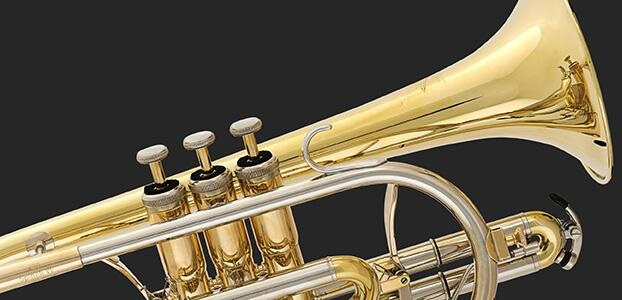
Kathleen Mavourneen - Frederick Crouch - Andi Cook
Composed by Frederick Crouch with lyrics by Marion Crawford, this easy listening piece was popular during the American Civil War years. The term "Mavourneen" is derived from Irish Gaelic "My Beloved.". Now skilfully arranged as a cornet solo by Andi Cook, the work is open to soloists of most standards and was recently recorded on the final James Shepard Versatile Brass CD, Legacy which has increased it's popularity again within the Brass Band movement.
In Stock: Estimated dispatch 1-3 working days
 View Music
 Listen to MP3