
Results
-
 £24.50
Hinky Dinky - Traditional - John Lee
Mademoiselle from Armentires (also known as Hinky Dinky) was one of the most popular songs of World War One and known in many versions, often with extremely dubious lyrics! The origins of the jaunty melody are not certain but it could date back as far as the 1830's and may be a French military tune. The instructions on 'standing' and 'sitting' are intended as a guide only and should be adapted to suit the needs and athleticism of individual bands! A perfect addition to a band's repertoire in this WWI Centenary year.
In Stock: Estimated dispatch 1-3 working days
-
 £65.50
Phoenix - David Holling
Phoenix is a programmatic study depicting the life of the fascinating fictitious bird. The opening is dramatic and yet joyous, followed by the first theme that represents the bird in flight; light in style but relentless all the same. A touch of Latin imposes on a small part of the opening section before returning to the theme once again. The 'Tranquillo' section represents the calm dignity of the bird's fate before the tender slow movement conveys the Phoenix's death with a new theme. This is chance for the soloists to demonstrate musical and technical skill and should be treated interpretively, not mechanically. A fanfare then bursts forth followed by a serious but short fugal section as the Phoenix is reborn. The bird takes flight again in the closing section of music where the melodic content should always be at the forefront of the ensemble.
In Stock: Estimated dispatch 1-3 working days
-
 £29.50
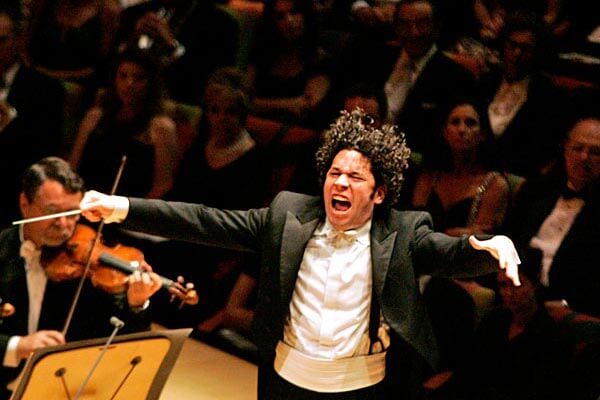
Classical Brass - Various - Gavin Somerset
This medley of famous classical music is the perfect addition to any concert. Beginning with the 'Barber of Seville' before the piece sets off on a journey with tongue placed firmly in cheek! Let your audience here the great classical works of Rossini, Grieg, Liszt, Mendelssohn (& others) as they've never heard them before. The various famous melodies all stay around long enough for your audience to recognize them before being moved off in another direction completely. This work is a musical journey that is perfect for formal proms concerts, yet certainly would not be out of place on a bandstand either. The piece has many opportunities for bands to add their own choreography if desired. A toe tapping, audience pleasing, journey that leaves the audience wanting more. Whilst rehearsals are suspended due to Covid-19, we are making some parts available to download FREE for home use and practice, alongside a downloadable backing track to play along to. To download the Solo Cornet part, please CLICK HERE . To download the Solo Horn part, please CLICK HERE . To download the Solo Euphonium part, please CLICK HERE . To download the playback audio to play along to, please RIGHT CLICK HERE & Save As .
In Stock: Estimated dispatch 1-3 working days
-
 £37.50
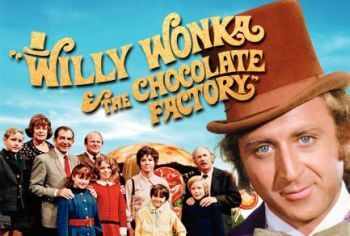
Willy Wonka (Selections From) - Leslie Bricusse & Anthony Newman - Gavin Somerset
Few people have not seen the 1971 film starring Gene Wilder as the eccentric chocolatier, offering tours of his chocolate factory to those lucky enough to find the hidden golden ticket. Whilst initialy a box office failure, the film went on to become a favourite in households across the world, years after its initial release. Now for the first time, your band can enjoy the music from the film in this selection that includes 'Golden Ticket', 'The Candy Man' and of course, the unforgettable 'Pure Imagination'. The music of Leslie Bricusse & Anthony Newley has been a hit for many years and continues to make TV and radio appearances. 'The Candy Man' was perhaps best known when covered by Sammy Davis Jr where it made it to number one in the USA. 'Pure Imagination' has been used countless times in adverts in the media and more recently, recorded by Jamie Callum for his album 'Momentum'. 'Pure Imagination' can also be performed as a stand-alone item. This is truly an all-time classic filled with a feast of musical variety that fits well into just about any concert. A must for all band libraries. To download the Solo Cornet part, please CLICK HERE . To download the Solo Horn part, please CLICK HERE . To download the Solo Euphonium part, please CLICK HERE . To download the playback audio to play along to, please RIGHT CLICK HERE & Save As .
In Stock: Estimated dispatch 1-3 working days
-
 £29.50
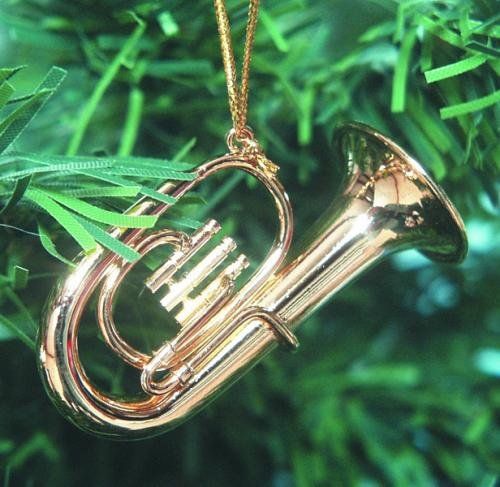
Ding Dong Merrily On High - Darrol Barry
Euphonium players will relish the chance this Christmas to perform one of the nations most loved Christmas carols in a solo skilfully penned by Darrol Barry. Marked 'Giocoso' in style, this jolly arrangement not only allows the soloist the chance to show off their virtuosic capabilities, but the band has plenty to enjoy too. A darker middle movement precedes an exciting finale which will have the audiences cheering. A must have for all euphonium soloists. For Christmas 2020, we have made backing tracks of this title for you to download. These can be used either for personal playback use, or to create a virtual performance of the piece with your full band. To download the backing track, please RIGHT CLICK HERE & Save As .
In Stock: Estimated dispatch 1-3 working days
-
 £29.50
Sing - Andrew Lloyd Webber & Gary Barlow - Dave Houghton
When it was announced that prolific composer Sir Andrew Lloyd Webber and hit song writer Gary Barlow were to collaborate on a project to commemorate the Diamond Jubilee of Queen Elizabeth II, the public were left in little doubt that the music would be an instant hit. We were not disappointed! Gary Barlow travelled across the Commonwealth searching for instruments and voices to perform on the single and the 'Military Wives Choir' were also included in the final edition. Now available for the first time for brass band in an arrangement by Dave Houghton, this moving work projects the 'feel good' factor to your audience and is a perfect addition to a programme on both the bandstand and concert hall. A must for every bands library.
In Stock: Estimated dispatch 1-3 working days
-
 £29.50
Only You - Vincent Clarke - Andrew Keegan
Originally beginning life as a joke item, this track was to feature on Kylie Minogue's 2015 Christmas album. James Corden & Kylie Minogue have been good friends since hosting the BRIT awards in 2009 and upon completing the recording, record producers took a liking to it and elevated the song to single status. The piece makes a great cornet/horn duet and although was initially released for a Christmas album, it is not a Christmas song. Light accompaniments and a simple, beautiful melody ensure this new duet will be a hit with players and audiences alike. *Soprano Cornet solo part included as an extra to perform as a Soprano/Horn Duet.
In Stock: Estimated dispatch 1-3 working days
-
£24.50
Triumphant - Bill Willis
TriumphantThis is a bright concert march in a traditional style and should pose no problems for the majority of bands.The first half of the march moves between the related keys of A min and C majThe march starts with a bold opening 2 bar statement in A min. At B the rhythm from the middle of the band should not be allowed to slow the pace of the march. C sees a majestic bass melody from Baritones downwards moving to D where a repeat of the original theme is presented before moving to the TRIO section. This moves between the related keys of F maj and D min. The melody heard at E is repeated at G with a florid counter-melody heard from 1st Baritone and Euphonium leading to the finish.
In Stock: Estimated dispatch 1-3 working days
-
£24.50
In The Pines - Traditional - Max Stannard
Whilst the song may not be familiar with some, this traditional American folk song is believed to date back to the 1870's. With various other titles including 'Where Did You Sleep Last Night?' and 'Black Girl', this work has been recorded by numerous artists over the years and was in 1993, introduced to a new generation when it was performed by the US band, Nirvana. Max Stannard's haunting setting brings your audience in with the haunting melody before shifting gears into a great jazz-waltz section. Featuring several soloists, this is a great entertainment items and a good showcase for concerts and contests.
In Stock: Estimated dispatch 1-3 working days
-
 £24.50
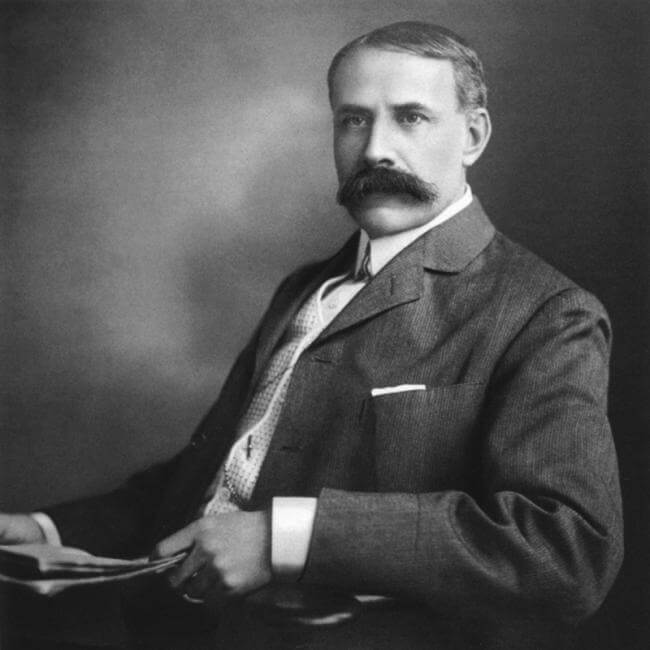
Nimrod 'From Enigma Variations' - Elgar - Gavin Somerset
The 'Enigma Variations' by Elgar are musical portraits of his friends and family. The best of these 14 variations is by far, number 9 entitled 'Nimrod'. The variation has become a piece in its own right and is common at funerals and other solemn occasions. Remembrance Day in particular would not be complete without hearing the work and is always performed at the Cenotaph in London on this day. Now, this arrangement by Gavin Somerset remains faithful to the original and with careful scoring throughout, it allows bands of most standards to play this gorgeous piece and still obtain those hair raising moments the audiences have come to expect. A must for every bands library.
In Stock: Estimated dispatch 1-3 working days
 View Music
 Listen to MP3