
Results
-
 £29.50
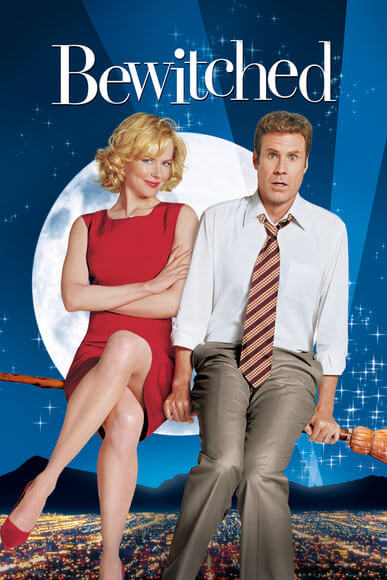
Bewitched - Howard Greenfield - Gavin Somerset
In 1964, the pilot to the new American sitcom 'Bewitched' was completed. The original screening used Frank Sinatra's 'Witchcraft' as the music for the opening titles, however, the production company did not want to pay the large fee to use this track and so, Greenfield & Keller were asked to compose an alternative. The foot-tapping swing piece they produced was reduced to an instrumental version with a light orchestra for the opening credits. However, the song has now been recorded several times. The most famous recording by Steve Lawrence was also featured in the film 'Bewitched' released in 2005. Since then, it has also appeared on the X-Factor a number of times. This fantastic swing item now comes arranged for brass band with the option of playing it at the Steve Lawrence song tempo, or the fast, big band instrumental tempo used in the TV Series. An optional, lower pitched part is also included between letters E-F for the cornet section & flugel to make the item more accessible to lower section bands. This item is a great swing number that audiences of all ages will recognize, a great piece for your new program & a must for every band looking to inject some life into their concerts.
In Stock: Estimated dispatch 1-3 working days
-
 £29.50
Red Dwarf - Howard Goodall - Andi Cook
Over the years, Howard Goodall has provided the BBC and others with memorable themes for TV shows that have over time, become iconic in stature. The theme tune to 'Red Dwarf' is certainly no exception. The return of the programme with the new series has been welcomed by millions and now, for the first time, the iconic theme tune has been arranged by Andi Cook for brass band. Perfect for use as an opener or general concert item, the arrangement also contains an optional cut to shorten the work if required for and entertainment contest programme. This new release is a must for all bands looking to give their concert programme a boost of energy.
In Stock: Estimated dispatch 1-3 working days
-
 £65.50
Windsor Variations - Gavin Somerset
The first major Concert Work/Test Piece by Gavin Somerset for brass band takes the familiar tune, St. George's Windsor (Elvey) and gives us a highly enjoyable opus, full of music with which players & MDs can fully express themselves. Often sang to the harvest hymn, Come, Ye Thankful People Come, Its majesty and motifs make this an enjoyable piece to both play and listen to. The work's primary focus is on melody and music with all sections of the band involved in bringing this piece to life. At harvest time or any other, this is a great new feature work for the brass band repertoire. GET THE PARTS FREE TO REHEARSE AT HOME Whilst Brass Band rehearsals continue to be suspended, we are offering FREE downloads of any of the instrumental parts for this new work*. A downloadable playback of the work is also available for you to play along to with a click track included where deemed appropiate to aid your home practice. To download your free instrumental part, please send us a quick email to [email protected]. Once we have received your request, you shall be emailed your free music. Please allow up to 24hrs for this to arrive. Thank you. To download the playback audio to play along to, please RIGHT CLICK HERE & Save As . *A maximum of 2 parts per email address allowed
In Stock: Estimated dispatch 1-3 working days
-
£24.50
Myfanwy - Joseph Parry - Adrian Horn
With many entertainments contests requesting a hymn tune to be included in the program, finding something new is always high on any bands list. This fantastic new arrangement by Adrian Horn (originally for the VBS Poynton Brass Band) is the perfect addition to any contest or concert program. Composed by Joseph Parry (of Aberystwyth fame), he is also rumored to have written the first ever original composition for brass band. This is a gem of a piece that shows the warmth of the brass band sound.
In Stock: Estimated dispatch 1-3 working days
-
£37.50
Brass Monkey's Classical - Gavin Somerset
This release from the 'Brass Monkeys' series introduces your training band to some of the best-loved classical music around. Each piece contains a different challenge and something new to learn. With an opening from Clarke, marches from Tchaikovsky & Elgar, a lullaby from Brahms and memorable music from Dvorak & Holst, this is the perfect way for your learners to start playing some of the world's most famous melodies. The music in this publication is also a great way for your training band to join in on concerts with the senior band. This final item, 'Jupiter' from Holst's 'The Planets' has as well as the main melody, an optional, slightly more difficult section so the players have something to work towards even after conquering the main bulk of the work. Music included isaATRUMPET VOLUNTARY (Prince Of Denmark's March)MARCH SLAVEGOOD EVENING, GOOD NIGHT (Brahms' Lullaby)LARGO (From The 'New World Symphony')POMP & CIRCUMSTANCE No.1 (Land Of Hope & Glory)JUPITER (From 'The Planets')
In Stock: Estimated dispatch 1-3 working days
-
 £24.50
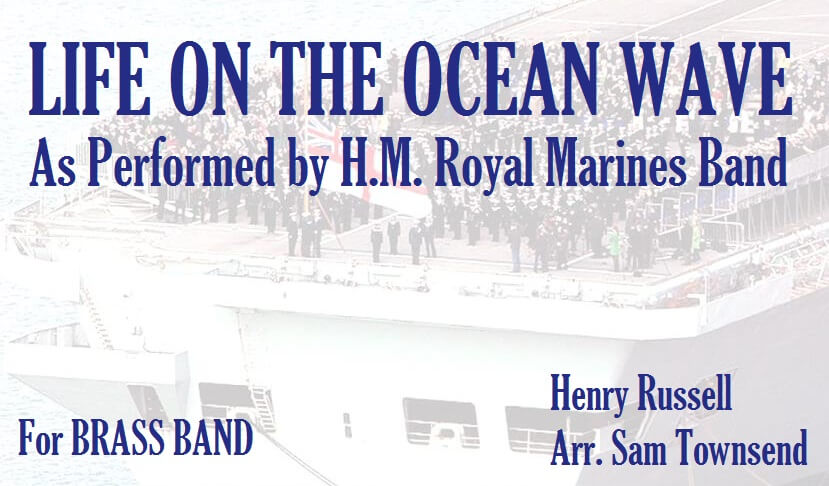
Life On The Ocean Wave - Henry Russell - Sam Townsend
This British March has been made famous around the world due to its use by H.M. Royal Marines Band. In 1882, the Deputy Adjutant General Royal Marines requested that the Bandmaster of each Royal Marine Division (Portsmouth, Plymouth, Chatham) submit an arrangement for a new regimental March for the corps. The Bandmaster of the Chatham Division, submitted an arrangement of A Life on the Ocean Wave which was authorised for use as the regimental quick March of the Corps of Royal Marines in 1882. Now for the first time, this March has been made available for Brass Band and is a perfect concert item to use in any concert.
In Stock: Estimated dispatch 1-3 working days
-
£44.50
Marianne - Martin Bunce
Written in 1974, Marianne is a beautifully lyrical flugelhorn ballad by Martin Bunce, now newly arranged by the composer for brass band.Originally written during a particularly romantic period in Bunce's life, the piece was first performed on the BBC Two television programme In Concert by the National Youth Jazz Orchestra, with Martin himself featured as the flugelhorn soloist. A recording was subsequently released by RCA on 45rpm, and Marianne gradually became an established and much-loved part of the NYJO repertoire. It has since appeared on several of the orchestra's recordings, including the four-CD collection The Very Best of NYJO.The melody has also found a home in the brass band world, notably through Maurice Murphy's recording with the Leyland Band on The Lighter Side of Maurice Murphy. This new brass band arrangement places the flugelhorn's distinctive warm and mellow tone firmly at the heart of the music, supported by sympathetic and accessible scoring throughout the band.Neither the solo part nor the accompaniment is excessively demanding, making Marianne an excellent choice for a wide range of bands and an ideal contrast item for concert programmes. Warm, expressive and immediately appealing, it offers the flugelhorn soloist an opportunity to shine while giving audiences a memorable melody to take away.A charming addition to any brass band library, Marianne is particularly well suited to concerts, solo features and lighter programmes.
In Stock: Estimated dispatch 1-3 working days
-
£37.50
Brass Monkeys Jazz Workout - Paul H Traves
This huge release brings together a selection of music composed by Paul H Traves that introduces your learners to the different style of Jazz that is available. Naturally, the rhythmic work required to play such styles means that this publication will push your learners on and will challenge them at a new level. Syncopation and swing are at the heart of the music in this collection and it is the perfect way to get your learners playing in new styles not always covered by training band music. This title offers excellent value for money with seven titles included. This publication features:SNAKES & LADDERS - (teaching dynamics and expressive playing)CHROMATICS - (As the title suggest, ensuring every valve us used!)ROCKIN' GERONIMO - (featuring triplets and accidentals)TRUMPET DRIFT - (introducing crotchet triplets & syncopation)J.B.'s 12 BAR BLUES - (a well-known style that feature sharp key signatures)J.B.'s CALYPSO (unison playing and tight rhythmic playing required)ZIG-ZAG (getting players into a lazy swing style)
In Stock: Estimated dispatch 1-3 working days
-
 £37.50
Stories From The Steel City - Jonathan Bates
In 2013, Deepcar Brass Band, based in the north of Sheffield at the foot of the Pennines, celebrated their 25th Anniversary year. To that end, they commissioned the upcoming composer Jonathan Bates to pen a new work for the band that reflected not only the band's triumphant milestone, but also the history of the steel city. This exciting work features a variety of styles and has an interlude that hears the sounds of metal being clanged to conjure up images of the cities steelwork heritage. Jonathan Bates has since gone on to compose for many of the country's top bands and all his works see success with melodic lines and skilful use of the brass band colours.
In Stock: Estimated dispatch 1-3 working days
-
 £37.50
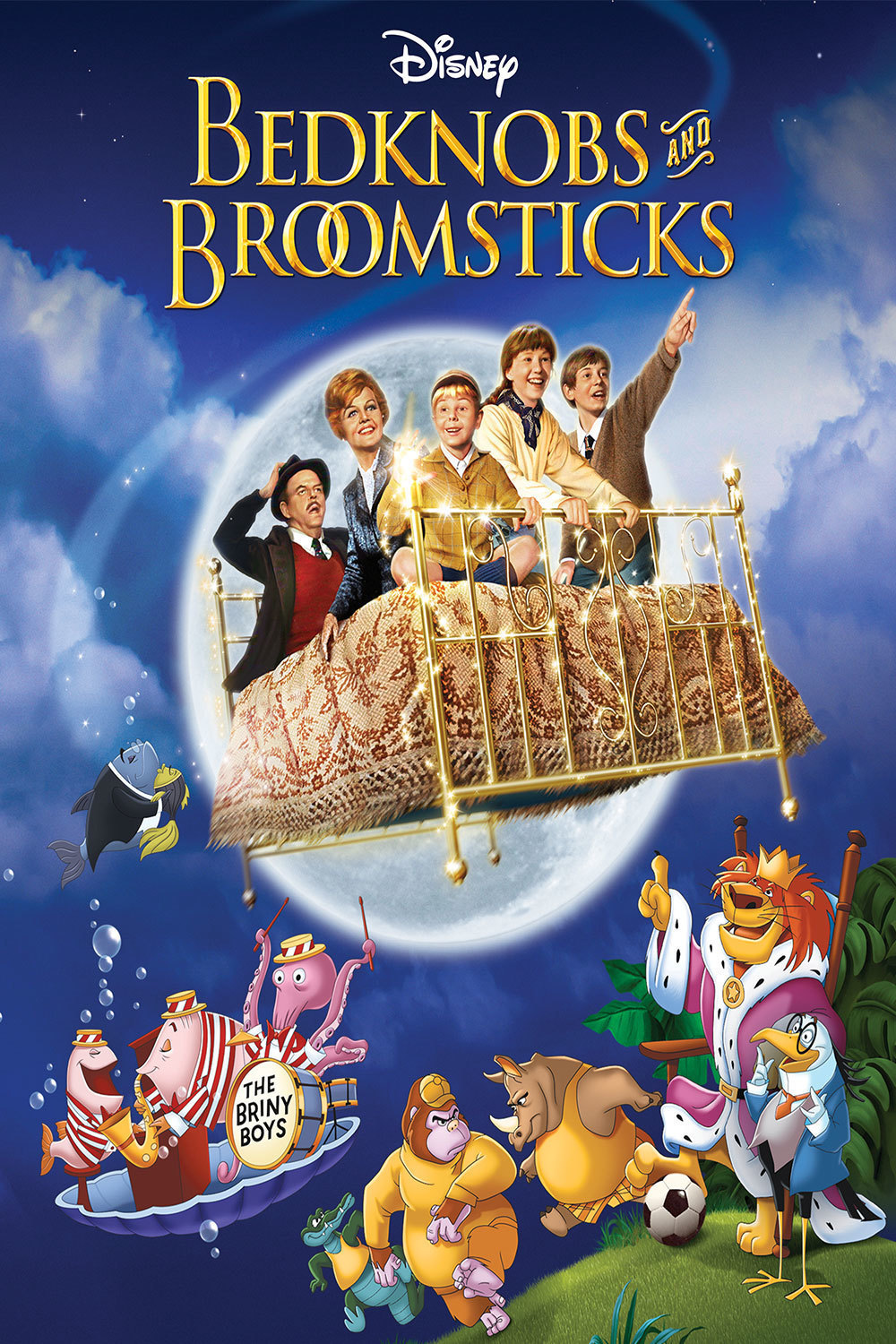
Bedknobs & Broomsticks - Sherman & Sherman - Gavin Somerset
After the success of Mary Popping in 1964, Disney once again had a hit on their hands seven years later with the release of 'Bedknobs & Broomsticks'. Set in 1940, the film told the story of Eglantine Price, a spinster who was learning the ways of witchcraft to help Britain with the War effort. Richard & Robert Sherman provided another excellent score, with memorable songs that now for the first time, are available for Brass Band. This toe-tapping new work features The Old Home Guard, The Age of Not Believing, Portabello Road and, The Beautiful Briny Sea (with added bubbles!). Audiences of all ages will appreciation this title and is a great addition to any concert programme. Whilst rehearsals are suspended due to Covid-19, we are making some parts available to download FREE for home use and practice, alongside a downloadable backing track to play along to. To download the Solo Cornet part, please CLICK HERE . To download the Solo Horn part, please CLICK HERE . To download the Solo Euphonium part, please CLICK HERE . To download the Eb Bass part, please CLICK HERE . To download the playback audio to play along to, please RIGHT CLICK HERE & Save As .
In Stock: Estimated dispatch 1-3 working days
 View Music
 Listen to MP3