
Results
-
 £87.99
With Clouds Descending - Philip Sparke
With Clouds Descending is a fantasy on the powerful Advent hymn Helmsley which is long associated with another Advent hymn - Wesley's Lo! He Comes with Clouds Descending. The hymn tune is divided into an introduction and three complete verses of Helmsley, which surround a slower central section, whose melody is derived from the last line of the hymn tune. Philip Sparke's grade 4 arrangement of this majestic piece for Brass Band is equally suitable as a concert opener or a main concert piece.
Estimated dispatch 5-14 working days
-
 £79.99
A Midwest Fanfare - Philip Sparke
A Midwest Fanfare was commissioned by the Brass Band of Battle Creek and premiered by them during their appearance at the Midwest Clinic in Chicago on 20th December 2017 where this fanfare was the opening piece of the entire event. This piece is designed to be played with the cornets split into two teams either side of the band. It opens with the two groups answering each other antiphonally over a repeated figure in the lower band. A calmer central section introduces a euphonium solo which is then taken up by the whole ensemble. This leads back to a repeat of the opening fanfares over a rhythmic accompaniment and a short coda which brings the work to a close.
Estimated dispatch 5-14 working days
-
 £159.99
Rush Hour - Etienne Crausaz
Rush Hour was commissioned by the Swiss Brass Band Association (SBBV) on the occasion of the 38th Swiss National Brass Band Championships 2012 (Montreux SBBW) as the test piece in the Championship division.Structured in three parts without breaks, the work opens in a heavy, oppressive atmosphere, sometimes even noisy. After a short passage in a lighter mood a quick tempo takes over, the music becomes nervous and unrelenting, with constant twists and turns. The tension builds, leading to a slower movement in which various soloists are highlighted. A few humorous touches are heard in contrast to a majestic, powerful and dramatic chorale. The end of this part is brighter andmore peaceful. This atmosphere is soon replaced by a return of the thematic material heard in the first movement, developing into an oppressive moos. The piece concludes with a last ecstatic tutti, reusing the harmonies of the introduction in a kind of final flurry.Rush Hour attempts to express the range of feelings we may experience when caught in various stressful situations in the middle of the rush hour.
Estimated dispatch 5-14 working days
-
£72.99
Cinemania - Robert Finn
This music sounds as if it came straight off the cinema screen. However, there's no movie for this fantastic score! Just like EVERY good film score, this work also includes moving melodies, fast virtuoso passages and, last but not least, a romantic love theme. The instrumentation takes into account that a group may not be complete and this means that the piece can be played by practically every orchestra. Highly recommended for concerts and competitions.
Estimated dispatch 5-14 working days
-
 £76.99
Fanfare And Funk - Oliver Waespi
This work by Swiss composer Oliver Waespi was one of the highlights at the 2006 Eidgenossische Musikfest in Lucerne. The piece opens with a festive fanfare featuring the brass section. The mood changes to a funk passage which develops and grows into a James Brown-like groove. It also includes an ad libitum drum solo. A slow blues lends a calmer feel and the piece culminates with striking interwoven fanfare and funk styles. This work is highly recommended for concert programmes but it can also make a spectacular, unconventional choice for a competition.
Estimated dispatch 5-14 working days
-
 £11.95
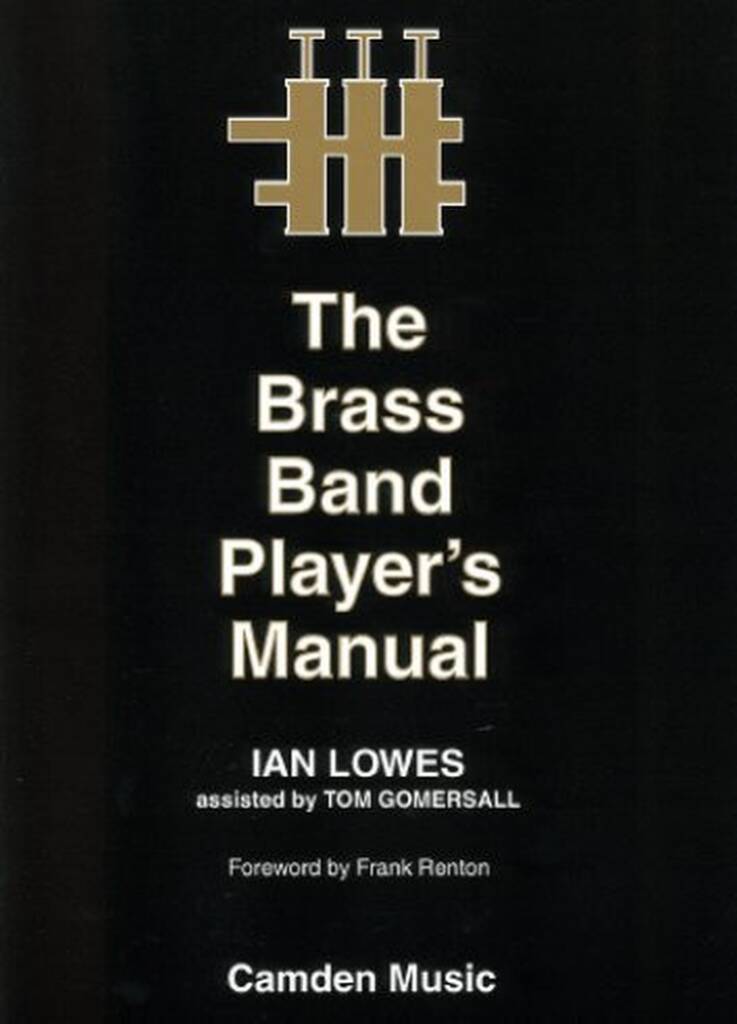
The Brass Band Player's Manual - Ian Lowes
This is the 'Haynes manual' of technique for the brass player. It breaks down all areas of preparation and performance into easy to understand sections and provides valuable exercises to improve all aspects of playing. Completewith a quick reference 'fault diagnosis chart'.IntroductionThis tutor is intended as a self-help tutor for all band players. It is laid out in the manner of a DIY car manual where technical explanationsare combined with fault diagnosis and suggestions for corrective solutions. Explanations range in depth to suit playing standards from beginner to championship level.64 pages.
Estimated dispatch 5-14 working days
-
 £54.99
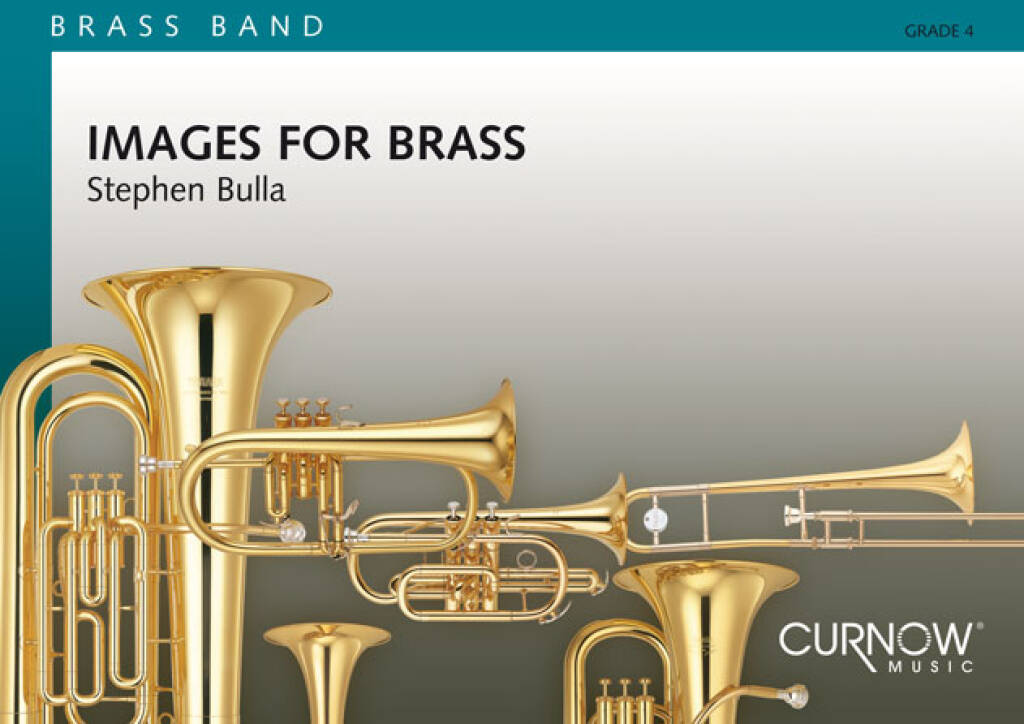
Images for Brass - Stephen Bulla
Stephen Bullas highly descriptive work was written to commemorate the 50th anniversary of the Battle of Iwo Jima, which took place between the 19th February and 26th March 1945.Casualties on both the American and Japanese sides were horrendously high before the famous image of the raising of the flag on top of Mount Suribachi signalled the end of one of the most significant and terrifying Pacific conflicts of the SecondWorld War.The work received its first performance by the brass choir of the U.S. Marine Band at the National Cathedral in Washington D.C. and is divided into four programmatic sections.The first portrays the sense of anticipation before conflict (Prologue), before the arduous journey to the scene of the battle (Approach by Sea) is followed by introspection and prayer featuring the hymn tune Melita (Chorale Prayer), andfinally, the hostile confrontation itself (Engagement).There are frequent references to the Marines Hymn and the US National Anthem, particularly in the closing bars, depicting the ultimate raising of the American flag.
Estimated dispatch 5-14 working days
-
 £60.99
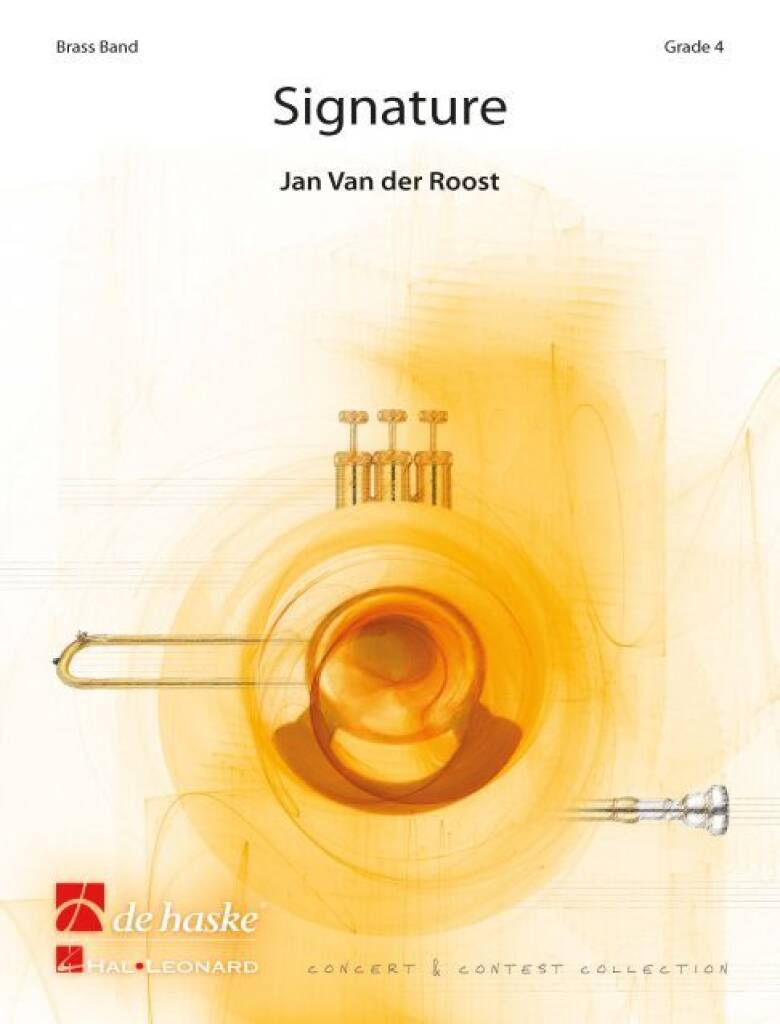
Signature - Jan Van der Roost
This opener was written for the 10th anniversary of Brass Band Midden Brabant (BBMB), the composer's own band. A soft and lyrical middle section follows on the powerful opening fanfare which, if the technical equipment is available, can be used as background music for a spoken text or presentation. The finale is distinctly rhythmical in character, and develops into a somewhat unusual ending. Here, the composer piles ten different notes on top of each other, representing the BBMB anniversary in a musical way. At a later date the composer made two new versions of Signature, namely for wind band and fanfare.
Estimated dispatch 5-14 working days
-
£60.99
A Salzburg Impression - Wolfgang Amadeus Mozart - Dizzy Stratford
In this composition, Dizzy Stratford gives a musical impression of Wolfgang Amadeus Mozart's beautiful hometown. The theme of the work has been derived from the middle movement of one of Mozart's piano sonatas and provides the concert band with a glimpse into the creative genius of this great composer.
Estimated dispatch 5-14 working days
-
 £89.99
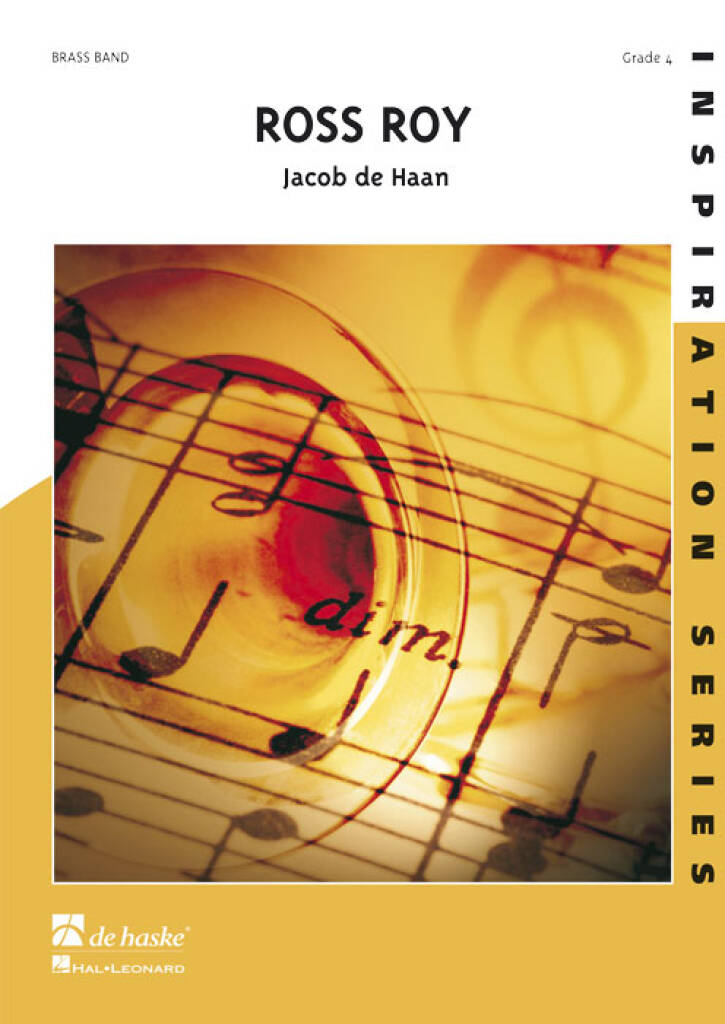
Ross Roy - Jacob de Haan
In this composition, Jacob de Haan sees the "Ross Roy" as a metaphor for the years spent at school (a monument in time), where one's personality is formed. So, the opening theme the artist calls the Ross Roy theme initially has monumental characteristics.The rhythmic motion, which strides along in the lower register and percussion at the beginning of the next section is typical of "Tempo di Marcia". This movement, accompanied by repetitions of sound, is a metaphor for the structure and discipline in school. This is the introduction to a march theme, symbolic of "passing through" the classes up to the final examinations.Then, the Ross Roy theme is dealt with again, now in aplayful, humorous variation. As if the composer is saying there should also be time for a smile in school. The same theme can be heard in major key and a slower tempo in the following section, expressing pride and self-confidence. This is also the introduction to the expressive middle section that represents love, friendship and understanding.We then return to the march theme in a slightly altered construction. The oriental sounds, constituting the modulation to the final theme, are symbols of the diversity of cultures in the school. The characteristic final theme first sounds solemn, but turns into a festive apotheosis. It is no coincidence that the final cadence is reminiscent of the close to a traditional overture, for the school years can be considered the "overture" to the rest of one's life.
Estimated dispatch 5-14 working days
 View Music