
Results
-
£24.50
Hail, Smiling Morn! - Reginald Spofforth - Sam Fisher
For bands around the Yorkshire region, this title immediately conjures up images of Christmas and local carols, particularly in Sheffield. The song is a glee written in the early 19th Century by Reginald Spofforth and usually sang at both Easter & Christmas, has recently seen its popularity grow across the nation. Sam Fisher has taken the lively 6/8 dance and created a concert march from the raw material that fits the more traditional brass band march format.
In Stock: Estimated dispatch 1-3 working days
-
£24.50
Hidden Star - John Abbott
A new Euphonium solo, which is dedicated by the composer to the "forgotten soloists in the band". Composed in a slow melodic song-like style, every section has their moment to shine whilst accompanying the soloist. The piece is playable by most levels of bands and the solo Euphonium line can be replaced with any Bb instrument.
In Stock: Estimated dispatch 1-3 working days
-
 £29.50
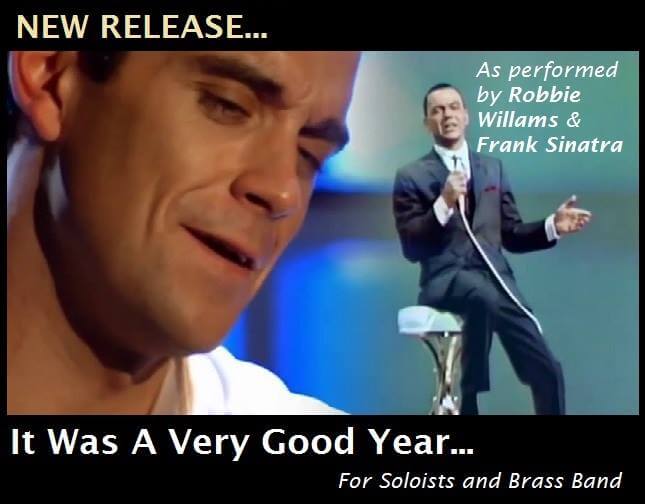
It Was A Very Good Year - Ervin Drake - Gavin Somerset
Composed by Ervin Drake, this bestselling hit for Frank Sinatra (and later, Robbie Williams) tells of the performer's life as they reflect upon their past, aged 17 to being 'In the autumn of their years'. Now, arranged for the first time for brass band, using the original orchestration from the Frank Sinatra version, this stunning work is available for bands to perform with either a single soloist, or for added entertainment value, you can spread the years across various (aging?!) members of the band as several soloist parts are provided (both in Bb and Eb). This piece is a must have for bands looking to add something different to any concert or contest programme. *Also works with vocalist. To download the playback audio to play along to, please RIGHT CLICK HERE & Save As .
In Stock: Estimated dispatch 1-3 working days
-
 £44.50
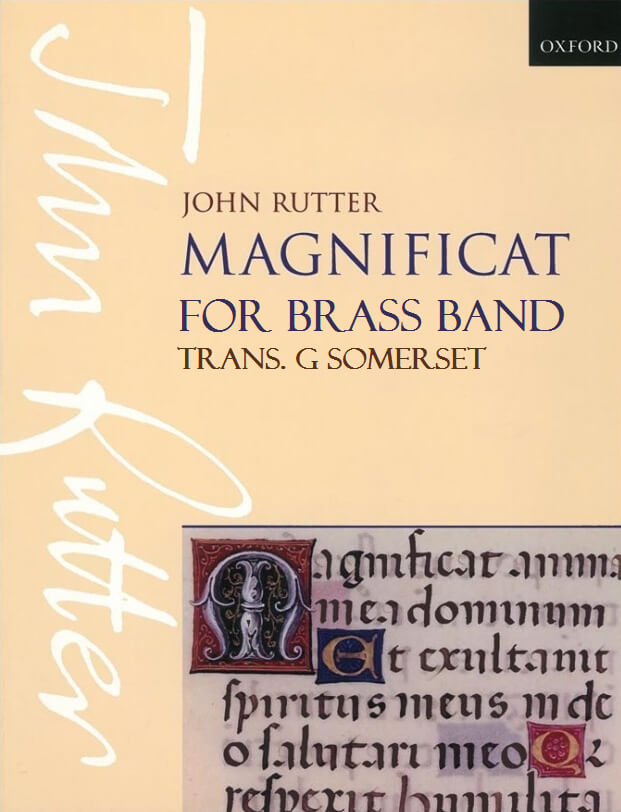
Magnificat - John Rutter - Gavin Somerset
John Rutter's Magnificat (Magnificat anima mea), first performed in 1990, opens with bold fanfares and syncopation which captures the listeners attention from the very first note. The work was originally composed for chamber orchestra and SATB choir. The SATB parts are also included in the score with this publication allowing bands if they wish, to perform with work alongside a full choir. Transcribed directly from the composers original score, Rutter's music is full of strong melodic lines and gorgeous harmonies. Full of hair raising moments, it lends itself perfectly to Brass Bands and this opening movement is a must have for bands wanting to add something new and challenging to their classical repertoire.
In Stock: Estimated dispatch 1-3 working days
-
 £24.50
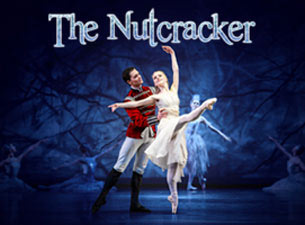
Nutcracker March - Tchaikovsky - Geoff Colmer
First performed in 1882, the Nutcracker Suite (which included this march) was a huge success and became highly popular. The march features in the ballet when the children march around the tree on Christmas eve, filled with excitement and anticipation of the next morning. Some great lip slurs for the Solo Cornets whilst Basses have moving staccato quavers to keep them occupied.
In Stock: Estimated dispatch 1-3 working days
-
 £29.50
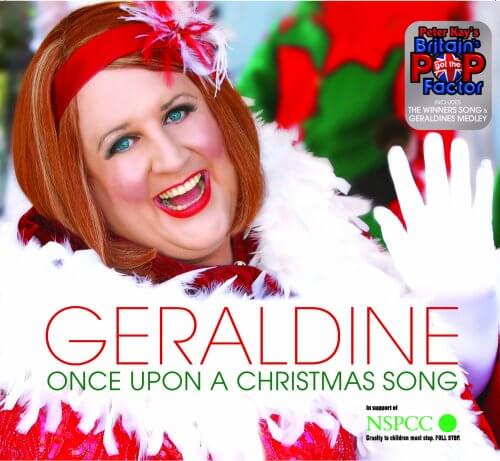
Once Upon A Christmas Song - Peter Kay & Gary Barlow - Gavin Somerset
They just don't write Christmas songs like they used to! Enter, Geraldine McQueen (AKA Peter Kay) who set to put all that right with her (his!) spoof Christmas song, 'Once Upon A Christmas Song', co-written by Gary Barlow. The proceeds from the single were donated to the NSPCC and at its peak, reached number 5 in the UK charts. The song's memorable video and hook which tells of them singing Christmas songs 'Over & Over & Over again' made the melody an instant hit. Now your band can inject some humour into your festive concerts with this great little number. Is there a hidden Geraldine in your band?!
In Stock: Estimated dispatch 1-3 working days
-
£24.50
Perpetuum - Dave Collins
A new and very exciting concert work for band. It is based upon driving additive patterns similar to those use in action and spy films. This is a brilliant new addition to the concert repertoire and is composed with energy right from the start. Thick block chords underneath the driving rhythms will allow your audience to feel the band's presence. This title was originally commissioned by the VBS Poynton band and works equally well on the bandstand or in the concert hall.
In Stock: Estimated dispatch 1-3 working days
-
£29.50
So Amazing - Traditional - Jonathan Mead
'So Amazing', is a beautiful new hymn tune arrangement from the pen of Welsh Composer Jonathan Mead. The music would create a lovely moment in a concert, where the audience would have time for reflection. The title comes from the words that are often associated with this tune, 'Love so amazing, so divine,'. The tune used, is also well known in the brass band world as, 'The Water is wide'. The music is lovely to play as well as listen to. A must for any Concert Programme.
In Stock: Estimated dispatch 1-3 working days
-
 £24.50
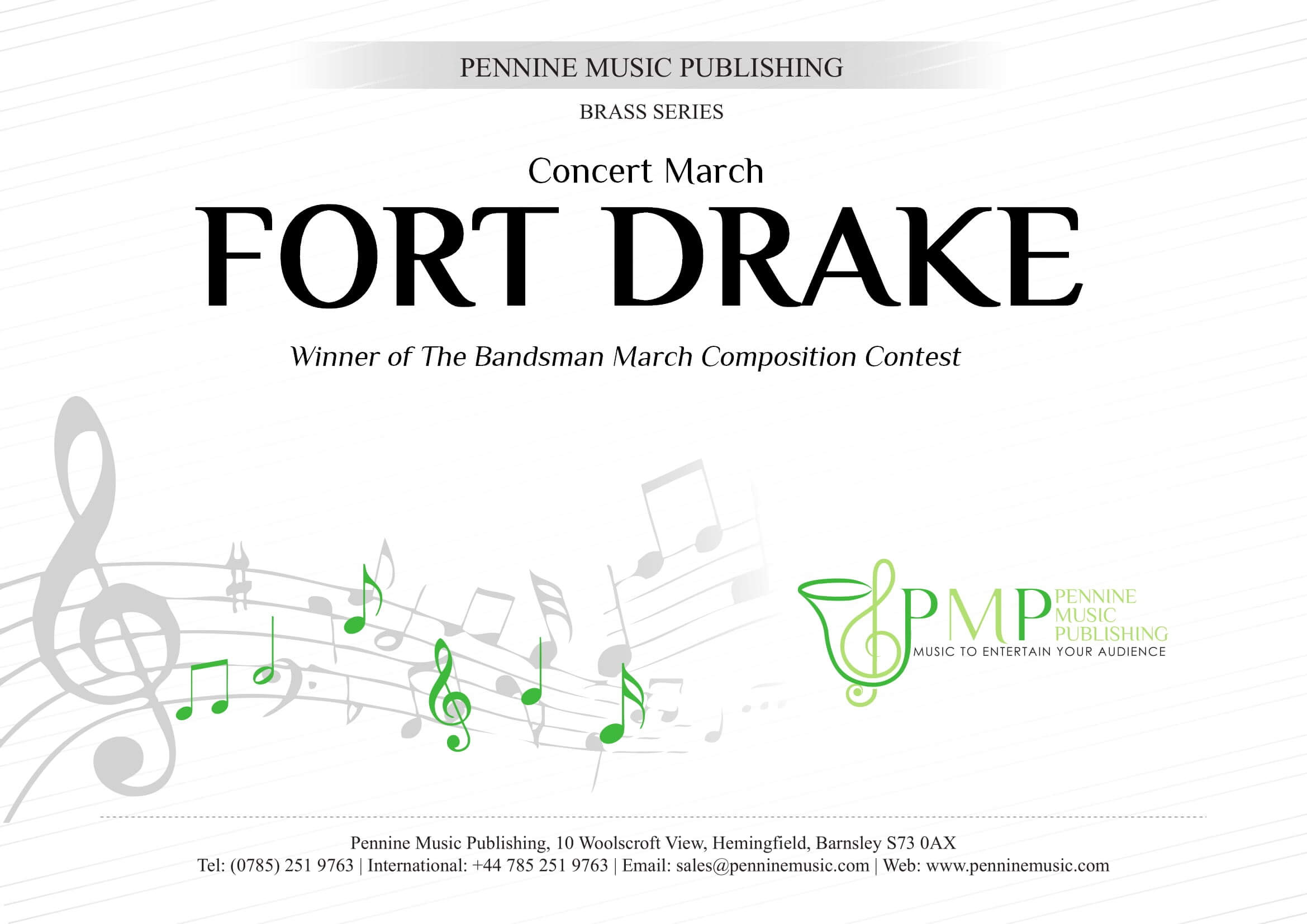
MARCH: Fort Drake - Peter Boris Koval
"Fort Drake" was composed specially for the British Bandsman March Composition Contest. The title is a respectful parody of a well-known march cited as a model in the contest regulations. Originally just a working title, it was later accepted for its suggestion of unyielding strength and durability. Written to appeal to bands and audiences alike, the piece has striking melodies, a smooth trio section and exciting phrases featured in all instruments. Great difficulty and extreme ranges have been carefully avoided to achieve maximum sonority along with relative ease of presentation. NOTE: This edition is delivered as a DIGITAL PDF copy. To order a HARD COPY of this work, please order here
In Stock: Estimated dispatch 1-3 working days
-
 £29.50
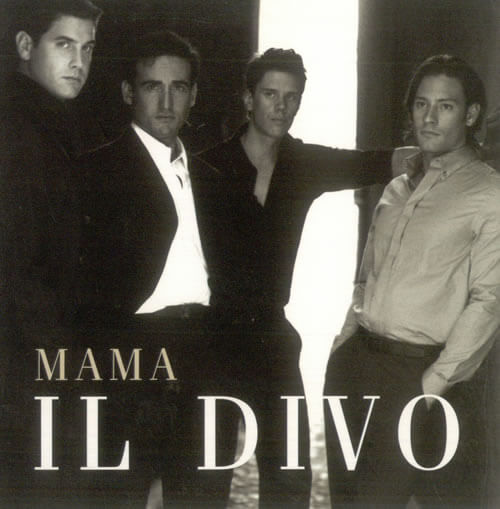
Mama - Kotecha - Johnathan Bates
"Mama" was the first original song that was performed by the male operatic group, Il Divo. Put together by Simon Cowell, his search for 4 young singers took over 2 years before the group was finally put together. Performing lyrical songs in their operatic style worldwide and achieving number 1 hits here in the UK, Johnathan Bates has now arranged this moving number as a Eb Horn solo (would also work as a soprano solo). A heart-warming melody and a perfect addition to any bands repertoire.
In Stock: Estimated dispatch 1-3 working days
 View Music
 Listen to MP3