
Results
-
 £37.95
BRING HIM HOME (Soprano Cornet/Brass Band) - Wilkinson, Keith M.
Soprano Cornet Solo & Brass Band. From Les Miserables. Recorded on QPRL042D A Touch More Spice
Estimated dispatch 7-14 working days
-
£32.95
HOME ON THE RANGE (Trombone/Brass Band) - Siebert, Edrich
Junior Brass Band - Easy. Includes Full Score
Estimated dispatch 7-14 working days
-
 £104.99
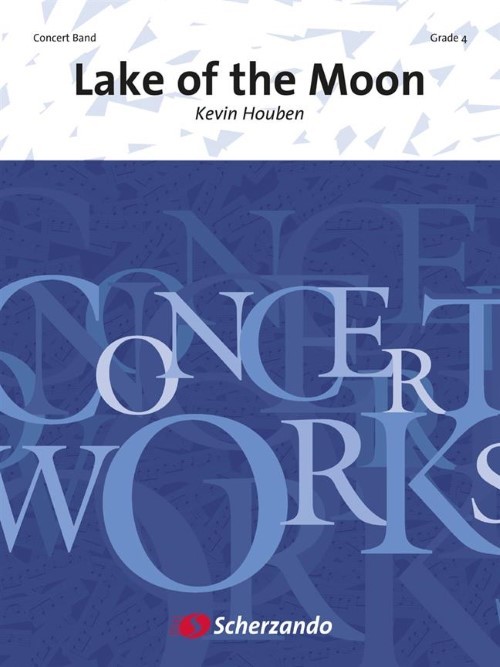
Lake of the Moon (Brass Band - Score and Parts) - Houben, Kevin
3rd Section Test Piece 2016 National Finals of the British Brass Band Championship.The travels of the Aztec people as they headed south through North America looking for a new home, acted as the inspiration for Lake of the Moon. The composition contains small fragments of Oriental music and South American rhythms and occasionally, Russian Cossacks seem to raise their heads. The journey from North to South is not without danger, which is represented by threatening sounds within the music. In the Adagio divoto the composer takes us along to the Texcoco Lake, which the Aztecs called the lake of the moon. Bring a little bit of South American history to your concert with Lake of the Moon.Duration: 11:15
Estimated dispatch 7-14 working days
-
 £26.50
My Old Kentucky Home (Solo cornet/Brass Band)
Cornet solo with brass band
Estimated dispatch 7-14 working days
-
 £27.95
PLEASE COME HOME FOR CHRISTMAS (Flugel Horn Solo with Brass Band) - Broadbent, Derek
Flugel Horn Solo with Brass Band
Estimated dispatch 7-14 working days
-
 £199.95
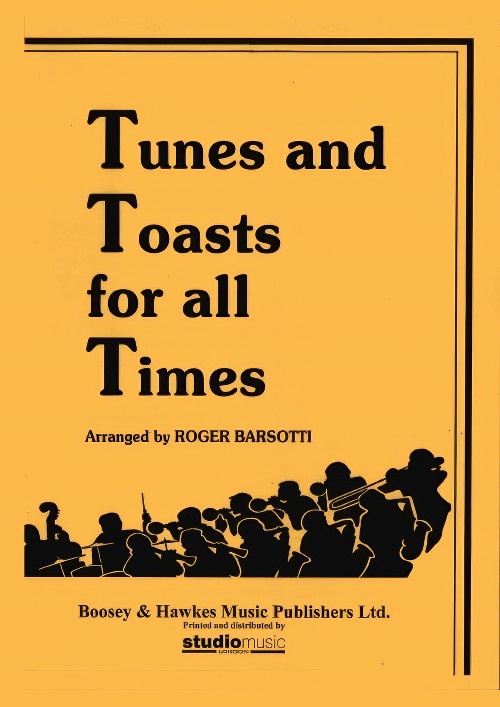
Tunes and Toasts for all Times (Brass Band Value Set) - Barsotti, Roger
Brass Band set includes:Eb Soprano Cornet x1Solo Bb Cornet x4Repiano Bb Cornet x12nd Bb Cornet x23rd Bb cornet x2Bb Flugel Horn x1Solo Eb Horn x11st Eb Horn x12nd Eb Horn x11st Bb Baritone x12nd Bb Baritone x11st Bb Trombone (TC) x12nd Bb Trombone (TC) x1Bass Trombone x1Bb Euphonium (TC) x2Eb Bass x2Bb Bass x2The Piano Conductor Score and Drums are available separately.Titles:ENGLISH AIRSA fine old English GentlemanA-hunting we will goBritish GrenadiersCherry ripeClementineCome, lassies and ladsDrink to me onlyDulce DomumDrunken sailor (The)For he's a jolly good fellowFarmer's boy (The)Floral DanceFrothblowers' AnthemGirl I left behind me (The)Here's a health to all good ladiesHere's a health unto her MajestyHere's to the maidenJohn PeelKeel row (The)Love's old sweet songMarch of the Fire BrigadesMistletoe bough (The)On Ilkla MoorPrincess Royal's Red Cross marchRoast beef of old EnglandSir Roger de CoverleySee the conquering hero comesSoldiers of the QueenThere is a tavern in the townNAUTICALHeart of oakHornpipeLife on the ocean waveShenandoahRed, white and blue (The)Rule, BritanniaSCOTTISH AIRSAnnie LaurieAuld lang syneBonnie banks of LochBonnie DundeeBlue-bells of ScotlandCampbells are coming (The)Charlie is my darlingFlowers of the forestHundred pipers (The)Highland LaddieRobin AdairScotch ReelScots wha haeWill ye no come back againYe banks and braesIRISH AIRSCome back to ErinDanny boy (Londonderry air)Harp that once through Tara's hallIrish Washerwoman (The)KillarneyMinstrel boy (The)Oft in the stilly nightOff to PhiladelphiaSt. Patrick's DayWELSH AIRSAll through the nightAsh grove (The)Bells of AberdoveyDavid of the white rockLand of my fathersMen of HarlechAMERICAN AIRSCarry me back to old VirginnyDixieGood-night (shine, shine, moon)John Brown's bodyMarching thro' GeorgiaOld folks at home (The)Star Spangled BannerTramp, tramp, tramp, the boys are marchingWhen Johnny comes marching homeYankee doodleCANADA AlouetteMaple leaf (The)O CanadaAUSTRALIAWaltzing MatildaSACRED AIRS & CAROLS Abide with meEternal Father strong to saveO God our help in ages pastFirst Nowell (The)Good King WenceslasO come all ya faithfulWhile shepherds watchedJerusalemSupreme sacrifice (The)Dead march in SaulPARADES (All organisations)General saluteSlow march or troop "Scipio"Troop "May-blossom"FANFARES, etcDeclamatory No. 1Occasoinal Fanfare No. 2"Reveille""Retrear""Last Post"Galop from "Orpheus in the Underworld"God save the Queen (in B flat)God save the Queen (in F)
Estimated dispatch 7-14 working days
-
 £90.00
PARTITA FOR BAND: Postcards from Home (Brass Band - Score and Parts) - Wilby, Philip
2013 NABBA Youth Section.
Estimated dispatch 7-14 working days
-
£40.00
PARTITA FOR BAND: Postcards from Home (Brass Band - Score only) - Wilby, Philip
2013 NABBA Youth Section.
Estimated dispatch 7-14 working days
-
 £53.99
Christmas (Baby Please Come Home) (Brass Band - Score and Parts) - Kraeydonck, Jan van
Performed by Michael Buble. Duration: 03:20
Estimated dispatch 7-14 working days
-
£26.50
 View Music