
Results
-
 £59.99
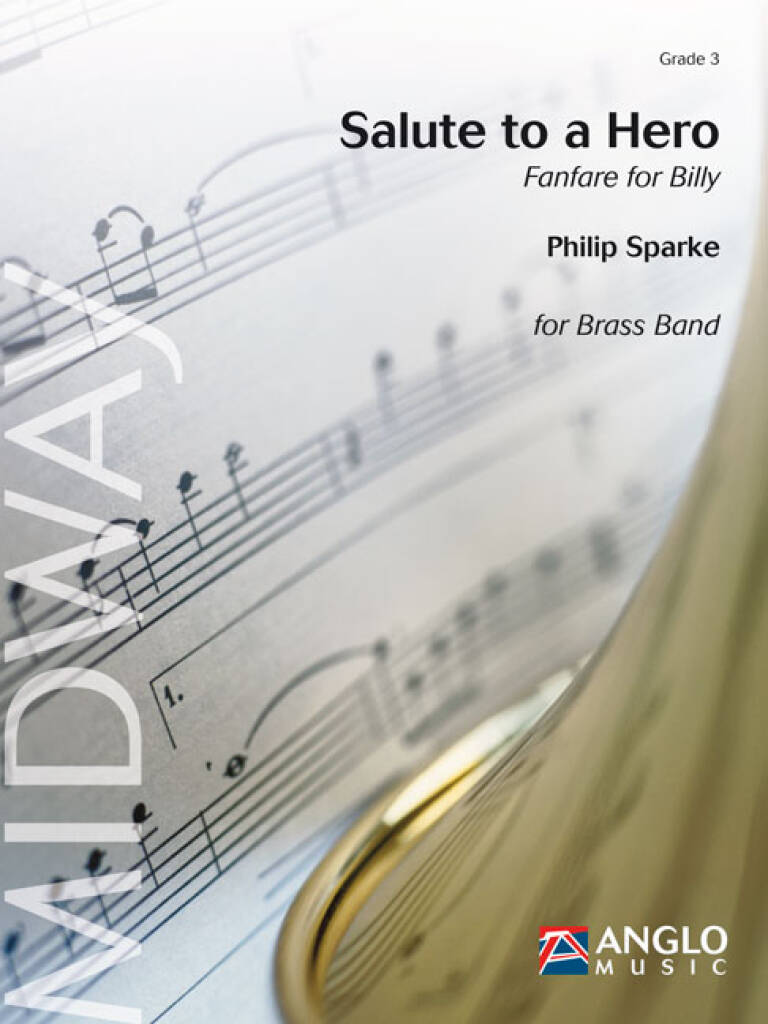
Salute to a Hero - Philip Sparke
It is a tradition at Marlow High School, Oklahoma, that the band members' parents host a Band Banquet every May, at which the senior members of the band present a gift to the band director as a token of gratitude for his year's work. In 2009, clarinet player Brenna Hensley had the idea to commission a new piece from composer Philip Sparke to present to band director Billy Daniel, which would be played at the Spring Concert later that month. Salute to a Hero was the result.The piece opens with a decorated fanfare played on cornets and trombones and, after a short bridge passage, this reappears, played by the full band. A central lyrical section brings a mood of calm, utilisingdifferent brass colours, before the fanfare returns to close the work.
Estimated dispatch 5-14 working days
-
 £44.83
Hero (Tenor Horn Solo with Brass Band) Fendall Hill
This piece was written as a full length virtuosic solo based on an earlier work called Humble Hero, which is also available from BrookWright Music. It is an extension of that work and still dedicated to Ken Bradley, designed to provide a reflection of his technical skills and a platform to emulate musicianship for which he was renowned. Ken Bradley (1962 - 2022) was one of Australia's best-known, well-loved, and talented brass musicians. The solo is also available from this website with piano accompaniment. To view a rolling score video of the work please visit https://www.youtube.com/watch?v=WIqS9xak_Es Duration: approx. 7.30 minutes Difficulty Level: 2nd Section + PDF download includes parts and score. Sheet music available at www.brassband.co.uk (UK) or https://satradecentral.org (USA) Instrumentation: Tenor Horn Soloist Eb Soprano Cornet Eb Solo Cornet Bb Repiano Cornet Bb 2nd Cornet Bb 3rd Cornet Bb Flugel Horn Bb 1st Horn Eb 2nd Horn Eb 1st Baritone Bb 2nd Baritone Bb 1st Trombone Bb 2nd Trombone Bb Bass Trombone Euphonium Bb Bass Eb Bass Bb Timpani Percussion 1-3
In Stock: Estimated dispatch 1-3 working days
-
 £33.62
Humble Hero (Tenor Horn Solo with Brass Band) Fendall Hill
This beautiful and poignant tenor horn solo was written by Fendall Hill in tribute to Ken Bradley, one of Australia's best-known, well-loved, and talented brass musicians who sadly passed away in 2022. The work was also a finalist in the BrookWright International Brass Band Composition Competition 2022. To view a video of Nicky Abkiewicz and Sydney City Brass performing the work please visit www.youtube.com/watch?v=sQfkXmMo9bs PDF download includes score and parts. Sheet music available from: UK - www.brassband.co.uk USA - www.solidbrassmusic.com Difficulty Level: 4th Section + Instrumentation: Tenor Horn Soloist Eb Soprano Cornet Eb Solo Cornet Bb Repiano Cornet Bb 2nd Cornet Bb 3rd Cornet Bb Flugel Horn Bb 1st Horn Eb 2nd Horn Eb 1st Baritone Bb 2nd Baritone Bb 1st Trombone Bb 2nd Trombone Bb Bass Trombone Euphonium Bb Bass Eb Bass Bb Timpani Drum Set Tubular Bells
In Stock: Estimated dispatch 1-3 working days
-
 £34.95
Descent, The - Christopher Bond
The Descent takes its inspiration from Victorian author Jules Verne; specifically, his work Twenty Thousand Leagues Under the Sea. In Twenty Thousand Leagues Under the Sea, Professor Arronax finds himself a prisoner of the mysterious Captain Nemo, on a remarkable submarine called the Nautilus. Nemo is one of Verne's most memorable characters. He's a man who has turned his back on the world, and his name - Nemo - means 'No Man.' He has vowed never to set foot on dry land ever again. Verne gives his hero's brilliance and benevolence a dark underside - the man's obsessive hate for Empires and Imperialism. Captain Nemo is a genius, an engineer, an artist, an athlete, sometimes a pacifist, sometimes a righter of wrongs, sometimes an out and out villain, and he invented the Nautilus. The Descent is based on the idea of a descent to the depths of the ocean in the Nautilus with Captain Nemo, with the cornet soloist expressing both the anguish and reflective sides of the character. On one hand, a troubled and agitated figure, juxtaposed with the reflective memories of his homeland, children, mother and father. The work was written for and commissioned by Flowers Band as part of their programme of music at Brass in Concert 2019.
Estimated dispatch 10-14 working days
-
 £60.99
Tochter Zion - Georg Friedrich Händel - Jan de Haan
Tochter Zion, also known as See the Conquering Hero Comes, is the most famous chorus from the oratorio Judas Maccabaeus (1746) by the composer George Frideric Handel (1685-1759). The heroic epic based on the Biblical story about commander-in-chief Judas Maccabaeus, was used by Handel to celebrate the English victory over the rebellious Scottish. The first performance of this patriotic work - written in the pleasing, rich baroque style that Handel's music is known for - was conducted by himself; the success was huge. The chorus See the Conquering Hero Comes was added later, in 1748, drawn from another oratorio (Joshua).
Estimated dispatch 5-14 working days
-
 £30.00
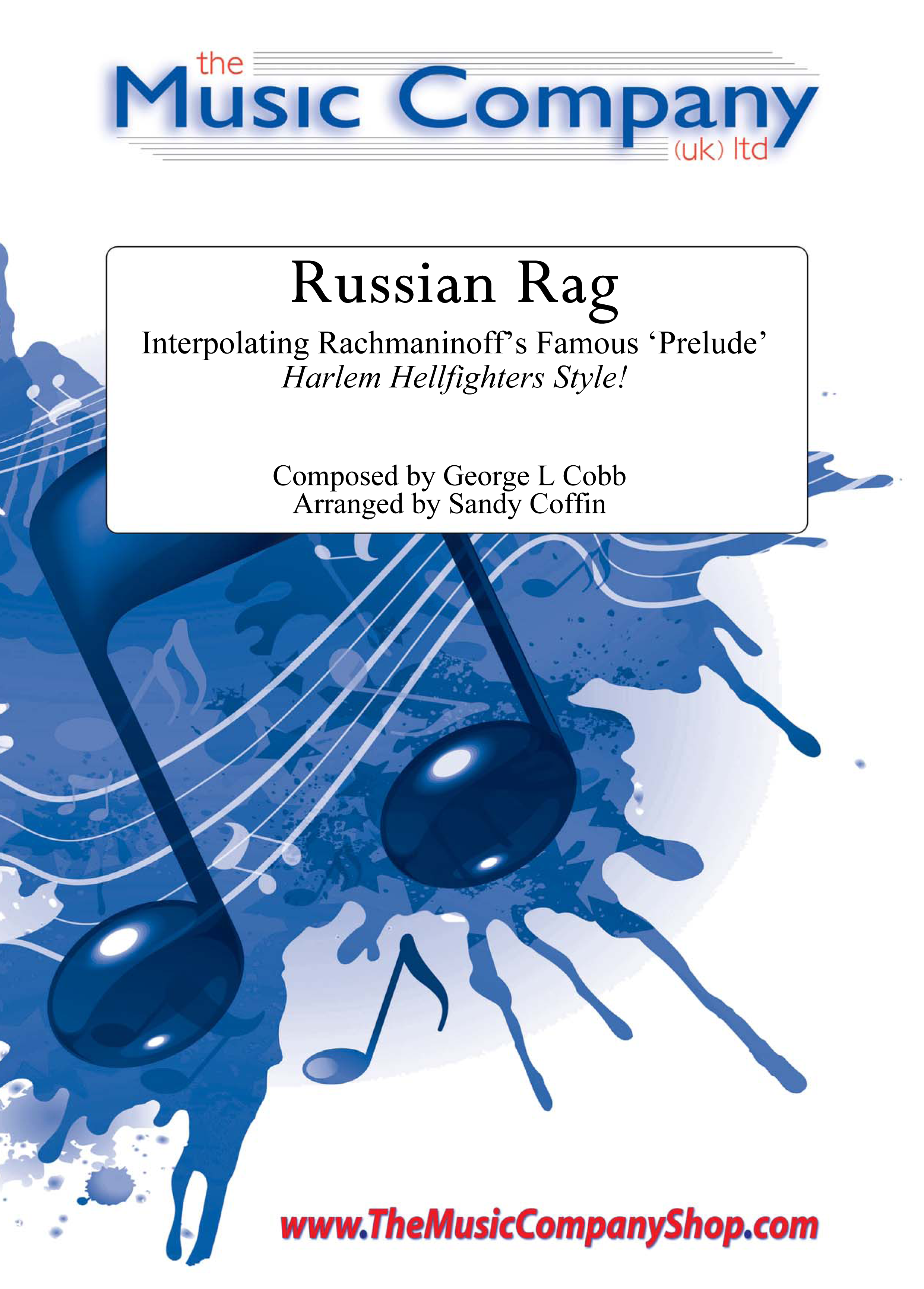
Russian Rag - George L Cobb, Sandy Coffin
Interpolating the world famous"Prelude" by RachmaninoffCommissioned by John Wallace, this arrangement of Russian Rag has been crafted by Sandy Coffin through close listening of the available recordings of the Harlem Hellfighters Band. Sandy had been heavily involved with the Historic Brass Society symposium 2017 held in New York and assisted John with his research on this fascinating band and the style of music it generated.Eye-witness accounts refer to the 369th band 'dancing' rather than 'marching'. Above all, in modern performance, finding a 'dancing beat' is crucial to a successful performance of this Ragtime march in order to do justice to the great pioneering work of James Reese Europe. Note the cheeky virtuosity and rubato!Look and Listen (courtesy of Tullis Russell Mills Band):Background to the Harlem HellfightersThe US Army 369th Regiment, made up largely of African-Americans from New York, became known as the Harlem Hellfighters because of the heroic reputation which accrued to them during the actions they engaged in during the First World War in Europe.James Reese Europe was one of the most active African-American composer/musical directors in the pre-war American music scene. The legendary Harlem Hellfighters Band, which he assembled in 1917 from African-American and Puerto Rican musicians, came at an important transitional point in musical history. A new form of music called jazz was emerging from Ragtime and the performing style of Europe's band was immersed in the flow of this new direction.Europe's Harlem Hellfighters influenced and inspired everyone who heard them, including the welcoming crowd when they disembarked in France, bowled over by their swinging rendition of La Marseillaise. Reese Europe became a war hero, commanding a machine-gun unit as well as the band.On return from War in 1919 the band led a ticker-tape parade along Fifth Avenue in New York and soon made about 30 shellac recordings. These recordings display some of the fingerprints of their performing style: ragging, improvising, muting, wailing, smearing (their word for glissando) - and from the evidence of their recordings they took the printed page as a blueprint for individuality.In May 1919 during the Hellfighters' triumphant coast-to-coast tour after their return, James Reese Europe was tragically murdered, bringing to premature close, at the age of 39, the work of a great musical innovator.
In Stock: Estimated dispatch 3-5 working days
-
 £30.00
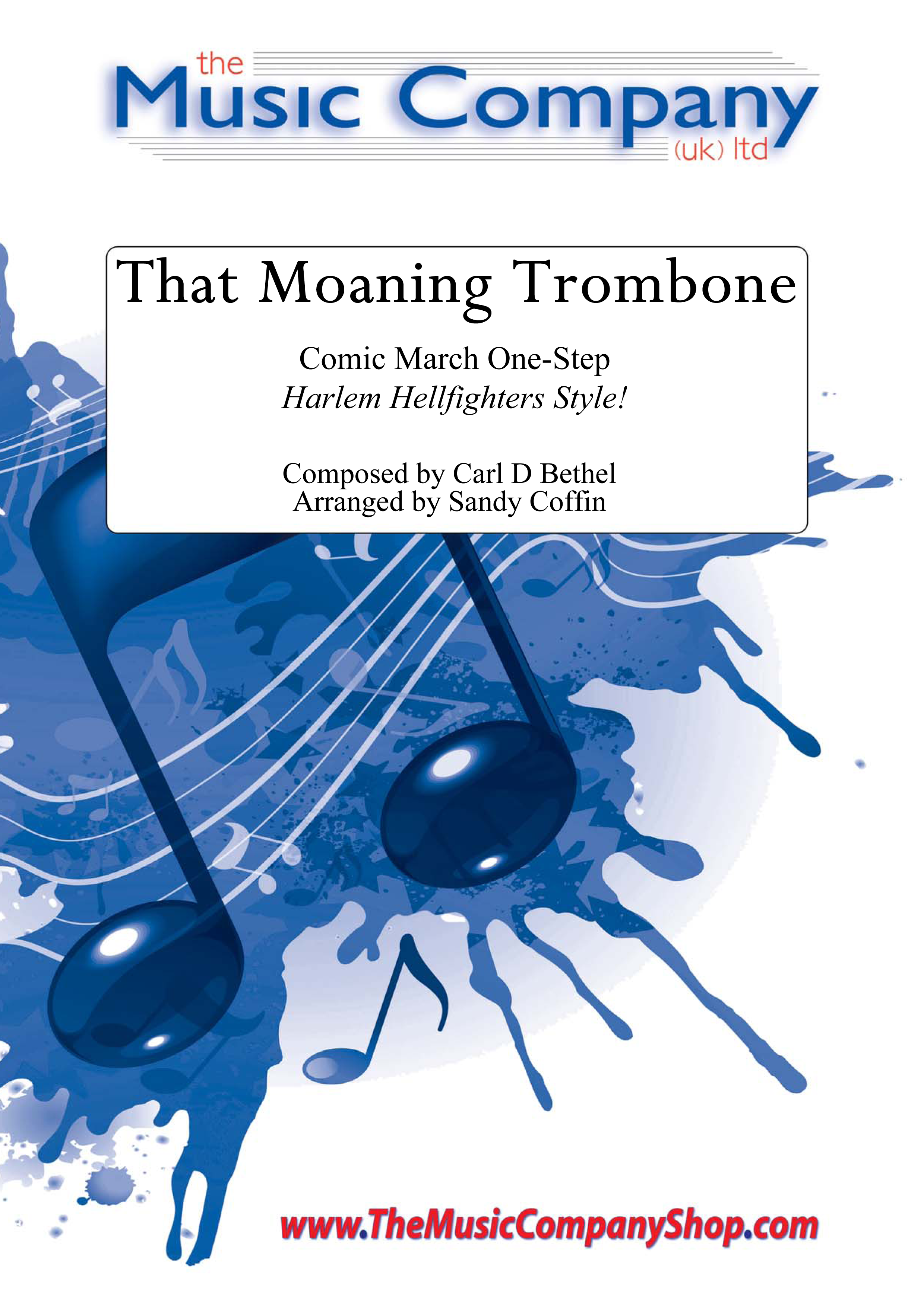
That Moaning Trombone - Carl D Bethel, Sandy Coffin
Comic March One-StepCommissioned by John Wallace, this arrangement of That Moaning Trombone has been crafted by Sandy Coffin through close listening of the available recordings of the Harlem Hellfighters Band. Sandy had been heavily involved with the Historic Brass Society symposium 2017 held in New York and assisted John with his research on this fascinating band and the style of music it generated.Eye-witness accounts refer to the 369th band 'dancing' rather than 'marching'. Above all, in modern performance, finding a 'dancing beat' is crucial to a successful performance of this Ragtime march in order to do justice to the great pioneering work of James Reese Europe.Note the the reckless abandon with which glissando, at that time a novel effect, is used!Look and Listen (courtesy of the Tullis Russell Mills Band):Background to the Harlem HellfightersThe US Army 369th Regiment, made up largely of African-Americans from New York, became known as the Harlem Hellfighters because of the heroic reputation which accrued to them during the actions they engaged in during the First World War in Europe.James Reese Europe was one of the most active African-American composer/musical directors in the pre-war American music scene. The legendary Harlem Hellfighters Band, which he assembled in 1917 from African-American and Puerto Rican musicians, came at an important transitional point in musical history. A new form of music called jazz was emerging from Ragtime and the performing style of Europe's band was immersed in the flow of this new direction.Europe's Harlem Hellfighters influenced and inspired everyone who heard them, including the welcoming crowd when they disembarked in France, bowled over by their swinging rendition of La Marseillaise. Reese Europe became a war hero, commanding a machine-gun unit as well as the band.On return from War in 1919 the band led a ticker-tape parade along Fifth Avenue in New York and soon made about 30 shellac recordings. These recordings display some of the fingerprints of their performing style: ragging, improvising, muting, wailing, smearing (their word for glissando) - and from the evidence of their recordings they took the printed page as a blueprint for individuality.In May 1919 during the Hellfighters' triumphant coast-to-coast tour after their return, James Reese Europe was tragically murdered, bringing to premature close, at the age of 39, the work of a great musical innovator.
In Stock: Estimated dispatch 3-5 working days
-
 £30.00
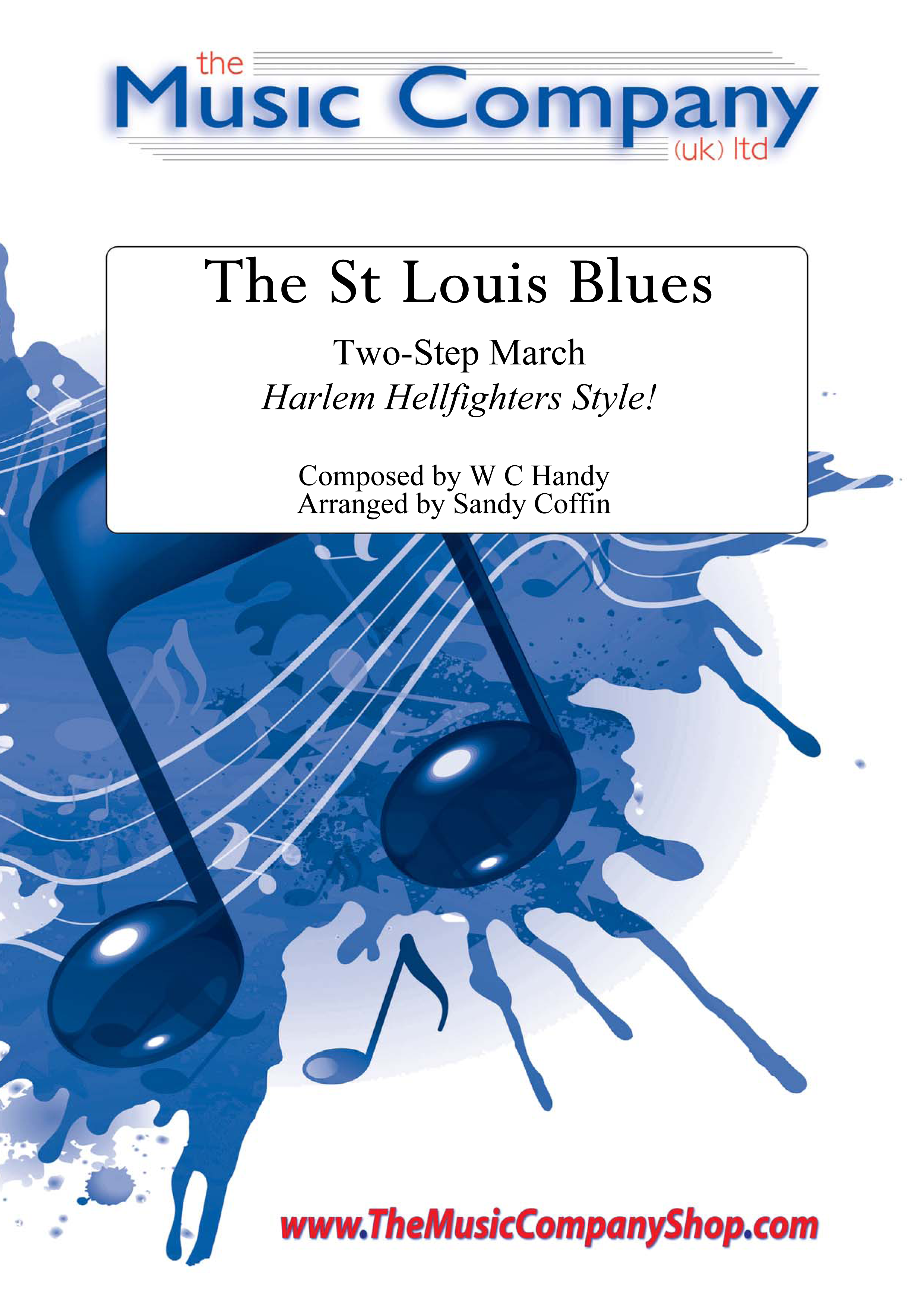
The St Louis Blues - Sandy Coffin, W C Handy
Two-Step MarchCommissioned by John Wallace, this arrangement of The St Louis Blues has been crafted by Sandy Coffin through close listening of the available recordings of the Harlem Hellfighters Band. Sandy had been heavily involved with the Historic Brass Society symposium 2017 held in New York and assisted John with his research on this fascinating band and the style of music it generated.Eye-witness accounts refer to the 369th band 'dancing' rather than 'marching'. Above all, in modern performance, finding a 'dancing beat' is crucial to a successful performance of this Ragtime march in order to do justice to the great pioneering work of James Reese Europe.Note the flutter-tonguing and use of muting, the counter-melody in soprano cornet, and the wilder and yet wilder nature of each repetition of the Chorus.Look and Listen:Background to the Harlem HellfightersThe US Army 369th Regiment, made up largely of African-Americans from New York, became known as the Harlem Hellfighters because of the heroic reputation which accrued to them during the actions they engaged in during the First World War in Europe.James Reese Europe was one of the most active African-American composer/musical directors in the pre-war American music scene. The legendary Harlem Hellfighters Band, which he assembled in 1917 from African-American and Puerto Rican musicians, came at an important transitional point in musical history. A new form of music called jazz was emerging from Ragtime and the performing style of Europe's band was immersed in the flow of this new direction.Europe's Harlem Hellfighters influenced and inspired everyone who heard them, including the welcoming crowd when they disembarked in France, bowled over by their swinging rendition of La Marseillaise. Reese Europe became a war hero, commanding a machine-gun unit as well as the band.On return from War in 1919 the band led a ticker-tape parade along Fifth Avenue in New York and soon made about 30 shellac recordings. These recordings display some of the fingerprints of their performing style: ragging, improvising, muting, wailing, smearing (their word for glissando) - and from the evidence of their recordings they took the printed page as a blueprint for individuality.In May 1919 during the Hellfighters' triumphant coast-to-coast tour after their return, James Reese Europe was tragically murdered, bringing to premature close, at the age of 39, the work of a great musical innovator.
In Stock: Estimated dispatch 3-5 working days
-
 £60.00
Fantasie Concertante (Score only) - Philip Wilby
This exciting new concerto is a welcome addition to the repertoire of french and tenor horn players alike. Like the 18th-Century Serenade form there are five movements, arranged symmetrically around a slow movement - Soliloquy - which separates movements entitled Burlesque (two) and Valse Caprice (three) respectively. The first and last movements share common material of a more symphonic stature, and the concerto ends with a brisk fugato. The solo horn is (in the band version) accompanied by a quintet of solo players (two cornets, euphonium, trombone, and tuba) who provide the lion's share of the counterpoint and contrast with the main body of musicians who provide musical punctuation in the more sonorous tutti sections. The first movement, Don Quixote's Dream, contains references to Cervantes' famous hero, the Spanish nature of his stories, and the ambling gait of his horseback adventures.
Estimated dispatch 7-9 working days
-
 £74.00
Fantasie Concertante (Parts only) - Philip Wilby
This exciting new concerto is a welcome addition to the repertoire of french and tenor horn players alike. Like the 18th-Century Serenade form there are five movements, arranged symmetrically around a slow movement - Soliloquy - which separates movements entitled Burlesque (two) and Valse Caprice (three) respectively. The first and last movements share common material of a more symphonic stature, and the concerto ends with a brisk fugato. The solo horn is (in the band version) accompanied by a quintet of solo players (two cornets, euphonium, trombone, and tuba) who provide the lion's share of the counterpoint and contrast with the main body of musicians who provide musical punctuation in the more sonorous tutti sections. The first movement, Don Quixote's Dream, contains references to Cervantes' famous hero, the Spanish nature of his stories, and the ambling gait of his horseback adventures.
Estimated dispatch 7-9 working days
 View Music