
Results
-
 £3.95
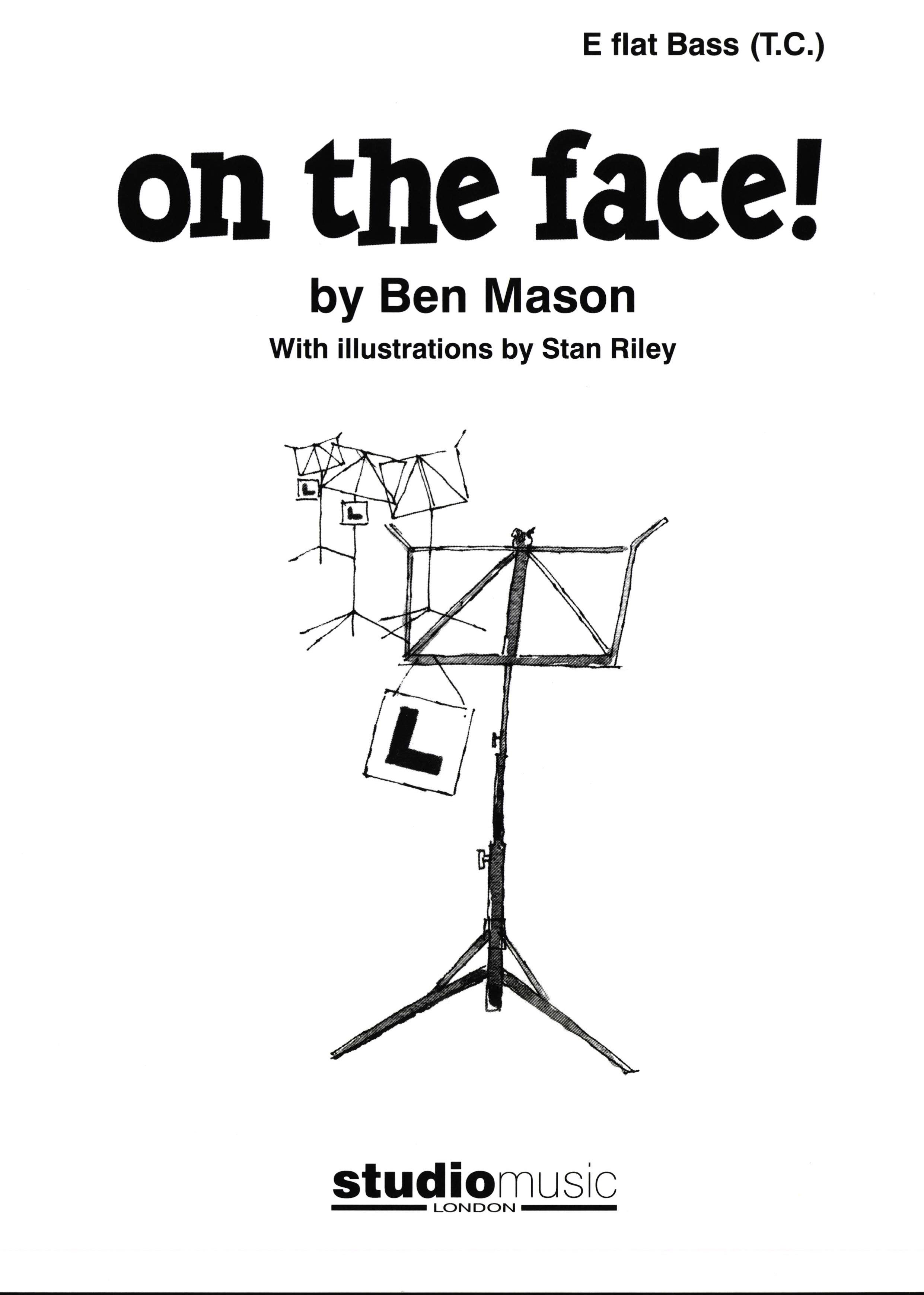
£3.95On the Face! (Eb Bass TC)
On the Face is a complete repertoire (warm-ups and 23 pieces) for beginner brass ensemble. Perfect material for school assemblies and music centres, it includes folk songs, famous classical themes, and exciting new jazz and pop numbers. Each piece is score for a basic trio of two trumpets/cornets and one trombone/euphonium (TC or BC). However, optional independent parts can also be added for horn in E flat or F; high trombone or euphonium (tenor part); tuba; and drum kit. The pieces work equally well either with one player to a part, or in larger group settings. With its appealing variety of musical styles and textures, On the Face is sure to make the young brass player's first experience of group playing both rewarding and fun.
Estimated dispatch 7-14 working days
-
 £3.95
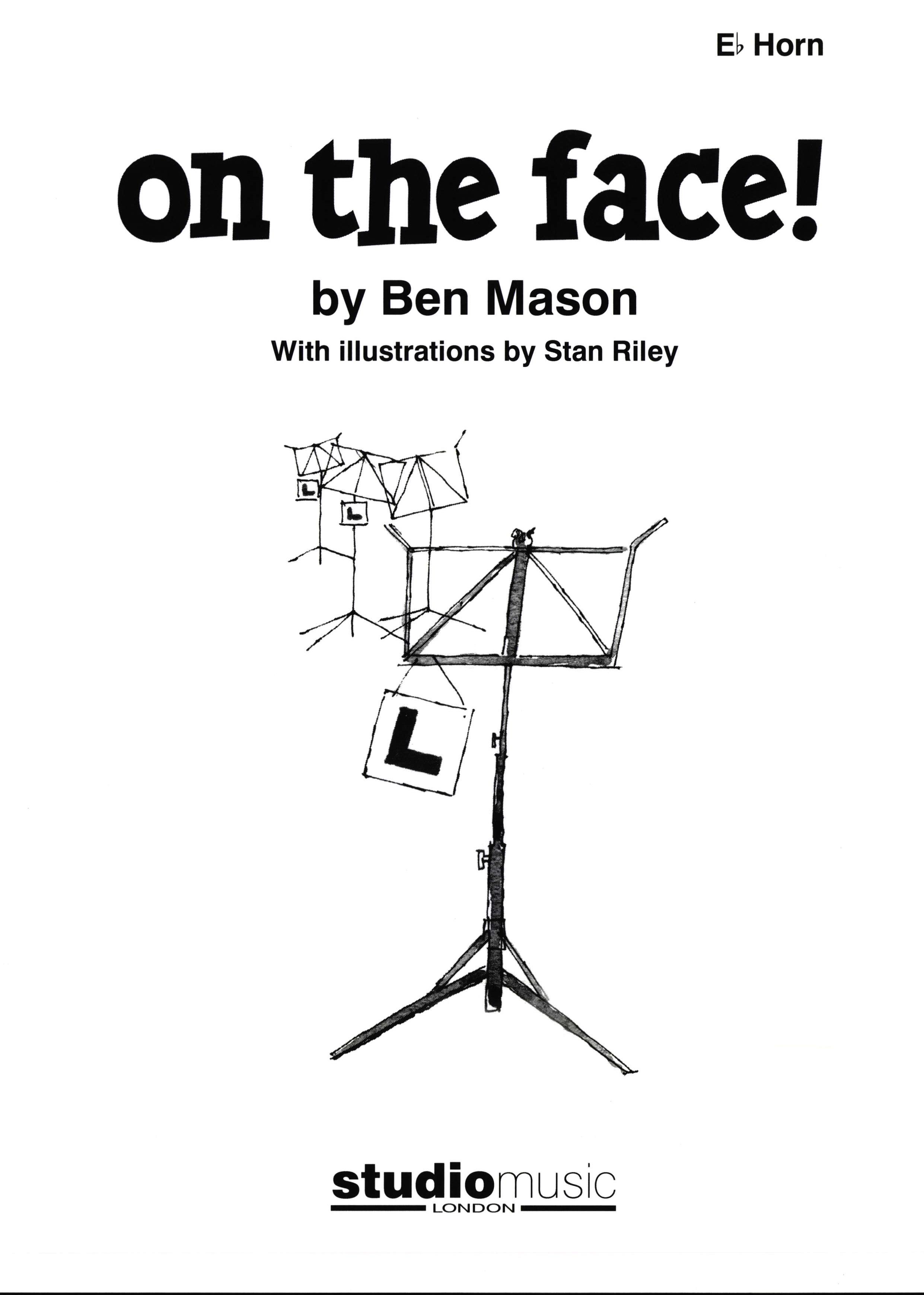
£3.95On the Face! (Eb Horn)
On the Face is a complete repertoire (warm-ups and 23 pieces) for beginner brass ensemble. Perfect material for school assemblies and music centres, it includes folk songs, famous classical themes, and exciting new jazz and pop numbers. Each piece is score for a basic trio of two trumpets/cornets and one trombone/euphonium (TC or BC). However, optional independent parts can also be added for horn in E flat or F; high trombone or euphonium (tenor part); tuba; and drum kit. The pieces work equally well either with one player to a part, or in larger group settings. With its appealing variety of musical styles and textures, On the Face is sure to make the young brass player's first experience of group playing both rewarding and fun.
Estimated dispatch 7-14 working days
-
 £3.95
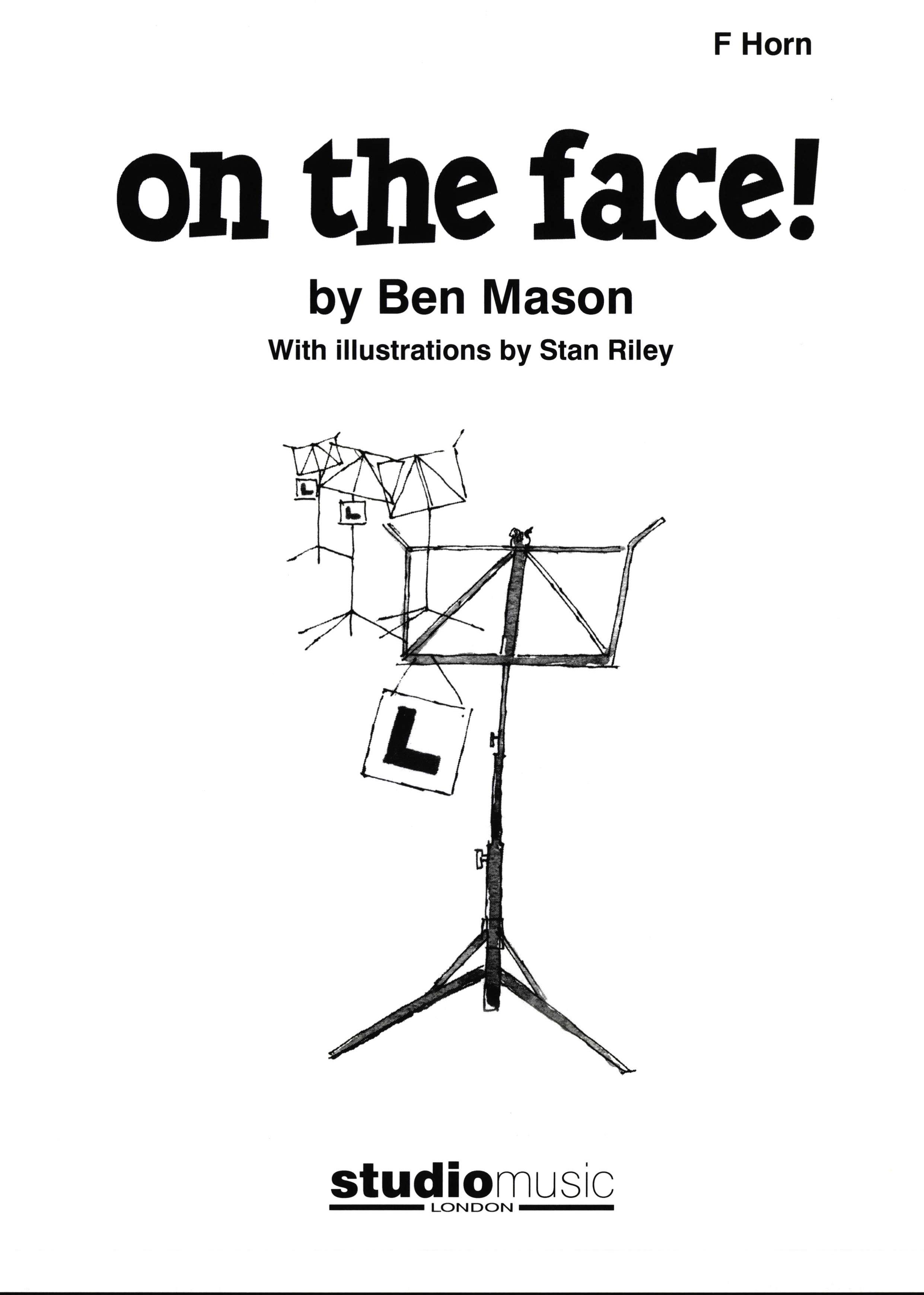
£3.95On the Face! (F Horn)
On the Face is a complete repertoire (warm-ups and 23 pieces) for beginner brass ensemble. Perfect material for school assemblies and music centres, it includes folk songs, famous classical themes, and exciting new jazz and pop numbers. Each piece is score for a basic trio of two trumpets/cornets and one trombone/euphonium (TC or BC). However, optional independent parts can also be added for horn in E flat or F; high trombone or euphonium (tenor part); tuba; and drum kit. The pieces work equally well either with one player to a part, or in larger group settings. With its appealing variety of musical styles and textures, On the Face is sure to make the young brass player's first experience of group playing both rewarding and fun.
Estimated dispatch 7-14 working days
-
 £3.95
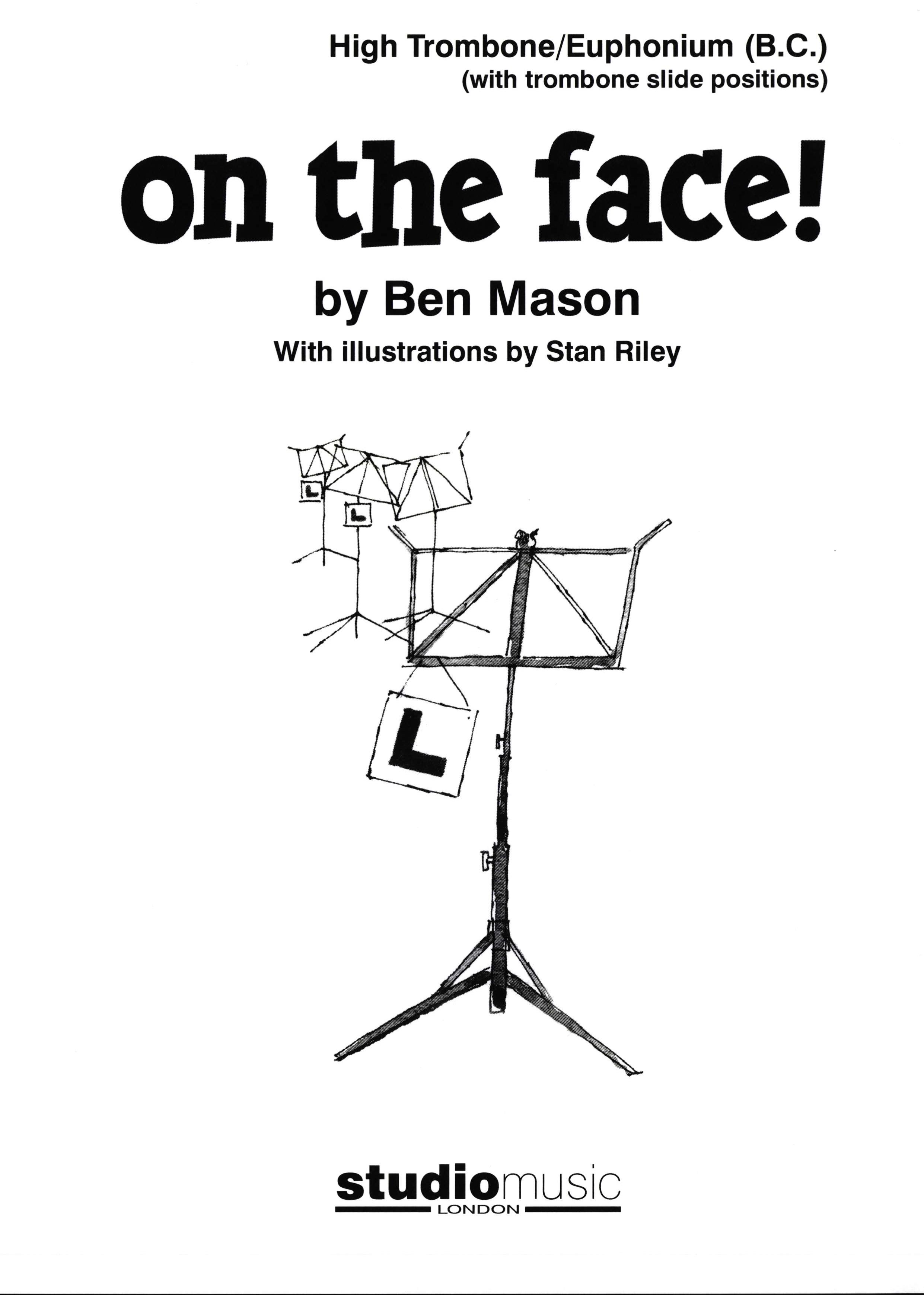
£3.95On the Face! (High Trombone/Euphonium BC)
Please note: This part is only for use when there is a Tuba in the ensemble.On the Face is a complete repertoire (warm-ups and 23 pieces) for beginner brass ensemble. Perfect material for school assemblies and music centres, it includes folk songs, famous classical themes, and exciting new jazz and pop numbers. Each piece is score for a basic trio of two trumpets/cornets and one trombone/euphonium (TC or BC). However, optional independent parts can also be added for horn in E flat or F; high trombone or euphonium (tenor part); tuba; and drum kit. The pieces work equally well either with one player to a part, or in larger group settings. With its appealing variety of musical styles and textures, On the Face is sure to make the young brass player's first experience of group playing both rewarding and fun.
Estimated dispatch 7-14 working days
-
 £3.95
£3.95On the Face! (High Trombone/Euphonium TC)
Please note: This part is only for use when there is a Tuba in the ensemble.On the Face is a complete repertoire (warm-ups and 23 pieces) for beginner brass ensemble. Perfect material for school assemblies and music centres, it includes folk songs, famous classical themes, and exciting new jazz and pop numbers. Each piece is score for a basic trio of two trumpets/cornets and one trombone/euphonium (TC or BC). However, optional independent parts can also be added for horn in E flat or F; high trombone or euphonium (tenor part); tuba; and drum kit. The pieces work equally well either with one player to a part, or in larger group settings. With its appealing variety of musical styles and textures, On the Face is sure to make the young brass player's first experience of group playing both rewarding and fun.
Estimated dispatch 7-14 working days
-
 £3.95
£3.95On the Face! (Percussion)
On the Face is a complete repertoire (warm-ups and 23 pieces) for beginner brass ensemble. Perfect material for school assemblies and music centres, it includes folk songs, famous classical themes, and exciting new jazz and pop numbers. Each piece is score for a basic trio of two trumpets/cornets and one trombone/euphonium (TC or BC). However, optional independent parts can also be added for horn in E flat or F; high trombone or euphonium (tenor part); tuba; and drum kit. The pieces work equally well either with one player to a part, or in larger group settings. With its appealing variety of musical styles and textures, On the Face is sure to make the young brass player's first experience of group playing both rewarding and fun.
Estimated dispatch 7-14 working days
-
 £3.95
£3.95On the Face! (Trombone/Euphonium BC)
On the Face is a complete repertoire (warm-ups and 23 pieces) for beginner brass ensemble. Perfect material for school assemblies and music centres, it includes folk songs, famous classical themes, and exciting new jazz and pop numbers. Each piece is score for a basic trio of two trumpets/cornets and one trombone/euphonium (TC or BC). However, optional independent parts can also be added for horn in E flat or F; high trombone or euphonium (tenor part); tuba; and drum kit. The pieces work equally well either with one player to a part, or in larger group settings. With its appealing variety of musical styles and textures, On the Face is sure to make the young brass player's first experience of group playing both rewarding and fun.
Estimated dispatch 7-14 working days
-
 £3.95
£3.95On the Face! (Trombone/Euphonium TC)
On the Face is a complete repertoire (warm-ups and 23 pieces) for beginner brass ensemble. Perfect material for school assemblies and music centres, it includes folk songs, famous classical themes, and exciting new jazz and pop numbers. Each piece is score for a basic trio of two trumpets/cornets and one trombone/euphonium (TC or BC). However, optional independent parts can also be added for horn in E flat or F; high trombone or euphonium (tenor part); tuba; and drum kit. The pieces work equally well either with one player to a part, or in larger group settings. With its appealing variety of musical styles and textures, On the Face is sure to make the young brass player's first experience of group playing both rewarding and fun.
Estimated dispatch 7-14 working days
-
 £3.95
£3.95On the Face! (Tuba BC)
On the Face is a complete repertoire (warm-ups and 23 pieces) for beginner brass ensemble. Perfect material for school assemblies and music centres, it includes folk songs, famous classical themes, and exciting new jazz and pop numbers. Each piece is score for a basic trio of two trumpets/cornets and one trombone/euphonium (TC or BC). However, optional independent parts can also be added for horn in E flat or F; high trombone or euphonium (tenor part); tuba; and drum kit. The pieces work equally well either with one player to a part, or in larger group settings. With its appealing variety of musical styles and textures, On the Face is sure to make the young brass player's first experience of group playing both rewarding and fun.
Estimated dispatch 7-14 working days
-
 £39.95
On the Face! (Value Set)
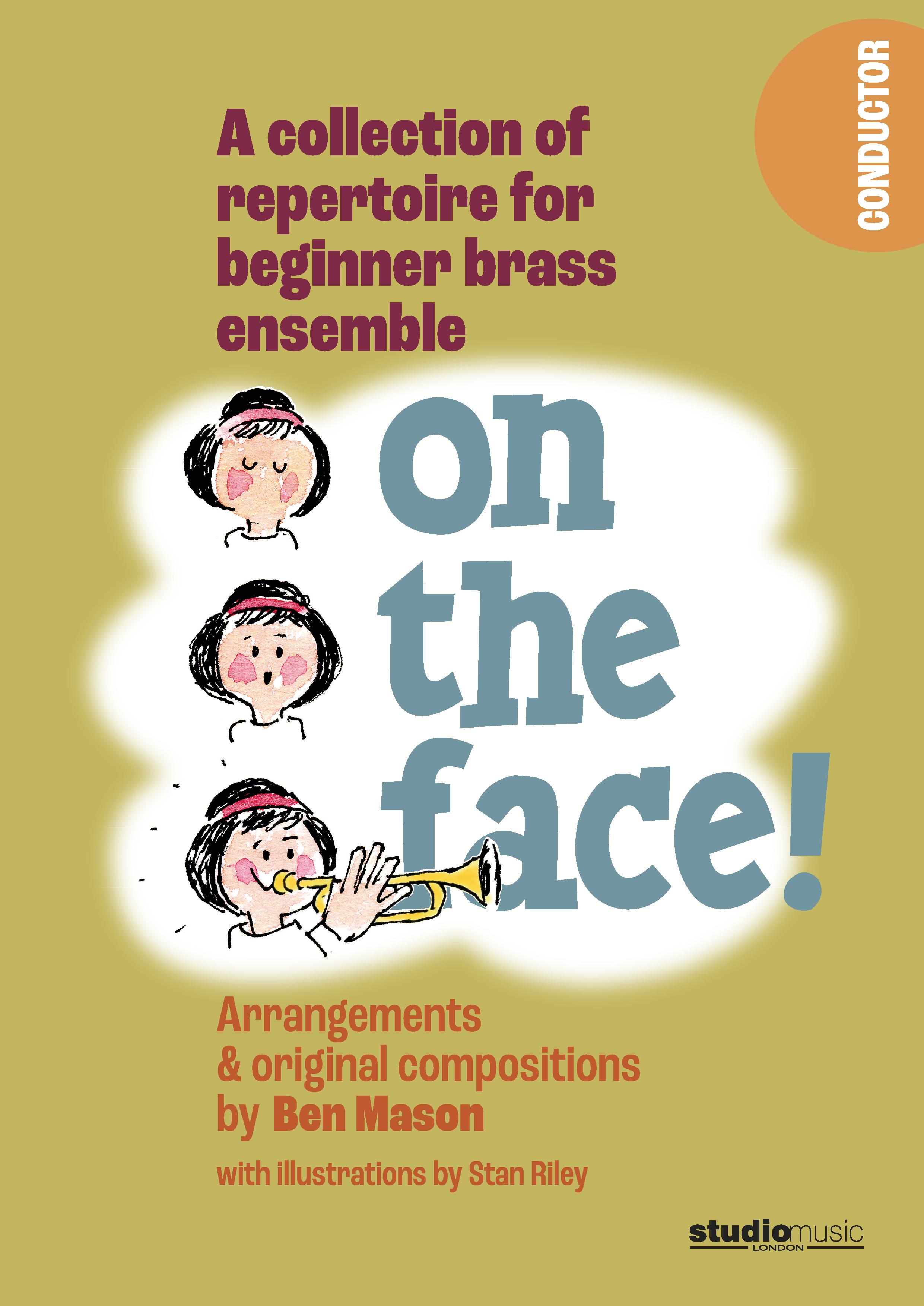
The Value Set contains the score and one of each part:1st B flat Trumpet/Cornet2nd B flat Trumpet/CornetTrombone/Euphonium/Baritone BCTrombone/Euphonium/Baritone TCHorn in E flatHorn in FHigh Trombone/Euphonium/Baritone TC*High Trombone/Euphonium/Baritone BC*E flat Bass/Tuba TCE flat Bass/Tuba TCPercussion and occasional Aux. Percussion(* for use only when there is a Tuba in the ensemble)Additional scores and parts are available individually.On the Face is a complete repertoire (warm-ups and 23 pieces) for beginner brass ensemble. Perfect material for school assemblies and music centres, it includes folk songs, famous classical themes, and exciting new jazz and pop numbers. Each piece is score for a basic trio of two trumpets/cornets and one trombone/euphonium (TC or BC). However, optional independent parts can also be added for horn in E flat or F; high trombone or euphonium (tenor part); tuba; and drum kit. The pieces work equally well either with one player to a part, or in larger group settings. With its appealing variety of musical styles and textures, On the Face is sure to make the young brass player's first experience of group playing both rewarding and fun.
Estimated dispatch 7-14 working days