
Results
-
£24.50
Vanguard - Richard Rock
After the success of his very popular Baritone Solo "Appassionata", Richard Rock has done it again, but this time, for the Euphonium. This melodic solo give the soloist a chance to shine whilst keeping the rest of the band entertained throughout. The piece ranges from a lovely atmospheric opening, to a toe tapping journey with hints of a South American/Latin feel. Playable by most levels of bands and soloists
In Stock: Estimated dispatch 1-3 working days
-
 £29.50
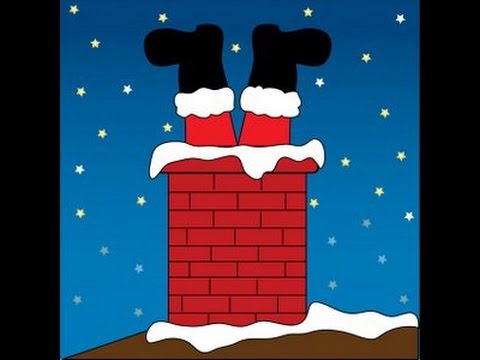
When Santa Got Stuck Up The Chimney - Jimmy Grafton - Naomi Styles
The thought of a trombone player getting stuck up the chimney is sure to raise a few chuckles at your Christmas concerts - particularly if dressed up! This novelty item arranged by Naomi Styles, is a great choice for bands looking for a new, light-hearted solo during the festive season this year. A relaxed Cadenza for the soloist also encourages them to strain for the notes aA" as they're stuck up a chimney! This item would also work as a Euphonium or Baritone solo. A must for all bands this year that are looking to expand their festive repertoire.
In Stock: Estimated dispatch 1-3 working days
-
£29.50
Utopia - Max Stannard
This solo was composed for Amy Partington and the Friezland Brass Band for their performance at the Red Admiral Entertainment Contest. The band won most entertaining performance and the award for best composition or arrangement. The piece is based on the theme of Utopia, representing left wing anarchy, in a set which also featured the Sex Pistols, System of a Down and Black Sabbath, this provided a gentle contrast to the mayhem. Based on themes from Beethoven's Pastoral Symphony and Vivaldi's Spring's 3rd movement, this is a beautiful solo which shows of some lyrical and gentle euphonium playing.
In Stock: Estimated dispatch 1-3 working days
-
 £29.50
Evermore - Alan Menken - Adrian Horn
Disney's remake of the 1991 animated picture gave the chance for composer, Alan Menken to add new music to the already popular soundtrack. In the original film, it was felt the Beast was missing any major feature song. This was put right with the live-action remake which became an instant global hit. Now arranged by Adrian Horn for Euphonium and Brass Band, this is a great new modern solo that will find favour with audiences of all ages.FREE SOLO PART - CLICK HERE
In Stock: Estimated dispatch 1-3 working days
-
 £37.50
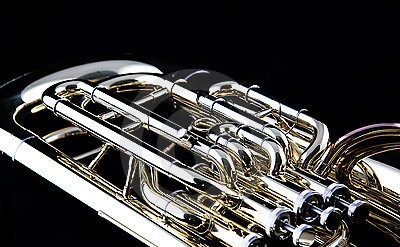
Italien Euphoniem - Gavin Somerset
Occasionally, a solo comes along that allows the performer to show off their skill, whilst allowing the band a licence to enjoy themselves too. From the pen of Gavin Somerset comes a solo that takes all the 'bravissimo' of the great Italian composers and delivers a piece that both the audience and performers can enjoy. This original work is written with tongue placed firmly in cheek in this playful, light-hearted take on Italian music with a built in fun factor. The work is a must for both Euphonium soloists and bands looking to add a playful item to their programme To download the playback audio to play along to, please RIGHT CLICK HERE & Save As .
In Stock: Estimated dispatch 1-3 working days
-
 £29.50
Clarinet Concerto (Adagio): Mozart - W.A. Mozart - Bill Willis
The most popular movement from Mozart's Clarinet Concerto in A is now available as a beautiful solo for Euphonium (with an optional Tenor Horn soloist part also included). The work was originally composed for Anton Stadler and composed in 1791. This arrangement tests the range of the soloist with some large intervals to contend with during the lyrical melodies, utilising the full range of the instrument. The tender accompaniments also require the band to be sympathetic to the soloist as band show off the controlled nature of their playing.
In Stock: Estimated dispatch 1-3 working days
-
£24.50
Hey Presto! - Gerry McColl
This new gem of a solo for Euphonium is a rousing piece from start to finish. Starting with heavy syncopation from the band before the soloist can show off with this catchy little tune that you will be whistling for days (if you can whistle that fast!) The middle section then breaks into a beautiful legato tune for the soloist up in the top register, whilst the rest of the band keep on ploughing away underneath. The original tune then returns after a modulation and finishing with the soloist showing off their chromatic runs in the last couple of bars. This is one of the best new entertaining solos around.
In Stock: Estimated dispatch 1-3 working days
-
 £24.50
Idyll - Arthur Sullivan - Phillip Anderson
Originally composed for Cello and Piano in 1865, this simple yet effective tune has been arranged for Solo Euphonium and brass band. With easy accompaniments and a wide register for the soloist to tackle, Idyll can feature successfully in any concert program
In Stock: Estimated dispatch 1-3 working days
-
 £29.50
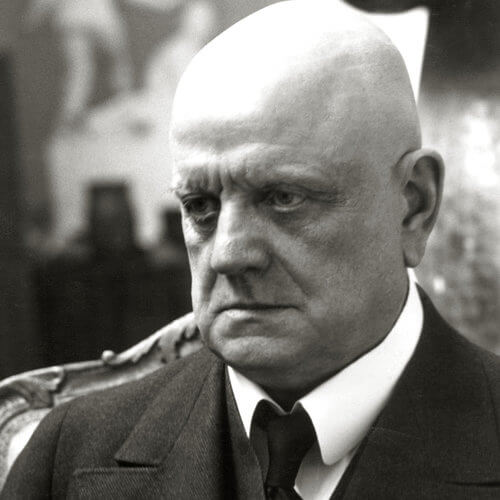
Sibelius Fantasy - Gavin Somerset
Composed in 2003 for a composition competition, this work uses elements of three major work by the Finnish composer Jean Sibelius (1865-1957). The three being... Symphony No.5, Finlandia, Karelia Suite (March) The piece starts with an atmospheric opening before setting of in bar 10 with a tempo that will remain for most of the piece. The main original theme is brought in at A before the famous sequence from Sibelius' Symphony No.5 enters at B and then very distinctly at C. The music then rollercoasts through keeping all sections of the band busy, until we reach J when the solo Euphonium can shine, helped along by Flugel and Repiano. The Molto Vivo before K sets off with dazzling trills from the cornet section, and bringing with it the theme from Finlandia in bar 165, followed shortly by the March from the Karelia Suite. From N to the end, all three pieces are brought to a final climax together. A rousing piece and makes an interesting change to a direct transcription.
In Stock: Estimated dispatch 1-3 working days
-
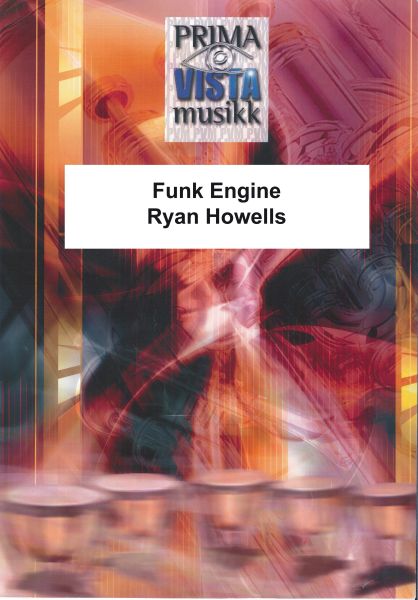 £44.95
Funk Engine (Brass Band - Score and Parts)
'Funk Engine' was commissioned by Brass Bands England for the 2016 National Youth Brass Band Championships of Great Britain. What Ryan says about the piece:"When I was commissioned to write a piece for the Championships I decided that I wanted to create something a bit different to standard brass band repertoire. I decided that the best way to do this was to go a bit out of my comfort zone and explore some styles of music that I have yet to experiment with. I have always been a great lover of jazz, funk and big band music and the sounds associated with them. In 'Funk Engine' I have tried to capture some of these sounds, however I am a brass-bander at heart and as such I've tried to create a fusion of styles that hopefully combines the best of brass band and jazz into one piece.'Funk Engine' runs continuously, but is divided into three broad sections - fast, slow, fast. The opening is in driving big band style, which segues into a smoother lyrical section; the pace then picks up into a jazz inspired scherzo. After a delicate transition from the basses and trombones the euphonium plays a soaring scale - bringing us into the central movement - which begins with a series of languid solos before descending into a darker interlude. A flugel solo lightens the mood and the music gains momentum leading into a brief cornet chorale before a euphonium solo leads into a percussive climactic passage for full band. As this section winds down to settle on an open fifth, the Hi-hat and Bass section punctuate the texture with the first notes of the final section."The final section of the piece is in similar big band style to the opening and develops material from the first two movements. The percussion feature heavily at this stage and the tension builds towards a final statement, with the piece concluding with a bang!"
Estimated dispatch 7-14 working days
 View Music
 Listen to MP3