
Results
-
 £76.99
New Waves - Torstein Aagaard-Nilsen
New Waves is a special composition. Although contemporary but still attractive to musicians and listeners. Norwegian composer Aagaard-Nilsen has failed in a special way to add new elements to the contemporary wind music. Original exciting rhythms and contrasting harmonies make this composition enjoyable and challenging together. Interrupted by a slow middle section New Waves may be seen as five minutes jazz, rock and funk optima forma! New Waves is een bijzondere compositie. Weliswaar eigentijds maar toch aantrekkelijk voor muzikanten en luisteraars. De Noorse componist Aagaard-Nilsen is er op bijzondere wijze in geslaagd nieuwe elementen toe te voegen aan dehedendaagse blaasmuziek. Oorspronkelijke ritmes en spannende contrastrijke samenklanken maken het spelen van dit werk plezierig en uitdagend tegelijk. Onderbroken door een langzaam middendeel kan New Waves beschouwd worden als vijf minuten jazz, rock en funk optima forma!
Estimated dispatch 5-14 working days
-
 £76.99
Exaltation - Andrew R. Mackereth
Exaltation is a nerve-wracking but spectacular concert opener by this young rising star from Britain. Het bij tijd en wijle virtuoze stuk zet de band in vuur en vlam met snelle flitsende passages. Het prachtige verstilde 2e deel zorgt voor het evenwicht in dit zeer bijzondere openingswerk.
Estimated dispatch 5-14 working days
-
 £28.00
St Nicolaas Marsselectie - Robert Allmend
With: O kom er eens kijken, Zie de maan schijnt door de bomen, De zak van Sinterklaas
Estimated dispatch 10-14 working days
-
 £37.35
El Camino A Belen - Trumpet Solo with Brass Band (Nick Simmons-Smith)
VIEW SCORE PDF This trumpet solo was written by Nick Simmons-Smith at the request of Dallas Brass Band for a Christmas concert featuring Elmer Churampi, international trumpet soloist. The solo features three Christmas songs: i. Mi Burrito Sabanero voy camino de Belen (With my donkey of the Savannah, I'm going to Bethlehem) ii. Noche de paz (Silent night) iii. Campana Sobre Campana (Bell above bells, O bells of Bethlehem) These songs are all very popular in Central and South America - including Peru, where Elmer Churampi is originally from. Each tune has been given a different Latin treatment producing a fast-slow-fast festive concert solo. The solo is not long, but each movement could be played individually. To view a video of Elmer Churampi performing the solo with Dallas Brass Band, please visit: www.youtube.com/watch?v=cpQCFXReEJg PDF download includes score and full set of parts. Sheet music available from: UK - www.brassband.co.uk USA - www.solidbrassmusic.com Instrumentation: Trumpet Soloist Bb Soprano Cornet Eb Solo Cornet Bb Repiano Cornet Bb 2nd Cornet Bb 3rd Cornet Bb Flugel Horn Bb Solo Horn Eb 1st Horn Eb 2nd Horn Eb 1st Baritone Bb 2nd Baritone Bb 1st Trombone Bb 2nd Trombone Bb Bass Trombone Euphonium Bb Bass Eb Bass Bb Percussion 1-3
In Stock: Estimated dispatch 1-3 working days
-
 £48.56
Euryanthe Overture (Brass Band) von Weber arr. Barrie Gott
This expert arrangement for brass band by Barrie Gott of Carl Maria von Weber's popular overture, 'Euryanthe' will be a terrific addition to concert programmes.'Euryanthe' is acknowledged as one of Weber's most important operas and is based on the 13th-century French romance L'Histoire du tres-noble et chevalereux prince Gerard, comte de Nevers et la tres-virtueuse et tres chaste princesse Euriant de Savoye, sa mye.Only the overture, an outstanding example of the early German Romantic style (heralding Richard Wagner), is regularly played today.This transcription for brass band attempts to realise the orchestral score as closely as possible. There are many technical challenges that will provide opportunities for the expert level of player and ensemble. It will be and exciting addition to a concert programme. To view a follow-the-score video of the work please visit https://www.youtube.com/watch?v=wMePX1rVigk PDF download includes score and parts. Sheet music available from: UK - www.brassband.co.uk USA - www.solidbrassmusic.com Difficulty Level: 1st Section + Instrumentation: Soprano Cornet Eb Solo Cornet Bb Repiano Cornet Bb 2nd Cornet Bb 3rd Cornet Bb Flugel Horn Bb Solo Horn Eb 1st Horn Eb 2nd Horn Eb 1st Baritone Bb 2nd Baritone Bb 1st Trombone Bb 2nd Trombone Bb Bass Trombone Euphonium Bb Bass Eb Bass Bb Timpani
In Stock: Estimated dispatch 1-3 working days
-
 £233.00
A Poem Against War - Harrie Janssen
A Poem against War A Poem against War was commissioned by Psalm 150, Dinxperlo for the project Leven in Vrijheid!.Starting point of the composition of this piece was the poem A Poem against War from the American poet Karen Kapowich. The poem tells of young lives that are broken in their start because of war.A monument - founded in memory of the soldiers who gave their lives - is hardly noticed and even ignored. Children find the tree-sheltered memorial place rather scary and even the narrator speeds up his stride when passing. Underlying theme is the otiosity of war.The musical piece is composed of two parts that are being played without interruption. The first part explains the drama of the battle. The second part is based on the poem of Karen Karpowich in which we look back on the sacrifices that have been made. The text is sung by a Mezzo Soprano and emphasizes the bloodshed that comes along with every war. The opening theme returns at the end of the piece but in a complete metamorphosis, wherein optimism and vigor take place for resignation knowing that history repeats itself time and time again. A Poem against War had its premiere on 25th November 2012 in de DRU Cultuurfabriek in Ulft by Fanfare-orchestra Psalm 150, Dinxperlo led by Tijmen Botma. The Mezzo Soprano was Elske ter Lindert.commissioned by Psalm 150, Dinxperlo for the project Leven in Vrijheid!.Starting point of the composition of this piece was the poem A Poem against War from the American poet Karen Kapowich. The poem tells of young lives that are broken in their start because of war.A monument - founded in memory of the soldiers who gave their lives - is hardly noticed and even ignored. Children find the tree-sheltered memorial place rather scary and even the narrator speeds up his stride when passing. Underlying theme is the otiosity of war.The musical piece is composed of two parts that are being played without interruption. The first part explains the drama of the battle. The second part is based on the poem of Karen Karpowich in which we look back on the sacrifices that have been made. The text is sung by a Mezzo Soprano and emphasizes the bloodshed that comes along with every war. The opening theme returns at the end of the piece but in a complete metamorphosis, wherein optimism and vigor take place for resignation knowing that history repeats itself time and time again. A Poem against War had its premiere on 25th November 2012 in de DRU Cultuurfabriek in Ulft by Fanfare-orchestra Psalm 150, Dinxperlo led by Tijmen Botma. The Mezzo Soprano was Elske ter Lindert.
Estimated dispatch 10-14 working days
-
 £186.00
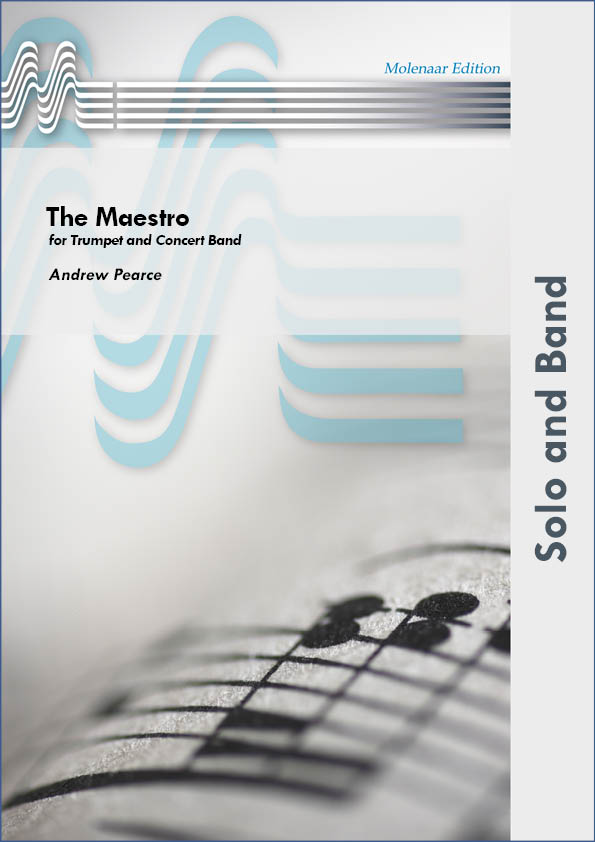
The Maestro - Andrew Pearce
The Maestro, a concertino voor trompet en band, was commissioned by Philip Cobb, principal trumpet of the London Symphony Orchestra. I spent most of Summer 2011 in Prague and London composing this demanding piece, for this was a wonderful opportunity to write a large scale work for one of the world's finest Trumpet virtuosos and I accepted the assignment with great enthusiasm. I also felt a great responsibility to deliver a tour de force for this world class player that was both challenging and enjoyable. Phil was seeking melodies and themes in the piece and had enjoyed my album 'Cinema Symphony', and the dramatic vistas it conjured up. Before writing began, I listened to his beautiful album 'Life Abundant' many times, ensuring I had his sound in my head while writing. The piece represents the many aspects of a contemporary trumpeter's musical life from; brass band chorale (a homage to Phil's musical roots), to the symphonic concert hall to the film recording studio. I am delighted to have had Phil and the International Staff Band record this work under the baton of Dr Stephen Cobb. Its a tour de force not only for the soloist but also for the band and should be an exciting challenge for the very best bands out there.
Estimated dispatch 10-14 working days
-
 £32.00
California Legend (Score only) - Bruce Broughton
California Legend was inspired by Las Sergas de Esplandian by Garci Ordonez de Mantalvo, published in Seville in 1510. Quoting from 'A Companion to California', the story recounts the fictional adventures of Esplandian. Among the places he visits is one "on the right hand of the indies, an island called California, very near to the Terrestial Paradise, which was peopled with black women, accustomed to live after the fashion of Amazons, there arms were full of gold. The land was ruled by a Queen named Calafia."
Estimated dispatch 7-9 working days
-
 £42.00
California Legend (Parts only) - Bruce Broughton
California Legend was inspired by Las Sergas de Esplandian by Garci Ordonez de Mantalvo, published in Seville in 1510. Quoting from 'A Companion to California', the story recounts the fictional adventures of Esplandian. Among the places he visits is one "on the right hand of the indies, an island called California, very near to the Terrestial Paradise, which was peopled with black women, accustomed to live after the fashion of Amazons, there arms were full of gold. The land was ruled by a Queen named Calafia."
Estimated dispatch 7-9 working days
-
 £65.00
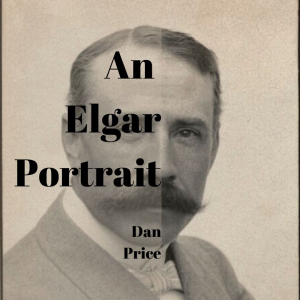
AN ELGAR PORTRAIT - D.Price
This work was composed in commemoration of the 150th Anniversary of the birth English Composer Sir Edward Elgar. The suite is in three movements: 'Introduction', 'Elegy' and 'March', each of which have been inspired by three of Elgar's most celebrated works; Chanson de Matin, Nimrod ('Variation IX' from the Enigma Variations) and Pomp and Circumstance No.1.'Introduction' - Hollybush HillHollybush Hill is the name of one of the peaks of the Malvern Hills in Worcestershire. The Malverns were a favourite walking area for Elgar and his wife, and their panoramic views inspired much of Elgar's music.'Elegy' - BroadheathBroadheath is the small village at the foot of the Malvern Hills where Elgar was born (and lived at various times throughout his life). Elgar is buried not far from Broadheath at St Wulstan's in Little Malvern. 'March' - Worcester CathedralMany of the Worcestershire ensembles and music festivals played an important role in Elgar's early musical education. He was heavily involved in The Three Choirs Festival and either conducted or played in many of the light orchestras and vocal groups that performed at venues across Worcester. A statue of Elgar overlooks the Cathedral at the end of Worcester High Street.An Elgar Portrait has been used regularly as an own-choice test-piece for Section 4 bands, and was also selected as the set work for the Swiss National Championships in 2007 as well as the Pontins Championships in 2008. The composer has slightly reworked this piece for the Section 4 Final of the National Brass Band Championships of Great Britain 2020 and it's this version that should be performed at the contest. If bands currently have an older version in their libraries, please contact us directly for more information.
In Stock: Estimated dispatch 3-5 working days
 View Music
 Listen to MP3