
Results
-
 £56.00
Dusky Sound (Cornet Solo with Brass Band - Score and Parts) - Fernie, Alan
Cornet Solo with Brass Band accompaniment
Estimated dispatch 7-14 working days
-
 £56.00
Trumpet Eclair (Cornet Solo with Brass Band - Score and Parts) - Woodfield, Ray
Bb Cornet Solo with Brass Band
Estimated dispatch 7-14 working days
-
 £45.00
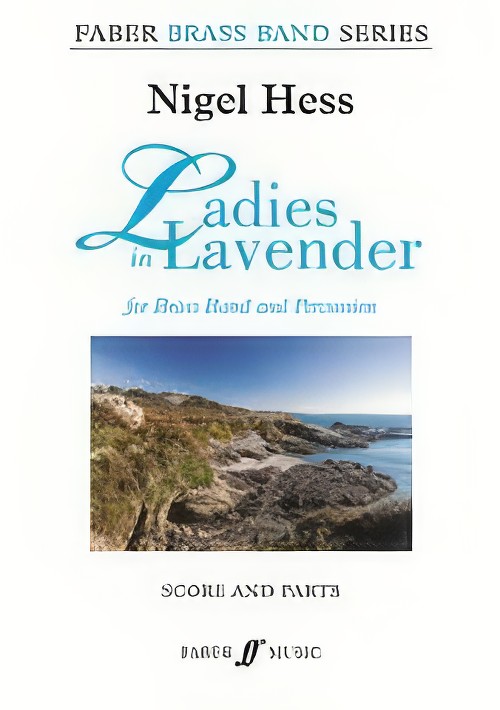
Ladies in Lavender (Sop or Solo Cornet Solo with Brass Band - Score and Parts) - Hess, Nigel - Hall, Daniel
Set in a picturesque coastal Cornwall, in a tight-knit fishing village in the 1930s, Ladies in Lavender starred Judi Dench and Maggie Smith as sisters Ursula and Janet Widdington. This arrangement of the much loved theme by Nigel Hess has been arranged for soprano or solo cornet and brass band. Suitable for Premier Youth/2nd Section Bands and above. Duration: 8.00
Estimated dispatch 7-14 working days
-
 £40.00
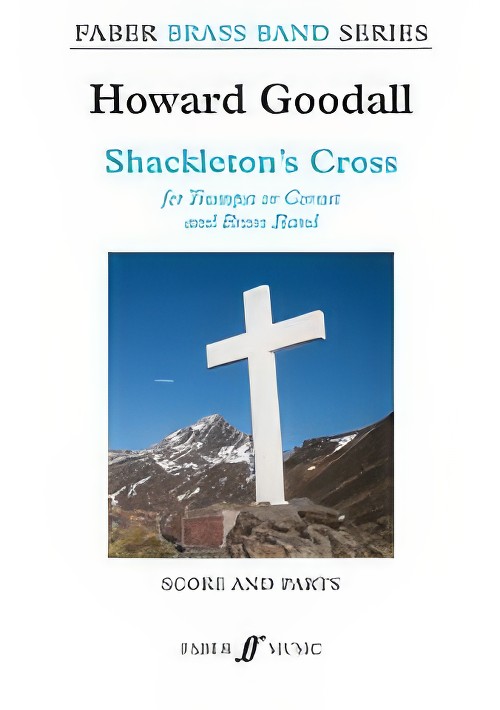
Shackleton's Cross (Cornet Solo with Brass Band - Score and Parts) - Goodall, Howard - Hall, Daniel
Shackleton's Cross was inspired by a painting created in 1957 by the English artist Edward Seago (1910 1974). The title refers to a cross which was erected to the memory of Sir Ernest Shackleton, who led a number of explorations to the Antarctic. Shackleton died in 1922 whilst on a Polar expedition, and the cross can be found on a promontory at the entrance to the bay at Grytviken Whaling Station in South Georgia. The painting is owned by HRH The Duke of Edinburgh, and was part of an exhibition at Buckingham Palace from October 2011 to April 2012. Originally scored for oboe, trumpet and small orchestra, Daniel Hall's sensitive arrangement for trumpet or cornet and brass band follows the composer's alternative version for solo trumpet and organ, created for Crispian Steele-Perkins (trumpet) and David Goode (organ). Duration: 5.00
Estimated dispatch 7-14 working days
-
 £44.95
Meditation (from The Triumph of Time) (Flugel Horn and Baritone Duet with Brass Band - Score and Parts) - Graham, Peter
Meditation is the central theme from The Triumph of Time, a work commissioned for The Black Dyke Band by Music Director Nicholas Childs. The original brief was for a piece which would showcase the talents of the band's many fine soloists, among them Zoe Hancock on Flugel horn and Baritone soloist Katrina Marzella. This extract brings both instruments together in an extended stand-alone arrangement.Although scored for Flugel and Baritone, a number of options can be explored at the discretion of the conductor (eg. Flugel/Cornet and Euphonium/Trombone; two Bb Cornets etc. in which case cued lines in the Solo Horn and Soprano cornet parts may be played).Duration: 05:00
Estimated dispatch 7-14 working days
-
 £104.99
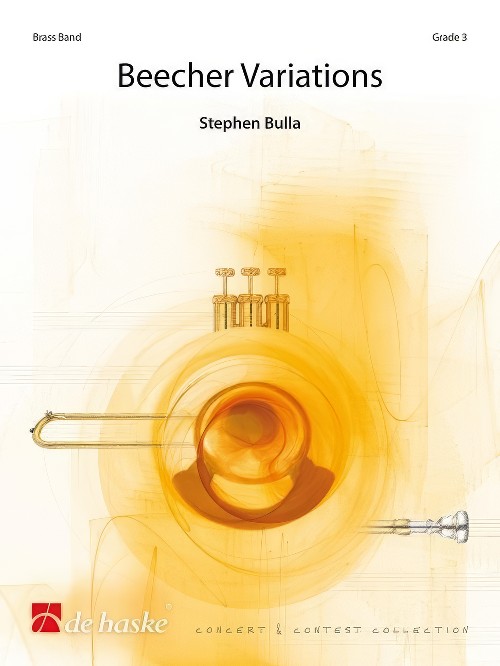
Beecher Variations (Brass Band - Score and Parts) - Bulla, Stephen
In this beautiful composition, melodic fragments of the hymn tune Beecher are morphed into a series of variations, showing the melody in various moods from expressive, then quiet and soft, to bright and triumphant in the end. Written as a test piece in the 4th division for the Dutch Brass Band Championships in 2015, the music features challenging solo parts for cornet, soprano cornet, flugelhorn and euphonium. A great work for the concert or contest stage!Duration: 12.00
Estimated dispatch 7-14 working days
-
 £34.95
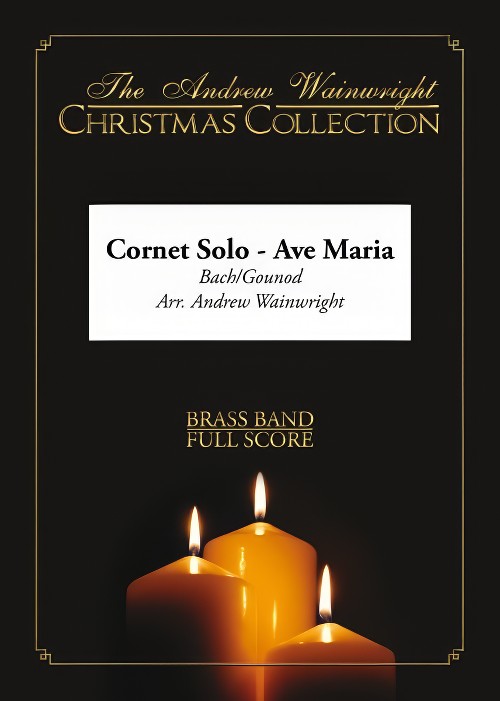
Ave Maria (Cornet Solo with Brass Band - Score and Parts) - Bach, Johann Sebastian - Gounod, Charles
An arrangement of Bach/Gounod's popular song, originally performed by ITV's Britain's Got Talent star Faryl Smith. Here it is arranged for solo cornet with brass band accompaniment.
Estimated dispatch 7-14 working days
-
 £29.95
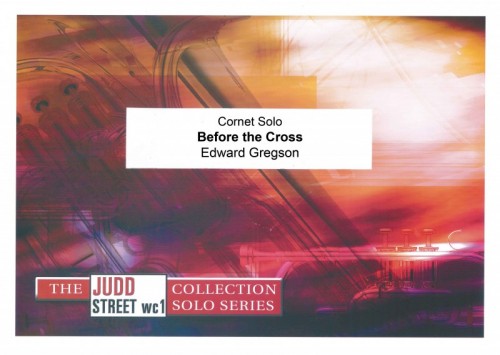
Before The Cross (Cornet Solo with Brass Band - Score and Parts) - Gregson, Edward
Written at the request of David Daws for his solo album The Sound of David Daws, this meditation for cornet and brass band uses the composer's own song Before the cross (originally published in The Musical Salvationist, April 1965), the first lines of which are Before the cross I stand in fear and wonder, and see that all my sirs on Thee are laid. The song was written at an early stage of the composer's career, just before commencing study at The Royal Academy of Music, London. After a brief introduction the melody is heard twice, first played by the soloist, then on Euphonium and Flugel Horn with the soloist adding ornate counterpoint before taking up the melody once again, this time leading to a quiet and reflective conclusion.
Estimated dispatch 7-14 working days
-
£34.95
Clear Skies (Cornet Solo with Brass Band - Score and Parts) - Ball, Eric
A 'timeless' cornet solo from the pen of Eric Ball, utilising the charming, lyrical melody of the same name. Its traditional theme and variation construction and its relative popularity should not lull the soloist into believing it to be easy - for soloist or band.
Estimated dispatch 7-14 working days
-
£17.50
Clear Skies (Cornet Solo with Brass Band - Score only) - Ball, Eric
A 'timeless' cornet solo from the pen of Eric Ball, utilising the charming, lyrical melody of the same name. Its traditional theme and variation construction and its relative popularity should not lull the soloist into believing it to be easy - for soloist or band.
Estimated dispatch 7-14 working days
 View Music