
Results
-
 £35.00
Postcard to Grimethorpe (Brass Band - Score and Parts)
I composed the original version of Postcard to Grimethorpe in 1993 at the request of Elgar Howarth, for a concert at the Queen Elizabeth Hall, London, given by the Grimethorpe Colliery Band. This was at a time when after the Grimethorpe Colliery pit closed the future of the band was in severe jeopardy. The concert was given in aid of the band, both through publicity and funding.Then in late 2022 Jack Stamp, the American composer, conductor and educator, and at that time international composer-in-association with Grimethorpe, contacted me to say that he had discovered my short piece in the band library, and asked if I might extend it for a recording he was sponsoring for the band - the repertoire to consist entirely of music specially composed for Grimethorpe.I agreed and decided to extend the piece by using the miner's hymn Gresford, as a symbolic gesture of protest at the many thousands of miners in the UK who were made redundant from their jobs. After an angular (quasi-atonal) first section, the hymn enters, softly at first, but with each phrase it becomes more powerful and insistent, ending with the final phrase triumphantly accompanied by melodic percussion (replacing the drums and cymbals of the earlier phrases, as if the band were then on the march). However, this short work ends softly and gently, as if anger has been replaced by quiet resolution and determination, looking to the future with confidence.- Edward GregsonDuration: 3.00
Estimated dispatch 7-14 working days
-
 £39.95
On the Castle Green (Brass Band - Score and Parts)
I was contacted by conductor and friend Desmond Graham who wanted to have a traditional concert march composed to celebrate the Golden Jubilee of his band; The Third Carrickfergus Band.Immediately my mind started wandering as I thought about all the great marches that I have enjoyed playing and listening to over the years. So when I put pen to paper I had already planned out the structure of the march and which instruments to feature.The march itself is split into two halves, the first in a minor key the second in a major key. The opening section starting loudly in F minor features stereotypical passages one would come to recognise in a traditional concert march: a cornet solo, a melodic bridging section and a robust bass solo led by the basses and trombones.The second half of the march changes pace and mood as it lifts into a major key giving it a more lighter feel. We hear a second cornet solo which plays the second theme of the march. After a second bridge section the theme is played by the front row cornets to allow the soprano to play an obligato melody similar to that heard in marches like "Army of the Nile" and "Stars and Stripes Forever". It all builds to a grandioso ending where the tempo drops and the final theme is played with a quick accel to the end.As for the title? In Carrickfergus lies an old castle that faces the town which is situated on a small plot of luscious green grass - "On The Castle Green".Paul Lovatt-Cooper
Estimated dispatch 7-14 working days
-
 £44.99
Sweeney Todd (Brass Band - Score and Parts)
Malcolm Arnolds ballet, Sweeney Todd, was first staged in 1959 by The Royal Ballet Company with choreography by John Cranko. The music was later adapted as a concert work and it is from this version that this brass band arrangement, by Phillip Littlemore, is made. The original concert suite lasts some 20 minutes, but this version has been shortened to a more manageable eight minutes. The first performance of this arrangement was given on the 22nd October 2006 at the Malcolm Arnold Festival, Derngate, Northampton by the Rushden Windmill Band conducted by Richard Graves. Suitable for Advanced Youth/3rd Section Bands and above. Duration 8:00
Estimated dispatch 7-14 working days
-
 £100.99
Frontier Vision (Brass Band - Score and Parts)
Frontier Vision is a concert or contest piece based on three elements: the commemoration of the 500th anniversary of Reformation Day, the Martin Luther melody, A Mighty Fortress Is Our God (Ein Feste Burg ist unser Gott) on which this composition is based, and thirdly the spreading of the evangelical movement in the late 19th century, of which the analogous storyline forms the structural basis of this work. Multi-cultural ethnic influences, along with the driving rhythms that reflect the perseverance and hard work of those mission-minded pioneers, are both important components that make Frontier Vision an outstanding choice for your concert or contest. Frontier Vision was the test piece for the second division in the Dutch National Brass Band Championships 2017. Duration: 12.00
Estimated dispatch 7-14 working days
-
 £49.99
Lock Horns/Rage on (Brass Band - Score and Parts)
Simon Dobsons dynamic and unusual concert march Lock Horns/Rage On was commissioned by the Leyland Band and their conductor Jason Katsikaris, and formed part of their programme for the Brass in Concert Championships, held at The Sage, Gateshead on 15th November 2009. Suitable for Premier Youth/2nd Section Bands and above. Duration: 4.00
Estimated dispatch 7-14 working days
-
 £34.95
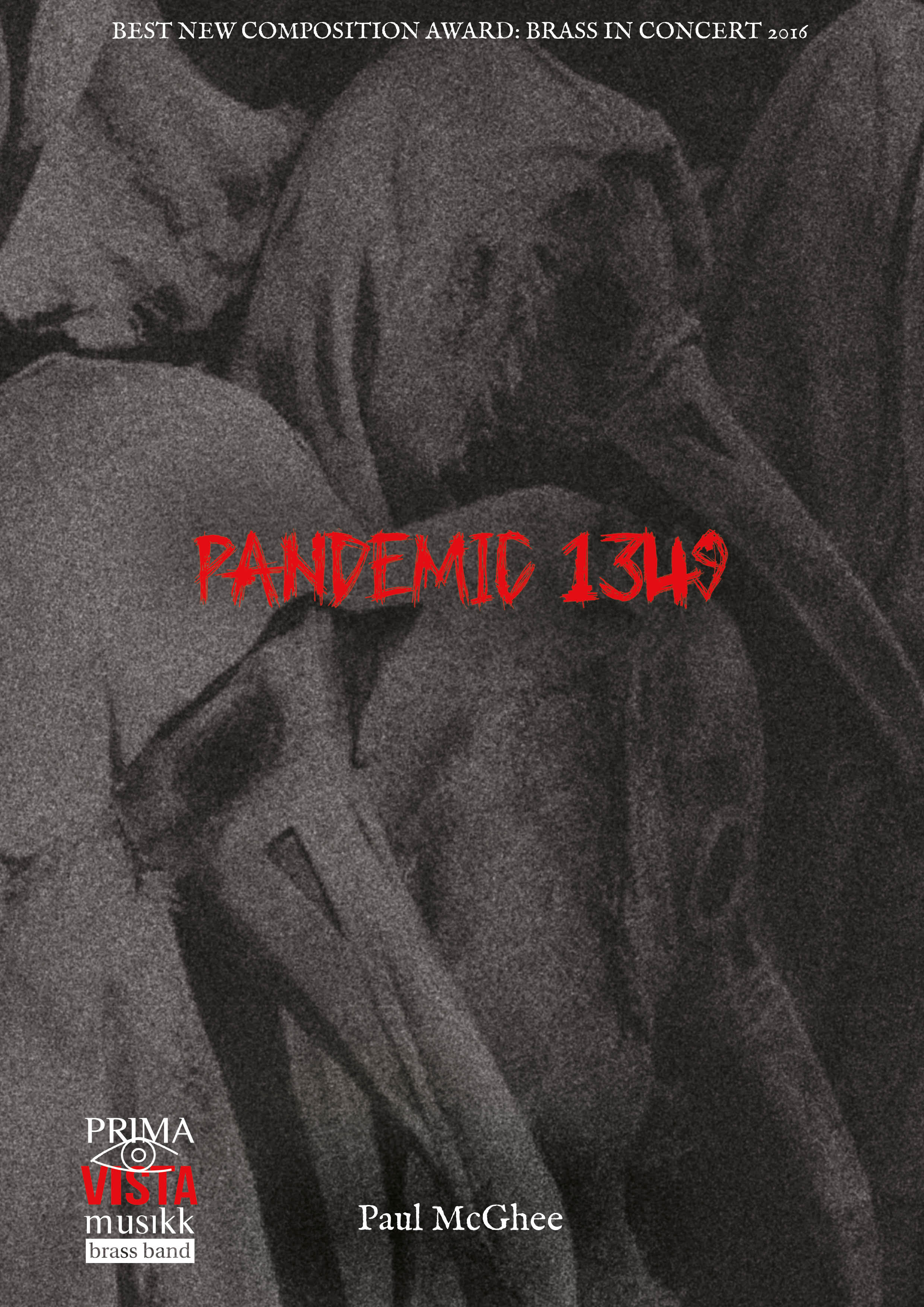
Pandemic 1349 (Brass Band - Score and Parts)
'Pandemic 1349' was written during September and October 2016 and received its premiere on Sunday 20 th November at the 40 th Brass in Concert Championships at the Sage, Gateshead where it received the best new composition/arrangement award.'Pandemic 1349' is a concert work that aims to capture the atmosphere of fear and terror as the plague spreads throughout the city. The cries and screams get louder and reach a chaotic climax, before a calmer and reflective passage takes over - although the chaos and fear never totally leaves as the melodic material is played against the backdrop of what has gone before.London lost almost half of its population during the Black Death, making this one of the single most devastating events in the city's dark history. The outbreak not only shaped the number of inhabitants in London but also changed their mind-sets with many turning to religion - even the English language was to be forever altered.
Estimated dispatch 7-14 working days
-
 £29.95
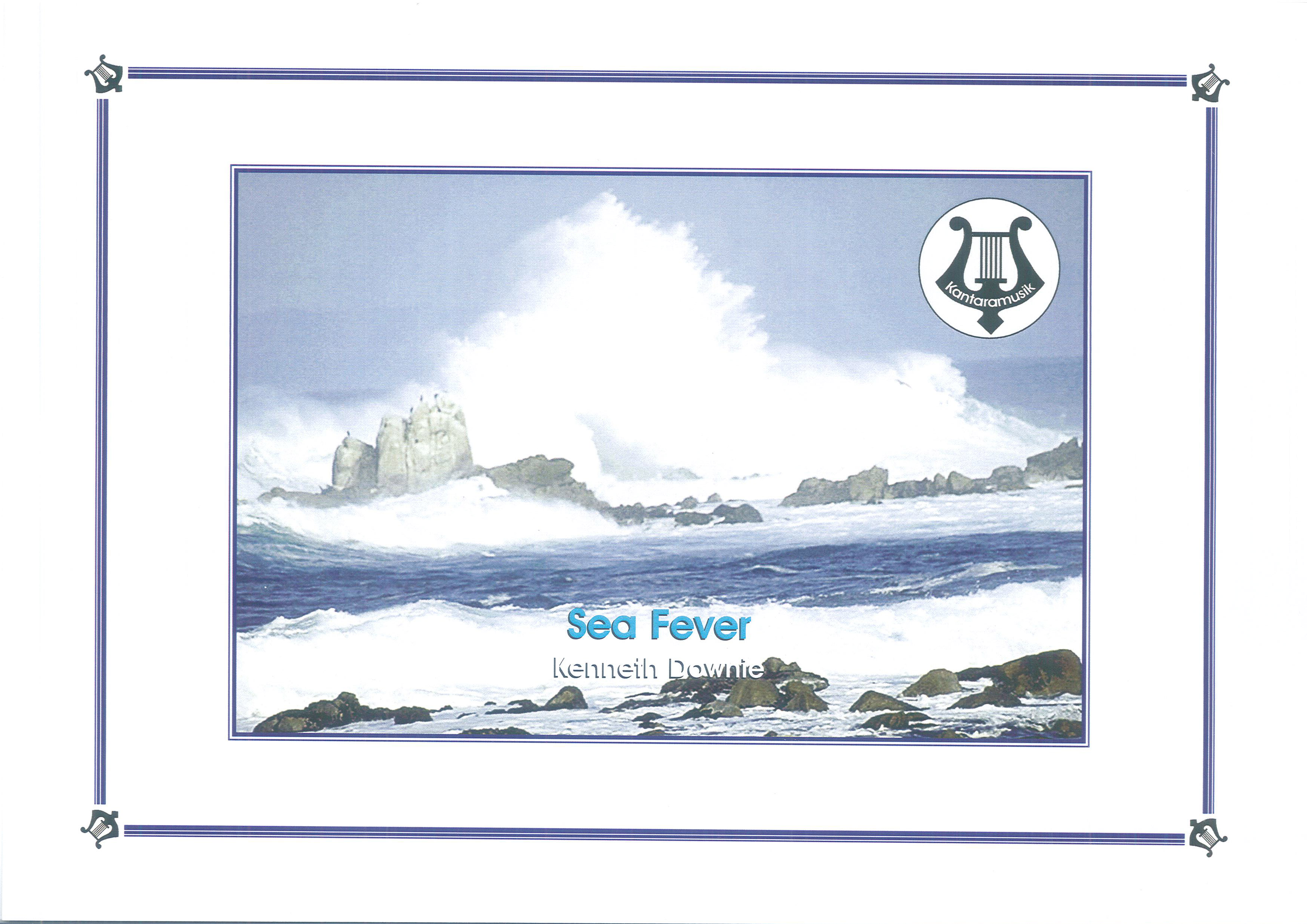
Sea Fever (Brass Band - Score and Parts)
This lively concert piece is a follow-up to the composer's earlier Dance Fever. It is based around the Northumbrian song Bobby Shaftoe, in the same way as the earlier piece was based on The Dashing White Sergeant. Several other sea-faring songs are quoted, all in a light-hearted, humorous fashion. Played with flair and panache, it should result in an entertaining concert item.
Estimated dispatch 7-14 working days
-
 £24.95
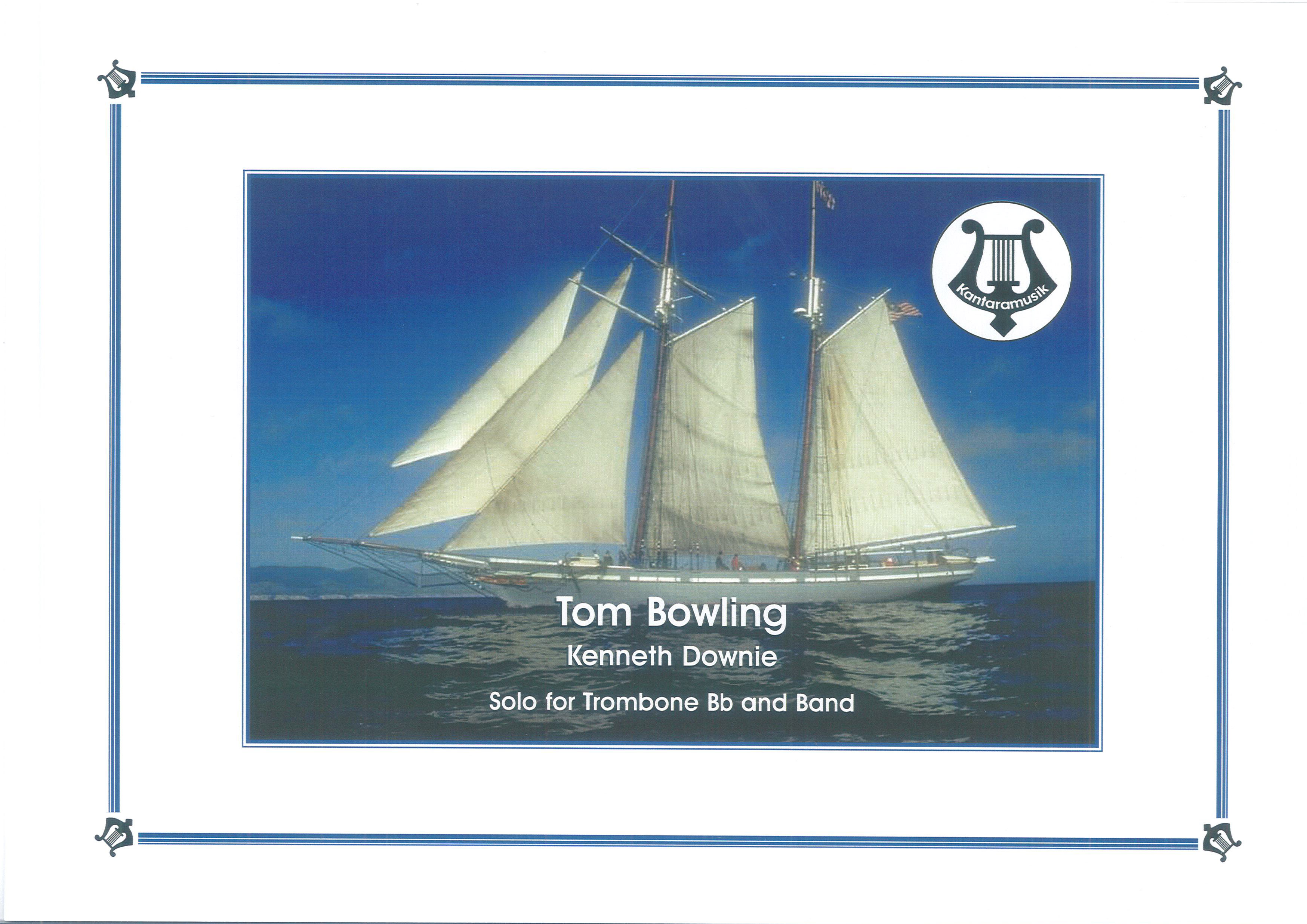
Tom Bowling - Trombone Solo (Brass Band - Score and Parts)
This wonderful song is invariably featured in the last night of the BBC Promenade Concert series as it is included in Henry Wood's Fantasia on British Sea Songs. It is played as a cello solo and always provides one of the most sensitive, melancholic moments of the evening. It the trombone soloist rises to the challenge, there will not be a dry eye in the concert hall!
Estimated dispatch 7-14 working days
-
 £74.95
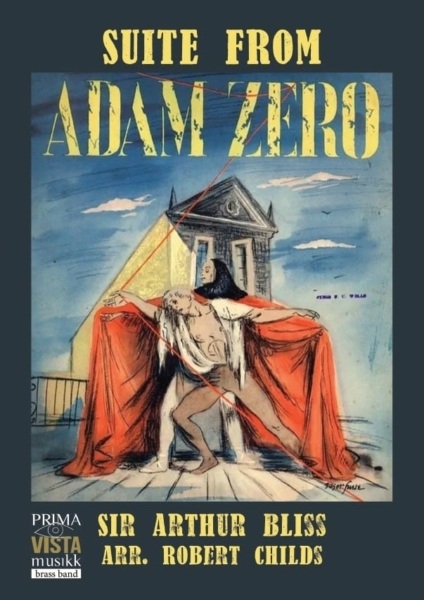
Adam Zero, Suite from (Brass Band - Score and Parts)
Selected as the Section 2 test piece for the National Brass Band Championships of Great Britain 2025Following his ballet Checkmate, Bliss composed another score for the, by then, Sadler's Wells Ballet, Miracle in the Gorbals, which was choreographed by Robert Helpmann, to a scenario by Michael Benthall. Premired in 1944, the ballet made a considerable impact and was a box-office success. It was followed in turn by a further collaboration with Helpmann and Benthall, Adam Zero. This would serve Helpmann, in the eponymous role, as a vehicle in two respects: demonstrating his gifts as a dancer-actor and as a choreographer. First performed at the Royal Opera House, Covent Garden, on 8 April 1946, Adam Zero was conducted by Constant Lambert, the work's dedicatee. Bliss considered it 'his most varied and exciting ballet score'. Benthall provided a synopsis for the programme:There is a philosophy that life moves in an endless series of timeless cycles. As Nature passes through Spring, Summer, Autumn and Winter, so man is born, makes a success in his own particular sphere, loses his position to a younger generation, sees his world crumble before his eyes and only finds peace in death. This age-old story is told in terms of a Company creating a ballet and calling on the resources of the theatre to do so. Lighting, stage mechanism, dance conventions, musical forms and costumes and scenery of all periods are used to symbolize the world of 'Adam Zero'.Apart from Adam, as the Principal Dancer, other main roles included the Stage Director (representing Omnipotence), and Adam's Fates (Designer, Wardrobe Mistress, and Dresser). 'The Woman in this allegory', wrote Bliss, 'under the symbol of the Choreographer, was both the creator and destroyer of Adam: his first love, his wife, his mistress, and finally the figure of beneficent Death.' When the curtain rose, the 'audience saw the Covent Garden stage right back to the wall, completely empty except for the protagonists, 'the Company poised, still and expectant, as they await the birth of... Adam Zero.'Unfortunately, soon after the premire, Helpmann injured himself and had to withdraw from the remaining performances. Despite generally positive reviews, the ballet did not capture the imagination of audiences and, to Bliss's considerable disappointment, was not revived. Seventy years would elapse before its first major return to the stage, in 2016, performed by the ballet company of Stadttheater Bremerhaven with choreography by Sergei Vanaev.Bliss extracted a concert suite from the ballet, conducting its first performance with the City of Birmingham Symphony Orchestra on 28 October 1948. For his own suite, arranged for brass band in 2023, Dr Robert Childs chose three dances linked to the seasons, book-ending them with the ebullient 'Fanfare Overture' and 'Fanfare Coda'. After Adam has grown to manhood, his Fates clothe him in a costume synonymous with confident youth, appropriate for the virile, ardent 'Dance of Spring'. In the 'Approach of Autumn', Adam, now wearing a sombre costume, has grown older: his Fates have streaked grey in his hair and put lines on his face. But they had earlier raised Adam to the zenith of his power, and the 'Dance of Summer' depicts him in the prime of life, in music of sweeping grandeur. The 'Fanfare Coda' signals that the next cycle of life is about to begin.Duration: 10.30
Estimated dispatch 7-14 working days
-
£31.95
Adam Zero, Suite from (Brass Band - Score only)
Selected as the Section 2 test piece for the National Brass Band Championships of Great Britain 2025Following his ballet Checkmate, Bliss composed another score for the, by then, Sadler's Wells Ballet, Miracle in the Gorbals, which was choreographed by Robert Helpmann, to a scenario by Michael Benthall. Premired in 1944, the ballet made a considerable impact and was a box-office success. It was followed in turn by a further collaboration with Helpmann and Benthall, Adam Zero. This would serve Helpmann, in the eponymous role, as a vehicle in two respects: demonstrating his gifts as a dancer-actor and as a choreographer. First performed at the Royal Opera House, Covent Garden, on 8 April 1946, Adam Zero was conducted by Constant Lambert, the work's dedicatee. Bliss considered it 'his most varied and exciting ballet score'. Benthall provided a synopsis for the programme:There is a philosophy that life moves in an endless series of timeless cycles. As Nature passes through Spring, Summer, Autumn and Winter, so man is born, makes a success in his own particular sphere, loses his position to a younger generation, sees his world crumble before his eyes and only finds peace in death. This age-old story is told in terms of a Company creating a ballet and calling on the resources of the theatre to do so. Lighting, stage mechanism, dance conventions, musical forms and costumes and scenery of all periods are used to symbolize the world of 'Adam Zero'.Apart from Adam, as the Principal Dancer, other main roles included the Stage Director (representing Omnipotence), and Adam's Fates (Designer, Wardrobe Mistress, and Dresser). 'The Woman in this allegory', wrote Bliss, 'under the symbol of the Choreographer, was both the creator and destroyer of Adam: his first love, his wife, his mistress, and finally the figure of beneficent Death.' When the curtain rose, the 'audience saw the Covent Garden stage right back to the wall, completely empty except for the protagonists, 'the Company poised, still and expectant, as they await the birth of... Adam Zero.'Unfortunately, soon after the premire, Helpmann injured himself and had to withdraw from the remaining performances. Despite generally positive reviews, the ballet did not capture the imagination of audiences and, to Bliss's considerable disappointment, was not revived. Seventy years would elapse before its first major return to the stage, in 2016, performed by the ballet company of Stadttheater Bremerhaven with choreography by Sergei Vanaev.Bliss extracted a concert suite from the ballet, conducting its first performance with the City of Birmingham Symphony Orchestra on 28 October 1948. For his own suite, arranged for brass band in 2023, Dr Robert Childs chose three dances linked to the seasons, book-ending them with the ebullient 'Fanfare Overture' and 'Fanfare Coda'. After Adam has grown to manhood, his Fates clothe him in a costume synonymous with confident youth, appropriate for the virile, ardent 'Dance of Spring'. In the 'Approach of Autumn', Adam, now wearing a sombre costume, has grown older: his Fates have streaked grey in his hair and put lines on his face. But they had earlier raised Adam to the zenith of his power, and the 'Dance of Summer' depicts him in the prime of life, in music of sweeping grandeur. The 'Fanfare Coda' signals that the next cycle of life is about to begin.Duration: 10.30
Estimated dispatch 7-14 working days