
Results
-
 £60.99
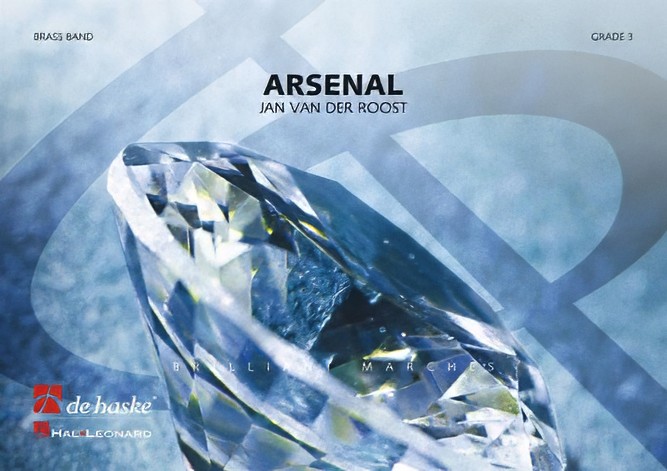
Arsenal (Brass Band - Score and Parts) - Van der Roost, Jan
Arsenal was composed for the 50th anniversary of the 'Harmonie van het Spoorwegarsenaal'[railroad arsenal], based in Mechelen (Belgium). Rather a stately concert march, it has beautiful themes and a broad melody in the trio. It was premiered in the Mechelen Cultural Center on the 11th of May 1996 during the solemn ceremony, opening the anniversary year and conducted by the composer. In the mean time, Arsenal has been recorded several times by such renowed performers like the Tokyo Kosei Wind Orchestra, the Black Dyke Brass Band etc.Duration: 3:30
Estimated dispatch 7-14 working days
-
 £60.99
Love Can Build a Bridge (Brass Band - Score and Parts) - Sebregts, Ron
This arrangement for brass band of the successful song Love Can Build a Bridge includes a beautiful cornet solo. A splendid addition to any concert.Duration: 3:45
Estimated dispatch 7-14 working days
-
 £54.99
You are Not Alone (Brass Band - Score and Parts) - Foster, Larry
Michael Jackson, the King of Pop, died in Los Angeles on June 25th 2009. He can without any shadow of a doubt be compared with artists such as Elvis Presley, Jimi Hendrix, and John Lennon - all of them musicians who will never die in the hearts of their fans. Why not keep the legend of Michael Jackson alive in your next concert with this hit from Michael Jackson's repertoire arranged for Brass Band.Duration: 3.00
Estimated dispatch 7-14 working days
-
 £54.99
Hard to Say I'm Sorry (Brass Band - Score and Parts) - Oud, Thijs
This classic pop song by Chicago is now avilable for brass band in the Pop classics series. The atmospheric ballad with it's swinging finale will bring a touch of emotion to any concert.Duration: 5.00
Estimated dispatch 7-14 working days
-
 £84.99
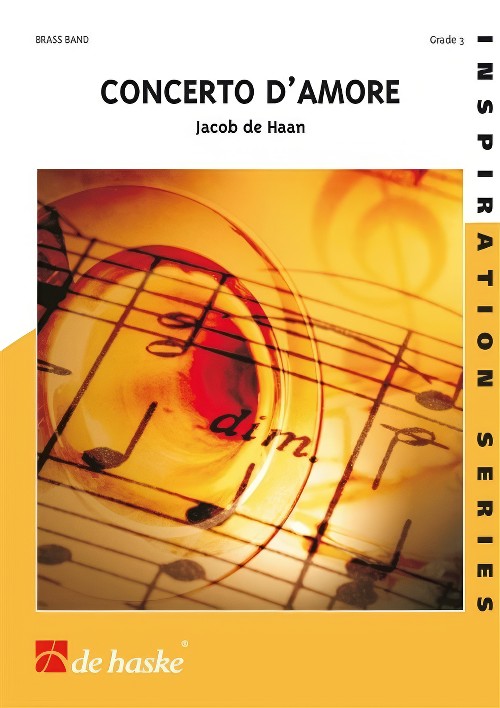
Concerto d'Amore (Brass Band - Score and Parts) - De Haan, Jacob
In Concerto d'Amore, a maestoso opening is followed by a quick and energetic movement that leads to a magnificent adagio. A motif from this adagio can be heard in a swinging movement, after which the piece comes to a close with the return of the adagio. This arrangement for brass band certainly brings this beautiful music to life.Duration: 7:15
Estimated dispatch 7-14 working days
-
 £43.99
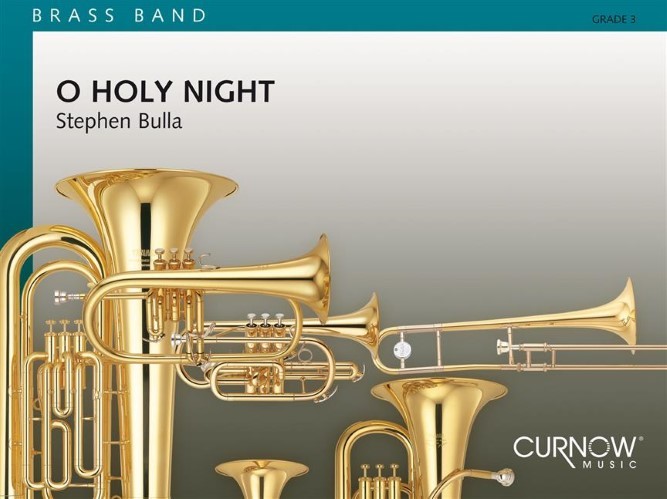
O Holy Night (Soprano Cornet Solo with Brass Band - Score and Parts) - Adam, Adolphe - Bulla, Stephen
This terrific melody by the 19th century French composer Adolph Adam is one of the world's most famous Christmas solo melodies. It is unique due to the fact that it was the only Christmas song recorded by the legendary opera singer Enrico Caruso. This arrangement for soprano cornet and brass band will make a fantastic touching addition to any Christmas carol.Duration: 5.30
Estimated dispatch 7-14 working days
-
 £54.99
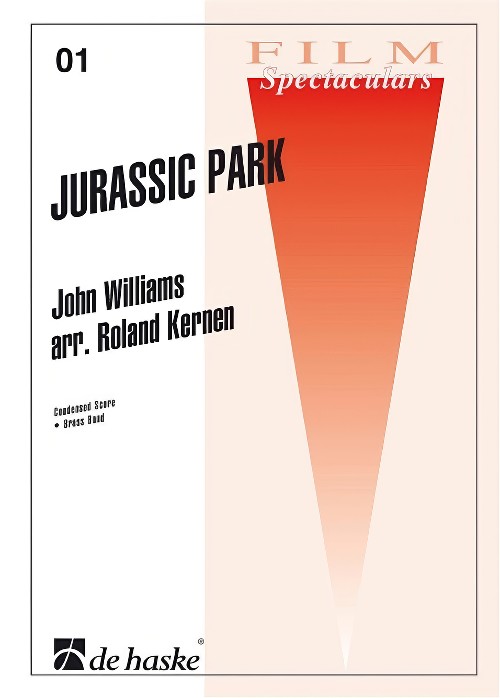
Jurassic Park, Theme from (Brass Band - Score and Parts) - Williams, John - Kernen, Roland
This passionate and uplifting theme comes from one of Steven Spielberg's most successful films Jurassic Park. As with many of Spielberg's films the music has been supplied by John Williams and plays an extremely important role in creating the film's atmosphere. The melody and orchestration makes this theme ideal for the sound of the brass band and this arrangement will not disappoint.Duration: 3:15
Estimated dispatch 7-14 working days
-
 £47.50
Silent Night (Brass Band - Score and Parts) - Gruber, Franz - Gordon, William
Austrian composer and organist Franz Xaver Gruber composed the original version of this Christmas work in 1818. It is probably one of the most famous of all Christmas carols and should not be missed from any Christmas concert. American composer William Gordon has produced this arrangement for brass band.Duration: 4.45
Estimated dispatch 7-14 working days
-
 £54.99
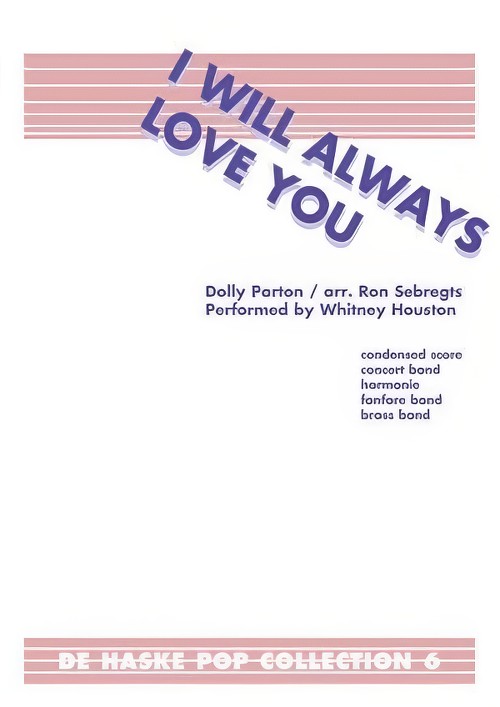
I Will Always Love You (Brass Band - Score and Parts) - Parton, Dolly - Sebregts, Ron
The title song to the 1992 film The Bodyguard, I Will Always Love You, written by Dolly Parton and sung by Whitney Houston spent over 10 weeks at number one in the UK charts. The beautiful ballad has been sensitively arrangement for brass band and is sure to be a big hit with both musicians and audiences.Duration: 3:30
Estimated dispatch 7-14 working days
-
 £54.99
Heal the World (Brass Band - Score and Parts) - Jackson, Michael - Sebregts, Ron
Michael Jackson, the King of Pop, died in Los Angeles on June 25th 2009. He can without any shadow of a doubt be compared with artists such as Elvis Presley, Jimi Hendrix, and John Lennon - all of them musicians who will never die in the hearts of their fans. Why not keep the legend of Michael Jackson alive in your next concert with this hit from Michael Jackson's repertoire arranged for Brass Band.Duration: 4:45
Estimated dispatch 7-14 working days
 View Music