Results
-
 £39.99
Come What May
ABOUT THIS PIECE: Add a touch of romance and drama to your next programme with this beautiful arrangement of Come What May from Moulin Rouge. Written by David Baerwald and Kevin Gilbert, this emotional ballad became the standout love song of the 2001 film, performed by Nicole Kidman and Ewan McGregor. Its heartfelt lyrics and sweeping melody have made it a timeless classic, celebrated by audiences around the world. This arrangement brings the song's emotional depth and cinematic grandeur to the brass band stage, with solo opportunities for tenor horn, cornet and euphonium. With its soaring themes and tender undertones, Come What May is a fantastic showcase of the band's ability to convey both power and sensitivity. ENSEMBLE: Standard British Brass Band WHEN YOU BUY THIS PRODUCT, YOU GET: High-quality printed score and parts LEVEL: 2 LISTEN: Click here DURATION: 5 minutesEXAMPLE SCORE: Click here LEVEL GUIDE: Level 1- Accessible to all Level 2 - c. UK third section and higher Level 3 - c. UK second section and higher Level 4 - c. UK first section and higher Level 5 - c. UK championship section level
Estimated dispatch 5-7 working days
-
 £38.00
Monteverdi Three Miniatures
ABOUT THIS PIECE: Monteverdi - Three Miniatures, is an engaging and educational brass band arrangement by Adam Taylor, originally composed for the British Open Youth Brass Band Contest at the Guild 2015. This piece masterfully reimagines themes from the works of Claudio Monteverdi, presenting them in a contemporary style that's both accessible and inspiring for modern brass ensembles. Ideal for youth bands and ensembles looking to explore early music in a fresh format, Monteverdi - Three Miniatures offers flexibility and creativity. The arrangement includes adaptable tempos to match your interpretation, a featured duet with parts available in both Bb and Eb, and written percussion parts that can be expanded with additional instruments or streamlined for smaller sections. Players are encouraged to add their own ornamentation, allowing for personal expression and an authentic touch to the music. With its nod to the grandeur of the late Renaissance and early Baroque periods, this piece serves not only as an excellent concert addition but also as a valuable educational tool, introducing young musicians to Monteverdi's timeless work. Dive into this vibrant arrangement and bring the essence of Monteverdi's genius to your next performance. ENSEMBLE: Standard British Brass Band (with adaptations) WHEN YOU BUY THIS PRODUCT, YOU GET: High-quality printed score and parts LEVEL: 1 LISTEN: Click here DURATION: 5-minutes, 30-secondsEXAMPLE SCORE: Click here LEVEL GUIDE: Level 1- Accessible to all Level 2 - c. UK third section and higher Level 3 - c. UK second section and higher Level 4 - c. UK first section and higher Level 5 - c. UK championship section level
Estimated dispatch 5-7 working days
-
 £55.00
Mary Did You Know?
ABOUT THIS PIECE: Upon being asked to write a Christmas musical for his church, Mark Lowry penned a series of monologues based on Christmas Songs including a conversation with Mary about the birth and life of her Son, Jesus. Lowry worked on the lyrics for years until he approached southern gospel singer-songwriter and harmonica player, Buddy Greene. Greene agreed to pen music for his words, completing the instrumentation within a few days. The result is this new-age Christmas classic: 'Mary Did You Know". ENSEMBLE: Standard British Brass Band WHEN YOU BUY THIS PRODUCT, YOU GET: High-quality printed score and parts LEVEL: 2 LISTEN: Listen here DURATION: 4-minutes 30-secondsEXAMPLE SCORE: Click here LEVEL GUIDE: Level 1- Accessible to all Level 2 - c. UK third section and higher Level 3 - c. UK second section and higher Level 4 - c. UK first section and higher Level 5 - c. UK championship section level .
Estimated dispatch 5-7 working days
-
 £55.00
Don't Rain on my Parade
ABOUT THIS PIECE: Add a touch of Broadway magic to your programme with this stunning arrangement of Don't Rain on My Parade. Originally performed by Barbra Streisand in the classic musical Funny Girl, this song has become synonymous with bold, confident performances and a spirit of resilience. Perfect for energising any concert programme, this arrangement maintains the song's signature flair and dynamic intensity, capturing the essence that has made it a favourite for generations. This piece is sure to captivate audiences and bring a sense of theatrical excitement to your performance. ENSEMBLE: Standard British Brass Band WHEN YOU BUY THIS PRODUCT, YOU GET: High-quality printed score and parts LEVEL: 3 LISTEN: Click here DURATION: 3-minsEXAMPLE SCORE Click here LEVEL GUIDE: Level 1- Accessible to all Level 2 - c. UK third section and higher Level 3 - c. UK second section and higher Level 4 - c. UK first section and higher Level 5 - c. UK championship section level
Estimated dispatch 5-7 working days
-
 £40.00
A Christmas Festival. Leroy Anderson arranged for brass band by Andrew Duncan
Originally composed in 1950 for Arthur Fiedler's Boston Pops Orchestra, A Christmas Festival is the most famous Christmas medley of all. Leroy Anderson's sparkling selection includes Joy to the World, Deck the Halls, God Rest Ye Merry Gentlemen, Good King Wenceslas and Hark the Herald Angels Sing. Brass Band Grade 4: Advanced Youth and 3rd Section. Duration: 7 minutes.
-
 £30.00
Tewkesbury March. Andrew Duncan
Recommended for - Suitable for all bands Tewkesbury march was written for the 30th anniversary celebrations of the Tewkesbury Town band in 2004. This march is suitable for most bands to play. Includes score & parts
-
 £50.00
A Christmas Festival. Leroy Anderson arranged by Andrew Duncan
A Christmas Festival is the most famous Christmas medley of all and was originally composed in 1950 by Leroy Anderson for Arthur Fiedler's Boston Pops Orchestra. This sparkling selection includes, Joy to the World, Deck the Halls, God Rest ye Merry Gentlemen, Good King Wenceslas and Hark the Herald Angels Sing. Duration 7 Mins. Full score and Parts.
-
£90.00
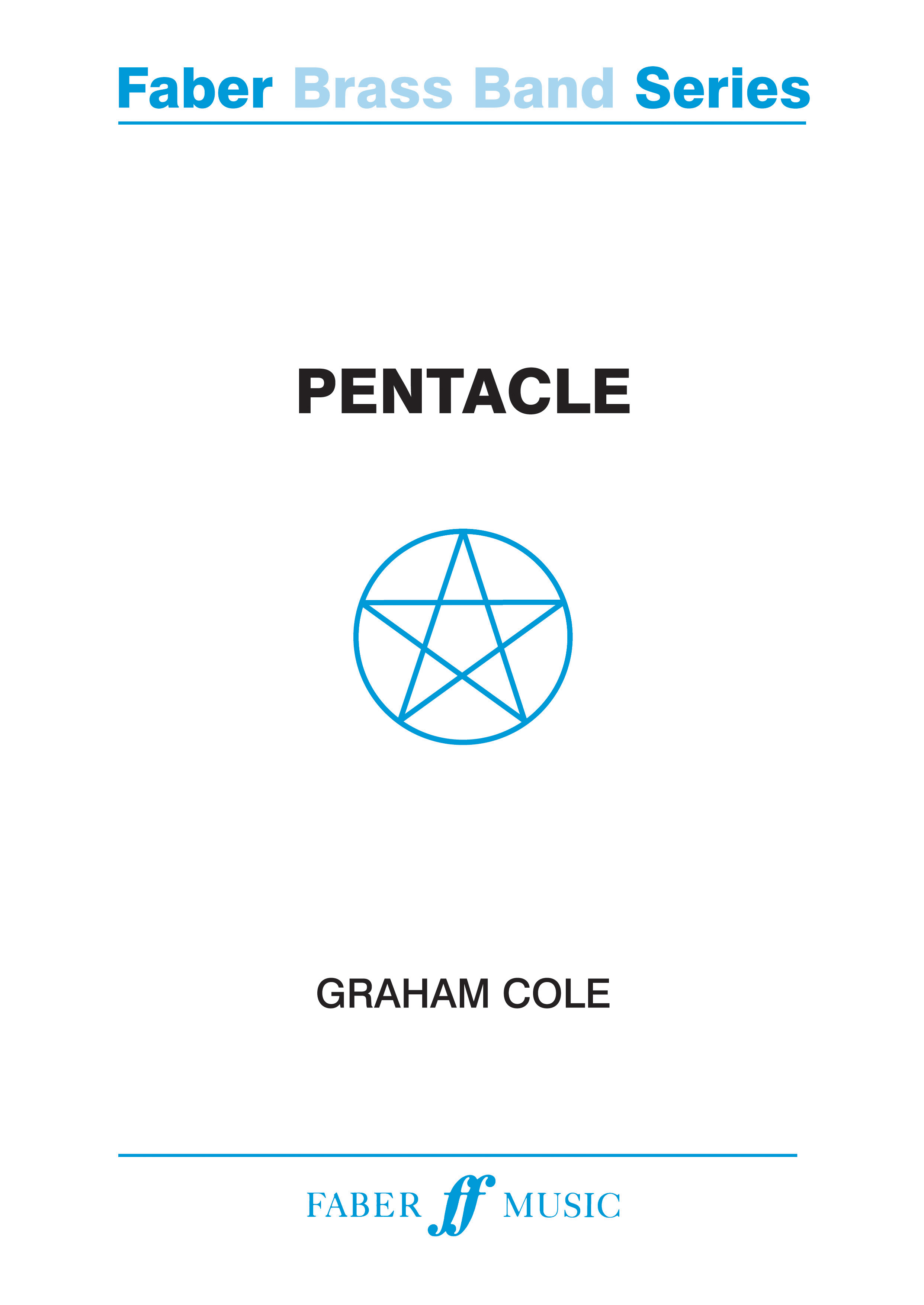
Pentacle (Score & Parts) - Graham Cole
Pentacle was selected as a test piece for the National Brass Band Championships of Great Britain, First Section regional competition in 2009. The Pentacle is an image of an upright five-pointed star drawn inside a circle with a single continuous line making the five points equally spaced. Traditionally, each of the five angles has been attributed to the five metaphysical elements of the ancients. These provide the titles for the five sections of the piece: Earth (representing stability and physical endurance), Wind (representing intelligence and the arts), Fire (representing courage and daring), Water (representing emotions and intuition) and Quintessence (which represents the All and the Divine spirit).Brass Band Grades 1 & 2: Novice and Learner bands.Duration: 13 minutes.
In Stock: Estimated dispatch 1-3 working days
-
£50.00
A Christmas Festival - Leroy Anderson
Originally composed in 1950 for Arthur Fiedler's Boston Pops Orchestra, A Christmas Festival is the most famous Christmas medley of all. Leroy Anderson's sparkling selection includes Joy to the World, Deck the Halls, God Rest Ye Merry Gentlemen, Good King Wenceslas and Hark the Herald Angels Sing.Brass Band Grade 4: Advanced Youth and 3rd Section.Duration: 7 minutes.
In Stock: Estimated dispatch 1-3 working days
-
£50.00
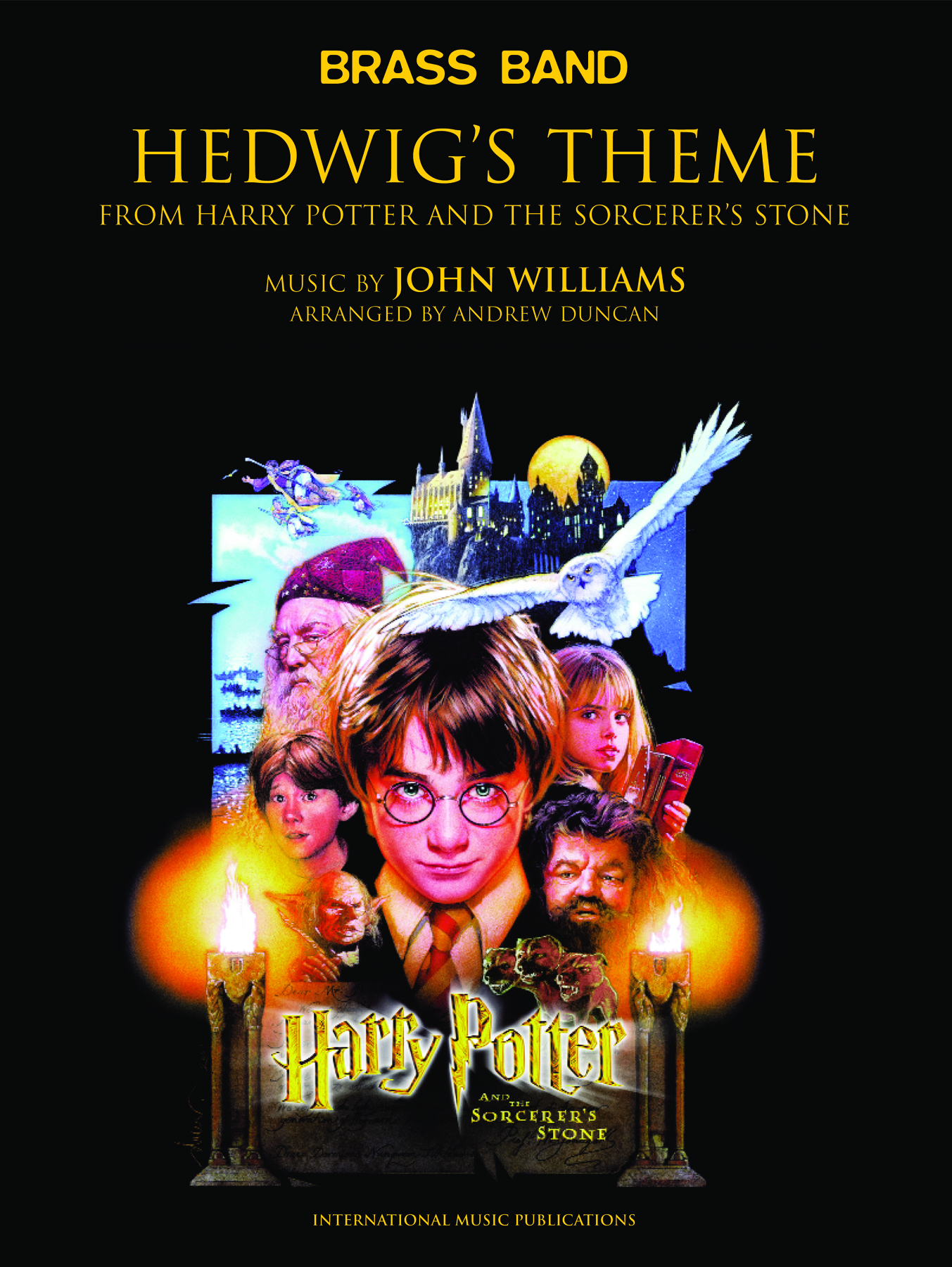
Hedwig's Theme (Score & Parts) - John Williams
Hedwig's Theme, from Harry Potter and the Philosopher's Stone, is probably the most recognisable of all the themes from John Williams' score to the Harry Potter films. The music has been arranged for brass band by Andrew Duncan. Brass Band Grade 4: Advanced Youth and 3rd Section Duration: 5 minutes
In Stock: Estimated dispatch 1-3 working days