
Results
-
 £59.99
Sandstone Centennial (Brass Band - Score and Parts) - Sparke, Philip
Sandstone Centennial was commissioned by the Frodsham Silver Band from north-west England, to celebrate their centenary. The title refers to the fact that Frodsham is situated at one end of The Sandstone Trail, a hiking route which was opened in 1974 and traces a ridge of sandstone. The march is in traditional English 'contest march' style.Duration: 3:15
Estimated dispatch 7-14 working days
-
 £59.99
The Centurion (Brass Band - Score and Parts) - Sparke, Philip
A lively upbeat concert march from the pen of the ever-popular Philip Sparke. The Centurion follows the conventional British march format. It is not technically demanding, yet a successful performance will need skill and commitment from every player in the band. The Centurion will make an ideal opening piece for any indoor or outdoor concert and will be a popular item with both players and audiences alike.Duration: 4:10
Estimated dispatch 7-14 working days
-
 £60.99
Honneur (Brass Band - Score and Parts)
This march attempts to portray the role of Honour as a quality of character using highly energetic rhythms and strong melodic lines. The opening themes, together with those developed in the first section, perfectly reflect this significant human quality. A short bridge passage consisting of a series of sonorous chords played by the higher instruments in the band is soon taken up by the lower sections. The main theme appears in the second part of this march and is a melodic duet for Eb soprano cornet and solo cornet. 04:45
Estimated dispatch 7-14 working days
-
 £28.95
Q.A.V. (Qui Audet Vincit) (Brass Band - Score and Parts) - Wiffin, Rob
Q.A.V. (Qui Audet Vincit) is a spirited conventional march. It was commissioned for the Special Air Service Regiment in 2017. It is in traditional military march form with the principal subject in a minor key. Qui Audet Vincit is Latin for Who Dares Wins, the motto of the SAS.Duration: 3.15
Estimated dispatch 7-14 working days
-
 £56.00
Chicago Tribute (Brass Band - Score and Parts) - Chambers, William Paris - Wilkinson, Keith M.
Chicago Tribune is W. Paris Chambers' most popular march. It is so distinctive, with skilful interplay between melody and countermelody. The march is a bold statement that well represents one of America's great newspapers.
Estimated dispatch 7-14 working days
-
 £92.60
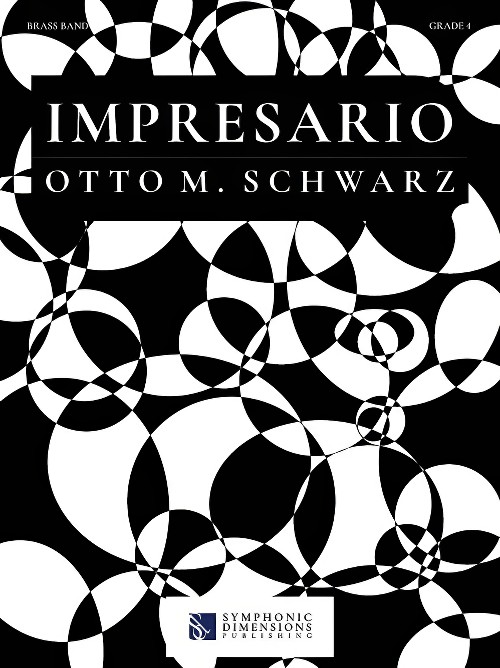
Impresario (Brass Band - Score and Parts) - Schwarz, Otto M.
Impresario is a solemn concert march by Otto M. Schwarz, equally suitable as a work to open a concert or indeed as a finale. The main theme of the first section is processed in different harmonic and rhythmic variations and finally leads to a trio with numerous technical refinements and a catchy melody. This somewhat out-of-the-ordinary concert march in Otto M. Schwarz' well-known style ends with a frenzied finale.Duration: 3.45
Estimated dispatch 7-14 working days
-
 £64.99
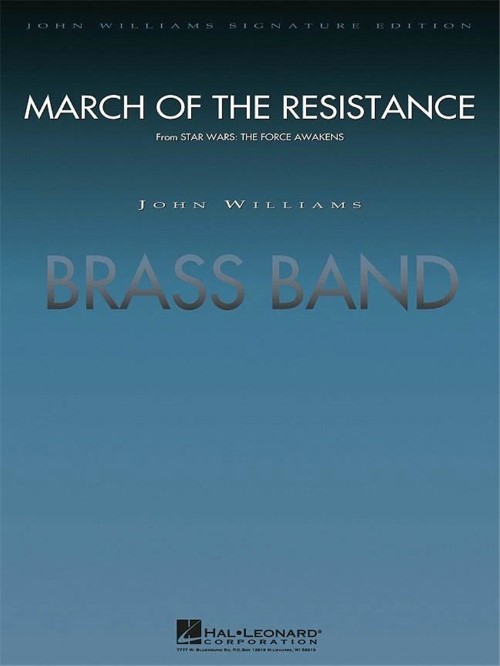
March of the Resistance (Brass Band - Score and Parts) - Williams, John - Sparke, Philip
From the blockbuster film Star Wars: The Force Awakens, John Williams reprises a few earlier themes along with dynamic new material. The memorable March of the Resistance is fittingly dramatic and powerful, and is prominent at key moments inthe movie. Duration: 2.15
Estimated dispatch 7-14 working days
-
 £48.00
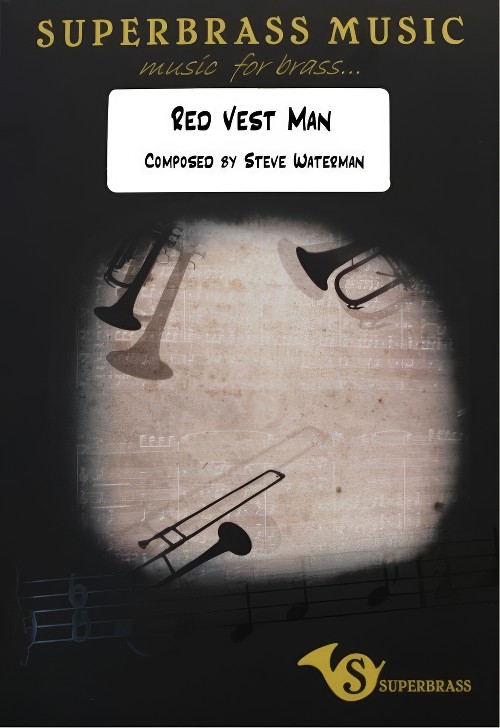
Red Vest Man (Brass Band - Score and Parts) - Waterman, Steve
Red Vest Man was composed as a dedication to cornet player Buddy Bolden, one of the first jazz musicians. He was reputed to always perform wearing a red vest. The piece is a New Orleans funeral march, something Bolden would have been called to do many times in his career. It starts with a slow mournful march, featuring solos from trumpet and trombone and finishes with a joyful 2nd line New Orleans rhythm. Duration: 8.00. Suitable for 2nd Section Bands and above.
Estimated dispatch 7-14 working days
-
£34.95
Choose Freedom (Brass Band - Score and Parts) - Downie, Kenneth
Choose Freedom is largely derived from the composers' own setting of Richard Slater's words, 'Yes, there flows a wondrous river' for SATB choir which was published in The Salvation Army's Choral Festival Series under the title 'The mighty river'.After many allusions to the song, it is eventually stated in full in the trio section. Downie's effective use of varying harmonic colours, unusual instrumental voicings and modal harmonies stand out in this rhythmically diverse march. There are quite a few loud passages in the march so conductors should savour the quieter ones!
Estimated dispatch 7-14 working days
-
£17.50
Choose Freedom (Brass Band - Score only) - Downie, Kenneth
Choose Freedom is largely derived from the composers' own setting of Richard Slater's words, 'Yes, there flows a wondrous river' for SATB choir which was published in The Salvation Army's Choral Festival Series under the title 'The mighty river'.After many allusions to the song, it is eventually stated in full in the trio section. Downie's effective use of varying harmonic colours, unusual instrumental voicings and modal harmonies stand out in this rhythmically diverse march. There are quite a few loud passages in the march so conductors should savour the quieter ones!
Estimated dispatch 7-14 working days
 View Music