
Results
-
 £44.95
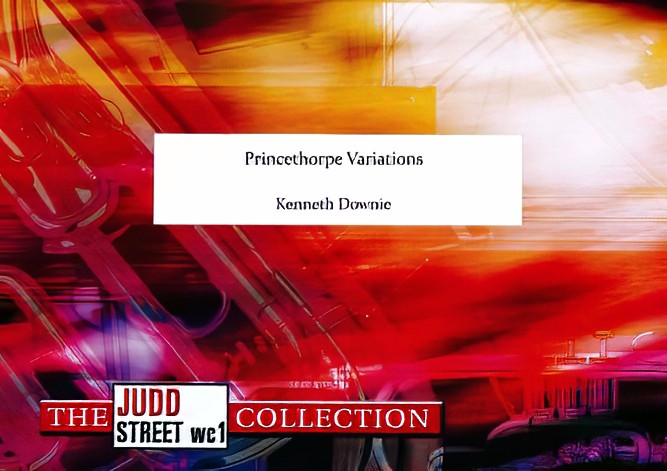
Princethorpe Variations (Brass Band - Score and Parts) - Downie, Kenneth
Colourful harmony, rhythmic flair and melodic invention are the hallmarks of this excellent set of variations by Kenneth Downie, based on the well known church tune, Princethorpe.This major work demonstrates the well-known characteristics of the composer: colourful harmony, rhythmic flair and melodic invention, all encapsulated in scoring which is engulfing both to players and listeners alike. Following a presentation of the theme there are five variations culminating in what can be described as either a finale or coda.Theme. The composer shows his originality in the harmonic sense of this introduction. Perhaps it could be suggested that over-indulgence of rubato may be a temptation to be avoided.Sections A to F. Relentless rhythmic drive is of paramount importance in this first variation. Conscientious observance of dynamics is of course an essential requirement in conveying the exciting quality of the music; there are moments of sudden contrast of which all will need to be aware. Moving between the time-signatures of 5/4 and 6/4 these sections are built from strong easily-identifiable fragments of the theme. These is a significant increase in temp at letter F which will further the exciting impact of the music.Sections G & H. In a pastorale style this short, gentle variation affords a contrast in style between the previous and succeeding ones. The gentle undulating character of the melodic lines is governed by the Allegretto grazioso directive.Sections I to M. Commencing two bars before letter I the music is now exuberant and the tempo and style is that of a march in compound time. In this exhilarating movement there are moments of contrast and indeed of delicacy which are a foil to the more energetic moments. Rhythmic control will be essential to maintain a consistent tempo. As elsewhere in the work, the percussion section will contribute much to the success of the performance there are bars where this section alone is heard and there are important entries for glockenspiel.Sections N & O. With emotional content this Adagio variation has the first two notes of the melody as its melodic impetus. Apart from just over two bars at O (where there is an interpolatory phrase from Cornets and Trombones), the melodic line is entrusted to the plaintive sounds of the horn section. Cornets and Trombones provide a change of tone colour at the beginning of section O. Under a poco rall, this very expressive variation is concluded; there is an important link supplied by Eb Bass.Sections P & Q. A lively march-tempo is launched immediately and these sections are in the nature of an introduction to the final variations. There is a quickening of pace at Q which assists the generation of excitement which should be an essential part of the performance. Solo Cornets introduce a melodic line at Q which anticipates the compound time of the following section.Sections R & S. The Solo Cornet theme of the previous section is now a contrapuntal line accompanying the theme tune. With an elongation of the notes in the melody, the conductor will need to call on the sustaining powers of the band and at no time should the interesting accompanying lines be allowed to detract from the sonorous presentation of the basic theme.Sections T, U & V. Following a poco rit, the finale begins at letter T with the directive, molto vivace. There is much detail to be rehearsed, not least being the dynamic contrasts which are encountered. As throughout the work, the listener should have no difficulty in identifying the thematic sources of the composer's music.
Estimated dispatch 7-14 working days
-
£22.50
Princethorpe Variations (Brass Band - Score only) - Downie, Kenneth
Colourful harmony, rhythmic flair and melodic invention are the hallmarks of this excellent set of variations by Kenneth Downie, based on the well known church tune, Princethorpe.This major work demonstrates the well-known characteristics of the composer: colourful harmony, rhythmic flair and melodic invention, all encapsulated in scoring which is engulfing both to players and listeners alike. Following a presentation of the theme there are five variations culminating in what can be described as either a finale or coda.Theme. The composer shows his originality in the harmonic sense of this introduction. Perhaps it could be suggested that over-indulgence of rubato may be a temptation to be avoided.Sections A to F. Relentless rhythmic drive is of paramount importance in this first variation. Conscientious observance of dynamics is of course an essential requirement in conveying the exciting quality of the music; there are moments of sudden contrast of which all will need to be aware. Moving between the time-signatures of 5/4 and 6/4 these sections are built from strong easily-identifiable fragments of the theme. These is a significant increase in temp at letter F which will further the exciting impact of the music.Sections G & H. In a pastorale style this short, gentle variation affords a contrast in style between the previous and succeeding ones. The gentle undulating character of the melodic lines is governed by the Allegretto grazioso directive.Sections I to M. Commencing two bars before letter I the music is now exuberant and the tempo and style is that of a march in compound time. In this exhilarating movement there are moments of contrast and indeed of delicacy which are a foil to the more energetic moments. Rhythmic control will be essential to maintain a consistent tempo. As elsewhere in the work, the percussion section will contribute much to the success of the performance there are bars where this section alone is heard and there are important entries for glockenspiel.Sections N & O. With emotional content this Adagio variation has the first two notes of the melody as its melodic impetus. Apart from just over two bars at O (where there is an interpolatory phrase from Cornets and Trombones), the melodic line is entrusted to the plaintive sounds of the horn section. Cornets and Trombones provide a change of tone colour at the beginning of section O. Under a poco rall, this very expressive variation is concluded; there is an important link supplied by Eb Bass.Sections P & Q. A lively march-tempo is launched immediately and these sections are in the nature of an introduction to the final variations. There is a quickening of pace at Q which assists the generation of excitement which should be an essential part of the performance. Solo Cornets introduce a melodic line at Q which anticipates the compound time of the following section.Sections R & S. The Solo Cornet theme of the previous section is now a contrapuntal line accompanying the theme tune. With an elongation of the notes in the melody, the conductor will need to call on the sustaining powers of the band and at no time should the interesting accompanying lines be allowed to detract from the sonorous presentation of the basic theme.Sections T, U & V. Following a poco rit, the finale begins at letter T with the directive, molto vivace. There is much detail to be rehearsed, not least being the dynamic contrasts which are encountered. As throughout the work, the listener should have no difficulty in identifying the thematic sources of the composer's music.
Estimated dispatch 7-14 working days
-
 £60.99
Liberty (Brass Band - Score and Parts) - Blanken, John
The traditional concert march Liberty, was composed in 2004 for the brass band Euphonia from Wolvega, the Netherlands. Your band will feel truly liberated with this lively composition.Duration: 4:00
Estimated dispatch 7-14 working days
-
 £50.00
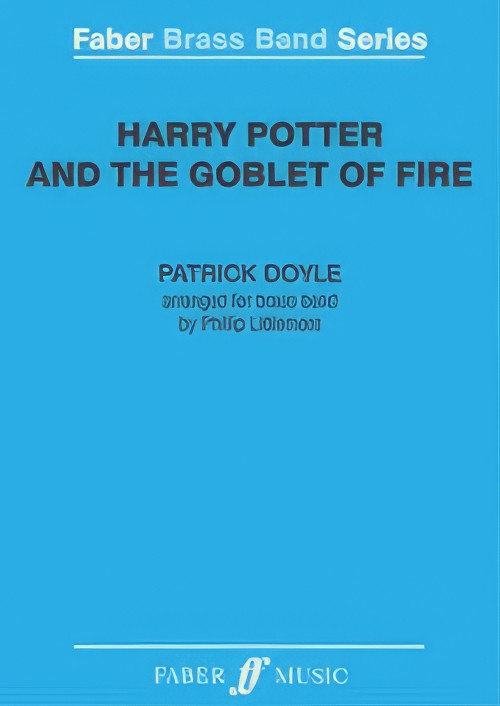
Harry Potter and the Goblet of Fire (Brass Band - Score and Parts) - Doyle, Patrick - Littlemore, Phillip
Harry Potter and The Goblet of Fire is the pivotal fourth novel in the seven-part tale of Harry Potter's training as a wizard and his coming of age. This suite for brass band includes the themes Harry In Winter, The Quidditch World Cup, Hogwarts' Hymn, Hogwarts' March and The Death Of Cedric. Suitable for Advanced Youth/3rd Section Bands and above. Duration: 7.00
Estimated dispatch 7-14 working days
-
 £59.99
Land of Hope and Glory (Brass Band - Score and Parts) - Elgar, Edward - Sparke, Philip
Elgar's five Pomp and Circumstance Marches were written between 1901 and 1930 with number 1 undoubtedly being the most popular of the five. King Edward VII told Elgar that the tune would 'go round the world' if words were fitted to it. Elgar took the hint and included it (with slight rhythmic changes) in his Coronation Ode of 1902, with words by A. C. Benson. Thus was born Land of Hope and Glory which is now, of course, an integral part of the annual Last Night of the Proms, when the audience (with varying degrees of success!) sing the words along to the original march. Now your brass band can enjoy all the pomp and ceremony of proms with this arrangement by Philip Sparke.Duration: 2:30
Estimated dispatch 7-14 working days
-
 £152.99
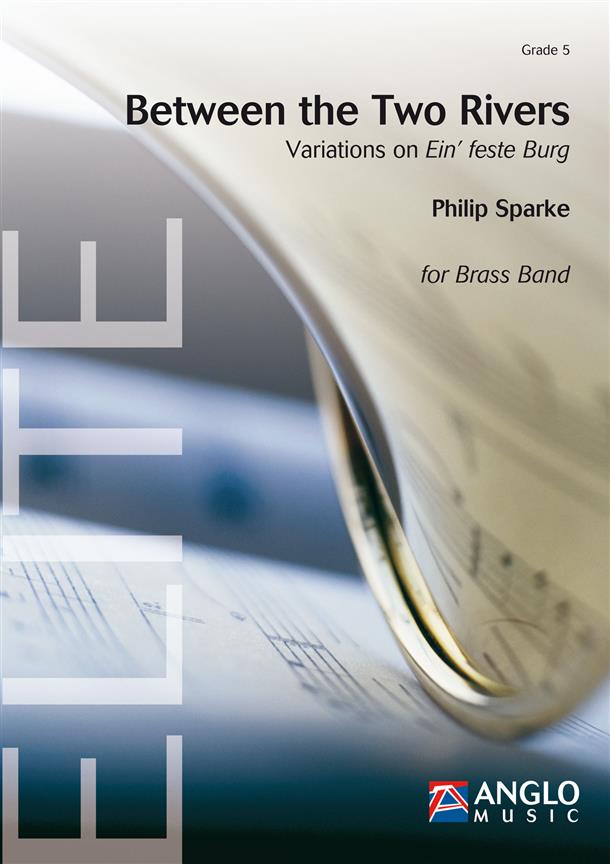
Between the Two Rivers (Brass Band - Score and Parts) - Sparke, Philip
Between the Two Rivers was commissioned by Fanfare Prins Hendrik, from Aalst in the Netherlands. The title derives from the fact that the town of Aalst lies between two tributaries of the River Dommel. The community is a highly religious one, so the famous Luther chorale, Ein' Feste Burg, was an obvious choice for Philip Sparke to use as the theme for this new work. It takes the form of a theme with four contrasting variations. Variation 1 is a moto perpetuo, variation 2 has a slower march like feel, variation 3 is a sinister slow movement and the final variation is in the form of a lyrical fugue. Between The Two Rivers is sure to become a major work in modern brass band repertoire.Duration: 15:00
Estimated dispatch 7-14 working days
-
 £69.99
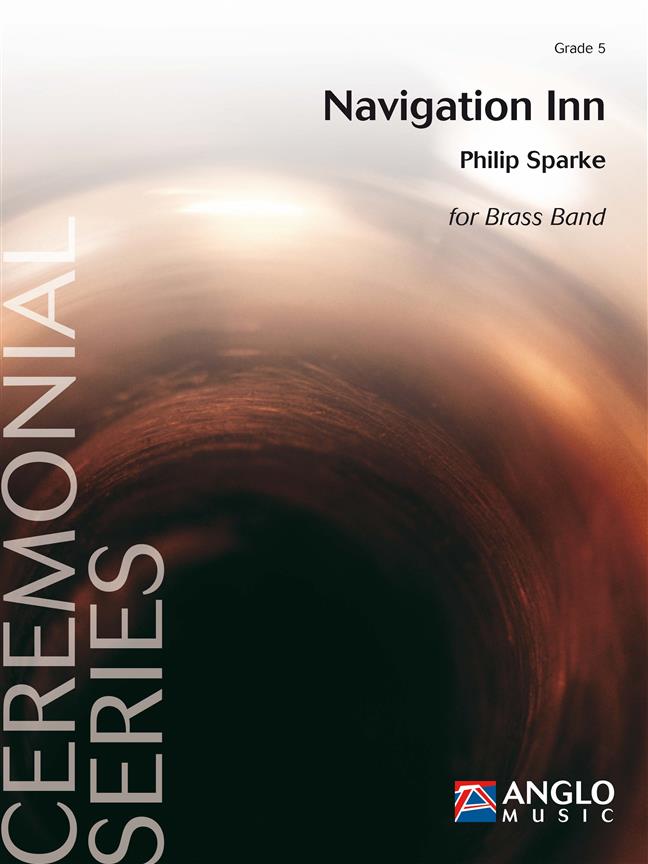
Navigation Inn (Brass Band - Score and Parts) - Sparke, Philip
Navigation Inn was originally written to celebrate one of the most popular events in the brass band calendar - the Whit Friday marches. The Navigation Inn is a pub which is a popular meeting place for bandsmen and which celebrates the love of brass bands with mementos and historic photographs on the walls. This lively piece in the style of a traditional contest-style march will bring a great sense of tradition to any concert.Duration: 3.15
Estimated dispatch 7-14 working days
-
 £54.99
Century Explorer (Brass Band - Score and Parts) - Barry, Darrol
Concert March - Commisioned by The Ellenbrook & Boothstown Band. Duration: 03:40
Estimated dispatch 7-14 working days
-
 £54.99
Church Walk (Brass Band - Score and Parts) - Kerwin, Simon
Concert March - For Eric Parkin for 35 years of service with Stalybridge Band. Duration: 03:15
Estimated dispatch 7-14 working days
-
 £60.99
Arsenal (Brass Band - Score and Parts) - Van der Roost, Jan
Arsenal was composed for the 50th anniversary of the 'Harmonie van het Spoorwegarsenaal'[railroad arsenal], based in Mechelen (Belgium). Rather a stately concert march, it has beautiful themes and a broad melody in the trio. It was premiered in the Mechelen Cultural Center on the 11th of May 1996 during the solemn ceremony, opening the anniversary year and conducted by the composer. In the mean time, Arsenal has been recorded several times by such renowed performers like the Tokyo Kosei Wind Orchestra, the Black Dyke Brass Band etc.Duration: 3:30
Estimated dispatch 7-14 working days
 View Music