
Results
-
£37.50
Brass Monkey's Classical - Gavin Somerset
This release from the 'Brass Monkeys' series introduces your training band to some of the best-loved classical music around. Each piece contains a different challenge and something new to learn. With an opening from Clarke, marches from Tchaikovsky & Elgar, a lullaby from Brahms and memorable music from Dvorak & Holst, this is the perfect way for your learners to start playing some of the world's most famous melodies. The music in this publication is also a great way for your training band to join in on concerts with the senior band. This final item, 'Jupiter' from Holst's 'The Planets' has as well as the main melody, an optional, slightly more difficult section so the players have something to work towards even after conquering the main bulk of the work. Music included isaATRUMPET VOLUNTARY (Prince Of Denmark's March)MARCH SLAVEGOOD EVENING, GOOD NIGHT (Brahms' Lullaby)LARGO (From The 'New World Symphony')POMP & CIRCUMSTANCE No.1 (Land Of Hope & Glory)JUPITER (From 'The Planets')
In Stock: Estimated dispatch 1-3 working days
-
 £37.50
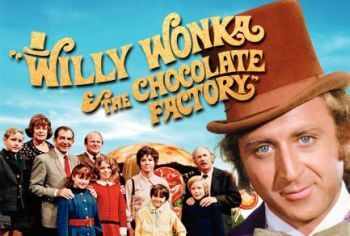
Willy Wonka (Selections From) - Leslie Bricusse & Anthony Newman - Gavin Somerset
Few people have not seen the 1971 film starring Gene Wilder as the eccentric chocolatier, offering tours of his chocolate factory to those lucky enough to find the hidden golden ticket. Whilst initialy a box office failure, the film went on to become a favourite in households across the world, years after its initial release. Now for the first time, your band can enjoy the music from the film in this selection that includes 'Golden Ticket', 'The Candy Man' and of course, the unforgettable 'Pure Imagination'. The music of Leslie Bricusse & Anthony Newley has been a hit for many years and continues to make TV and radio appearances. 'The Candy Man' was perhaps best known when covered by Sammy Davis Jr where it made it to number one in the USA. 'Pure Imagination' has been used countless times in adverts in the media and more recently, recorded by Jamie Callum for his album 'Momentum'. 'Pure Imagination' can also be performed as a stand-alone item. This is truly an all-time classic filled with a feast of musical variety that fits well into just about any concert. A must for all band libraries. To download the Solo Cornet part, please CLICK HERE . To download the Solo Horn part, please CLICK HERE . To download the Solo Euphonium part, please CLICK HERE . To download the playback audio to play along to, please RIGHT CLICK HERE & Save As .
In Stock: Estimated dispatch 1-3 working days
-
 £29.50
Ecstasy Of Gold - Ennio Morricone - Andi Cook
This energetic piece, one of the many qualities of Ennio Morricone's music, has recently been brought back into the public eye with its use in the new 'Health Lottery" Adverts and many other TV appearances. The music comes from the iconic picture "The Good, The Bad & The Ugly" while the character Tuco searches for the $200,000 hidden in a graveyard. Since then, its been a hit world wide, being used in several media campaigns. its success can be attributed to the strong, powerful melody that last long in the memory. Now for the first time, arranged for band by Andi Cook, the brass band can enjoy the powerful piece that follows its delicate opening for Solo Horn. To download the Solo Cornet part, please CLICK HERE . To download the Solo Horn part, please CLICK HERE . To download the Solo Euphonium part, please CLICK HERE . To download the playback audio to play along to, please RIGHT CLICK HERE & Save As .
In Stock: Estimated dispatch 1-3 working days
-
 £44.50
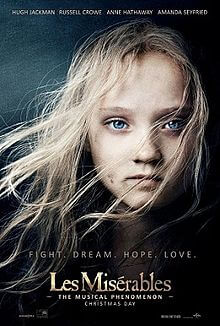
Les Miserables (Concert Suite) - Alain Boublil and Claude-Michel Schonberg - Gavin Somerset
Based on the book by Victor Hugo, Les Misrables has been entertaining audiences around the world since its first performance in London in 1985. Whilst the initial critical reviews were not favourable, the paying public disagreed and the success of the West End musical led to a Broadway production. The show had a big revival in 2012 with the release of the hit film. In this new specially arranged Concert Suite, which features a built in encore - the Epilogue to the show (should you wish to use it) and an optional cut omitting the more difficult sections (making the work accessible to lower section bands), this work gives your band the chance to bring a touch of Broadway to your audience. The Suite features the Prologue, On My Own, Bring Him Home, Master of the House, One Day More & Can You Hear The People Sing? A great audience pleaser and grand concert or contest work that belongs in every bands library.
In Stock: Estimated dispatch 1-3 working days
-
 £37.50
Bless 'Em All - Various - Gavin Somerset
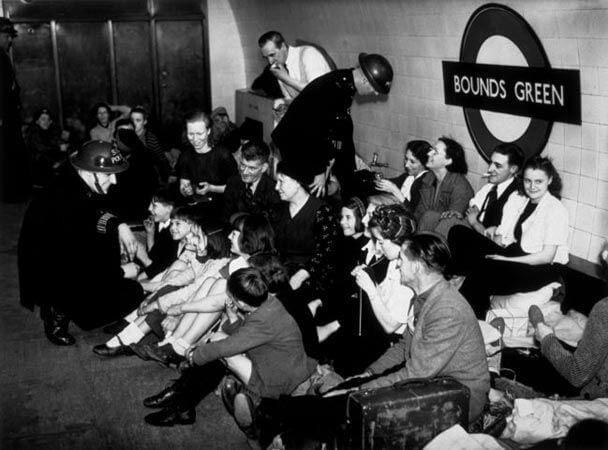
Keeping spirits high during World War II was essential, and music played a huge part. Darrol Barry's excellent arrangement 'Keep Smiling Through' has been pleasing audiences for years and can probably be found in most brass bands libraries across the country. This latest release of popular war time songs including 'Wish Me Luck, As You Wave Me Goodbye', 'We're Going To Hang Out The Washing', 'Kiss Me Goodnight Sgt. Major', 'Good Morning', 'Bless 'Em All' and the highlight of the piece, the slow, hair raising middle movement 'Apple Blossom Time', was originally released to coincide with the 70th Anniversary of the Battle Of Britain. All of these songs were sung as the London population camped out in the underground stations. This arrangement will get the feet tapping as audiences sing along to the lively pieces and then sends shivers down their spines with the gorgeous 'Apple Blossom Time' featuring in the middle of the medley. This is a piece not to be missed and should belong in all bands libraries.
In Stock: Estimated dispatch 1-3 working days
-
 £24.50
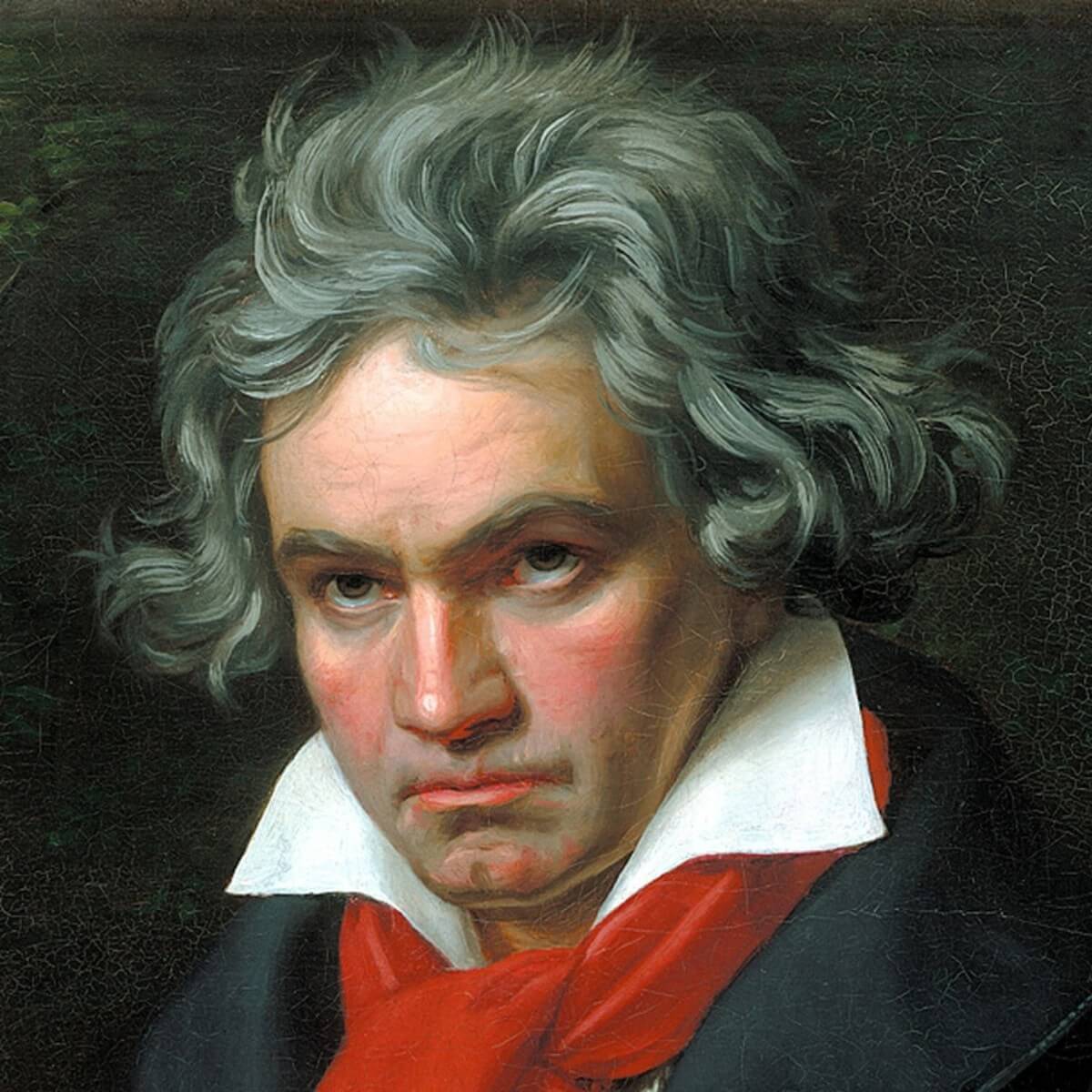
Symphony No.1 (1st Mov.) - Beethoven - Julian M Blakestone
When Beethoven's First Symphony was premiered on April 2 1800, the audience was baffled by the audacity of its composer. Although the work seems, to late 20th century ears, to be little different from the late symphonies of Mozart and especially Haydn. The very opening bars gave notice to the musical world that here was a composer to be watched. Now the first movement has been arranged for full brass band, making the perfect alternative to an overture at a concert.
In Stock: Estimated dispatch 1-3 working days
-
£24.50
Sobre Las Olas - Juventino Rosas - Chris Gorman
This is possibly one of the best-known tunes around the world and is speculated to heard in more motion pictures than any other song. However, if you asked someone to "name that tune", then most would probably struggle. This classic Waltz has mistakenly in the past thought to be Viennese and has frequently thought to be the work of Johann Strauss II. The music is the most famous work of the composer and has long been associated in the US with fair ground rides and trapeze artists. This arrangement of the original work by Chris Gorman makes a perfect classical "Overture" work for your concert program.
In Stock: Estimated dispatch 1-3 working days
-
 £29.50
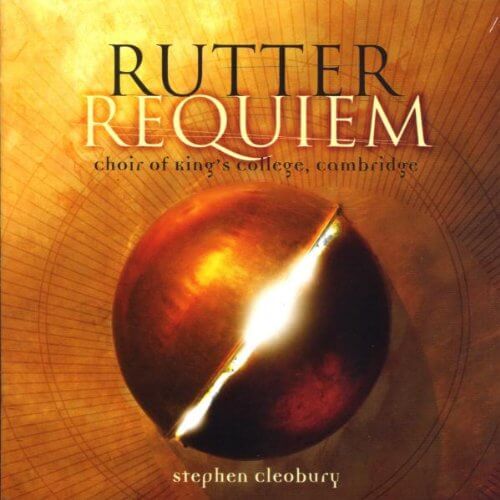
Pie Jesu (From Requiem) - John Rutter - Adam Rutter
John Rutter's music is known across the world for its simplicity and memorable melodies. The 'Pie Jesu' from his requiem is certainly no exception. First performed in Dallas, Texas in 1985, the 6 movements completed Rutter's setting of the Roman Catholic Mass. The third movement (the 'Pie Jesu') is typical of the composer, featuring a strong melody line with subtle accompaniments. Now arranged for Solo Cornet by Adam Rutter, this slow melody allows the soloist to shine in one of the finest and most famous settings of the work to date. A great addition to any concert & soloists repertoire.
In Stock: Estimated dispatch 1-3 working days
-
£24.50
Codebreakers - Len Jenkins
A great march, dedicated to the memory of those who worked at Bletchley Park, Milton Keynes, England, in World War 2. They were under the brilliant leadership of Alan Turing and were responsible for breaking the secret military codes used by the Enemy Forces (German in particular). The composer, Len Jenkins, lives close to Bletchley Park, went to school even closer, and attended Training Courses actually in 'The Park'. The march has memorable themes and is toe tapping for the audience.
In Stock: Estimated dispatch 1-3 working days
-
£24.50
Hut Six - Len Jenkins
A great march (perfect for contests such as whit Fridays) dedicated to the memory of those who worked at Bletchley Park, Milton Keynes, England, in World War 2. They were under the brilliant leadership of Alan Turing and were responsible for breaking the secret military codes used by the Enemy Forces (German in particular). The composer, Len Jenkins, lives close to Bletchley Park, went to school even closer, and attended Training Courses actually in 'The Park'. The march has memorable themes and is toe tapping for the audience.
In Stock: Estimated dispatch 1-3 working days
 View Music