
Results
-
£44.50
Marianne - Martin Bunce
Written in 1974, Marianne is a beautifully lyrical flugelhorn ballad by Martin Bunce, now newly arranged by the composer for brass band.Originally written during a particularly romantic period in Bunce's life, the piece was first performed on the BBC Two television programme In Concert by the National Youth Jazz Orchestra, with Martin himself featured as the flugelhorn soloist. A recording was subsequently released by RCA on 45rpm, and Marianne gradually became an established and much-loved part of the NYJO repertoire. It has since appeared on several of the orchestra's recordings, including the four-CD collection The Very Best of NYJO.The melody has also found a home in the brass band world, notably through Maurice Murphy's recording with the Leyland Band on The Lighter Side of Maurice Murphy. This new brass band arrangement places the flugelhorn's distinctive warm and mellow tone firmly at the heart of the music, supported by sympathetic and accessible scoring throughout the band.Neither the solo part nor the accompaniment is excessively demanding, making Marianne an excellent choice for a wide range of bands and an ideal contrast item for concert programmes. Warm, expressive and immediately appealing, it offers the flugelhorn soloist an opportunity to shine while giving audiences a memorable melody to take away.A charming addition to any brass band library, Marianne is particularly well suited to concerts, solo features and lighter programmes.
In Stock: Estimated dispatch 1-3 working days
-
 £29.50
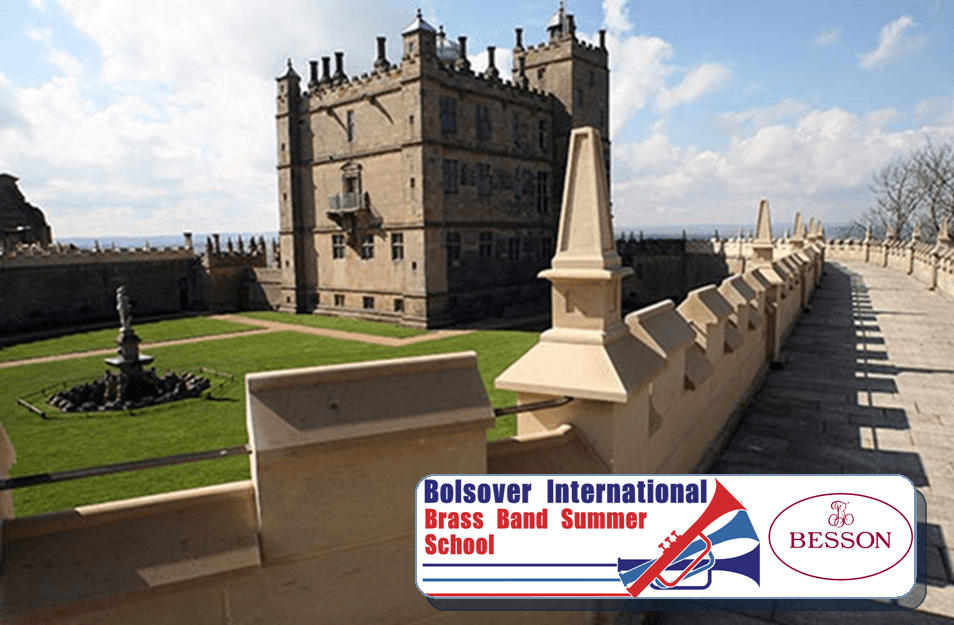
Bolsover Castle - Gavin Somerset
This work was commissioned by the Bolsover International Brass Band Summer School in memory of David Morris, a valued member of both the Summer School and Festival of Brass team. The light-hearted, traditional style March is playable by most levels of bands and following its popularity, has been declared the BIBBSS's signature tune. A donation from each sale of this title is being made to fund the 'Dave Morris Bursary Fund', to aid young people that need financial support to attend the Summer School. Course leader, Steven Mead describes the work as, "A really outstanding composition, based on the traditional March format, but with a freshness and excellent thematic material. It is a brisk march in 6/8 that is a delight to play and to listen to."
In Stock: Estimated dispatch 1-3 working days
-
 £44.50
Chicago (Highlights from) - Fred Ebb - Iain McKnight
The music from the 1975 musical by Fred Ebb, with lyrics by John Kander, is ranked up there with the best musicals of all time. Whilst the original Broadway production only ran for a couple of years, Chicago was revived in 1996. Following this new lease of life, the show continues to run to this day and has enjoyed over 7,000 performances on Broadway. In the first arrangement of its kind for brass band, this new 'Highlights from Chicago' has been made especially for the Leyland Band to feature on their new upcoming CD. Expertly arranged by Iain McKnight, the work features, 'The Overture', 'And All That Jazz', 'Nowadays' and 'Hot Honey Rag'. Sure to be a hit with all who play it, the music appeals to audiences of all ages and is a great concert item that will suit both outdoor and indoor concert events. Not to be missed.
In Stock: Estimated dispatch 1-3 working days
-
£29.50
Have Yourself A Merry Little Christmas - Hugh Martin & Ralph lane - Hannah Hawken
Some musical numbers require little introduction and the hit that is 'Have Yourself A Merry Little Christmas' has been entertaining audiences since its first appearance back in 1944. Original sung by Julie Garland in the MGM musical 'Meet Me In St. Louis', the song was later revised and re-recorded. It was this second incarnation that is the popular song that we know today. Christmas solos are a novelty and now, arranged by Hannah Hawkden, this lovely little number fits perfectly into any Christmas concert giving your band and audience something fresh this year.
In Stock: Estimated dispatch 1-3 working days
-
 £29.50
Only You - Vincent Clarke - Andrew Keegan
Originally beginning life as a joke item, this track was to feature on Kylie Minogue's 2015 Christmas album. James Corden & Kylie Minogue have been good friends since hosting the BRIT awards in 2009 and upon completing the recording, record producers took a liking to it and elevated the song to single status. The piece makes a great cornet/horn duet and although was initially released for a Christmas album, it is not a Christmas song. Light accompaniments and a simple, beautiful melody ensure this new duet will be a hit with players and audiences alike. *Soprano Cornet solo part included as an extra to perform as a Soprano/Horn Duet.
In Stock: Estimated dispatch 1-3 working days
-
 £24.50
Seren Fach - Nigel Lawless
Meaning Little Star, this work is so beautiful and simplistic that is raises smiles from all who hear it. Whilst playing with James Shepherd Versatile Brass, Euphonium & trombone player, Nigel Lawless penned this new work as a gift to Rob & Claire Westacott on the birth of their daughter, Jessica. Now cleverly scored for full band, the work combines the two famous melodies of Twinkle, Twinkle Little Star and Brahms lullaby. Playable by most standards of bands, this slow melodic piece fits easily into any concert programme and provides a chance to showcase lyrical soloistic playing and delicate accompanying skills. The work was recorded on the JSVB final CD release, Legacy.
In Stock: Estimated dispatch 1-3 working days
-
 £29.50
Three Lions - Baddiel & Skinner - Gavin Somerset
With the European Championships this Summer, the England football team's biggest ever anthem is a great feel good piece to get your audiences in the mood. With lyrics written by comedians David Baddiel and Frank Skinner, the music was composed by the rock band the Lightning Seeds. It was originally released back in 1996 to mark 'Euro 96' which was hosted in England. This iconic theme is the perfect addition to any programme during a major football competition and is instantly recognisable as one of the most popular pieces of all time. A must for every band's library.
In Stock: Estimated dispatch 1-3 working days
-
 £29.50
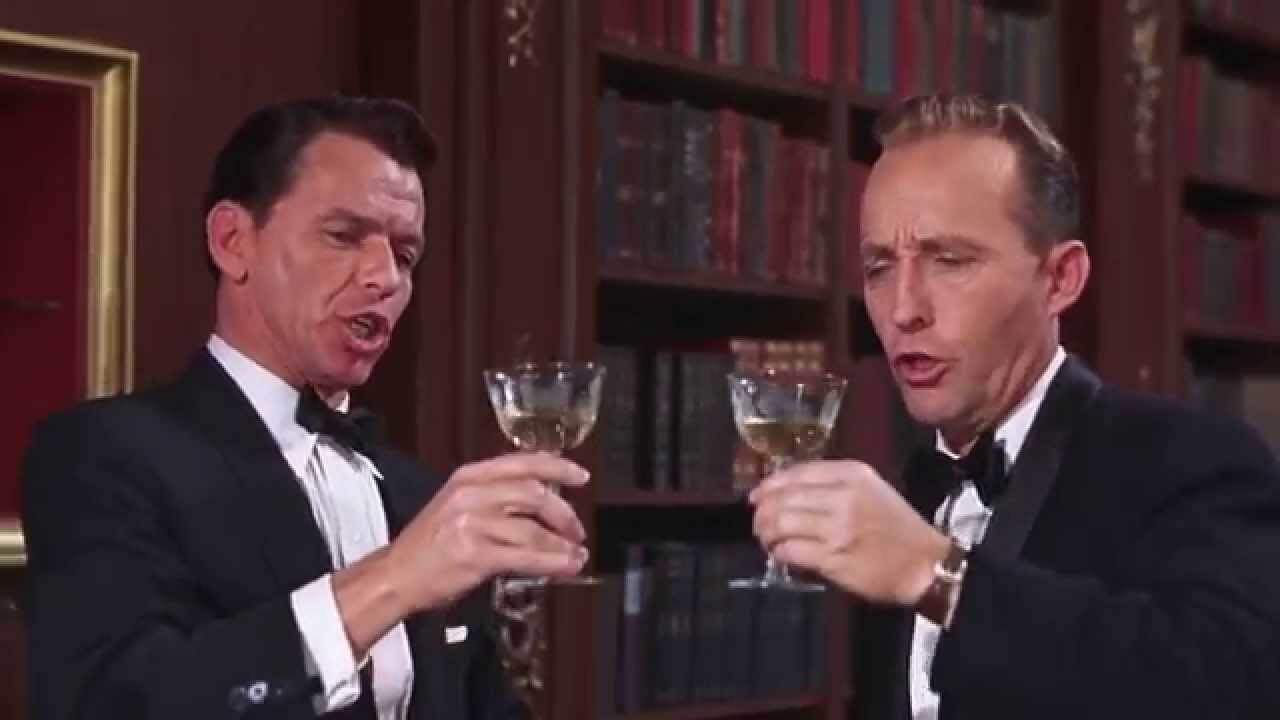
Well Did You Evah! - Cole Porter - Gavin Somerset
This fantastic, high-energy, showcase of a piece was originally composed by Cole Porter for the musical 'Du Barry Was A Lady'. However, it was not until it was performed by Bing Crosby & Frank Sinatra in the film 'High Society' that the piece shot to fame in 1956 and then again in 2001 when Robbie Williams performed the duet with Jon Lovitz on his album 'Swing When Your Winning'. Your band can now faithfully recreate Crosby & Sinatra's clever, comic on screen interaction in this arrangement by Gavin Somerset that is scored as a duet for any two Bb instruments to take the spotlight, or an Eb & Bb instrument. An entertaining piece for the entire band and one your audiences will love! To download the playback audio to play along to, please RIGHT CLICK HERE & Save As .
In Stock: Estimated dispatch 1-3 working days
-
£24.50
Aberystwyth - Joseph Parry - Ben thomas
A beautiful arrangement of the hymn tune Aberystwyth (Jesus, Lover of My Soul), expertly arranged for brass band. The ever popular hymn, Aberystwyth, is number 1 in the 120 hymn tunes for brass band book, and is therefore commonly played by bands as a warm up at the start of rehearsals. The gorgeous harmonies make it perfect to not just be played in the bandroom, but to be heard in all various types of performances, from private concerts, to the contest stage, making it a perfect addition to your band's library!This arrangement was first performed in concert by Northop Community Band in March 2025
In Stock: Estimated dispatch 1-3 working days
-
£29.50
Dance of the Troglodytes - Naomi Styles
If your resident tuned percussionist hasn't had much to do of late, then why not present him or her with Dance of the Troglodytes? While not strictly a xylophone solo, it features this instrument strongly with fast arpeggios over a steady tune that gradually rises in intensity and excitement. 'Dance of the Troglodytes' is one of a modern day 'Carnival of the Animals' - a series of brass band tunes inspired by Christopher Lloyd's book 'What on Earth evolved?' which ranks the species which have most influenced planet Earth. The music celebrates Homo Sapiens, ranked by Lloyd as the 6th most influential species. Emerging from Africa about 160,000 years ago from Homo erectus stock, Homo Sapiens' quick thinking, manual dexterity and increasingly complex tool making skills made it the only surviving human species. Now we humans have spread to every corner of the globe, shaping it through agriculture, transportation and industry. Dance of the Troglodytes echoes the rise of humans as they emerge from primitive life and gradually create the complex world we live in today.
In Stock: Estimated dispatch 1-3 working days
 Listen to MP3
 View Music