
Results
-
Sharpe's Theme - John Tams & Dominic Muldowney - Len Jenkins
"Sharpe" is a popular British series of television dramas starring Sean Bean as Richard Sharpe, a fictional British soldier in the Napoleonic Wars, principally in Spain, Portugal and France. His activities and adventures are based on a number of novels by Bernard Cornwell, which reflect the military campaigns of the Duke of Wellington (as he became) and were filmed mainly in Turkey and Crimea, although some filming was also done in England, Spain and Portugal. This music, composed by John Tams and Dominic Muldowney, contains two aspects of the series; the iconic introductory signature tune and the equally familiar 'Over the Hills and Far Away' originally sung by John Tams (who also acted in the series) which features in the closing scenes of each episode. This arrangement is within the capabilities of a good 4th section brass band.
-
£40.00
Shackleton's Cross - Howard Goodall
Shackleton s Cross was inspired by a painting created in 1957 by the English artist Edward Seago (1910 1974). The title refers to a cross which was erected to the memory of Sir Ernest Shackleton, who led a number of explorations to the Antarctic. Shackleton died in 1922 whilst on a Polar expedition, and the cross can be found on a promontory at the entrance to the bay at Grytviken Whaling Station in South Georgia. The painting is owned by HRH The Duke of Edinburgh, and was part of an exhibition at Buckingham Palace from October 2011 to April 2012.Originally scored for oboe, trumpet and small orchestra, Daniel Hall s sensitive arrangement for trumpet or cornet and brass band follows the composer s alternative version for solo trumpet and organ, created for Crispian Steele-Perkins (trumpet) and David Goode (organ).
In Stock: Estimated dispatch 1-3 working days
-
 £45.00
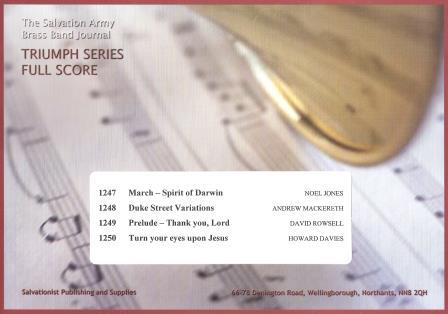
Triumph Series Band Journal March 2014 Numbers 1247-1250
No.1247 March - Spirit of Darwin (Noel Jones)This march was written as a tribute to Majors Hilton and Wilga Morris for the wonderful ministry they provided as reginal officers. It includes two well-known Salvation Army songs; 'Ever is the War Cry, Victory, Victory!' and'O My Heart is Full of Music and of Gladness'.No. 1248 Duke Street Variations (Andrew Mackereth)A set of variations on the well-known tune 'Duke Street', written at the request of Young People's Bandleader Andrew Laird for the centenary weekend of the Clydebank YP Band in 2012. No.1249 Prelude - Thank you, Lord (David Rowsell)A prelude based on the chorus 'Thank you , Lord for saving my soul'.No. 1250 Turn Your Eyes Upon Jesus (Howard Davies)A setting of the well-loved melody 'Turn your eyes upon nJesus', which also incorporates the tune 'Open our eyes, Lord'.
Estimated dispatch 7-14 working days
-
 £12.00
120 Hymns - A4 Parts
INDEX OF HYMNS :AberystwythAbridgeAngelusAureliaAustrian HymnBelmontBlaenwernCarlisleChrist the KingComeCorJesuCorpus ChristiCrimondCross of JesusDarwalls 148thDay of RestDennisDiademDiademataDivine MysteriesDixDominus Regit MeDresden (Wir pflugen)Duke StreetDundee (French)Easter HymnEm' Feste BurgEllacombeEllersEventideFranconiaFrench (Dundee)GeibelGerontiusGopsalHanoverHollingsideHorsleyHursleyHyfrydolInnocentsKocherLaudate DominumLaudes DominiLloydLobe den HerrenLove DivineLux BenignaMaidstoneMannheimMartyrdomMarytonMelcombeMelitaMiles LaneMisericordiaMissionaryMonldandMonks GateMorning HymnMorning LightMoscowMozart (Nottingham)National AnthemNearer, My God, To TheeNicaNottingham (Mozart)Nun DanketOld HundredthPassion ChoralePenlanPentecostPilgrimsPraise, my SoulRedheadRegent SquareRichmondRimmingtonRockinghamSt. AgnesSt. AlbinusSt. AnnSt. BeesSt. CeciliaSt. ClementSt. ColumbaSt. CuthbertSt. DenioSt. EtheiwaldSt. FrancisSt. George,St. GertrudeSt. MagnusSt. MichaelSt. OswaldSt. PeterSt. TheodulphSt. TheresaSamuelSandonSawstonSine NomineStellaStracathroStuttgartTallis' CanonTurns DavidicaVictoryVox DilectiWarehamWarringtonWestminsterWhen He ComethWhitburnWiltshireWir pflugen (Dresden)INDEX OF CAROLS :Angels from the Realms of GloryAs with GladnessAway in a MangerChristians AwakeCoventry Carol, TheDing Dong Merrily on HighDeck the HallsGod Rest ye Merry GentlemenGood King WenceslasGood Christian Men RejoiceHark! The Herald Angels SingHolly and The Ivy, TheI Saw Three ShipsIt Came upon the Midnight ClearJingle BellsNowellO Come All Ye FaithfulO Little Town of BethlehemOnce in Royal David's CityRocking Carol, TheSee Amid the Winter SnowSilent NightUnto us a Child is BornWassailWe Three KingsWe Wish you a Merry ChristmasWhile Shepherds Watched
Estimated dispatch 7-14 working days
-
£10.00
120 Hymns - A5 Parts
INDEX OF HYMNS :AberystwythAbridgeAngelusAureliaAustrian HymnBelmontBlaenwernCarlisleChrist the KingComeCorJesuCorpus ChristiCrimondCross of JesusDarwalls 148thDay of RestDennisDiademDiademataDivine MysteriesDixDominus Regit MeDresden (Wir pflugen)Duke StreetDundee (French)Easter HymnEm' Feste BurgEllacombeEllersEventideFranconiaFrench (Dundee)GeibelGerontiusGopsalHanoverHollingsideHorsleyHursleyHyfrydolInnocentsKocherLaudate DominumLaudes DominiLloydLobe den HerrenLove DivineLux BenignaMaidstoneMannheimMartyrdomMarytonMelcombeMelitaMiles LaneMisericordiaMissionaryMonldandMonks GateMorning HymnMorning LightMoscowMozart (Nottingham)National AnthemNearer, My God, To TheeNicaNottingham (Mozart)Nun DanketOld HundredthPassion ChoralePenlanPentecostPilgrimsPraise, my SoulRedheadRegent SquareRichmondRimmingtonRockinghamSt. AgnesSt. AlbinusSt. AnnSt. BeesSt. CeciliaSt. ClementSt. ColumbaSt. CuthbertSt. DenioSt. EtheiwaldSt. FrancisSt. George,St. GertrudeSt. MagnusSt. MichaelSt. OswaldSt. PeterSt. TheodulphSt. TheresaSamuelSandonSawstonSine NomineStellaStracathroStuttgartTallis' CanonTurns DavidicaVictoryVox DilectiWarehamWarringtonWestminsterWhen He ComethWhitburnWiltshireWir pflugen (Dresden)INDEX OF CAROLS :Angels from the Realms of GloryAs with GladnessAway in a MangerChristians AwakeCoventry Carol, TheDing Dong Merrily on HighDeck the HallsGod Rest ye Merry GentlemenGood King WenceslasGood Christian Men RejoiceHark! The Herald Angels SingHolly and The Ivy, TheI Saw Three ShipsIt Came upon the Midnight ClearJingle BellsNowellO Come All Ye FaithfulO Little Town of BethlehemOnce in Royal David's CityRocking Carol, TheSee Amid the Winter SnowSilent NightUnto us a Child is BornWassailWe Three KingsWe Wish you a Merry ChristmasWhile Shepherds Watched
Estimated dispatch 7-14 working days
-
 £37.95
IN A SENTIMENTAL MOOD (Flugel Horn Solo with Brass Band) - Ellington, Duke - Howarth, Elgar
When Elgar Howarth turns his hand to arranging the music of others you know you are in for a rare treat and this arrangement for flugel horn and brass band of Duke Ellington's classic is just that. Recorded on QPRL010D Firebird. Duration: 3:30.
Estimated dispatch 7-14 working days
-
 £40.00
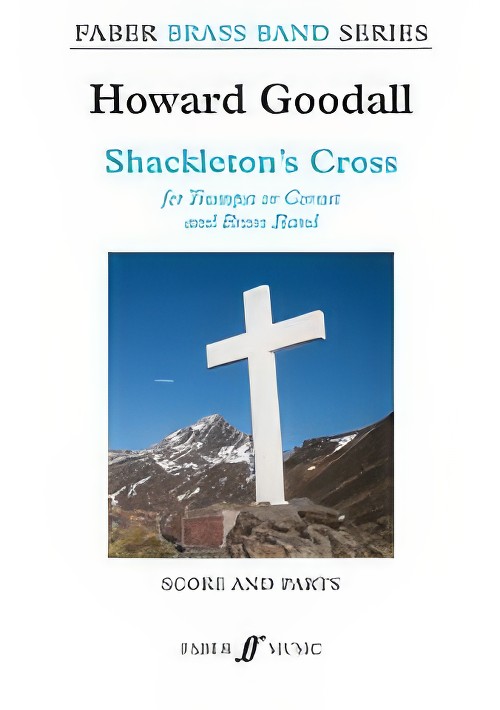
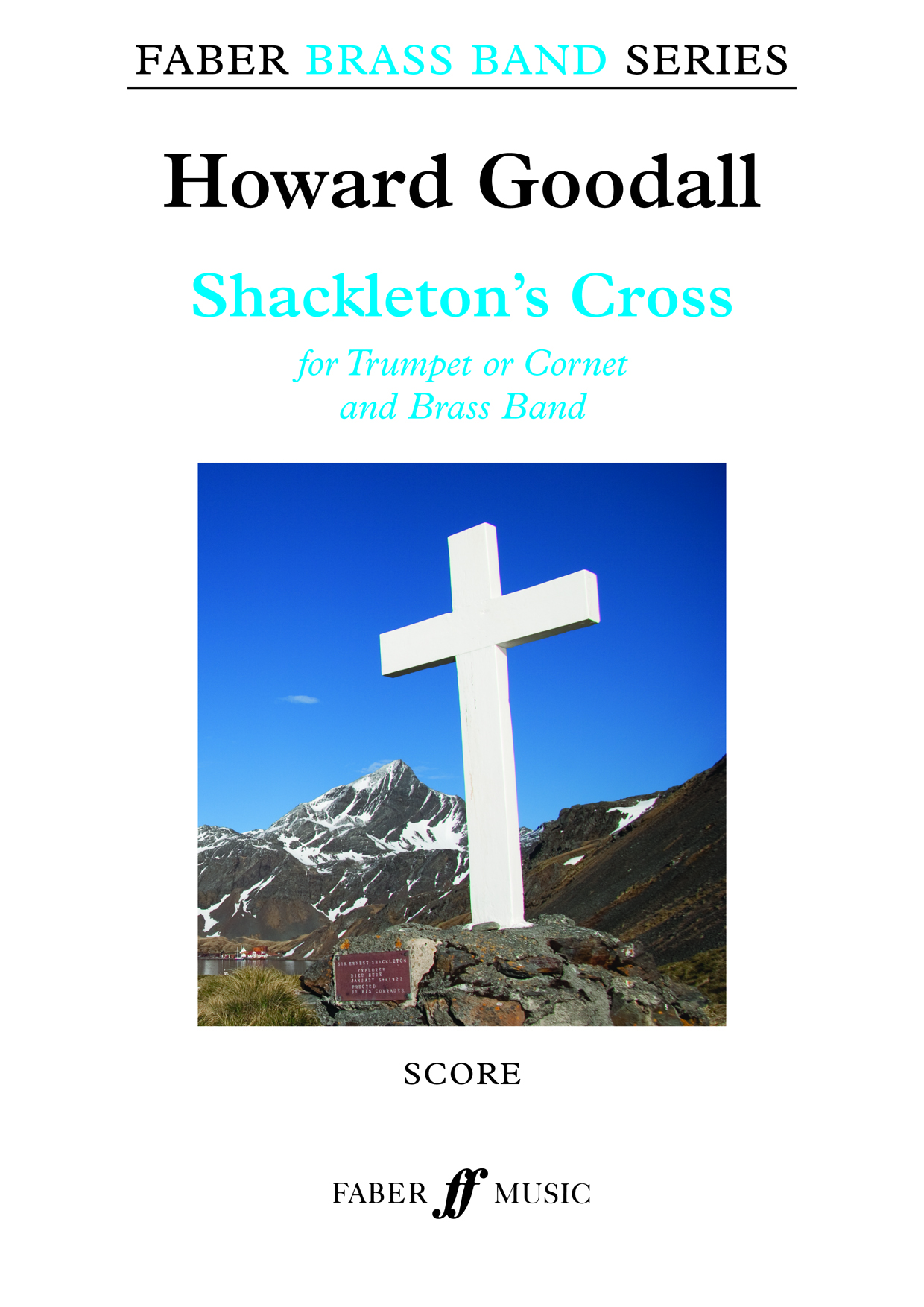
Shackleton's Cross (Cornet Solo with Brass Band - Score and Parts) - Goodall, Howard - Hall, Daniel
Shackleton's Cross was inspired by a painting created in 1957 by the English artist Edward Seago (1910 1974). The title refers to a cross which was erected to the memory of Sir Ernest Shackleton, who led a number of explorations to the Antarctic. Shackleton died in 1922 whilst on a Polar expedition, and the cross can be found on a promontory at the entrance to the bay at Grytviken Whaling Station in South Georgia. The painting is owned by HRH The Duke of Edinburgh, and was part of an exhibition at Buckingham Palace from October 2011 to April 2012. Originally scored for oboe, trumpet and small orchestra, Daniel Hall's sensitive arrangement for trumpet or cornet and brass band follows the composer's alternative version for solo trumpet and organ, created for Crispian Steele-Perkins (trumpet) and David Goode (organ). Duration: 5.00
Estimated dispatch 7-14 working days
-
 £74.99
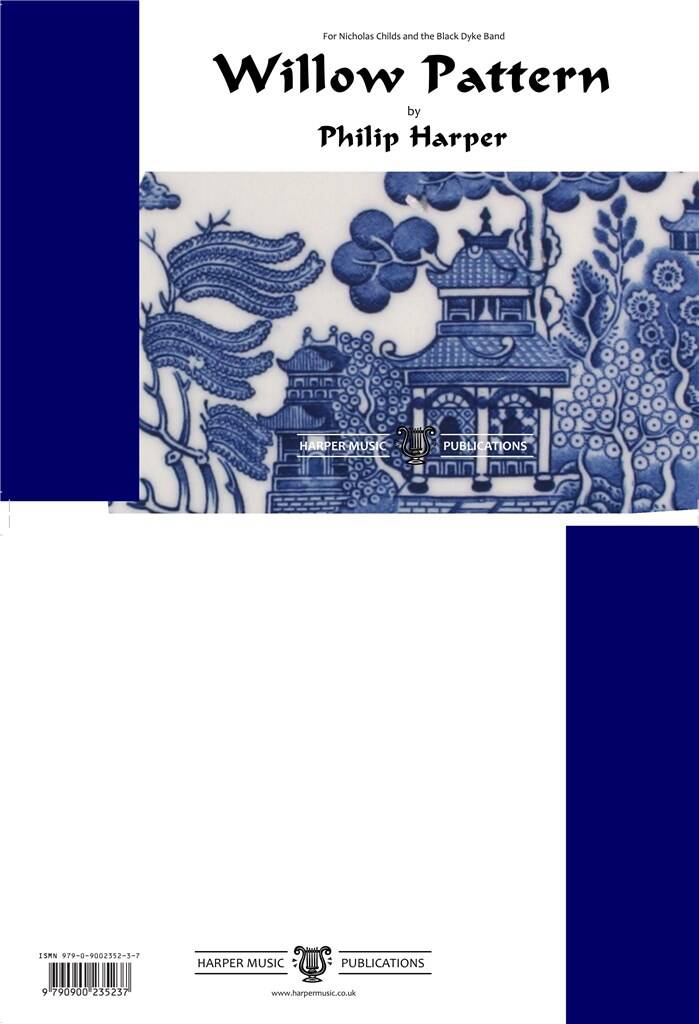
Willow Pattern - Philip Harper
Composed in 2009 for Nicholas Childs and the Black Dyke BandThis piece tells the Willow Pattern legend through music. Several leitmotifs are used both for the different characters and also for some of the important emotions in the tale. Additionally, Knoon-se's part is mainly played by the flugel horn, Changby the euphonium, the Mandarin by the Eb Bass and the Duke Ta-jin by the trombone. The Willow Pattern LegendOnce, in ancient China, there lived a wealthy and powerful Mandarin who had a beautiful daughter, Knoon-se. She had fallen in love with Chang, a humble accountant, which angered her father who imprisoned her in the Pavilion by the river with only theexotic birds for company. She learnt that the Mandarin planned to marry her to the pompous Duke Ta-jin and that the wedding would take place on the day the blossom fell from the willow tree, so she sent Chang a message: "Gather thy blossom, ere it bestolen". The Duke arrived by sea amid great fanfare when the tree was heavy with bud, and nights of magnificent banquets followed. After one such occasion when the Mandarin slept, Chang crept over the crooked fence and tiptoed into the Pavilion to rescueKnoon-se, but as they escaped the alarm was raised. They fled over the bridge with the Mandarin close on their heels brandishing his whip.They managed to escape by boat to a secluded island where they lived happily for a time. Meanwhile, the Mandarin learned of their refuge and, intent on revenge, he ordered his soldiers to kill them. As Knoon-se and Chang slept at night, the men setfire to the pagoda in which they lived and the lovers perished in the flames. However, the Gods, moved by the lovers' plight, transformed their souls into two turtle-doves which rose from the charred remains, soaring above the Earth, symbolising eternal happiness. Willow Pattern is dedicated to the memory of Jean Harper who passed away as I was completing the piece and who was a great collector of porcelain and china-ware. NOTES ON PERFORMANCEMute Requirements:Metal mutes soprano cornet, repiano cornet, 2nd cornets, 3rd cornets (6 in total) Cup mutes all cornets and trombones (10 + 3) Harmon mutes soprano cornet, solo cornets, repiano cornet (6) Percussion Requirements:There are two parts for percussion on the score. The minimum requirements are as follows: 2 players - Timpani, 2 Large tom toms, 2 Wood Blocks, Triangle, Sleigh Bells, Whip, Clash Cymbals, Suspended Cymbal, Hi-hat, Glockenspiel, Xylophone, Tam tam (or susp. cym.) For performances with extra resources, and to achieve closer authenticity, the full requirements are as follows: 3 players - Timpani, 3 Taiko Drums played with thick wooden sticks (or Large tom toms), 2 Wood Blocks, Triangle, Chinese Bells (or Sleigh Bells), Whip, Clash Cymbals, Chinese Cymbals (small clash cymbals approx 12"), Suspended Cymbal, Glockenspiel,Xylophone, Tam tam
Estimated dispatch 5-14 working days
-
 £104.99
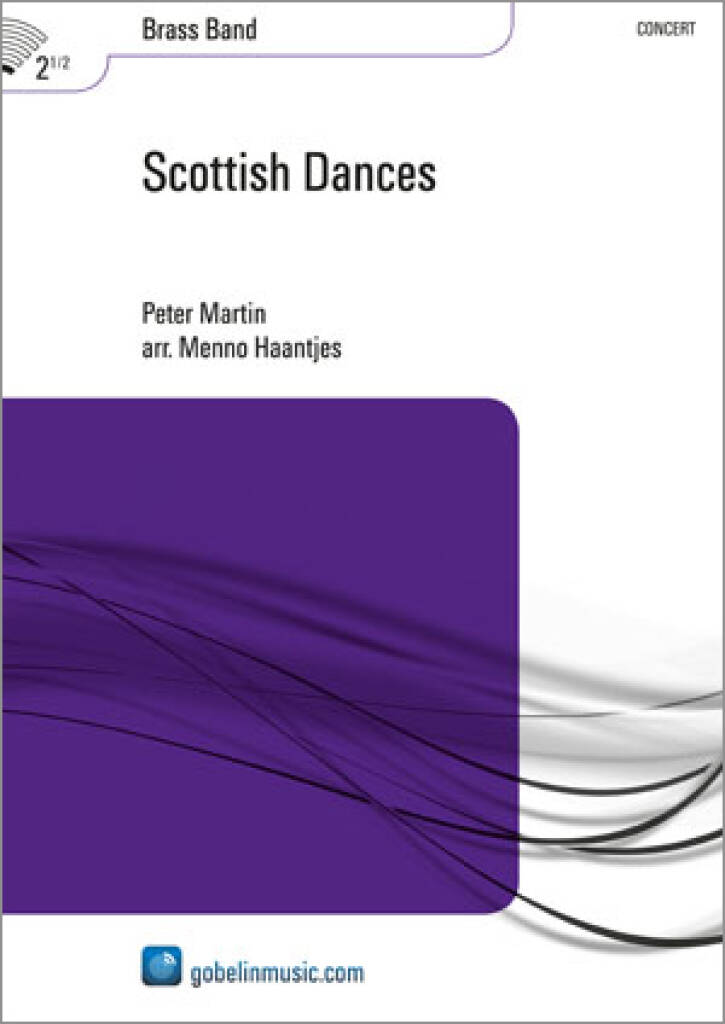
Scottish Dances - Peter Martin - Menno Haantjes
Scottish Dances is based on three Scottish traditionals: Cock of the North, The Bonnie Bank's O'Loch Lomond and Marie's Wedding. I. Cock of the North's name is used for multiple things or events. For example for a locomotive to a famous, it seems, delicious liqueur, and rallies to snowboard competitions. Furthermore is "Cock O' the North " a nickname of a famous Duke. (The 4th Duke of Gordon). In this composition Cock of the North (a Jig) is a traditional Scottish bagpipe tune, regularly played on tattoos by Pipe Bands. Not infrequently the drummers sing the text. Auntie Mary, had a canary, Up the leg of her trousers While she was sleeping Iwas peeping Up the leg of her trousers. II. " The Bonnie Bank's O'Loch Lomond " is about a sad story that took place during an revolt against the British. In 1745 Bonnie Prince Charlie had to retreat. Two of his men were captured. One was convicted and executed, while the other was released. The spirit of the executed soldier would arrive in Scotland via the 'low road' (underworld) before his companion, who had still a long way to go. You'll take the high road And I'll take the low road And I'll be in Scotland afore ye But me and my true love will never meet again On the Bonnie Bonnie Banks of Loch Lomond III. In a Scottish wedding, after the official ceremonies, there is often danced. This is called a ceilidh. For this we use traditional Scottish music such as "Marie's Wedding '. Mid dance we go back to the church, where a lovely song in honor of the couple sounds. Marie's Wedding has been recorded by Van Morrison (among many others). Step we gaely, on we go, heel for heel and toe for toe Arm and arm and on we go, all for Marie's wedding
Estimated dispatch 5-14 working days
-
£47.50
Swingin' Yanks - James L. Hosay
Liberate your brass band with the sounds of 1940's swing! James L. Hosay has combined the styles of WWII era big-band legends Benny Goodman and Duke Ellington with the unmistakable sounds of Glen Miller to create a swingin' swayin' piece you are sure to love. Salute the veterans of WWII with this rip-roaring throwback to the 1940s.
Estimated dispatch 5-14 working days
 View Music