
Results
-
£24.50
Away In A Manger - William Kirtpatrick - Adrian Horn
Probably the most famous of all Christmas carols, this arrangement by Adrian Horn makes this well-loved work sparkle in a whole new light. With repeated bell calls throughout, this piece brings all the sounds of Christmas to you concerts. The melody, entitled "Cradle's Song" composed by the American born composer William J. Kirkpatrick is known worldwide and with this new arrangement, can play a feature role in your Christmas concerts.A
In Stock: Estimated dispatch 1-3 working days
-
£29.50
Brass Monkey's Warm Ups - Gavin Somerset
Warm UpsThe perfect way to get your learners to warm up before a rehearsal. This publication features 4 warm up pieces that get players moving together and listening to the tuning of each other...Ups & DownsCrotchets moving over 4 notes in sections and then the whole band in unison.Scales AwayCrotchet scales that also provide harmonies with each other.Crispy QuaversGet your band playing Quavers together whilst moving over 3 notes.Slide AlongAn exercise requiring very little movement of the fingers, just the lips!These 4 exercises are then followed by 3 hymn tune arrangement of Belmont, Crimond & Blaenwern which can also be used as concert items by your band.
In Stock: Estimated dispatch 1-3 working days
-
£29.50
Brass Monkey's American Tour - Gavin Somerset
It is well known that our learners learn much quicker if they can recognise the music that they are playing. The 'Brass Monkey's American Tour' ensures that your ensemble, whatever its size, will have fun and learn, whilst playing these well-known American classics. Melodies are passed around the band (with appropriate doubling up on parts) to ensure that every player has a chance to shine and contribute to the music. This selection is the perfect choice for teaching and performing.OH SUZANNAYANKEE DOODLE DANDYHOME ON THE RANGEWHEN JOHNNY COMES MARCHING HOME
In Stock: Estimated dispatch 1-3 working days
-
£37.50
Christmas Humbug - Traditional - Len Jenkins
If you were looking for something different and quirky this Christmas aA" look no further! A medley of all the best known carols from the festive period, but not as you may expect them. This piece takes you on a musical journey through different styles of music with clever bits of carols thrown in for good measure. The piece is written in 2 sections and can be played as one long through-composed suite, or each half performed separately, effectively giving you two pieces of music out of one. This item is one for every band and certain to entertain both the audience and players.
In Stock: Estimated dispatch 1-3 working days
-
£24.50
Deep Harmony - Handel Parker - Alan Beaumont
Composed in 1854 By Handel Parker, this tune has become a favorite within the Brass Band world. Many have said that no other ensemble can perform a hymn tune quite like a Brass Band. Now this favorite has been arranged by Alan Beaumont and allows the Solo Cornet play to shine, before all the cornets join him in a fanfare whilst the hymn tune rides underneath. Suitable for any occasion.
In Stock: Estimated dispatch 1-3 working days
-
£24.50
Hidden Star - John Abbott
A new Euphonium solo, which is dedicated by the composer to the "forgotten soloists in the band". Composed in a slow melodic song-like style, every section has their moment to shine whilst accompanying the soloist. The piece is playable by most levels of bands and the solo Euphonium line can be replaced with any Bb instrument.
In Stock: Estimated dispatch 1-3 working days
-
 £24.50
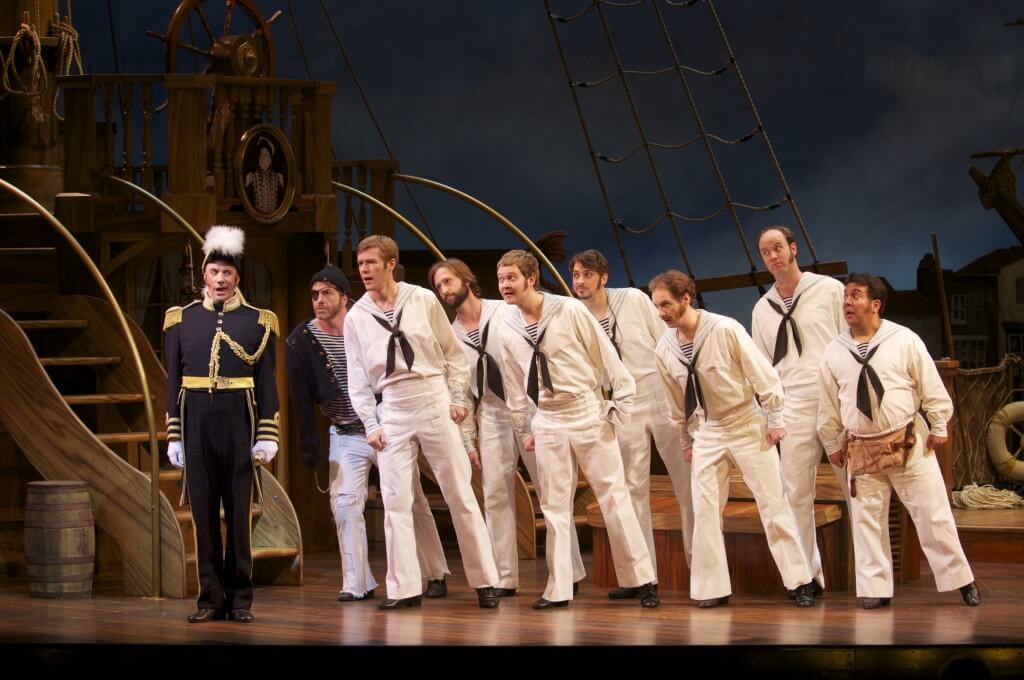
H.M.S Pinafore Overture - Arthur Sullivan - Gavin Somerset
The collaborations of Gilbert & Sullivan have given us some of the most memorable music in history. The overture to the H.M.S pinafore is a lively, foot tapping introduction to the comic opera, first performed in 1878. With wonderful melodies and band parts to keep every player entertained, this makes a great alternative to the challenging Italian overtures so often played. This piece has been skilfully arranged and can be played by most levels of bands.
In Stock: Estimated dispatch 1-3 working days
-
£24.50
Jocular Geordie - Various - David White
Every part of the UK, from Cornwall to the outer tips of Scotland has its own local and traditional folk tunes. This playful medley of traditional tunes has come straight from the North East, including popular tunes such as "Cushie Butterfield", "Geordy, Haud the Bairn" and "Keep your Feet Still, Geordie". This toe-tapping piece is a must for all bands, whether performing in a concert hall or a village gala, your audiences can be singing and swaying.
In Stock: Estimated dispatch 1-3 working days
-
 £29.50
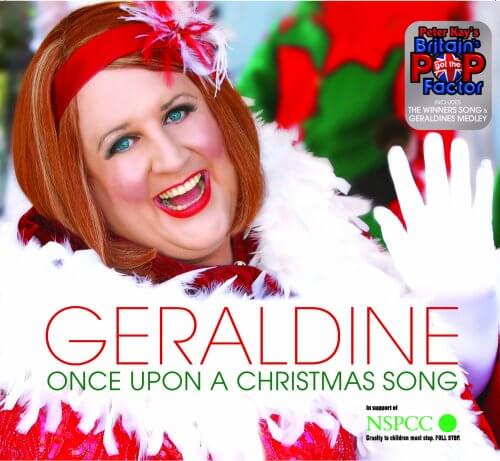
Once Upon A Christmas Song - Peter Kay & Gary Barlow - Gavin Somerset
They just don't write Christmas songs like they used to! Enter, Geraldine McQueen (AKA Peter Kay) who set to put all that right with her (his!) spoof Christmas song, 'Once Upon A Christmas Song', co-written by Gary Barlow. The proceeds from the single were donated to the NSPCC and at its peak, reached number 5 in the UK charts. The song's memorable video and hook which tells of them singing Christmas songs 'Over & Over & Over again' made the melody an instant hit. Now your band can inject some humour into your festive concerts with this great little number. Is there a hidden Geraldine in your band?!
In Stock: Estimated dispatch 1-3 working days
-
£24.50
Using Your Mobile - Various - Stephen Tighe
Its happened to most bands, in the middle of a quiet moment in the music, an audience member's mobile phone rings (or worse, a band members!!!). Now, all can be forgiven in the fantastic "tongue-in-cheek" piece of music. Based around the music of Johann Strauss, this lively arrangement pokes fun at the Grand Waltz (Nokia's preferred ring tone!), as well as some of the other often heard ring tones (William Tell etc). Fantastic entertainment value, working well in just about any concert.
In Stock: Estimated dispatch 1-3 working days
 View Music