
Results
-
 £115.60
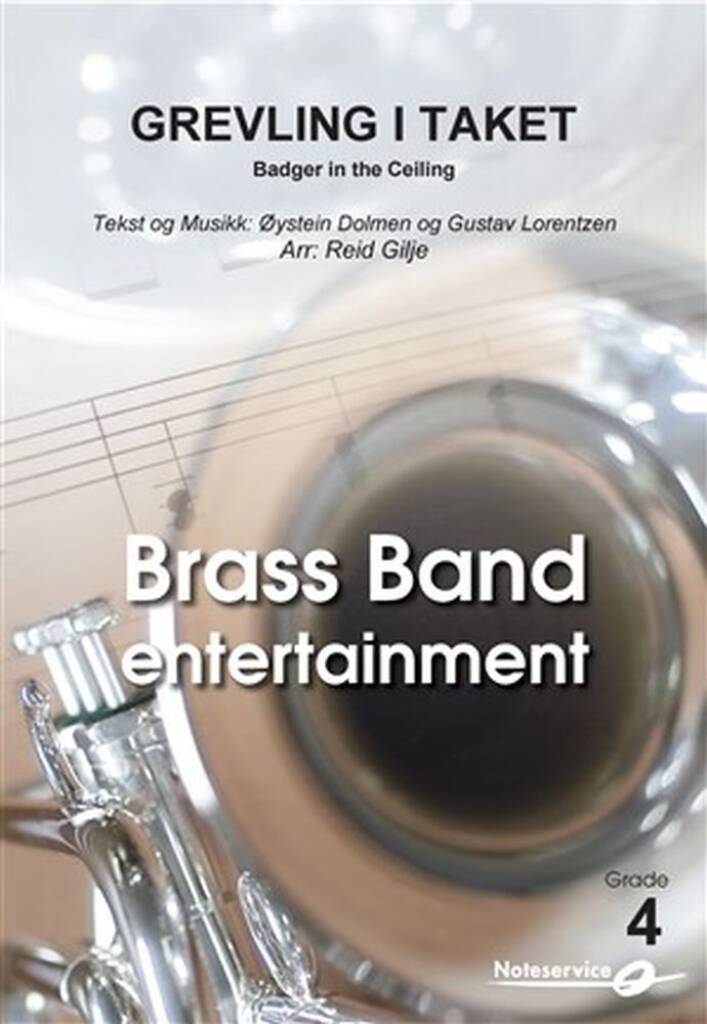
Grevling i taket - Øystein Dolmen og Gustav Lorentzen - Reid Gilje
This is an arrangement which has to be performed a bit humorous in the spirit of the original.It starts with a kazoo-like opening, played on the mouthpieces. At C, baritones and euphoniums should stand up. Maybe the musicians can play it by heart?Two bars before D, the tempo increase. On E, the cornet players should stand (and play by heart)?New, even higher tempo two bars before F. The trombonists should stand up in bar 103 to prepare for a terrific tempo. But G will be played like a laidback reggae-version. Flugelhorn and horns can stand up simultaneous with the glissando in bar 120.The tempo at H should be high and fresh and with several sections standing. In bar 158 should almost all players sit. At bar 160 everyone should stand up.In bar 162, all players should turn to the audience during the crescendo.
Estimated dispatch 5-14 working days
-
 £44.00
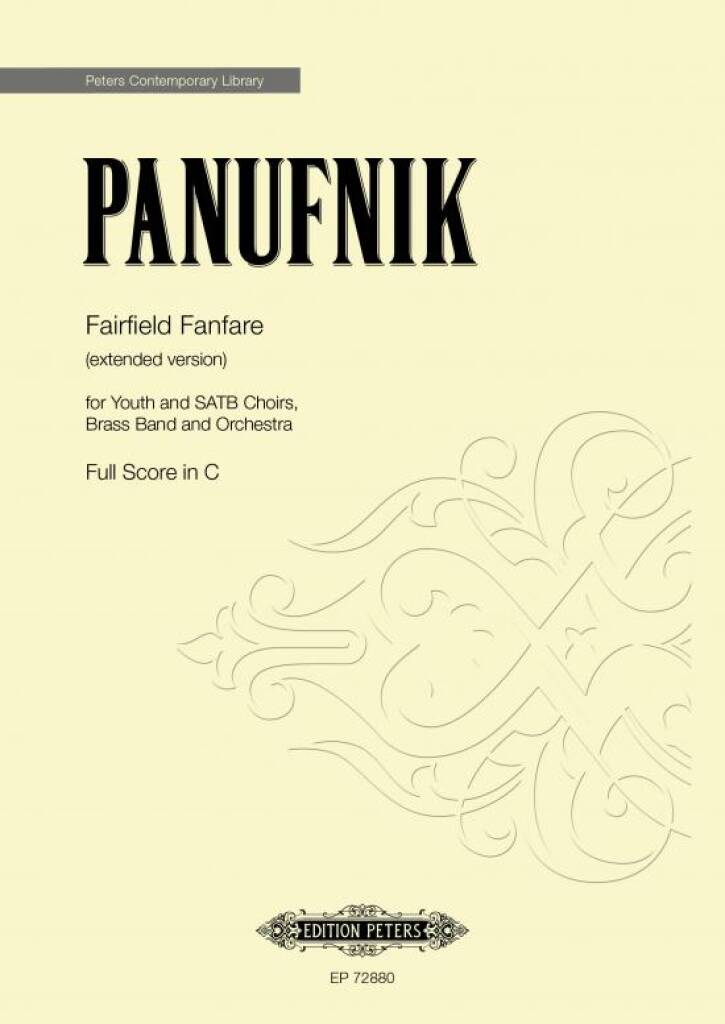
Fairfield Fanfare (expanded version) - Roxanna Panufnik
Fairfield Fanfare (expanded version) by Roxanna Panufnik is a 4-minute work for youth and mixed choirs, brass band and orchestra. Originally commissioned to celebrate the 50th anniversary of the Fairfield Halls, Croydon in 2012, the opening chords are based on all the alphabetic note names from FA-ir-F(#)-i-E-l-D, heralding a flourishing section of hustle and bustle that is the city of Croydon today.This expanded version includes brass band and choirs, with a setting of the text from Psalm 127. The expanded version was commissioned by the London Mozart Players, who premiered the piece on 30 June 2016 at Fairfield Halls, Croydon.This edition is the full score in C (EP 72880). It is available for sale as part of the Peters Contemporary Library. The performance material can be hired as well as a transposed full score, if preferred.
Estimated dispatch 5-14 working days
-
 £64.99
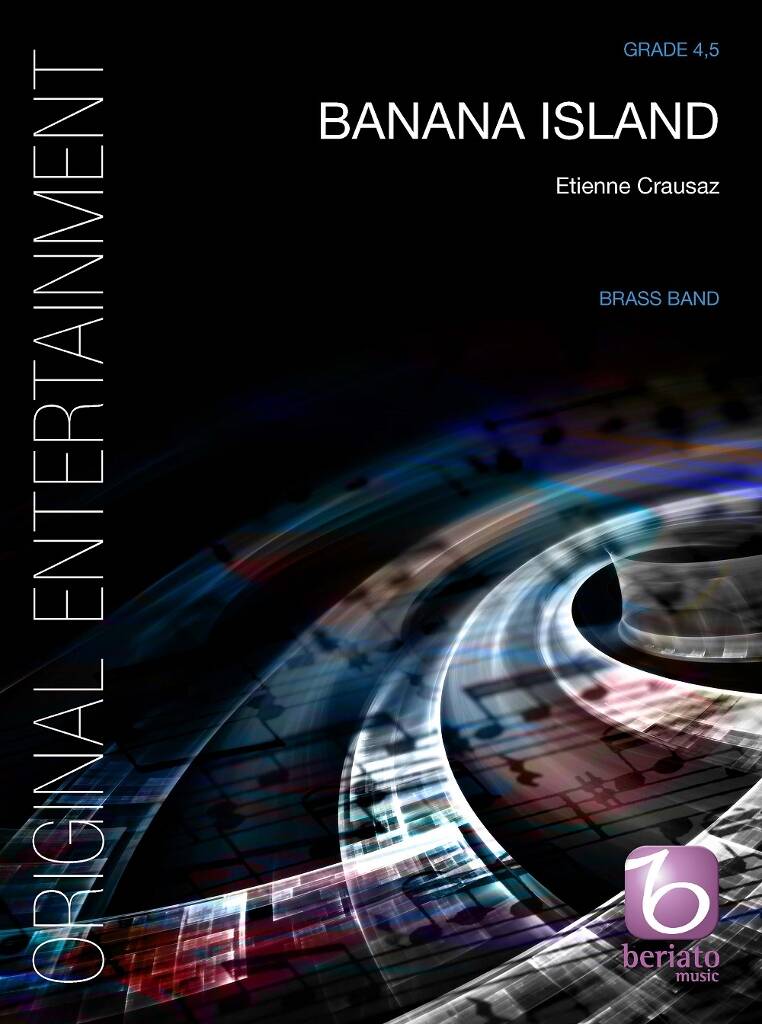
Banana Island - Etienne Crausaz
Banana Island is an extraordinary fictional place: coconut palms, date palms, mango trees, banana trees and mangroves grow in abundance. Animals live there in heavenly harmony. On a Caribbean danse rhythm, the Soca, several themes develop and create a dialogue between the various registers. A central section offers the cornet and trombone the chance to display their soloist skills. This work is full of energy and brimming over with enthusiasm! This music forms part of the musical tale La Malediction d'Aragne (Aragne's Curse), written by Dominique Schweizer and commissioned by the Lyre de Courtion (dir. Dominique Morel) on the occasion of its 100th anniversary.
Estimated dispatch 5-14 working days
-
 £42.50
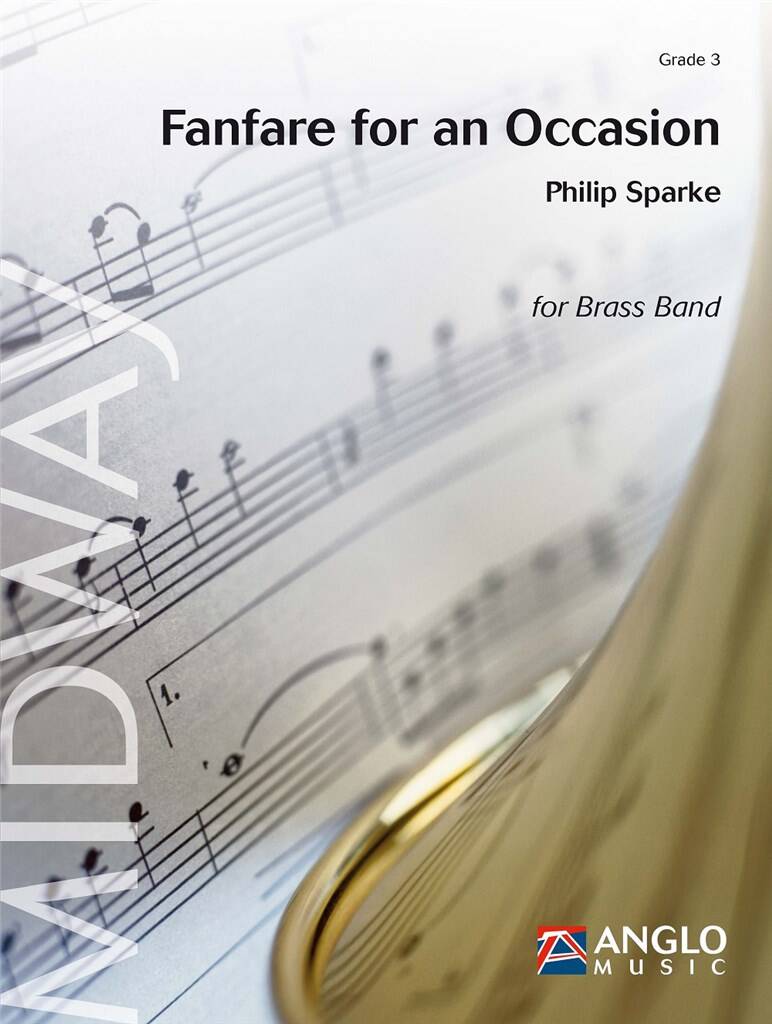
Fanfare for an Occasion - Philip Sparke
Fanfare for an Occasion was written to celebrate the 20th anniversary of the founding of Anglo Music Press, the publishing company dedicated to the works of British composer, Philip Sparke. It is a bright and festive work in which the main theme starts on the tenor instruments of the band before appearing as canonical imitation by all sections in turn. A short, repeated bridge passage leads to a second theme on the horns that is taken up by the full band and leads back to a return of the main theme and a repeat of the second subject, which brings the fanfare to a brilliant close.
Estimated dispatch 5-14 working days
-
 £26.00
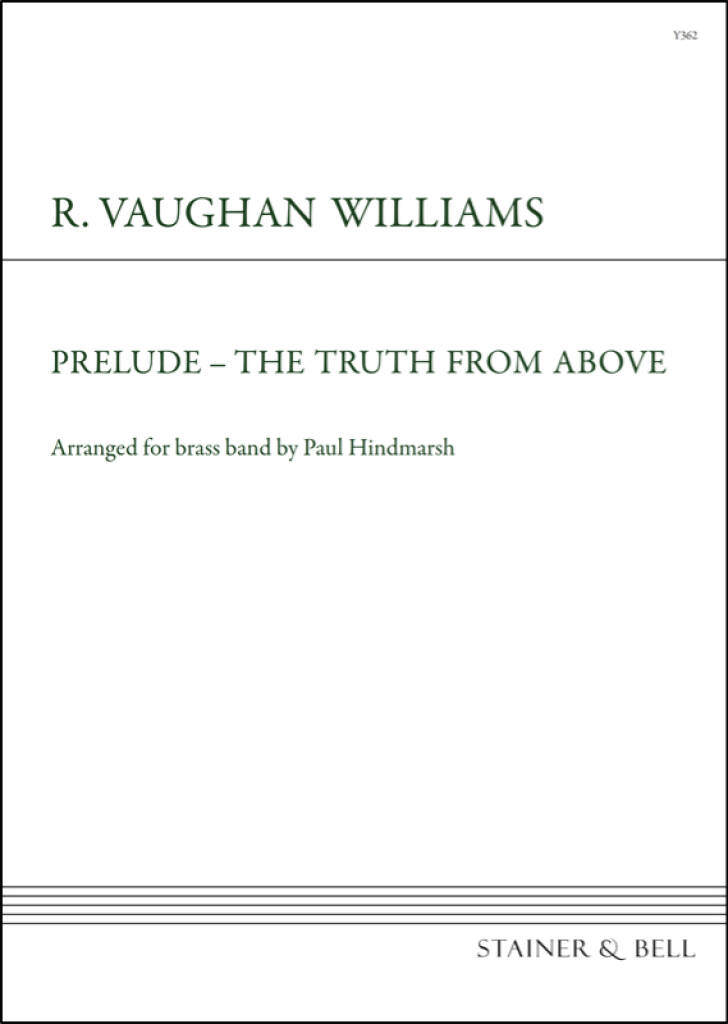
Prelude- The truth from above - Ralph Vaughan Williams - Paul Hindmarsh
In hisPrelude - The Truth from Above, outstanding arranger and curator Paul Hindmarsh has distilled the essence of a timeless Christmas classic by Ralph Vaughan Williams into five minutes of ravishingly unforgettable music for brass band. The variants of the Herefordshire tune popular from theFantasia on Christmas CarolsandThe Oxford Book of Carolsare skilfully and stylishly woven together, from an evocative opening to an ecstatic, multi-layered coda. Unerringly true to the timeless spirit of the original, with the added beauty of the brass-band sound at its most sonorously grave and haunting,Prelude - The Truth from Abovemay be performed separately, or as the first of two preludes, preceding Paul's arrangement ofRhosymedre from the Three Preludes Founded on Welsh Hymn Tunes, also available from Stainer & Bell.
Estimated dispatch 5-14 working days
-
 £42.95
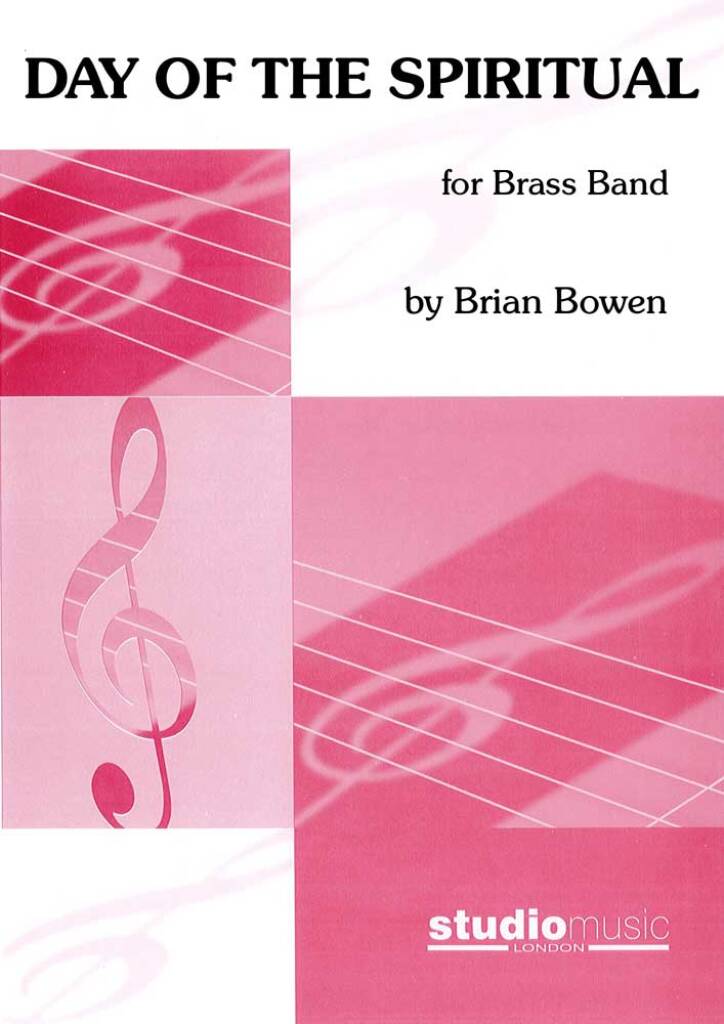
Day of the Spiritual - Brian Bowen
Early African-American songs contain a wealth of human expression, based on a yearning for freedom and biblical deliverance. This rhapsodic work combines Spirituals and Blues as the composer visualises a Camp Meeting where ecstatic utterances and spontaneous solo outbursts occur. These eventually become disorderly and uncontrollable, leading to a frenzy and collapse. With order and calm resorted, the music leads to an exultant conclusion. Included: I Stood on the River of Jordan - Balm in Gilead - Michael, Row the Boat Ashore - Wade in the Water.
Estimated dispatch 5-14 working days
-
 £84.99
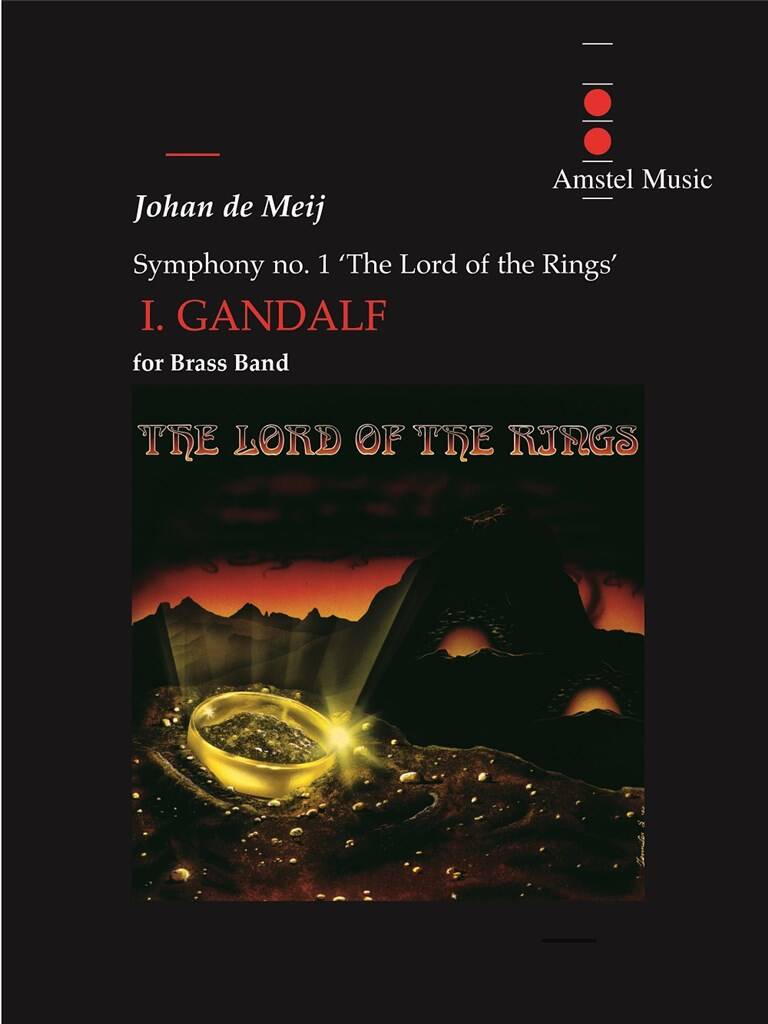
Gandalf the Wizard - Johan de Meij
Johan de Meij's first symphony The Lord of the Rings is based on the trilogy of that name by J.R.R. Tolkien. This book has fascinated many millions of readers since its publication in 1955. The symphony consists of five separate movements, each illustrating a personage or an important episode from the book. This transcription for brass band, arranged by the composer has the following movements: I. GANDALF (The Wizard), IV. JOURNEY IN THE DARK (The Mines of Moria and The Bridge of Khazad-D m), V. HOBBITS. The symphony was written in the period between March 1984 and December 1987, and had its premiere in Brussels on 15th March 1988, performed by the The Royal Band ofthe Belgian Guides under the baton of Norbert Nozy. In 1989, the symphony The Lord of the Rings was awarded a first prize in the Sudler International Wind Band Composition Competition in Chicago, and a year later, the symphony was awarded a grant by the Dutch Composers Fund. In 2001, the orchestral version was premiered by the Rotterdam Philharmonic Orchestra and recorded by the London Symphony Orchestra.
Estimated dispatch 5-14 working days
-
 £89.99
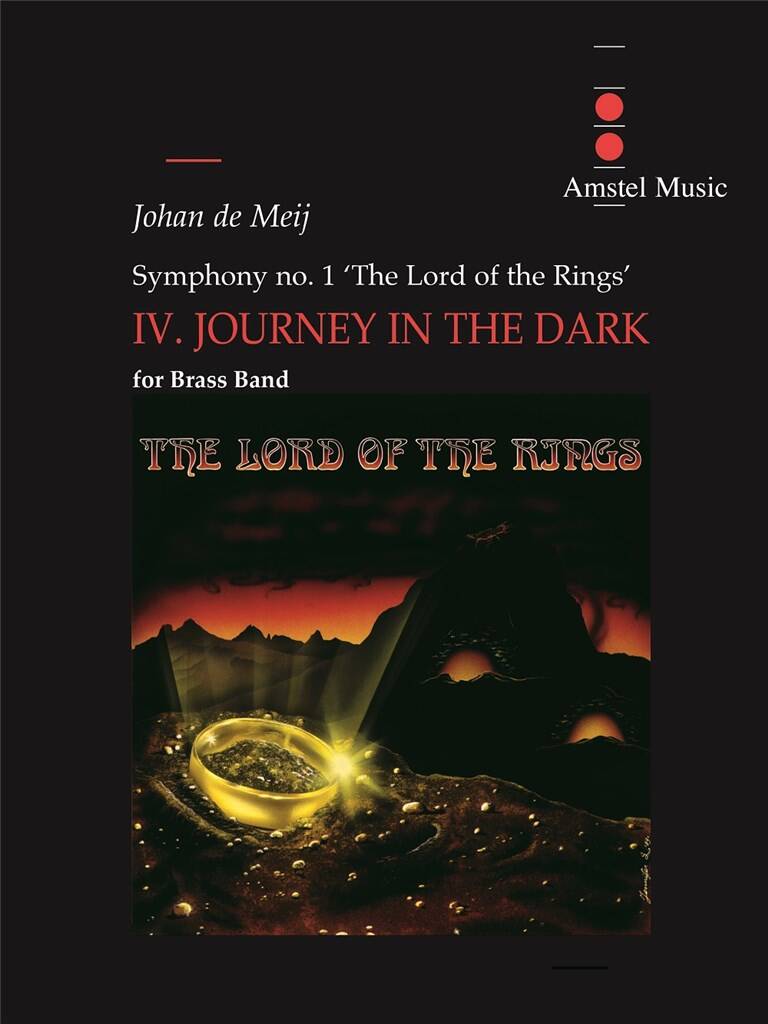
Journey in the Dark - Johan de Meij
Johan de Meij's first symphony The Lord of the Rings is based on the trilogy of that name by J.R.R. Tolkien. This book has fascinated many millions of readers since its publication in 1955. The symphony consists of five separate movements, each illustrating a personage or an important episode from the book. This transcription for brass band, arranged by the composer has the following movements: I. GANDALF (The Wizard), IV. JOURNEY IN THE DARK (The Mines of Moria and The Bridge of Khazad-D m), V. HOBBITS. The symphony was written in the period between March 1984 and December 1987, and had its premiere in Brussels on 15th March 1988, performed by the The Royal Band ofthe Belgian Guides under the baton of Norbert Nozy. In 1989, the symphony The Lord of the Rings was awarded a first prize in the Sudler International Wind Band Composition Competition in Chicago, and a year later, the symphony was awarded a grant by the Dutch Composers Fund. In 2001, the orchestral version was premiered by the Rotterdam Philharmonic Orchestra and recorded by the London Symphony Orchestra.
Estimated dispatch 5-14 working days
-
 £89.99
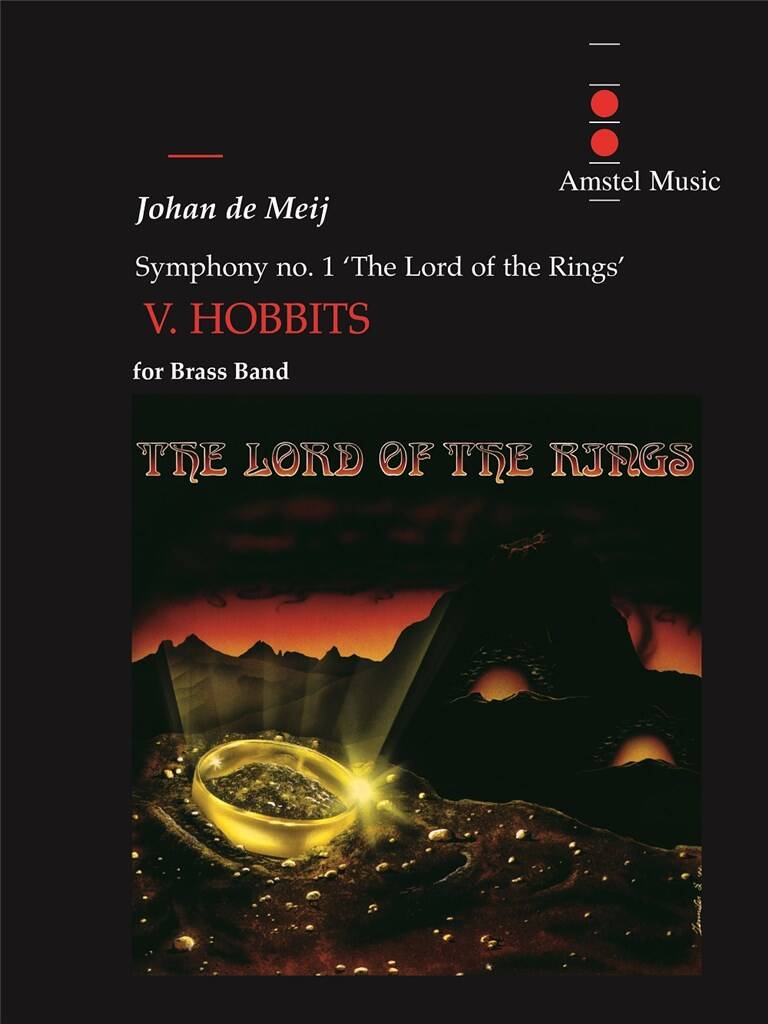
Hobbits - Johan de Meij
Johan de Meij's first symphony The Lord of the Rings is based on the trilogy of that name by J.R.R. Tolkien. This book has fascinated many millions of readers since its publication in 1955. The symphony consists of five separate movements, each illustrating a personage or an important episode from the book. This transcription for brass band, arranged by the composer has the following movements: I. GANDALF (The Wizard), IV. JOURNEY IN THE DARK (The Mines of Moria and The Bridge of Khazad-D m), V. HOBBITS. The symphony was written in the period between March 1984 and December 1987, and had its premiere in Brussels on 15th March 1988, performed by the The Royal Band ofthe Belgian Guides under the baton of Norbert Nozy. In 1989, the symphony The Lord of the Rings was awarded a first prize in the Sudler International Wind Band Composition Competition in Chicago, and a year later, the symphony was awarded a grant by the Dutch Composers Fund. In 2001, the orchestral version was premiered by the Rotterdam Philharmonic Orchestra and recorded by the London Symphony Orchestra.
Estimated dispatch 5-14 working days
-
 £183.20
Tales and Myths of Gothia - Jerker Johansson
Jerker Johansson has lived in Gothenburg, on the Swedish West Coast, since 1984, and is deeply interested in the history of the country. Gothia is the most southern part of Sweden, and Gothenburg, which was founded in 1621, is since many years an important centre for trade and shipping. Old paintings of the harbour with its gigantic sailing ships gave impulse to the heroic character of the piece. The opening fanfare is followed by a lively allegro, which eventually leads to a calm section, containing reminiscences of the fanfare. The cornets introduce a cantabile theme, and a dance reminding of the Renaissance precede a recapitulation of the allegro theme. Tales and Myths of Gothia was originally composed for concert band in 2017. The brass band version was premiered on 26 April 2019 during Oslo Brass festival by Uffes Blas Brassband, conducted by Andreas Kratz.
Estimated dispatch 5-14 working days
 View Music