
Results
-
 £9.99
£9.99Christmas Collection - Solo and 1st Cornet Bb Part I - Large Print A4
Christmas Collection is a newly revised carol book with original, additional and rearranged carols from New Christmas Praise as well as 10 extended pieces. Parts are now also available in large print A4 size!Titles:A child this day is bornA Christmas lullabyA great and mighty wonderAll I want for Christmas is youAll my heart this night rejoicesAngels, from the realms of Glory (Come and worship)Angels, from the realms of Glory (Iris)Angels we have heard on highA starry nightAs with gladness men of oldAuld lang syneA virgin most pureAway in a manger (The manger scene)Away in a manger (Traditional)A winter's taleBethlehemBrightest and best (Spean)Brightest and best (Traditional)Calypso CarolCarol for the NativityCarol of the bellsCarol of the drumChild of MaryChristians Awake!Christ is born (Il est n)Christ was born on Christmas DayCome and join the celebrationCome, children, come quicklyCoventry CarolDeck the hallDing dong! merrily on highDo you hear what I hear?Frosty the snowmanGabriel's MessageGaudeteGlory in the highestGlory in the highest HeavenGod of God, the uncreatedGod rest you merry, gentlemenGood Christian men, rejoiceGood King WenceslasGo, tell it on the mountain!Happy Christmas (War is over)Hark the glad sound!Hark! the herald angels singHave yourself a merry little ChristmasHere we come a-wassailingHow far is it to Bethlehem?Huron CarolInfant HolyIn the bleak midwinter (Cranham)In the bleak midwinter (Darke)I saw mommy kissing Santa ClausI saw three ships come sailing inIt came upon a midnight clear (Traditional)It came upon a midnight clear (Willis)It's beginning to look a lot like ChristmasIt's the most wonderful time of the yearI wish it could be Christmas everydayI wonder as I wanderJesus, good above all otherJingle BellsJingle bell rockJoy to the world!Last ChristmasLet it snow!Little baby JesusLittle children, wake and listenLittle DonkeyLittle Jesus, sweetly sleepLo! he comes with clouds descendingLong, long agoLove came down at ChristmasMary's boy childMary's ChildMasters in this hallMerry Christmas everyoneMistletoe and wineNoelO Christmas treeO come, all ye faithfulO come, ImmanuelO Heaven-sent KingO holy night!O little town of Bethlehem (Christmas Carol)O little town of Bethlehem (Forest Green)O little town of Bethlehem (St Louis)Once in royal David's cityPast three o'clockPatapanPersonent HodiePraise ye the LordRing the bellsRise up, shepherd!Rockin' around the Christmas treeRudolph, the red-nosed reindeerSans day carolSanta Claus is comin' to townSaviour's DaySee, amid the winter's snowSilent Night!Sleigh RideSoftly the night is sleepingSo here it is, merry ChristmasStars are shiningStill, still, stillStop the cavalrySussex CarolSweet chiming bellsSweet chiming Christmas bellsThe candle songThe cherry tree carolThe Christmas songThe first NowellThe holly and the ivyThe infant KingThe light has comeThe shepherds' farewellThe stable doorThe star in the eastThe twelve days of ChristmasThe virgin Mary had a baby boyThey all were looking for a kingThou didst leave thy throneThree kings' marchUnto us a boy is bornWalking in the airWe gather round the manger-bedWe three kings of Orient areWe wish you a merry ChristmasWhat child is this?When a child is bornWhen Santa got stuck up the chimneyWhence is that goodly fragrance flowing?When wise men came seekingWhile shepherds watched (Cranbrook)While shepherds watched (Handel)While shepherds watched (Winchester Old)White ChristmasWho is he?Winter WonderlandWorldwide Christmas messageZither CarolA starry nightChristmas JoyChristmas PraiseCoventry CarolInfant HolyMid-winterRudolph, the red-nosed reindeerThe everlasting lightTo celebrate his birthYuletide Rag
Estimated dispatch 7-14 working days
-
£7.99
Christmas Collection - Solo and 1st Cornet Bb Part I - March Card Size
Christmas Collection is a newly revised carol book with original, additional and rearranged carols from New Christmas Praise as well as 10 extended pieces. Parts are now also available in large print A4 size!Titles:A child this day is bornA Christmas lullabyA great and mighty wonderAll I want for Christmas is youAll my heart this night rejoicesAngels, from the realms of Glory (Come and worship)Angels, from the realms of Glory (Iris)Angels we have heard on highA starry nightAs with gladness men of oldAuld lang syneA virgin most pureAway in a manger (The manger scene)Away in a manger (Traditional)A winter's taleBethlehemBrightest and best (Spean)Brightest and best (Traditional)Calypso CarolCarol for the NativityCarol of the bellsCarol of the drumChild of MaryChristians Awake!Christ is born (Il est n)Christ was born on Christmas DayCome and join the celebrationCome, children, come quicklyCoventry CarolDeck the hallDing dong! merrily on highDo you hear what I hear?Frosty the snowmanGabriel's MessageGaudeteGlory in the highestGlory in the highest HeavenGod of God, the uncreatedGod rest you merry, gentlemenGood Christian men, rejoiceGood King WenceslasGo, tell it on the mountain!Happy Christmas (War is over)Hark the glad sound!Hark! the herald angels singHave yourself a merry little ChristmasHere we come a-wassailingHow far is it to Bethlehem?Huron CarolInfant HolyIn the bleak midwinter (Cranham)In the bleak midwinter (Darke)I saw mommy kissing Santa ClausI saw three ships come sailing inIt came upon a midnight clear (Traditional)It came upon a midnight clear (Willis)It's beginning to look a lot like ChristmasIt's the most wonderful time of the yearI wish it could be Christmas everydayI wonder as I wanderJesus, good above all otherJingle BellsJingle bell rockJoy to the world!Last ChristmasLet it snow!Little baby JesusLittle children, wake and listenLittle DonkeyLittle Jesus, sweetly sleepLo! he comes with clouds descendingLong, long agoLove came down at ChristmasMary's boy childMary's ChildMasters in this hallMerry Christmas everyoneMistletoe and wineNoelO Christmas treeO come, all ye faithfulO come, ImmanuelO Heaven-sent KingO holy night!O little town of Bethlehem (Christmas Carol)O little town of Bethlehem (Forest Green)O little town of Bethlehem (St Louis)Once in royal David's cityPast three o'clockPatapanPersonent HodiePraise ye the LordRing the bellsRise up, shepherd!Rockin' around the Christmas treeRudolph, the red-nosed reindeerSans day carolSanta Claus is comin' to townSaviour's DaySee, amid the winter's snowSilent Night!Sleigh RideSoftly the night is sleepingSo here it is, merry ChristmasStars are shiningStill, still, stillStop the cavalrySussex CarolSweet chiming bellsSweet chiming Christmas bellsThe candle songThe cherry tree carolThe Christmas songThe first NowellThe holly and the ivyThe infant KingThe light has comeThe shepherds' farewellThe stable doorThe star in the eastThe twelve days of ChristmasThe virgin Mary had a baby boyThey all were looking for a kingThou didst leave thy throneThree kings' marchUnto us a boy is bornWalking in the airWe gather round the manger-bedWe three kings of Orient areWe wish you a merry ChristmasWhat child is this?When a child is bornWhen Santa got stuck up the chimneyWhence is that goodly fragrance flowing?When wise men came seekingWhile shepherds watched (Cranbrook)While shepherds watched (Handel)While shepherds watched (Winchester Old)White ChristmasWho is he?Winter WonderlandWorldwide Christmas messageZither CarolA starry nightChristmas JoyChristmas PraiseCoventry CarolInfant HolyMid-winterRudolph, the red-nosed reindeerThe everlasting lightTo celebrate his birthYuletide Rag
Estimated dispatch 7-14 working days
-
 £9.99
£9.99Christmas Collection - Solo and 1st Horn Eb Part II - Large Print A4
Christmas Collection is a newly revised carol book with original, additional and rearranged carols from New Christmas Praise as well as 10 extended pieces. Parts are now also available in large print A4 size!Titles:A child this day is bornA Christmas lullabyA great and mighty wonderAll I want for Christmas is youAll my heart this night rejoicesAngels, from the realms of Glory (Come and worship)Angels, from the realms of Glory (Iris)Angels we have heard on highA starry nightAs with gladness men of oldAuld lang syneA virgin most pureAway in a manger (The manger scene)Away in a manger (Traditional)A winter's taleBethlehemBrightest and best (Spean)Brightest and best (Traditional)Calypso CarolCarol for the NativityCarol of the bellsCarol of the drumChild of MaryChristians Awake!Christ is born (Il est n)Christ was born on Christmas DayCome and join the celebrationCome, children, come quicklyCoventry CarolDeck the hallDing dong! merrily on highDo you hear what I hear?Frosty the snowmanGabriel's MessageGaudeteGlory in the highestGlory in the highest HeavenGod of God, the uncreatedGod rest you merry, gentlemenGood Christian men, rejoiceGood King WenceslasGo, tell it on the mountain!Happy Christmas (War is over)Hark the glad sound!Hark! the herald angels singHave yourself a merry little ChristmasHere we come a-wassailingHow far is it to Bethlehem?Huron CarolInfant HolyIn the bleak midwinter (Cranham)In the bleak midwinter (Darke)I saw mommy kissing Santa ClausI saw three ships come sailing inIt came upon a midnight clear (Traditional)It came upon a midnight clear (Willis)It's beginning to look a lot like ChristmasIt's the most wonderful time of the yearI wish it could be Christmas everydayI wonder as I wanderJesus, good above all otherJingle BellsJingle bell rockJoy to the world!Last ChristmasLet it snow!Little baby JesusLittle children, wake and listenLittle DonkeyLittle Jesus, sweetly sleepLo! he comes with clouds descendingLong, long agoLove came down at ChristmasMary's boy childMary's ChildMasters in this hallMerry Christmas everyoneMistletoe and wineNoelO Christmas treeO come, all ye faithfulO come, ImmanuelO Heaven-sent KingO holy night!O little town of Bethlehem (Christmas Carol)O little town of Bethlehem (Forest Green)O little town of Bethlehem (St Louis)Once in royal David's cityPast three o'clockPatapanPersonent HodiePraise ye the LordRing the bellsRise up, shepherd!Rockin' around the Christmas treeRudolph, the red-nosed reindeerSans day carolSanta Claus is comin' to townSaviour's DaySee, amid the winter's snowSilent Night!Sleigh RideSoftly the night is sleepingSo here it is, merry ChristmasStars are shiningStill, still, stillStop the cavalrySussex CarolSweet chiming bellsSweet chiming Christmas bellsThe candle songThe cherry tree carolThe Christmas songThe first NowellThe holly and the ivyThe infant KingThe light has comeThe shepherds' farewellThe stable doorThe star in the eastThe twelve days of ChristmasThe virgin Mary had a baby boyThey all were looking for a kingThou didst leave thy throneThree kings' marchUnto us a boy is bornWalking in the airWe gather round the manger-bedWe three kings of Orient areWe wish you a merry ChristmasWhat child is this?When a child is bornWhen Santa got stuck up the chimneyWhence is that goodly fragrance flowing?When wise men came seekingWhile shepherds watched (Cranbrook)While shepherds watched (Handel)While shepherds watched (Winchester Old)White ChristmasWho is he?Winter WonderlandWorldwide Christmas messageZither CarolA starry nightChristmas JoyChristmas PraiseCoventry CarolInfant HolyMid-winterRudolph, the red-nosed reindeerThe everlasting lightTo celebrate his birthYuletide Rag
Estimated dispatch 7-14 working days
-
£7.99
Christmas Collection - Solo and 1st Horn Eb Part II - March Card Size
Christmas Collection is a newly revised carol book with original, additional and rearranged carols from New Christmas Praise as well as 10 extended pieces. Parts are now also available in large print A4 size!Titles:A child this day is bornA Christmas lullabyA great and mighty wonderAll I want for Christmas is youAll my heart this night rejoicesAngels, from the realms of Glory (Come and worship)Angels, from the realms of Glory (Iris)Angels we have heard on highA starry nightAs with gladness men of oldAuld lang syneA virgin most pureAway in a manger (The manger scene)Away in a manger (Traditional)A winter's taleBethlehemBrightest and best (Spean)Brightest and best (Traditional)Calypso CarolCarol for the NativityCarol of the bellsCarol of the drumChild of MaryChristians Awake!Christ is born (Il est n)Christ was born on Christmas DayCome and join the celebrationCome, children, come quicklyCoventry CarolDeck the hallDing dong! merrily on highDo you hear what I hear?Frosty the snowmanGabriel's MessageGaudeteGlory in the highestGlory in the highest HeavenGod of God, the uncreatedGod rest you merry, gentlemenGood Christian men, rejoiceGood King WenceslasGo, tell it on the mountain!Happy Christmas (War is over)Hark the glad sound!Hark! the herald angels singHave yourself a merry little ChristmasHere we come a-wassailingHow far is it to Bethlehem?Huron CarolInfant HolyIn the bleak midwinter (Cranham)In the bleak midwinter (Darke)I saw mommy kissing Santa ClausI saw three ships come sailing inIt came upon a midnight clear (Traditional)It came upon a midnight clear (Willis)It's beginning to look a lot like ChristmasIt's the most wonderful time of the yearI wish it could be Christmas everydayI wonder as I wanderJesus, good above all otherJingle BellsJingle bell rockJoy to the world!Last ChristmasLet it snow!Little baby JesusLittle children, wake and listenLittle DonkeyLittle Jesus, sweetly sleepLo! he comes with clouds descendingLong, long agoLove came down at ChristmasMary's boy childMary's ChildMasters in this hallMerry Christmas everyoneMistletoe and wineNoelO Christmas treeO come, all ye faithfulO come, ImmanuelO Heaven-sent KingO holy night!O little town of Bethlehem (Christmas Carol)O little town of Bethlehem (Forest Green)O little town of Bethlehem (St Louis)Once in royal David's cityPast three o'clockPatapanPersonent HodiePraise ye the LordRing the bellsRise up, shepherd!Rockin' around the Christmas treeRudolph, the red-nosed reindeerSans day carolSanta Claus is comin' to townSaviour's DaySee, amid the winter's snowSilent Night!Sleigh RideSoftly the night is sleepingSo here it is, merry ChristmasStars are shiningStill, still, stillStop the cavalrySussex CarolSweet chiming bellsSweet chiming Christmas bellsThe candle songThe cherry tree carolThe Christmas songThe first NowellThe holly and the ivyThe infant KingThe light has comeThe shepherds' farewellThe stable doorThe star in the eastThe twelve days of ChristmasThe virgin Mary had a baby boyThey all were looking for a kingThou didst leave thy throneThree kings' marchUnto us a boy is bornWalking in the airWe gather round the manger-bedWe three kings of Orient areWe wish you a merry ChristmasWhat child is this?When a child is bornWhen Santa got stuck up the chimneyWhence is that goodly fragrance flowing?When wise men came seekingWhile shepherds watched (Cranbrook)While shepherds watched (Handel)While shepherds watched (Winchester Old)White ChristmasWho is he?Winter WonderlandWorldwide Christmas messageZither CarolA starry nightChristmas JoyChristmas PraiseCoventry CarolInfant HolyMid-winterRudolph, the red-nosed reindeerThe everlasting lightTo celebrate his birthYuletide Rag
Estimated dispatch 7-14 working days
-
 £9.99
£9.99Christmas Collection - Soprano Cornet Eb - Large Print A4
Christmas Collection is a newly revised carol book with original, additional and rearranged carols from New Christmas Praise as well as 10 extended pieces. Parts are now also available in large print A4 size!Titles:A child this day is bornA Christmas lullabyA great and mighty wonderAll I want for Christmas is youAll my heart this night rejoicesAngels, from the realms of Glory (Come and worship)Angels, from the realms of Glory (Iris)Angels we have heard on highA starry nightAs with gladness men of oldAuld lang syneA virgin most pureAway in a manger (The manger scene)Away in a manger (Traditional)A winter's taleBethlehemBrightest and best (Spean)Brightest and best (Traditional)Calypso CarolCarol for the NativityCarol of the bellsCarol of the drumChild of MaryChristians Awake!Christ is born (Il est n)Christ was born on Christmas DayCome and join the celebrationCome, children, come quicklyCoventry CarolDeck the hallDing dong! merrily on highDo you hear what I hear?Frosty the snowmanGabriel's MessageGaudeteGlory in the highestGlory in the highest HeavenGod of God, the uncreatedGod rest you merry, gentlemenGood Christian men, rejoiceGood King WenceslasGo, tell it on the mountain!Happy Christmas (War is over)Hark the glad sound!Hark! the herald angels singHave yourself a merry little ChristmasHere we come a-wassailingHow far is it to Bethlehem?Huron CarolInfant HolyIn the bleak midwinter (Cranham)In the bleak midwinter (Darke)I saw mommy kissing Santa ClausI saw three ships come sailing inIt came upon a midnight clear (Traditional)It came upon a midnight clear (Willis)It's beginning to look a lot like ChristmasIt's the most wonderful time of the yearI wish it could be Christmas everydayI wonder as I wanderJesus, good above all otherJingle BellsJingle bell rockJoy to the world!Last ChristmasLet it snow!Little baby JesusLittle children, wake and listenLittle DonkeyLittle Jesus, sweetly sleepLo! he comes with clouds descendingLong, long agoLove came down at ChristmasMary's boy childMary's ChildMasters in this hallMerry Christmas everyoneMistletoe and wineNoelO Christmas treeO come, all ye faithfulO come, ImmanuelO Heaven-sent KingO holy night!O little town of Bethlehem (Christmas Carol)O little town of Bethlehem (Forest Green)O little town of Bethlehem (St Louis)Once in royal David's cityPast three o'clockPatapanPersonent HodiePraise ye the LordRing the bellsRise up, shepherd!Rockin' around the Christmas treeRudolph, the red-nosed reindeerSans day carolSanta Claus is comin' to townSaviour's DaySee, amid the winter's snowSilent Night!Sleigh RideSoftly the night is sleepingSo here it is, merry ChristmasStars are shiningStill, still, stillStop the cavalrySussex CarolSweet chiming bellsSweet chiming Christmas bellsThe candle songThe cherry tree carolThe Christmas songThe first NowellThe holly and the ivyThe infant KingThe light has comeThe shepherds' farewellThe stable doorThe star in the eastThe twelve days of ChristmasThe virgin Mary had a baby boyThey all were looking for a kingThou didst leave thy throneThree kings' marchUnto us a boy is bornWalking in the airWe gather round the manger-bedWe three kings of Orient areWe wish you a merry ChristmasWhat child is this?When a child is bornWhen Santa got stuck up the chimneyWhence is that goodly fragrance flowing?When wise men came seekingWhile shepherds watched (Cranbrook)While shepherds watched (Handel)While shepherds watched (Winchester Old)White ChristmasWho is he?Winter WonderlandWorldwide Christmas messageZither CarolA starry nightChristmas JoyChristmas PraiseCoventry CarolInfant HolyMid-winterRudolph, the red-nosed reindeerThe everlasting lightTo celebrate his birthYuletide Rag
Estimated dispatch 7-14 working days
-
£7.99
Christmas Collection - Soprano Cornet Eb - March Card Size
Christmas Collection is a newly revised carol book with original, additional and rearranged carols from New Christmas Praise as well as 10 extended pieces. Parts are now also available in large print A4 size!Titles:A child this day is bornA Christmas lullabyA great and mighty wonderAll I want for Christmas is youAll my heart this night rejoicesAngels, from the realms of Glory (Come and worship)Angels, from the realms of Glory (Iris)Angels we have heard on highA starry nightAs with gladness men of oldAuld lang syneA virgin most pureAway in a manger (The manger scene)Away in a manger (Traditional)A winter's taleBethlehemBrightest and best (Spean)Brightest and best (Traditional)Calypso CarolCarol for the NativityCarol of the bellsCarol of the drumChild of MaryChristians Awake!Christ is born (Il est n)Christ was born on Christmas DayCome and join the celebrationCome, children, come quicklyCoventry CarolDeck the hallDing dong! merrily on highDo you hear what I hear?Frosty the snowmanGabriel's MessageGaudeteGlory in the highestGlory in the highest HeavenGod of God, the uncreatedGod rest you merry, gentlemenGood Christian men, rejoiceGood King WenceslasGo, tell it on the mountain!Happy Christmas (War is over)Hark the glad sound!Hark! the herald angels singHave yourself a merry little ChristmasHere we come a-wassailingHow far is it to Bethlehem?Huron CarolInfant HolyIn the bleak midwinter (Cranham)In the bleak midwinter (Darke)I saw mommy kissing Santa ClausI saw three ships come sailing inIt came upon a midnight clear (Traditional)It came upon a midnight clear (Willis)It's beginning to look a lot like ChristmasIt's the most wonderful time of the yearI wish it could be Christmas everydayI wonder as I wanderJesus, good above all otherJingle BellsJingle bell rockJoy to the world!Last ChristmasLet it snow!Little baby JesusLittle children, wake and listenLittle DonkeyLittle Jesus, sweetly sleepLo! he comes with clouds descendingLong, long agoLove came down at ChristmasMary's boy childMary's ChildMasters in this hallMerry Christmas everyoneMistletoe and wineNoelO Christmas treeO come, all ye faithfulO come, ImmanuelO Heaven-sent KingO holy night!O little town of Bethlehem (Christmas Carol)O little town of Bethlehem (Forest Green)O little town of Bethlehem (St Louis)Once in royal David's cityPast three o'clockPatapanPersonent HodiePraise ye the LordRing the bellsRise up, shepherd!Rockin' around the Christmas treeRudolph, the red-nosed reindeerSans day carolSanta Claus is comin' to townSaviour's DaySee, amid the winter's snowSilent Night!Sleigh RideSoftly the night is sleepingSo here it is, merry ChristmasStars are shiningStill, still, stillStop the cavalrySussex CarolSweet chiming bellsSweet chiming Christmas bellsThe candle songThe cherry tree carolThe Christmas songThe first NowellThe holly and the ivyThe infant KingThe light has comeThe shepherds' farewellThe stable doorThe star in the eastThe twelve days of ChristmasThe virgin Mary had a baby boyThey all were looking for a kingThou didst leave thy throneThree kings' marchUnto us a boy is bornWalking in the airWe gather round the manger-bedWe three kings of Orient areWe wish you a merry ChristmasWhat child is this?When a child is bornWhen Santa got stuck up the chimneyWhence is that goodly fragrance flowing?When wise men came seekingWhile shepherds watched (Cranbrook)While shepherds watched (Handel)While shepherds watched (Winchester Old)White ChristmasWho is he?Winter WonderlandWorldwide Christmas messageZither CarolA starry nightChristmas JoyChristmas PraiseCoventry CarolInfant HolyMid-winterRudolph, the red-nosed reindeerThe everlasting lightTo celebrate his birthYuletide Rag
Estimated dispatch 7-14 working days
-
 £13.95
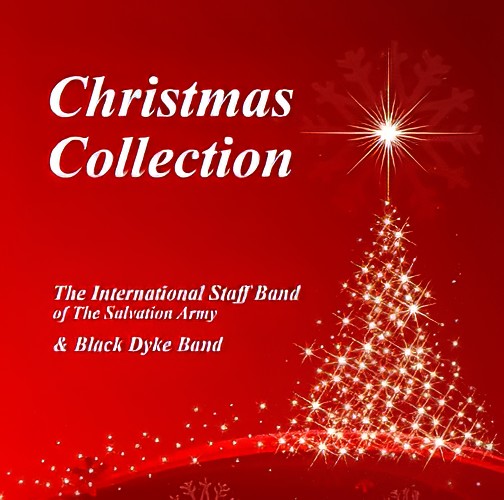
Christmas Collection - CD
1Ring the bellsThe ISB2It's the most wonderful time of the yearBlack Dyke Band3The candle songThe ISB4While shepherds watchedThe ISB5Calypso CarolThe ISB6A winter's taleBlack Dyke Band7Still, still, stillThe ISB8Carol of the bellsBlack Dyke Band9O holy night!The ISB10White ChristmasBlack Dyke Band11I wish it could be Christmas everydayBlack Dyke Band12GaudeteThe ISB13O Christmas treeBlack Dyke Band14Love came down at ChristmasThe ISB15Let it snow!Black Dyke Band16Saviour's DayThe ISB17So here it is, merry ChristmasBlack Dyke Band18Jingle bell rockBlack Dyke Band19Mary's ChildThe ISB20Rockin' around the Christmas treeBlack Dyke Band21In the bleak midwinterThe ISB22Huron CarolThe ISB23Walking in the airBlack Dyke Band24Mary's boy childThe ISB25Stop the cavalryBlack Dyke Band26It's beginning to look a lot like ChristmasBlack Dyke Band27Christ is born (il est ne)The ISB28Little children, wake and listenThe ISB29All I want for Christmas is youBlack Dyke Band30Come and join the celebrationThe ISB31Worldwide Christmas messageBlack Dyke Band32The virgin Mary had a baby boyThe ISB33Merry Christmas everyoneBlack Dyke Band34We wish you a merry ChristmasBlack Dyke Band
Estimated dispatch 7-14 working days
-
 £80.00
St. Magnus - Kenneth Downie
Dedicated to Alastair Massey, an inspirational music teacher. Commissioned by the Scottish Brass Band Association for the 2004 European Brass Band Championships in Glasgow. This music is a set of variations on the tune known as St Magnus, which is attributed to Jeremiah Clarke. Most people will associate it with Thomas Kelly's hymn which begins: "The Head that once was crowned with thorns is crowned with glory now". The tune is very simple, consisting of just two, four-bar phrases. Neither is there much in the way of rhythmic variety, every note being a crotchet with the exception of two quavers, and the last note in each phrase. Within such a simple structure, however, lies considerable strength. THEME The listener is given the opportunity of hearing it twice, in full, at the beginning, starting with one player but soon taken up by the full ensemble. It returns in the middle of the music and is stated again near the end. This has been done quite deliberately in the hope that there will be an appreciation of what material is being developed, by the listener as well as by those with access to the score, who are able to see the visual connections. VARIATION 1 This takes the rhythm of the last part of the theme and also uses the shape of the opening as a recurring figure. The mood is whimsical and skittish, with short, teasing rhythmic figures tossed around the band, and quick interplay with percussion, at a fast tempo. An energetic flourish finishes this variation before the Andante espress. VARIATION 2 This commences with chords related to the opening of Variation 1. The cantabile on solo comets establishes a new, lyrical mood and there is scope for expressive playing in a series of short solo passages. The theme works its way unobtrusively into the texture before a reprise of the solo cornet melody and some more lyrical interchanges between Eb bass, euphonium, flugel horn and comets. The variation ends serenely with clear references to the last phrase of the theme. VARIATION 3 The first idea to dominate is clearly linked to the shape of the theme's first phrase. There is a frenetic feel to much of this variation, with considerable energy and instability created by extensive use of cross-rhythms. A thinning-out of the score marks a clear change to development of the start of the second phrase of the theme. This proves to be short-lived however, and the opening material returns leading to a restatement of the theme, "Maestoso," after which a euphonium cadenza links to Variation 4. VARIATION 4 Here we have some solos for euphonium, cornet, trombone and Eb bass set against a background of horns and baritones presenting a pensive statement of the theme's opening. VARIATION 5 This commences Allegro, with lively work for cornet and euphonium spreading to the whole band before attention focuses on the beginning of the second phrase of the theme which is initially presented in diminution, then in regular rhythm, then in inversion. An increase in tempo coupled with a decrease in volume, requires dexterity and control, with several metrical challenges thrown in for good measure. The same fragment of phrase becomes an ostinato which generates a frenzied climax, punctuated by short, dramatic silence, before the opening figure returns and the music gradually winds down. The tubular bells herald the final return of the theme, in augmentation, marking the start of the Finale. FINALE This features the running semiquavers of the previous variation sounding in counterpoint. A fast, furious coda speeds the work to a conclusion while references to the opening of the theme are still trying to break into the texture of the music. Kenneth Downie
Estimated dispatch 5-14 working days
-
 £104.99
Like a Child - Andreas Ludwig Schulte
The young have the future. This is the statement made at the beginning of 'Like a Child' by Andreas Ludwig Schulte. The opening radiates strength and ambition, but one is also made to wonder which direction will be chosen, which choices will have to be made.After the introduction the first steps on the path of life are taken, still somewhat unsteadily (the 3/4th time used illustrates this uncertainty). However, the child has now set off and will meet the future with an open mind, unafraid, even though experience will teach it how easily it can be hurt.Fortunately, it is sometimes allowed to be vulnerable and it discovers there will always be someone to offer shelter,support and love. (Adagio) The last part breathes a far greater independence. Youth is able to face the future, it can even take on the whole world!
Estimated dispatch 5-14 working days
-
 £174.10
Three Gentle Giants - Svein H. Giske
Three Gentle Giantswas commissioned by Grenland International Brass Festival as a test piece for the 2nd division in 2008.Three Gentle Giants. The three giants each have their own monologue which leads into a conversation. They gather recognition and respect from each others views as the dialogue evolves. Eventually they find a more nutual and singular expression to their conversation.The giants are old with a long life behind them. This can be heard through a slow, melancholic waltz. A waltz is dance commonly linked to festiveoccasions, such as weddings, but for the giants it holds much more significance. It gives room to think about people they have met, placesthey have been, and all that life has given them.Quietly it ends, more or less like it began. We hear echoes of the past, before it all fades out.The giants wander off into a new beginning.Svein H. Giske- January 2023 -In Memoriam Thorvald, Finn and Thor Louis
Estimated dispatch 5-14 working days
 View Music