
Results
-
 £35.00
The Water of Tyne (Brass Band - Score and Parts) - Harper, Philip
A delightful setting of a traditional North East melody, arranged in a hauntingly pastorale style with all the skill we have come to expect from Philip Harper. Featuring the euphonium and principal cornet with the melody at first, the piece then builds to a passionate full band rendition which eases back to a tranquil, effective close.A great piece to offer every level of band the opportunity to add some stylish peace to their programme.Duration: 3.45
Estimated dispatch 7-14 working days
-
 £69.99
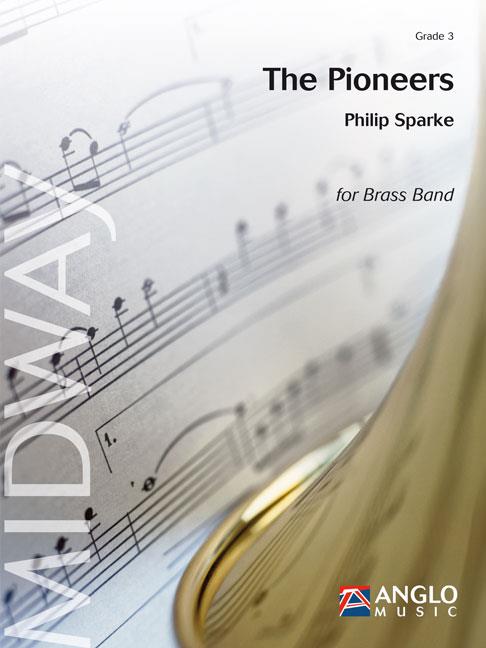
The Pioneers (Brass Band - Score and Parts) - Sparke, Philip
In The Pioneers Philip Sparke salutes the bicentenary of an expedition by two all time American heroes - Meriwether Lewis and William Clark. They were commissioned by US President Thomas Jefferson to find the headwaters of the Missouri and a route to the Pacific following the Louisiana Purchase, which doubled the size of the USA. They set out as the 'Corps of Discovery' from Louisville, Kentucky, in May 1804 and not only did they succeed in reaching the Pacific through hostile territory, but also found their way back - in 3 years! The piece is not descriptive of the journey but gives the composer the opportunity to celebrate the 200th anniversary of this amazing feat. Add a touch of the wild-west to any concert with this exciting work.Duration: 5:30
Estimated dispatch 7-14 working days
-
 £119.95
Windows of the World (Brass Band - Score and Parts) - Graham, Peter
Commissioned by YBS Band, this is a kaleidoscopic six movement sequel to Cry of the Celts. The work provides solo opportunities for several principal players. Peter Graham takes us first to Latin America, then to Japan and onwards to Saharan Africa. We get a gentle reprieve via a nostalgic hint of the British Isles before we land in the melting pot of all styles, the USA. In this final section the driving swing section is abruptly stopped and a drum cadenza leads us back into the opening Latin music. The movements are: Amazonia; Rainforest; The Rising Sun; Drums of Thunder; Celtic Dream; Earth Walk. Any of the movements can be programmed individually. Some movements are recorded on QPRL215D Master Brass (Volume Thirteen). All movements are recorded on QPRL123D Windows of the World. Total Duration: 20:30.
Estimated dispatch 7-14 working days
-
 £69.95
The Journal of Phileas Fogg (Brass Band - Score and Parts) - Graham, Peter
2016 National Championships Regional Testpiece - 3rd Section.The novels by Jules Verne have been a rich source of inspiration for composers over the years. Graham has taken elements of the epic work Around the World in Eighty Days as the outline for a series of adventures recorded in an imaginary diary by the hero of the story, Phileas Fogg.Commencing with London bells in the background, the ensuing journey takes our hero by boat train to Paris (passing the Moulin Rouge en route), Russia (where he is chased by Cossacks), Vienna at night, Spain (where he is a spectator at a bull fight) before a final circumnavigation by sea (where we hear hints of foreign lands) brings him back to London with rich memories of his trip.The Journal of Phileas Fogg was commissioned by Dr Nicholas Childs for the National Children's Brass Band of Great Britain and was first performed by them in July 2012, conducted by Dr Robert Childs.
Estimated dispatch 7-14 working days
-
£29.95
The Journal of Phileas Fogg (Brass Band - Score only) - Graham, Peter
2016 National Championships Regional Testpiece - 3rd Section.The novels by Jules Verne have been a rich source of inspiration for composers over the years. Graham has taken elements of the epic work Around the World in Eighty Days as the outline for a series of adventures recorded in an imaginary diary by the hero of the story, Phileas Fogg.Commencing with London bells in the background, the ensuing journey takes our hero by boat train to Paris (passing the Moulin Rouge en route), Russia (where he is chased by Cossacks), Vienna at night, Spain (where he is a spectator at a bull fight) before a final circumnavigation by sea (where we hear hints of foreign lands) brings him back to London with rich memories of his trip.The Journal of Phileas Fogg was commissioned by Dr Nicholas Childs for the National Children's Brass Band of Great Britain and was first performed by them in July 2012, conducted by Dr Robert Childs.
Estimated dispatch 7-14 working days
-
 £60.99
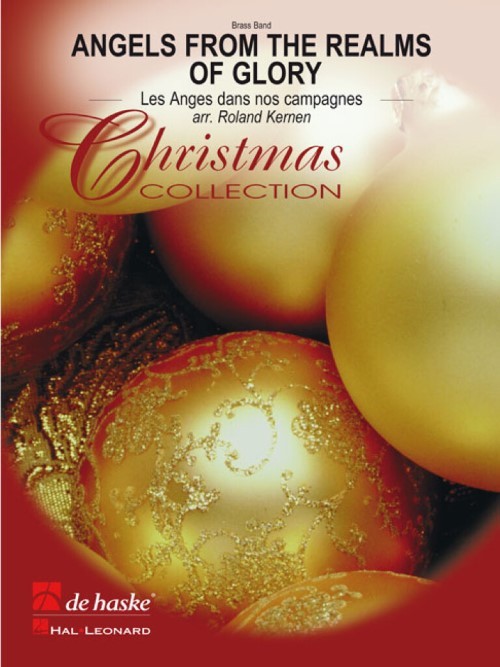
Angels from the Realms of Glory (Brass Band - Score and Parts) - Kernen, Roland
The title of this clever arrangement reveals the Christmas song it is based on. The melody can be traced back to a French folksong from the 18th century which is now known around the world. In France it is called Les anges dans nos campagnes, in Germany it is most widely known as Engel auf den Feldern singen and in England it was originally called Angels From the Realms of Glory but it often known as Angels We Have Heard on High. Everyone will rejoice upon hearing the Gloria in excelsis Deo refrain!Duration: 5:45
Estimated dispatch 7-14 working days
-
 £29.50
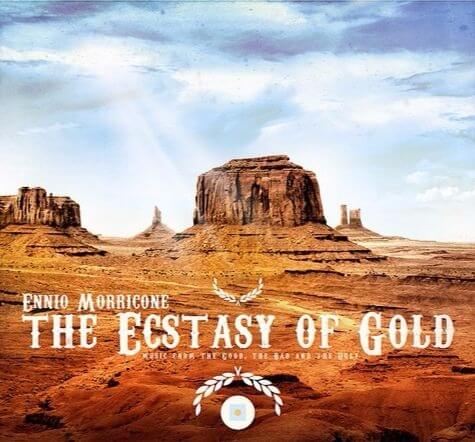
Ecstasy Of Gold - Ennio Morricone - Andi Cook
This energetic piece, one of the many qualities of Ennio Morricone's music, has recently been brought back into the public eye with its use in the new 'Health Lottery" Adverts and many other TV appearances. The music comes from the iconic picture "The Good, The Bad & The Ugly" while the character Tuco searches for the $200,000 hidden in a graveyard. Since then, its been a hit world wide, being used in several media campaigns. its success can be attributed to the strong, powerful melody that last long in the memory. Now for the first time, arranged for band by Andi Cook, the brass band can enjoy the powerful piece that follows its delicate opening for Solo Horn. To download the Solo Cornet part, please CLICK HERE . To download the Solo Horn part, please CLICK HERE . To download the Solo Euphonium part, please CLICK HERE . To download the playback audio to play along to, please RIGHT CLICK HERE & Save As .
In Stock: Estimated dispatch 1-3 working days
-
£29.50
Sunset Praise - Wilfried Weiland
Based on a strong Chorale melody by Melchior Vulpius dating back to 1609, this modern take on the baroque chorale brings a new flavour to your audiences with a showcase piece for all your players to enjoy. Featuring the Chorale melody to open with before moving into a 5/4 section ala Dave Brubeck style with a nice percussion drive and holding true to the strict chorale form. A great piece to showcase bands' versatility.
In Stock: Estimated dispatch 1-3 working days
-
 £29.50
Run - Snow Patrol - Gavin Somerset
Very few songs covered by other artists are greeted with the same reception as Leona Lewis' cover version of this hit song. Whilst already a hit for Snow Patrol back in 2004, when Leona Lewis performed the song on BBC Radio One's 'Live Lounge', the DJ's and producers there on the day were reported to be tears. This highly emotional song lends itself well to the brass band sound and this arrangement by Gavin Somerset ensures your band can encapsulate audiences both on the bandstand and in the concert hall. The song's title may not be too familiar, however after just a few bars, the tune is instantly recognisable. A hit with the younger members of your band and one that people of all ages will know. A perfect addition to your concert programme and one that could see some of your audience singing!
In Stock: Estimated dispatch 1-3 working days
-
 £29.50
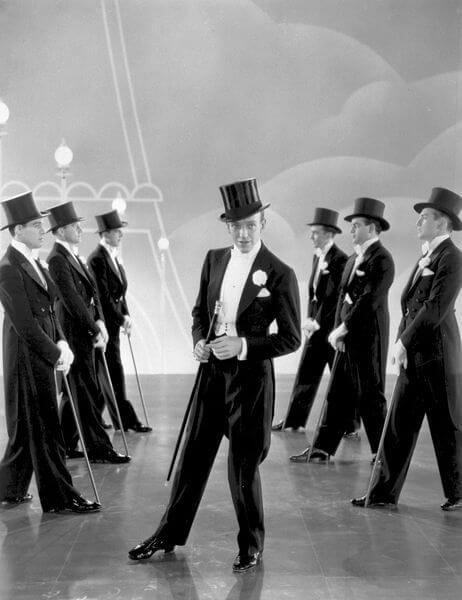
Top Hat White Tie & Tails - Irving Berlin - David Holling
If your band is after that stunning opener to make a sparkling impression on either the concert or contest stage, then look no further than this perfect Irving Berlin hit. Arranged by David Holling, the song was performed by Fred Astaire in the 1935 film "Top Hat". This piece has just about everything you could want from an opening item. From Swing to Waltz's and back again, the song has now become an American classic. A fantastic standalone item that allows a band to show off and also has the potential for choreography. A great item for any concert!
In Stock: Estimated dispatch 1-3 working days
 View Music
 Listen to MP3