
Results
-
 £40.00
The Ayres of Agincourt
ABOUT THIS PIECE: The Ayres of Agincourt has long been a staple of the wind band repertoire and is now available to brass bands in this transcription from Adam D J Taylor. The original Ayres were inspired by the famous victory in the 15th century of the English over the French at Agincourt, France, and are intended to sound like old English songs that might have been sung by King Henry's men. Majestic, exciting, dramatic - this music should be on your next concert! ENSEMBLE: Standard British Brass Band WHEN YOU BUY THIS PRODUCT, YOU GET: High-quality printed score and parts LEVEL: 3 LISTEN: DURATION: 5-minutes 30-seconds EXAMPLE SCORE: Click here LEVEL GUIDE: Level 1- Accessible to all Level 2 - c. UK third section and higher Level 3 - c. UK second section and higher Level 4 - c. UK first section and higher Level 5 - c. UK championship section level
Estimated dispatch 5-7 working days
-
 £45.00
Believe (From 'The Polar Express')
ABOUT THIS PIECE: Capture the magic and wonder of Christmas with this beautiful arrangement of Believe, from the beloved film The Polar Express. Composed by the award-winning songwriter Glen Ballard and legendary film composer Alan Silvestri, Believe is a heartwarming ballad that celebrates the themes of faith, hope, and the spirit of Christmas. Originally performed by Josh Groban, the song earned an Academy Award nomination and has become a seasonal favourite around the world. This arrangement brings the enchanting melody and emotional depth of the original to life, making it a perfect choice for Christmas concerts. Believe offers a wonderful opportunity for your band to connect with audiences and celebrate the magic of the holiday season. ENSEMBLE: Standard British Brass Band WHEN YOU BUY THIS PRODUCT, YOU GET: High-quality printed score and parts LEVEL: 1 LISTEN: DURATION: 4-minutes 40-seconds EXAMPLE SCORE: Click here LEVEL GUIDE: Level 1- Accessible to all Level 2 - c. UK third section and higher Level 3 - c. UK second section and higher Level 4 - c. UK first section and higher Level 5 - c. UK championship section level
Estimated dispatch 5-7 working days
-
 £39.99
The Egg Travels - Main Theme from Walt Disney's 'Dinosaur'
ABOUT THIS PIECE: Bring the cinematic grandeur of Walt Disney's animated film: Dinosaur to your programme with this powerful arrangement of The Egg Travels--the main theme from the film. Composed by James Newton Howard, this sweeping orchestral piece captures the wonder and majesty of prehistoric life, blending lush harmonies with soaring melodies that evoke both adventure and emotion. This arrangement translates the dramatic intensity of the original score into a compelling showcase for band, making it an excellent choice for concerts and even entertainment contests. With its memorable theme and rich musical textures, The Egg Travels provides an opportunity for the band to explore a broad dynamic and emotional range. ENSEMBLE: Standard British Brass Band WHEN YOU BUY THIS PRODUCT, YOU GET: High-quality printed score and parts LEVEL: 2 LISTEN: Click here DURATION: 3-minutesEXAMPLE SCORE: Click here LEVEL GUIDE: Level 1- Accessible to all Level 2 - c. UK third section and higher Level 3 - c. UK second section and higher Level 4 - c. UK first section and higher Level 5 - c. UK championship section level
Estimated dispatch 5-7 working days
-
 £39.99
Amid the Cold Of Winter- The Rose ("Es ist ein Ros entsprungen")
ABOUT THIS PIECE: Introduce a touch of elegance to your Christmas programme with Amid the Cold of Winter - The Rose, a beautiful arrangement of the traditional carol Es ist ein Ros entsprungen (Lo, How a Rose E'er Blooming). This cherished melody dates back to the late 16th century and has been celebrated for its gentle beauty and profound sense of reverence. Its origins in German sacred music have made it a favourite across centuries, embodying the spirit of hope and renewal. This arrangement, crafted for quartet with brass band accompaniment, enhances the carol's delicate charm while providing a fresh, rhythmic and gentle take on the accompaniment and overall feel. Perfect for seasonal concerts, or gentle and reflective moments in your programme, this piece allows a quartet of soloists to shine. ENSEMBLE: Quartet (soprano cornet, repiano cornet, solo tenor horn & solo baritone) with Standard British Brass Band. For information: As only two solo cornets are required, it is suggested that remaining cornet player play additional percussion. Soprano part available in Bb to be played by Bb cornet. Solo Horn part available in Bb to be played by trombone (trombone part available in Eb to be played by tenor horn in this scenario). WHEN YOU BUY THIS PRODUCT, YOU GET: High-quality printed score and parts LEVEL: 1 LISTEN: DURATION: c. 4-minutes EXAMPLE SCORE: Click here LEVEL GUIDE: Level 1- Accessible to all Level 2 - c. UK third section and higher Level 3 - c. UK second section and higher Level 4 - c. UK first section and higher Level 5 - c. UK championship section level
Estimated dispatch 5-7 working days
-
 £39.99
Facade
ABOUT THIS PIECE: Experience the gripping energy of Jekyll & Hyde with Adam Taylor's stunning brass band arrangement of "Facade." This dramatic piece captures the tension and complexity of Frank Wildhorn's iconic composition, perfectly suited for bands seeking a bold and dynamic item - perhaps as part of a screen and show concert. With its driving rhythms, this arrangement maintains the intensity to the original score, making it an ideal addition to any band library. Add drama and excitement to your next performance--get your copy today! ENSEMBLE: Standard British Brass Band WHEN YOU BUY THIS PRODUCT, YOU GET: High-quality printed score and parts LEVEL: 3 LISTEN: Click here (note that the ending of this recording differs to the published version) DURATION: 3-minutes, 30 secondsEXAMPLE SCORE: Click here LEVEL GUIDE: Level 1- Accessible to all Level 2 - c. UK third section and higher Level 3 - c. UK second section and higher Level 4 - c. UK first section and higher Level 5 - c. UK championship section level
Estimated dispatch 5-7 working days
-
 £45.00
This is the Moment
ABOUT THIS PIECE: Capture the drama and passion of Broadway with this stunning arrangement of This Is the Moment from the musical Jekyll and Hyde. Originally composed by Frank Wildhorn with lyrics by Leslie Bricusse, this powerful ballad has become a defining anthem of triumph and self-realisation, performed by countless artists around the world. This arrangement brings the emotional intensity of the original, offering a rich and rewarding experience for both players and audiences. With an unforgettable melody, This Is the Moment is a perfect choice for concerts, entertainment contests, or special occasions where you want to make an unforgettable impact. Whether you're a fan of musical theatre or simply looking for a piece that showcases the full expressive range of your band, this arrangement of This Is the Moment is sure to inspire and captivate. ENSEMBLE: Standard British Brass Band (with adaptations) WHEN YOU BUY THIS PRODUCT, YOU GET: High-quality printed score and parts LEVEL: 2 LISTEN: Click here (Cornet Solo Version) DURATION: 4 minutesEXAMPLE SCORE: Coming soon Looking for the cornet solo version of this piece? Click here. LEVEL GUIDE: Level 1- Accessible to all Level 2 - c. UK third section and higher Level 3 - c. UK second section and higher Level 4 - c. UK first section and higher Level 5 - c. UK championship section level
Estimated dispatch 5-7 working days
-
 £55.00
Don't Rain on my Parade
ABOUT THIS PIECE: Add a touch of Broadway magic to your programme with this stunning arrangement of Don't Rain on My Parade. Originally performed by Barbra Streisand in the classic musical Funny Girl, this song has become synonymous with bold, confident performances and a spirit of resilience. Perfect for energising any concert programme, this arrangement maintains the song's signature flair and dynamic intensity, capturing the essence that has made it a favourite for generations. This piece is sure to captivate audiences and bring a sense of theatrical excitement to your performance. ENSEMBLE: Standard British Brass Band WHEN YOU BUY THIS PRODUCT, YOU GET: High-quality printed score and parts LEVEL: 3 LISTEN: Click here DURATION: 3-minsEXAMPLE SCORE Click here LEVEL GUIDE: Level 1- Accessible to all Level 2 - c. UK third section and higher Level 3 - c. UK second section and higher Level 4 - c. UK first section and higher Level 5 - c. UK championship section level
Estimated dispatch 5-7 working days
-
£87.00
Stormseye (Bra) - Stijn Aertgeerts
With 'Stormseye', the composer describes the passing of a storm. The calm joyful opening by the cornets reflects the open blue sky. The weather very quickly turns as the music clearly becomes more and more chaotic. The storm gains momentum and the band also becomes more and more tempestuous. The solos in the flugelhorn, cornet and euphonium, among others, reflect a moment of tranquillity, with a growing anxiety about what is to come. The quietness of the eye of the storm before all hell breaks loose again. The music then builds to a grand finale that combines the opening theme with the storm's thematic material. The storm is overcome and the sky clears completely! 'Stormseye' was written as a test piece for the B division of the 'Flemish Open Brass Band Championship' 2024 in Mechelen (B).
Estimated dispatch 7-14 working days
-
 £20.00
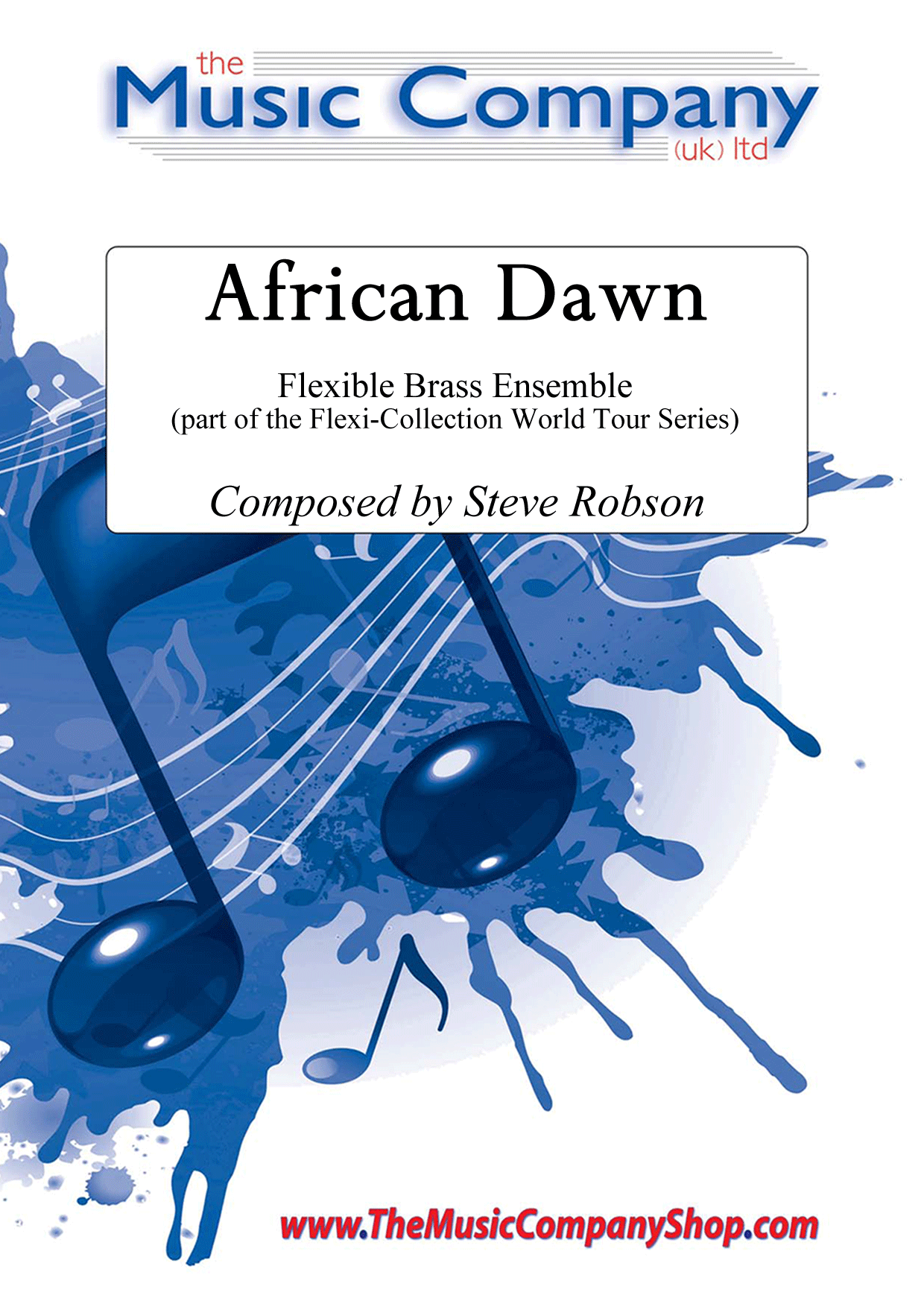
African Dawn - Steve Robson
This piece embraces the sounds and imagery of a tribal group out singing on a remote hill top, where individuals sing out a 2 bar phrase and the remainder of their group sing a response. African Dawn brings this vision to life by giving the opportunity for the musicians playing the original "Chant" or "Call" to be positioned as soloists, or just stand up within the main group.There is also the opportunity for lots of percussion to be spread throughout the band and divided into groups, or even groups of people clapping the separate rhythms to bring forth the African atmosphere.African Dawn is part of the Flexi-Collection - World Tour Series.Our Flexi-Collection Series:Flexible scoring tailored to your needs - a perfect solution for expanding the repertoire of Junior/Youth brass bands and ensembles. The Flexi-Collection currently offers two series and these will be regularly expanded to offer groups an even wider variation of music. Based on four-part harmony, these collections provide brass groups with the advantage of complete flexibility when may not be balanced.Added Extras:Each part of The World Tour Series also includes rudimentary theory reference sheet andLearn Together Moments(warm-up passages which relate to each of the styles of pieces included in the whole series). The score also includes background/programme notes andCheck It Outideas to encourage the players to find out more about the music style and/or inspiration behind the piece.If players or instruments are missing, the show can still go on! The thoughtful scoring and arranging by Steve Robson now means that groups of all abilities have access to a truly flexible set of music for their needs.Available for Brass Band (with world parts included), pieces included in our World Tour Series offer flexibility in every sense of the word.(Available individually or as part of the completeFlexi-Collection World Tour Series Album).
In Stock: Estimated dispatch 3-5 working days
-
 £20.00
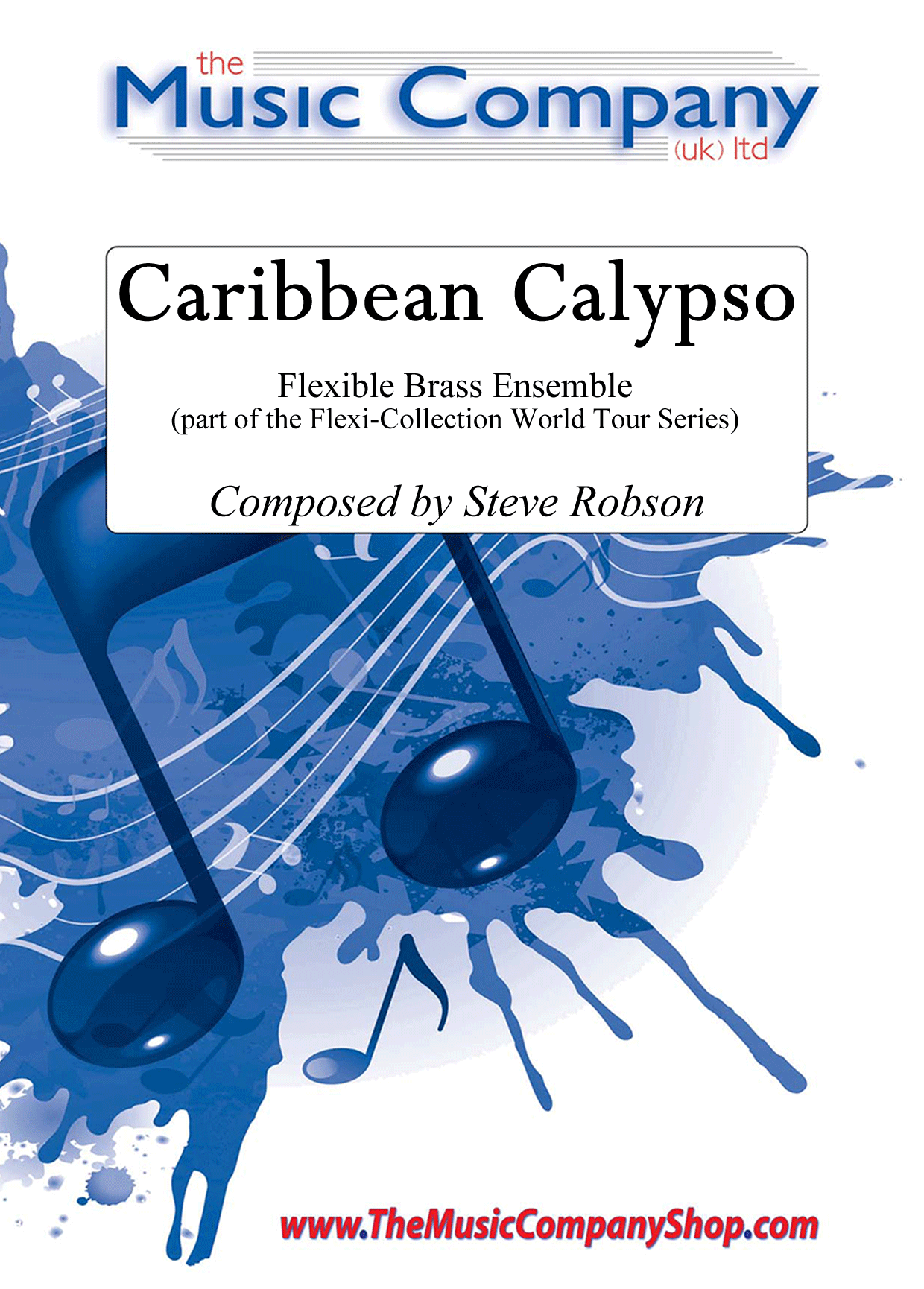
Caribbean Calypso - Steve Robson
Composed by Steve Robson specifically for the Flexi-Collection World Tour Series. Caribbean Calypso opens the doors to a memorable concert item, with the option of including a local steel drum group to join you. Lots of fun to be had with this unusual combination. But don't worry, there is an alternative solo version if a steel drum group isn't possible, so you can still bring the sea, sand and sun to your concert hall with the distinctive style of this music.Caribbean Calypso is part of the Flexi-Collection World Tour Series.Our Flexi-Collection Series:Flexible scoring tailored to your needs - a perfect solution for expanding the repertoire of Junior/Youth brass bands and ensembles. The Flexi-Collection currently offers two series and these will be regularly expanded to offer groups an even wider variation of music. Based on four-part harmony, these collections provide brass groups with the advantage of complete flexibility when may not be balanced.Added Extras:Each part of The World Tour Series also includes rudimentary theory reference sheet andLearn Together Moments(warm-up passages which relate to each of the styles of pieces included in the whole series). The score also includes background/programme notes andCheck It Outideas to encourage the players to find out more about the music style and/or inspiration behind the piece.If players or instruments are missing, the show can still go on! The thoughtful scoring and arranging by Steve Robson now means that groups of all abilities have access to a truly flexible set of music for their needs.Available for Brass Band (with world parts included), pieces included in our World Tour Series offer flexibility in every sense of the word.(Available individually or as part of the completeFlexi-Collection World Tour Series Album).
In Stock: Estimated dispatch 3-5 working days
