
Results
-
 £50.00
Dragon Dances
DescriptionDragon Dances was commissioned by Owen Farr, who is also the work's dedicatee, gave the first performance with the Cornwall Youth Band conducted by Richard Evans on 5 April 2010 and has recorded it on his solo CD "A New Dawn" accompanied by the Cory Band conducted by Philip Harper.Being a Welsh composer, writing music for a Welsh soloist, I was naturally keen to reflect this in the music, and I drew inspiration from two particularly Welsh concepts - "hiraeth" and "hwyl". "Hiraeth" is a word that has no direct translation into English, but an approximation would be 'yearning for home'. Like the other celtic nations, Wales has a widespread diaspora of people who left to seek new lives out in the empire and "hiraeth" is a way of summing up the homesickness felt by these exiles, some of whom return each year for a special ceremony at the Royal National Eisteddfod. "Hwyl" is an even more complicated word, variously meaning ecstatic joy, fervour, equable temperament and even the characteristic sing-song oration style of the great Welsh Methodist preachers.I have attempted to make the music reflect both of these, with the melancholy first part of the work inspired by the hymns and solo songs for which Wales is famous, and the second part having a much more dance-like, joyful quality.Performance Notes:2 solo cornets, 2nd and 3rd cornets require cup mutes. 2 solo cornets require harmon mutes with tubes removed (marked 'TR' in the score).1st horn and 1st baritone require straight mutes, preferably fibre. 1st trombone requires a straight mute, 2nd and bass require cup mutes.Percussion instruments required are vibraphone, glockenspiel, timpani, snare drum, suspended cymbal and tam tamWatch/Listen to the score below:
Estimated dispatch 7-14 working days
-
 £36.30
Will You Love Me Tomorrow
This haunting song from the early 1960's was sung by The Shirrelles, and is better remembered as "Will you still love me tomorrow".Tim Paton writes:This arrangement features the Tenor Horns and Baritones, although there is still plenty to do for the rest of the band. Also, I have made sure that, if your band were unfortunately missing a 2nd Horn or/and 2nd Baritone, I have cued any important parts elsewhere so that they are covered.
In Stock: Estimated dispatch 3-5 working days
-
 £29.95
The Strong Tower (Brass Band - Score and Parts)
Following the popularity of Turris Fortissima, I decided, albeit many years later, to revisit some of the material it contains and create a shorter piece, expanding on some of the ideas and motifs, allowing myself to follow those in different directions altogether. The result is this piece which I hope will also excite players and listeners alike.The music is marked at a quick tempo from the start, but despite several changes in meter, the tempo doesn't change until the small accelerando leads us into the presto section. In order to maintain the excitement and drama, it's important to set the pace and keep it consistent throughout.Section A introduces a few of the motifs that will be developed during the piece, including the main Turris Fortissima theme from bar 13 to 18.At section B, ensure the quavers are tight across the whole band with a strong attack, making an obvious difference in dynamic when fff is marked, in bars 23, 25 and 27. A more lyrical approach will be effective from the Horns in section C, with vigorous interruptions from the rest of the band breaking up their melody.Section D features long notes from muted 1st and 2nd Cornets and Trombones, with crescendos each time. These should be significant and sound as though they emerge from nowhere, completely cutting through the overall texture.Section D features long notes from muted 1st and 2nd Cornets and Trombones, with crescendos each time. These should be significant and sound as though they emerge from nowhere, completely cutting through the overall texture.Sections E and F are both passages of building intensity. Various contrasting motifs are layered, including a subtle reference to the hymn tune Ein' feste Burg (A mighty fortress is our God) from the Euphonium. The music becomes more busy and muddled, before reaching its climax at section G where the lyrical melody is heard again, this time from the Solo Cornets and Euphonium.In bars 141 to 145, there is a reference to Dean Goffin's My strength, my tower in the Basses, as used in Turris Fortissima. Allow this motif to dominate, keeping the notes full and grand-sounding. In bars 149 to 151 there is further use of the line from Ein' feste Burg in the Baritones, Trombones, Euphoniums and Basses leading into the final section.- Steven Ponsford
Estimated dispatch 7-14 working days
-
 £29.95
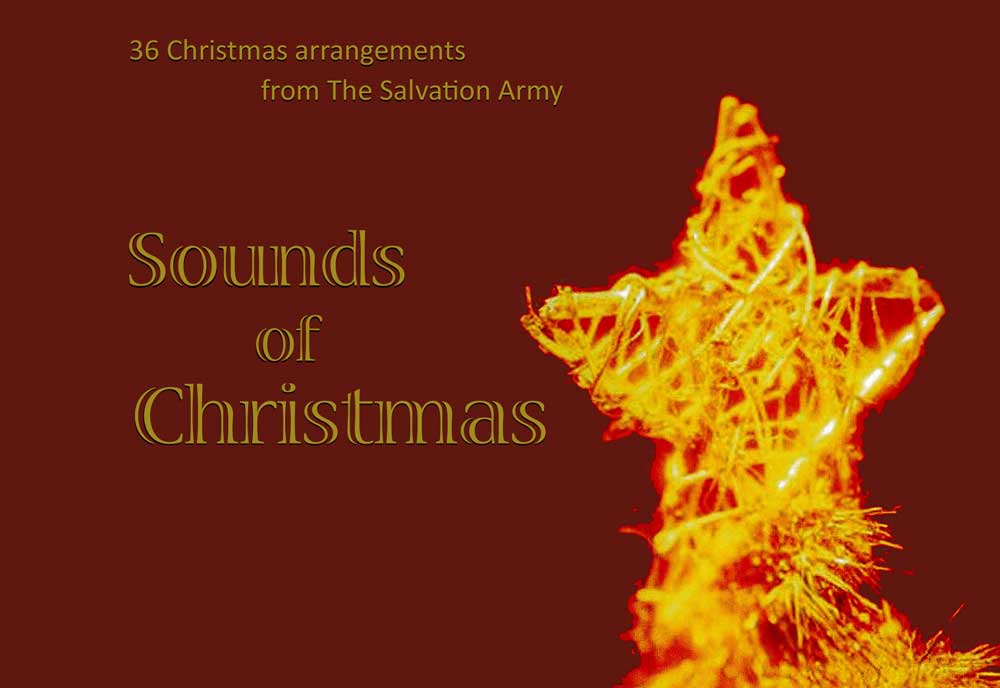
Sounds of Christmas
Sounds of Christmas Band Parts in spiral book form.All the arrangements included in within this book work for a basic five-part layout as indicated below:-PART I 1st Cornet Bb and Part I in CPART II 2nd Cornet Bb, 1st Horn Eb and Part II in FPART III 2nd Horn Eb, Baritone or Trombone Bb, Part III in F and Part III in CPART IV Euphonium Bb and Part IV in CPART V Bass Eb, Bass Bb and Part V in CThe following additional parts are also available:-Optional Soprano EbPercussion I (Timpani, Glockenspiel etc.)Percussion II (Drum Kit etc.)
Estimated dispatch 7-14 working days
-
£45.00
Finale from Symphony No. 2 (The Resurrection) - Mahler, G - Harper, P
One of the most life-affirming pieces of music ever composed, Mahler's 2nd Symphony, subtitled 'The Resurrection', was first performed in Berlin in 1895. Mahler's interest in the mysteries of the afterlife is well-known and is a recurring theme throughout all his nine symphonies. Philip Harper has arranged the final passages of the 2nd Symphony, which begins with a profound hymn set to the words of Friedrich Klopstock-- 'Rise again, yea, thou shalt rise again'.The music contains one of Mahler's magical transitionary passages, building in intensity, before the hymn is restated in all its majesty at the moment of glorious resurrection. This arrangement was performed as the finale to Cory Band's winning Brass in Concert programme in 2012.Listen to Cory BandCourtesy of World of Brass
In Stock: Estimated dispatch 1-3 working days
-
The Planets - Gustav Holst - Matt Kingston
A radical reworking of Holst's epic, containing all the best bits and most memorable tunes. Suitable for 2nd section bands and higher. Duration 13 mins
-
 £35.00
Flanders Fields
Commissioned in 2014 by the 2nd Rossendale Scout Band, Flanders Fields was composed to commemorate the 100th anniversary of World War I, also known as the Great War. It is a reflective work which uses a hymn as its basis, infusing the sound of bugle calls and marching drums to convey the impression of a conflict rather than depicting a specific battle. Narration and wordless choir can be included as part of performance. Listen: Duration: 00:07:30 Grade: 3
Estimated dispatch 5-7 working days
-
 £45.00
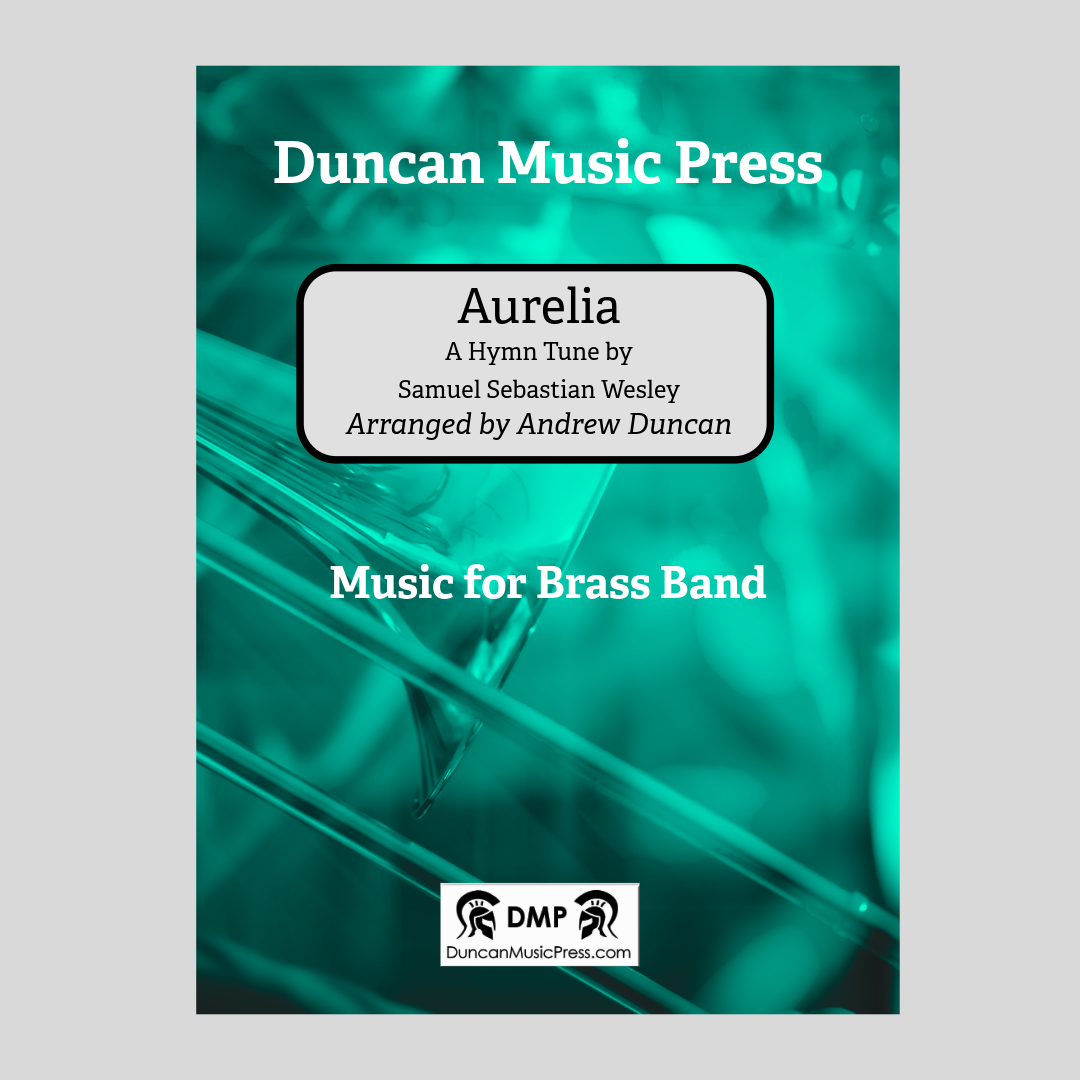
Aurelia by S. S. Wesley. Arranged for Brass Band by Andrew Duncan
An arrangement of the much loved hymn tune Aurelia (also known as The Church's One Foundation) written for the Newtongrange Band. Suitable as a concert item or as a hymn tune arrangement at a contest if this is a requirement. Composer: Samuel Sebastian Wesley Arranger: Andrew Duncan Difficulty: Suitable for Championship - 2nd Section bands Duration: 3 mins 40 secs Publisher: Duncan Music Press Publication date: July 2025 Score and parts included Also see: St Clements
-
 £45.00
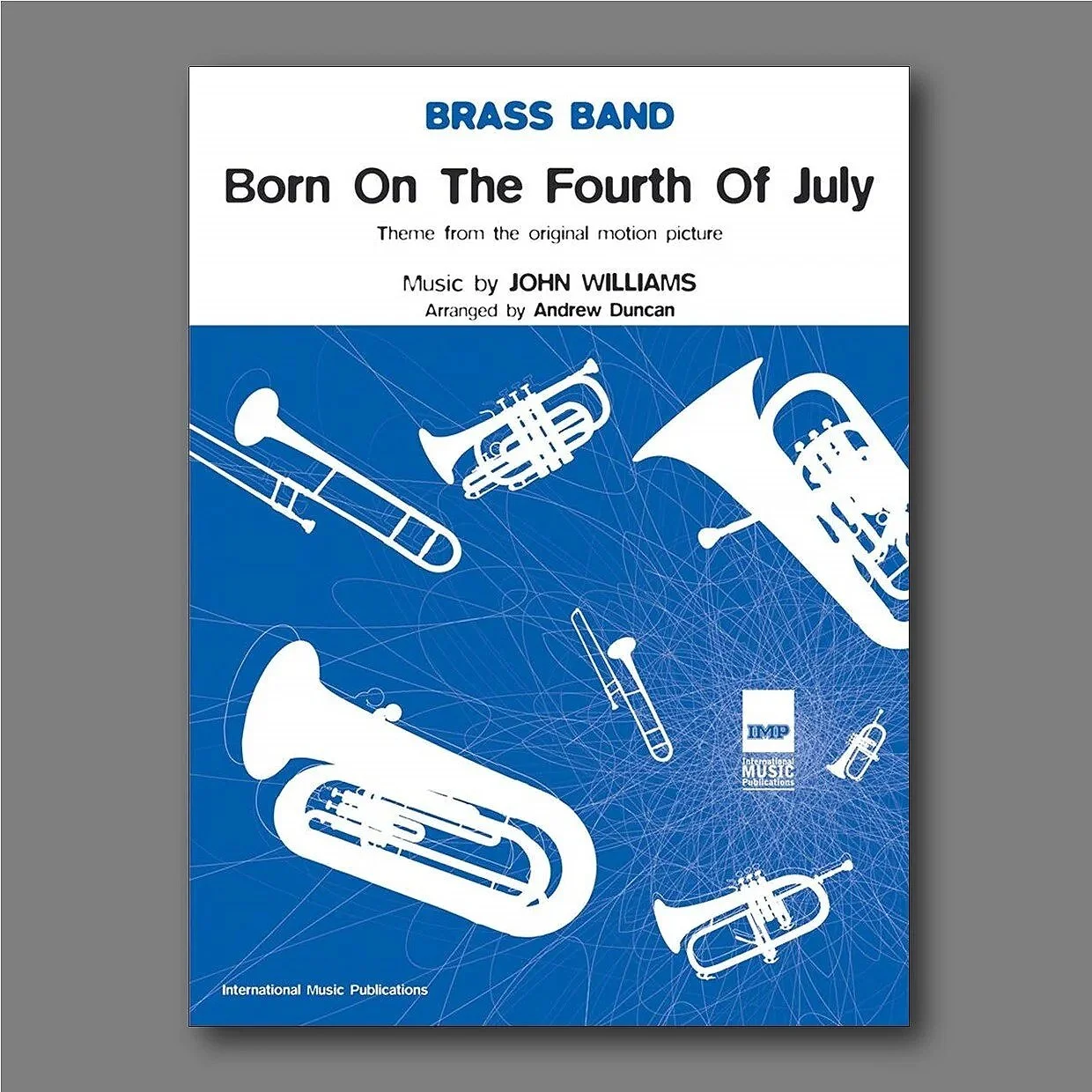
Born on the Fourth of July. John Williams. Arranged for Brass Band and Solo for Trumpet (or cornet) by Andrew Duncan
The theme music from the original motion picture, Born on the Fourth of July, starring Tom Cruise. A memorable John Williams patriotic movie soundtrack arranged for brass band by Andrew Duncan with a solo for trumpet or cornet. Composer: John Williams Arranger: Andrew Duncan Difficulty: Suitable for Championship to 2nd Section Bands Duration: 5 mins 146 pages Score and Parts Publisher: International Music Publications
-
 £55.00
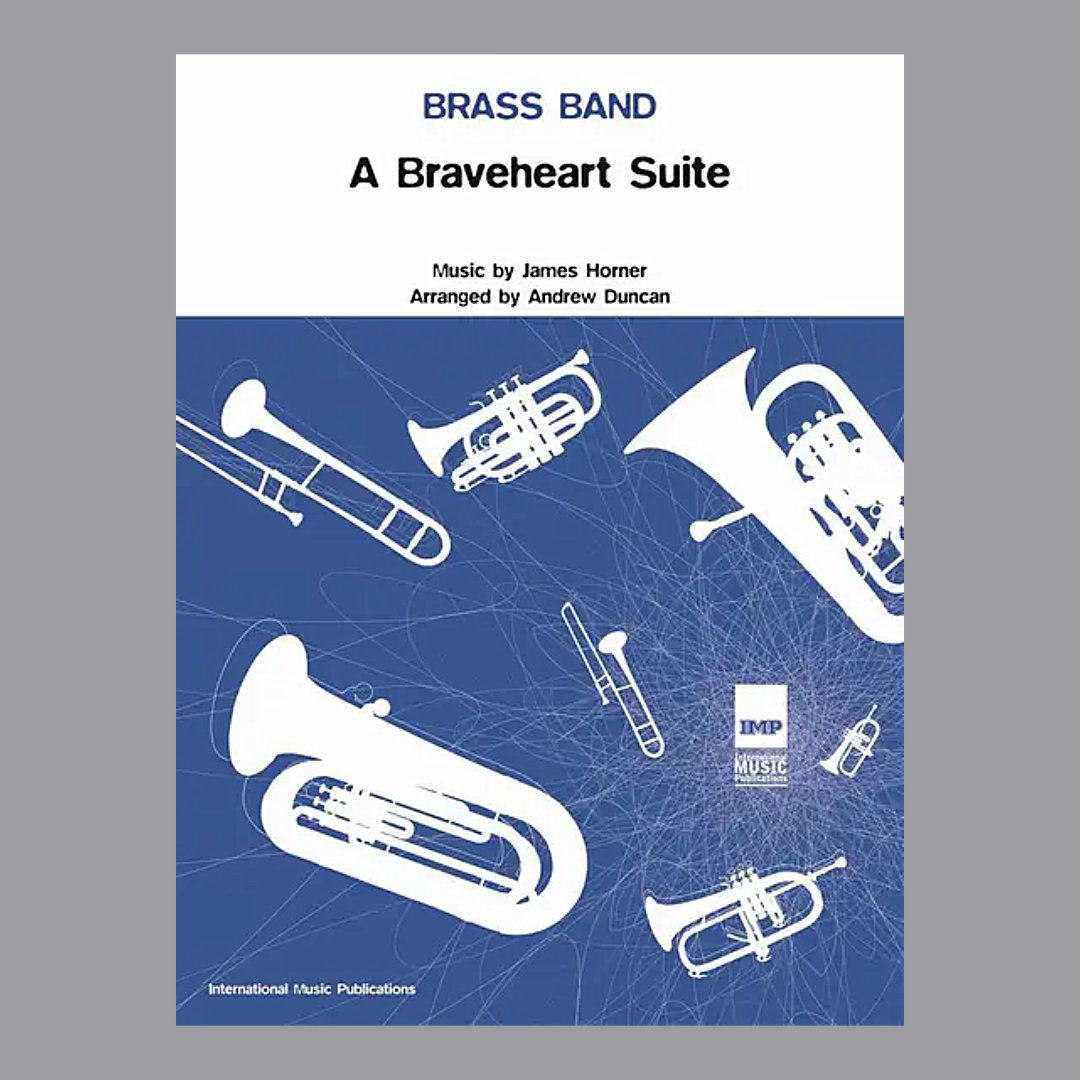
A Braveheart Suite by James Horner. Arranged for Brass Band by Andrew Duncan
Mel Gibson's epic film Braveheart was a cinema blockbuster and the music by James Horner was incredibly memorable. Andrew Duncan has taken some of these themes and created A Braveheart Suite for brass band. Composer: James Horner Arranger: Andrew Duncan Difficulty: Championship to 2nd Section Duration: 7 minutes Score and parts 288 pages Published by International Music Publications
 View Music