
Results
-
 £40.00
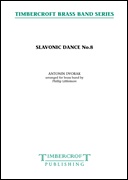
Slavonic Dance No.8 (Brass Band - Score and Parts) - Dvorak, Antonin - Littlemore, Phillip
Antonin Dvorak composed his first set of eight Slavonic Dances in 1878. The music is lively and overtly nationalistic, although the tunes themselves are all original and are not taken from any Slavic folk dances. Slavonic Dance No.8 is high-spirited and in the style of a furiant, the boldest of Czech folk dances. Although written in a 3/4 metre throughout, Dvorak creates cross-rhythms that shift this metre in to 2/4, which is an important characteristic of the furiant. Duration: 4.10
Estimated dispatch 7-14 working days
-
 £45.00
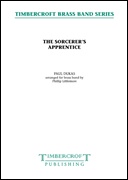
Sorcerer's Apprentice, The (Brass Band - Score and Parts) - Dukas, Paul - Littlemore, Phillip
French composer Paul Dukas wrote his symphonic poem, The Sorcerer's Apprentice, between 1896 and 1897. Subtitled 'Scherzo after a ballad by Goethe', the piece was inspired by Goethe's 1797 poem of the same name. By far the most performed and recorded of Dukas' works, perhaps it's most notable appearance was in the Walt Disney animated film Fantasia from 1940, which led to the piece becoming widely known to audiences outside the classical concert hall.. The original orchestral work is some 10 minutes in length, however this brass band transcription has been abridged to create a more manageable 6-minute work, yet retains the urgency, magic and colour of the original. Duration: 6.00?
Estimated dispatch 7-14 working days
-
 £54.99
Studio-Pop (Brass Band - Score and Parts)
Studio-Pop consists of five movements. The first movement, entitled Marching on a String, is an energetic rock march in a modern rhythm. Next, the charming Dreaming of Summer has been composed in three-four time - which is quite unusual in modern pop music. The inspiration for the third movement, Chicken-Charley was a youngman selling chicken legs from a stall. His supple, dancing movements can be recognised in the music. The fourth movement, Candlelight is a modern, attractive ballad. Finally, Discoteca takes us along on a night visit to a Spanish discotheque. The typically Spanish chords and the stirring, high-spirited rhythm provide an exuberant closing to Studio-Pop. 05:10
Estimated dispatch 7-14 working days
-
 £50.90
THOSE MAGNIFICENT MEN IN THEIR FLYING MACHINES (Brass Band) - Goodwin, Ron - Woodfield, Ray
Grade: Medium/Easy. Duration 2:10
Estimated dispatch 7-14 working days
-
£47.60
TIME FOR US, A (Brass Band) - Rota, Nino - Fernie, Alan
Love Theme from Romeo and Juliet. Grade: Medium/Easy. Duration 4:10
Estimated dispatch 7-14 working days
-
 £144.99
Toccata e Fantasia (Brass Band - Score and Parts)
Toccata e Fantasia was inspired by the composers' love of Anton Bruckner's fantastic wind instrument scoring in his symphonies. Within Toccata e Fantasia Thomas Doss has used several of Bruckner's motifs. In addition to these obvious references you will also find hints of Eastern music with the small motifs being repeated again and again in a sort of Indian guru's mantra, and an improvised blues section with a Big Band feel! A unique concert work that will thrill your audience. 10:40
Estimated dispatch 7-14 working days
-
£50.90
WINNETOU (Brass Band) - Bottcher, Martin - Fernie, Alan
Chief of the Apaches Theme. Grade: Medium/Easy. Duration: 3:10
Estimated dispatch 7-14 working days
-
 £37.95
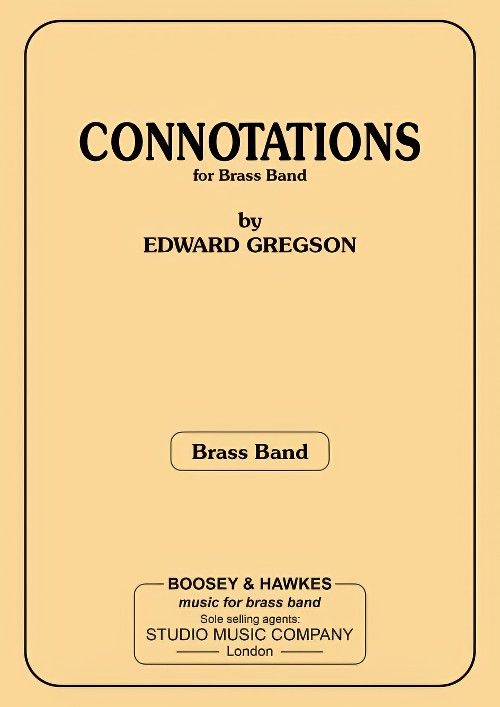
Connotations (Brass Band - Score only) - Gregson, Edward
Connotations was commissioned for the 1977 National Brass Band Championship finals, held in the Royal Albert Hall, London (the winner, incidentally, of that particular competition was the famous Black Dyke Mills Band).At the age of 32 Gregson was the youngest composer to have received the honour of such a commission. It came at the end of a productive five years writing for the brass band publisher R Smith. Some of those works - The Plantagenets, Essay and Patterns for example, with their direct and tuneful style, have remained popular with brass bands the world over.For Gregson, these were the means by which he sharpened the tools of his trade, preparing the ground, as it were, for his finest work to date - Connotations. He thought of calling the piece Variations on a Fourth, but with due deference to Gilbert Vinter perhaps (Variations on a Ninth), he chose a more appropriate one. As Gregson has written, 'Connotations suggests more than one way of looking at something, an idea, and this is exactly what the piece is about'.Writing a competition piece brought its own problems. 'It has to be technically difficult and yet musically satisfying. I didn't like being kept to an eleven-minute maximum. The inclusion of short cadenzas for less usual solo instruments seems to signify a certain test-piece mentality'.Gregson solved the problems admirably by adopting a symphonic approach to variation form: Introduction - fanfares, a call to attention, in effect Variation 1; Theme - a six-note motif, given a lyrical and restrained first statement; Variation 2 - a delicate toccata; Variation 3 - typically robust in melody and rhythm; Variation 4 - lyrical solos; Variation 5 - a scherzo; Variation 6 - cadenzas; Variations 7-9 - an introduction, fugato and resounding restatement of the theme.Duration: 10.30
Estimated dispatch 7-14 working days
-
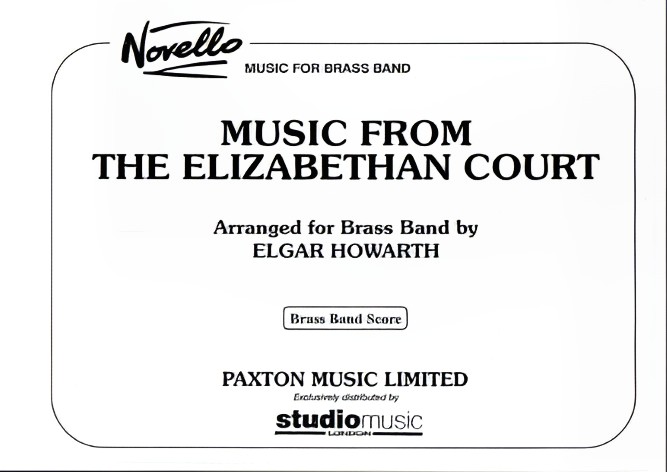 £37.95
Music from the Elizabethan Court (Brass Band - Score only) - Howarth, Elgar
Contains:The Earle of Oxford's March (William Byrd)Pavane (John Bull)Galliard (John Bull)The King's Hunting Jigg (John Bull)Duration: 10.00
Estimated dispatch 7-14 working days
-
£74.95
Connotations (Brass Band - Score and Parts) - Gregson, Edward
Connotations was commissioned for the 1977 National Brass Band Championship finals, held in the Royal Albert Hall, London (the winner, incidentally, of that particular competition was the famous Black Dyke Mills Band).At the age of 32 Gregson was the youngest composer to have received the honour of such a commission. It came at the end of a productive five years writing for the brass band publisher R Smith. Some of those works - The Plantagenets, Essay and Patterns for example, with their direct and tuneful style, have remained popular with brass bands the world over.For Gregson, these were the means by which he sharpened the tools of his trade, preparing the ground, as it were, for his finest work to date - Connotations. He thought of calling the piece Variations on a Fourth, but with due deference to Gilbert Vinter perhaps (Variations on a Ninth), he chose a more appropriate one. As Gregson has written, 'Connotations suggests more than one way of looking at something, an idea, and this is exactly what the piece is about'.Writing a competition piece brought its own problems. 'It has to be technically difficult and yet musically satisfying. I didn't like being kept to an eleven-minute maximum. The inclusion of short cadenzas for less usual solo instruments seems to signify a certain test-piece mentality'.Gregson solved the problems admirably by adopting a symphonic approach to variation form: Introduction - fanfares, a call to attention, in effect Variation 1; Theme - a six-note motif, given a lyrical and restrained first statement; Variation 2 - a delicate toccata; Variation 3 - typically robust in melody and rhythm; Variation 4 - lyrical solos; Variation 5 - a scherzo; Variation 6 - cadenzas; Variations 7-9 - an introduction, fugato and resounding restatement of the theme.Duration: 10.30
Estimated dispatch 7-14 working days
 View Music