
Results
-
 £29.50
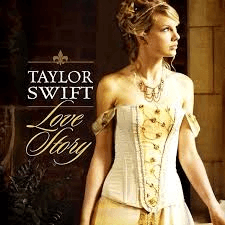
Love Story - Taylor Swift - Gavin Somerset
Released in September 2008, this hit shot Taylor Swift to fame both in the pop and country music industry. The song still holds the record for being the most downloaded country song in history. With words based on a modern day Romeo & Juliet, however this time, with a happy rather than tragic ending. This arrangement by Gavin Somerset remains faithful to the original in every way, with cues and some doubling of parts allowing most levels of bands to perform this work. A perfect piece for younger bands and for summer and gala concerts where this piece shows the younger members of your audiences that Brass Bands are incredibly versatile and even gives the chance to sing along!
In Stock: Estimated dispatch 1-3 working days
-
 £29.50
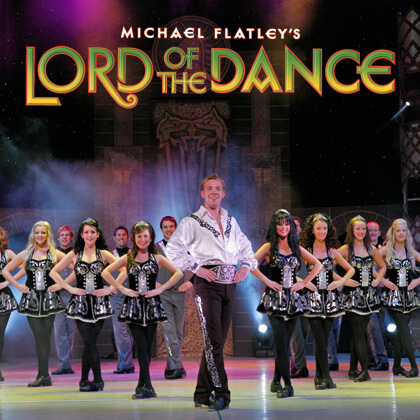
The Lord Of The Dance - Ronan Hardiman - Gavin Somerset
During an interval at the Eurovision Song Contest in 1994, Michael Flatley & the 'Riverdance' cast took the world by storm and continued to achieve worldwide success. Michael Flatley left 'Riverdance' with the dream of creating a show that was suitable for performances in arenas and not just traditional theatres - 'The Lord Of The Dance' was born. Using the traditional US shaker hymn 'The Lord of the Dance' as the shows main theme, Ronan Hardiman adapted the music to be bursting with life. This arrangement by Gavin Somerset is full of excitement and energy, arranged to ensure this effect is playable by most levels of bands. A real crowd pleaser & finale act that will have the audiences on their feet!
In Stock: Estimated dispatch 1-3 working days
-
 £29.50
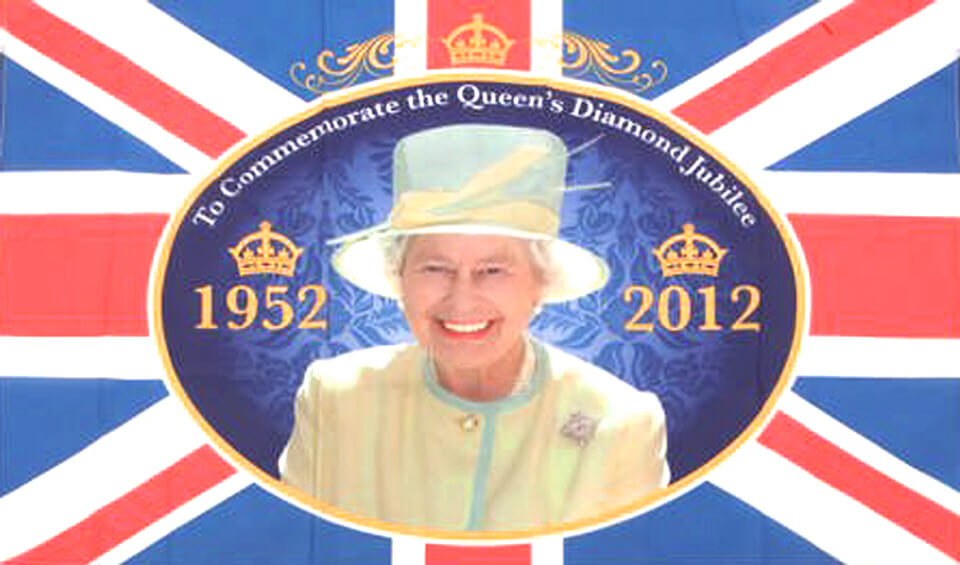
Lovely Jubilee - Various - Gavin Somerset
2012 marked a year of celebration for the Queen's Diamond Jubilee. This patriotic title gives your band the oppertunity to pay tribute to all that is great about Great Britain. There's fun to be had with suggested choreography featured during "The British Grenadiers" and a salute to the "Men Of Harlech" (along with some other surprises!) before the gorgeous tune 'Suo Gan' takes the limelight. Of course, your audience will most likely join in the fun too, with music such as 'Land Of Hope & Glory' & 'Rule Britannia!' to finish, this item will surely leave your audiences on a patriotic high. This is the perfect item for concerts and contests.
In Stock: Estimated dispatch 1-3 working days
-
 £44.50
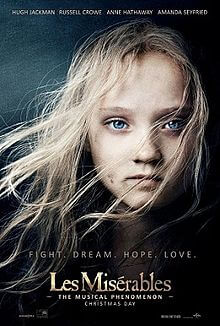
Les Miserables (Concert Suite) - Alain Boublil and Claude-Michel Schonberg - Gavin Somerset
Based on the book by Victor Hugo, Les Misrables has been entertaining audiences around the world since its first performance in London in 1985. Whilst the initial critical reviews were not favourable, the paying public disagreed and the success of the West End musical led to a Broadway production. The show had a big revival in 2012 with the release of the hit film. In this new specially arranged Concert Suite, which features a built in encore - the Epilogue to the show (should you wish to use it) and an optional cut omitting the more difficult sections (making the work accessible to lower section bands), this work gives your band the chance to bring a touch of Broadway to your audience. The Suite features the Prologue, On My Own, Bring Him Home, Master of the House, One Day More & Can You Hear The People Sing? A great audience pleaser and grand concert or contest work that belongs in every bands library.
In Stock: Estimated dispatch 1-3 working days
-
£24.50
Let The Banner Unfurl - Paul Finn - Leigh Baker
An unfurl-rousing, patriotic, processional and waltonesque piece that would fit well into most concerts.
In Stock: Estimated dispatch 1-3 working days
-
 £29.50
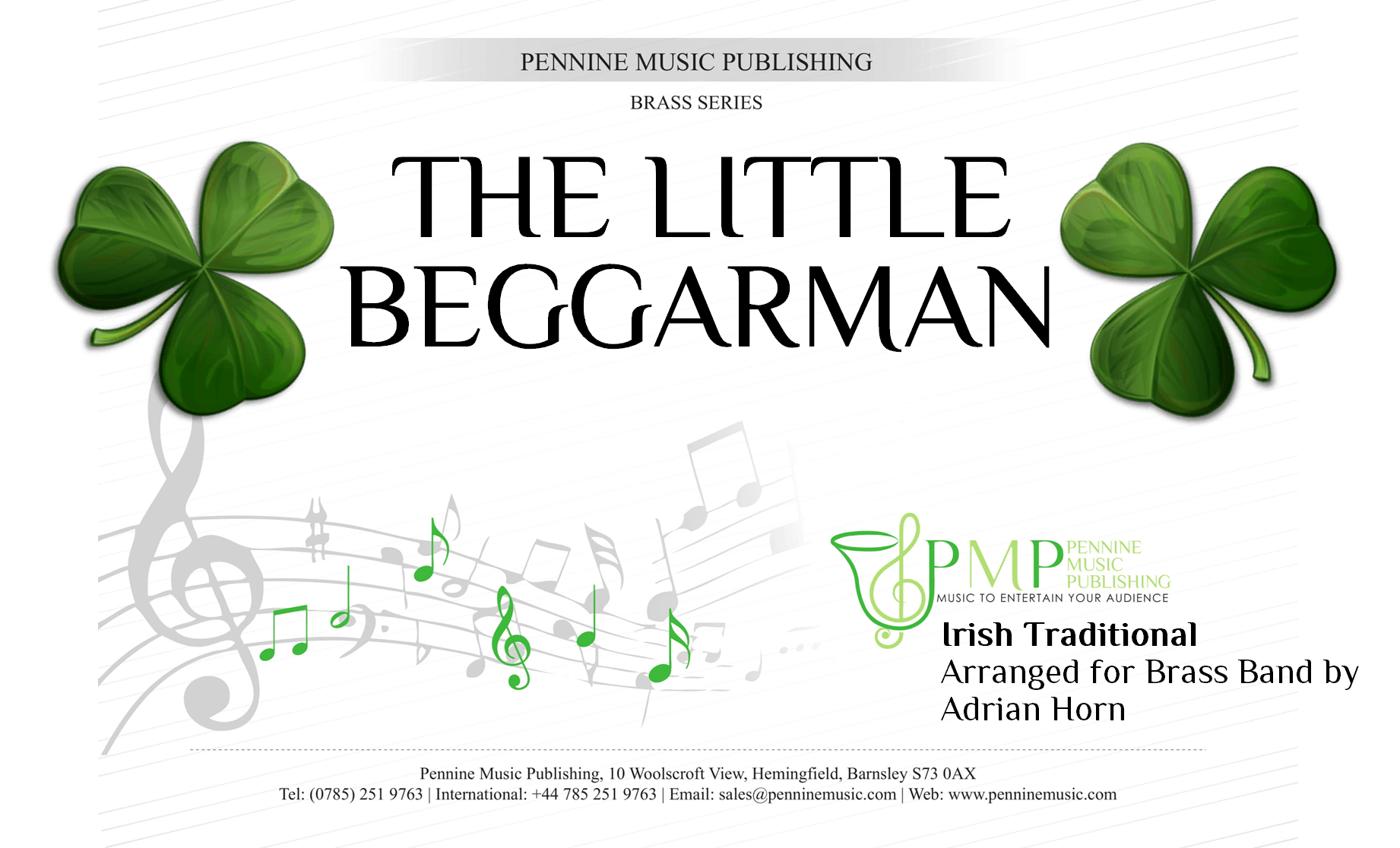
The Little Beggarman - Irish Traditional - Adrian Horn
This show stopping arrangement of the famous traditional Irish Folk Tune is the perfect showcase for bands looking to add something impressive to their concert or entertainment contest programmes. For those familiar with Peter Graham's 'Gaelforce', Adrian Horn's take on The Little Beggarman is of a similar vein complete with a lovely slow middle movement. The two outer movements are full of excitement and a great workout for your band's ensemble playing. One audiences will love.
In Stock: Estimated dispatch 1-3 working days
-
 £24.50
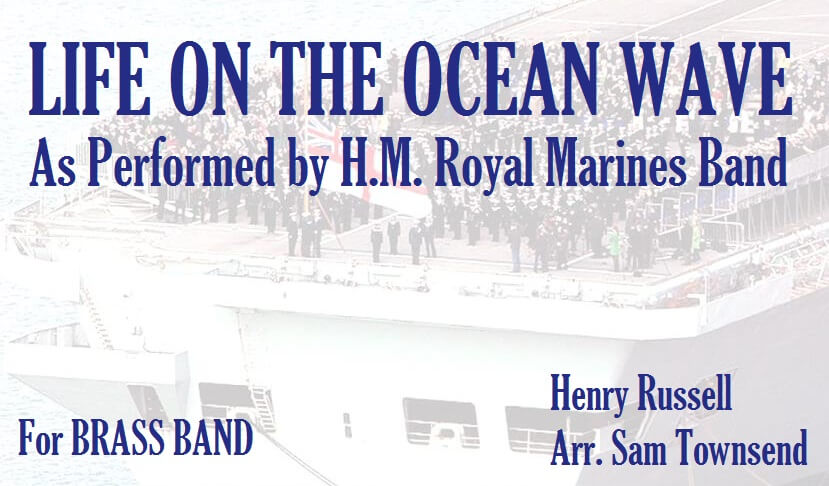
Life On The Ocean Wave - Henry Russell - Sam Townsend
This British March has been made famous around the world due to its use by H.M. Royal Marines Band. In 1882, the Deputy Adjutant General Royal Marines requested that the Bandmaster of each Royal Marine Division (Portsmouth, Plymouth, Chatham) submit an arrangement for a new regimental March for the corps. The Bandmaster of the Chatham Division, submitted an arrangement of A Life on the Ocean Wave which was authorised for use as the regimental quick March of the Corps of Royal Marines in 1882. Now for the first time, this March has been made available for Brass Band and is a perfect concert item to use in any concert.
In Stock: Estimated dispatch 1-3 working days
-
£37.50
The Magic Flute - Mozart - David Kaye
This ever popular overture by the master of classical composers is one that has past the test of time, still being performed and recorded by the worlds greatest orchestras. Composed in 1791, this wonderful arrangement accurately captures the thrill of this, one of the greatest overtures of all time.
In Stock: Estimated dispatch 1-3 working days
-
 £24.50
Marching Through Wales - Various - Chris Cooper
Music from God's own country! This great item treats your audience to some of the greatest tunes that Wales has to offer, in an all round rousing, foot-tapping arrangement. Music including Calon LAn, The Ash Grove, Hyfrydol, Myfanwy, Ar Hyd Y Nos, Blaenwern & Men of Harlech has all been given the military treatment and is a perfect audience pleaser for both the bandstand and the concert hall. A must for all band libraries.
In Stock: Estimated dispatch 1-3 working days
-
 £29.50
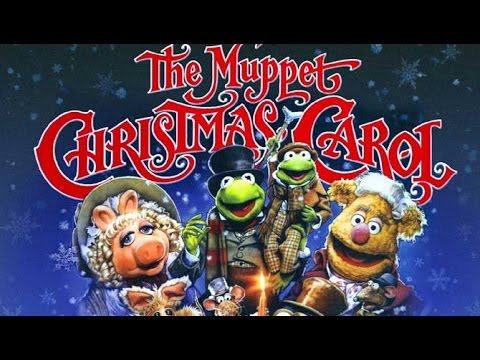
A Muppet Christmas Carol - Paul Williams - David Hollings
The Muppets certainly need no introduction and their take upon the famous Charles Dickens classic novel was of course, a huge success. Released in 1992, the film was the first from the Muppets to be created following the death of their creator Jim Henson and fellow puppeteer, Richard Hunt. Now, arranged by David Hollings, the fun filled overture from the movie is now available for brass band for the first time. A welcome addition to a festive programme for bands that are looking for something different this Christmas.
In Stock: Estimated dispatch 1-3 working days
 View Music